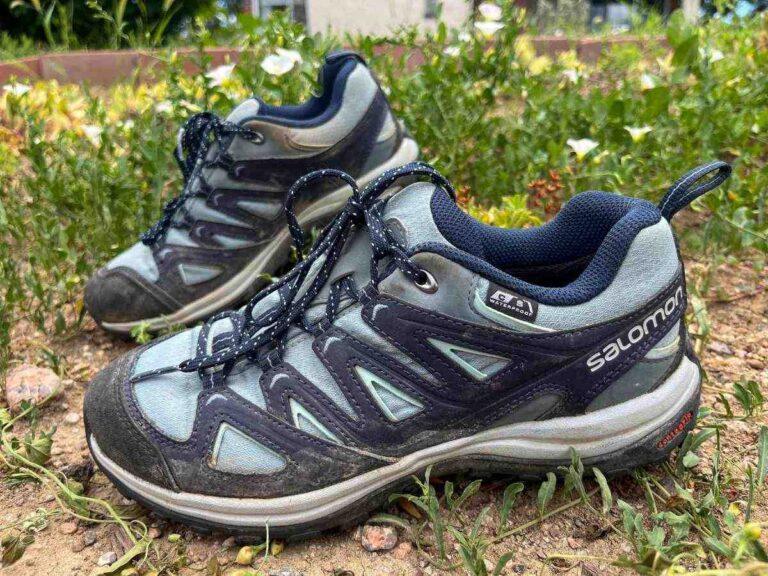
Yes — running shoes can work for many hikes, but they’re best on smoother, lighter trails.
I’ve spent years testing shoes on trails and mountains, and I know exactly when running shoes good for hiking make sense — and when they don’t. This guide breaks down the pros, cons, real-world tips, and gear tweaks so you can decide confidently whether running shoes good for hiking are a smart choice for your next outing. Read on for clear, experience-backed advice that helps you match shoes to trail, distance, and conditions.
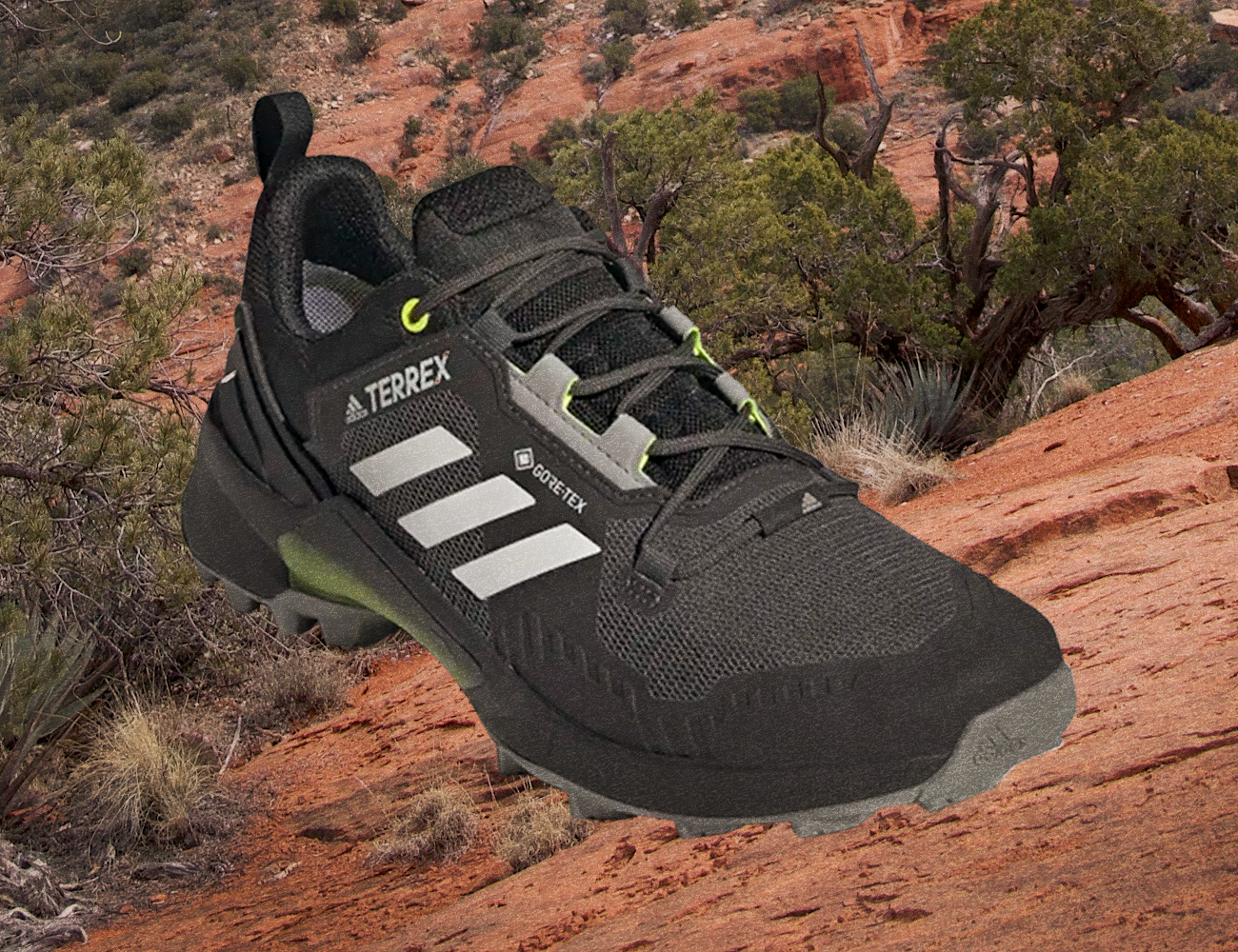
Understanding the difference: running shoes vs. hiking shoes
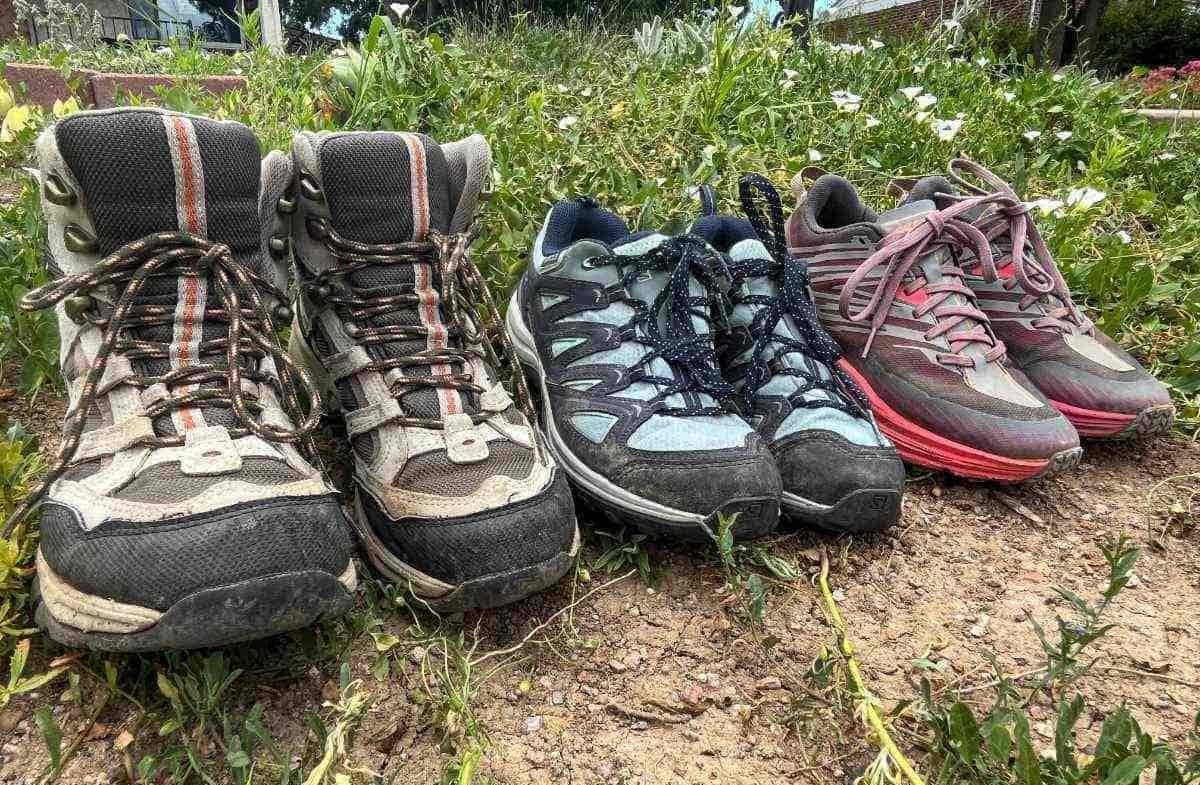
Running shoes and hiking shoes share some design DNA, but they prioritize different things. Running shoes favor light weight, responsive midsoles, and quick flex. Hiking shoes put priority on protection, stability, and longer-term durability.
Key contrasts to watch for:
- Cushioning and feel — Running shoes have softer, more responsive foam for forward motion.
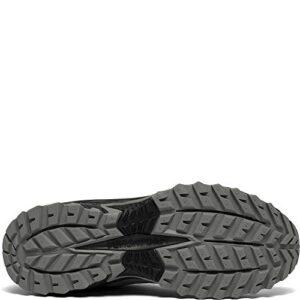
- Outsole and traction — Hiking shoes typically use deeper lugs and stickier rubber for uneven terrain.
- Ankle and foot protection — Hiking boots often add ankle support and thicker toe guards.
- Weight and breathability — Running shoes are lighter and more breathable, which helps on hot, fast hikes.
When you ask whether running shoes good for hiking match your needs, think about the trail, pack weight, and how much protection you require. For many day hikes, running shoes can be perfectly adequate; for rough, rocky, or load-bearing hikes, hiking footwear usually wins.

When running shoes are suitable for hiking
Running shoes good for hiking shine in certain scenarios. Use them when the trail matches their strengths.
Best fits for running shoes:
- Smooth singletrack and forest paths where traction demands are moderate.
- Short to medium day hikes under 8–12 miles with a light pack.
- Warm, dry weather where breathability reduces blisters.
- Fast hikers who prioritize speed and low weight over maximum protection.
Situations to avoid using running shoes:
- Long backpacking trips or hikes with heavy packs, where stability matters.
- Very rocky trails or routes with lots of sharp scree where toe protection is essential.
- Wet, muddy trails where deep lug traction and water resistance help.
From experience, choosing running shoes good for hiking is a matter of matching the shoe to the trail rather than forcing one shoe to do everything.
Limitations and risks of hiking in running shoes
Running shoes good for hiking have trade-offs. Know these risks before you hit the trail.
Common drawbacks:
- Less ankle support — Higher risk of rolling an ankle on uneven ground.
- Lower rock protection — Thin midsoles let sharp rocks bruise your feet.
- Reduced durability — Softer foam and lighter uppers can wear faster on abrasive trails.
- Less aggressive traction — Harder rubber and shallow lugs slip on mud or wet rocks.
- Poor water protection — Mesh uppers soak easily, which can add weight and cause blisters.
If you plan to use running shoes for hiking, accept these limits and plan routes that avoid the worst exposures.
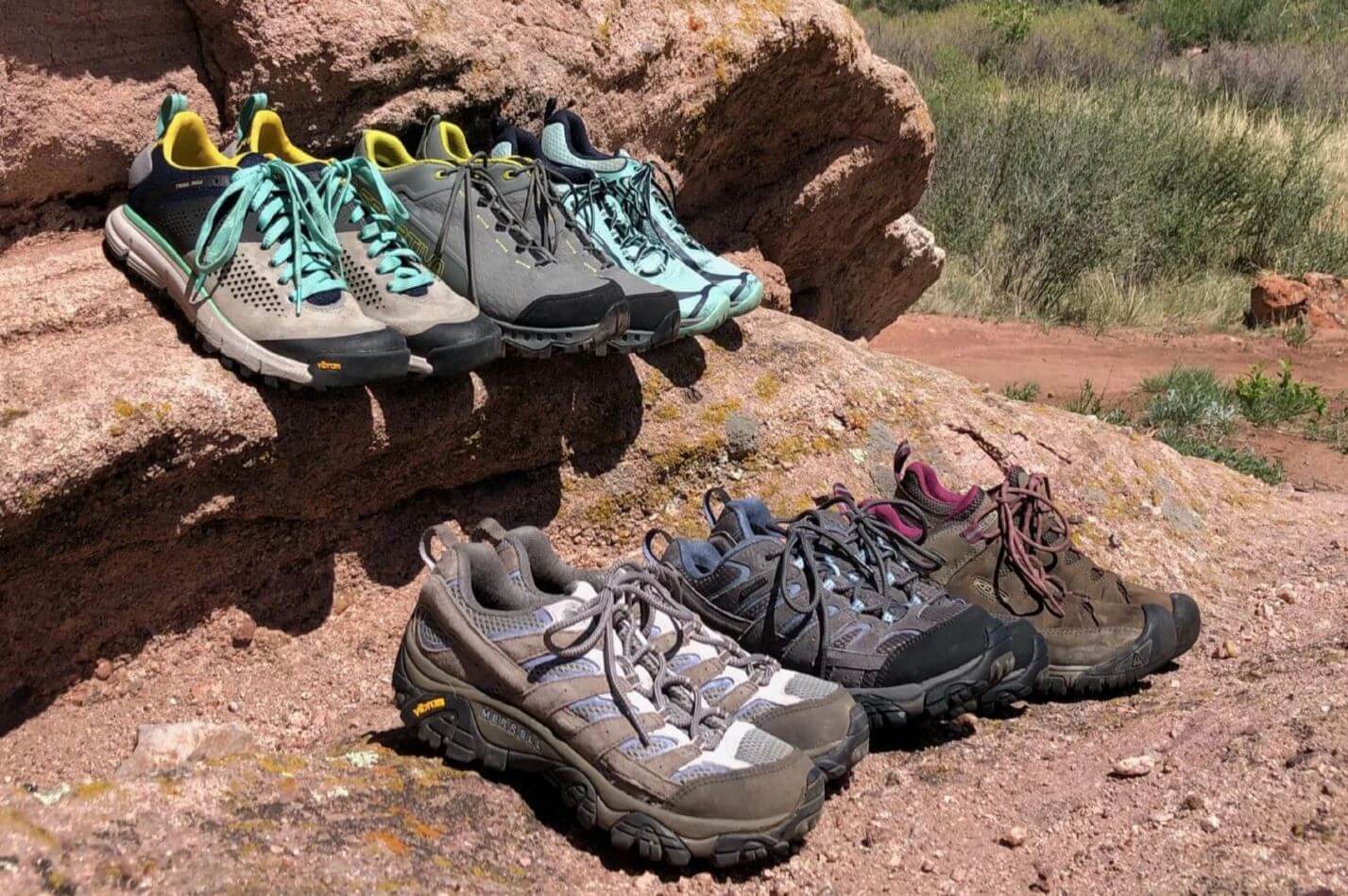
How to choose running shoes for hiking
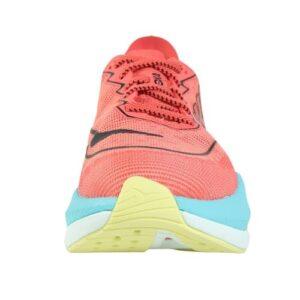
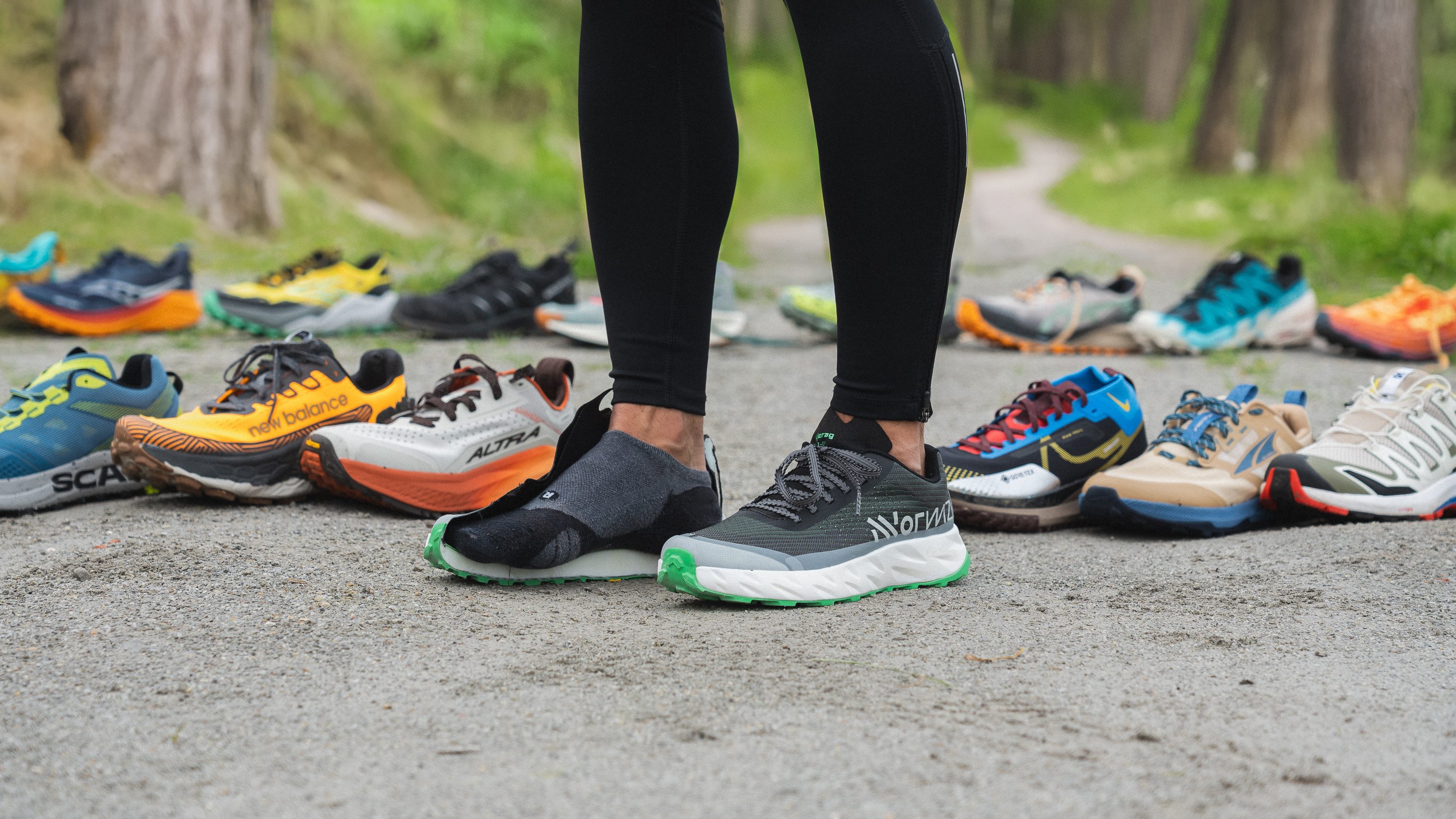
Not all running shoes are equal for trail use. Trail running shoes are a distinct subcategory that often strikes the best balance for hikers who want a light, fast shoe.
What to look for when selecting running shoes good for hiking:
- Outsole design — Deeper, multidirectional lugs for grip on loose terrain.
- Rubber compound — Stickier rubber improves wet-rock traction.
- Rock plate or stiffer midsole — Adds protection against sharp objects.
- Reinforced toe cap and upper — Guards against abrasions and snags.
- Fit and toe box room — Prevents black toenails on descents.
- Low to moderate stack height — Keeps center of gravity low for stability.
- Durable materials — Look for reinforced mesh and overlays for long-term use.
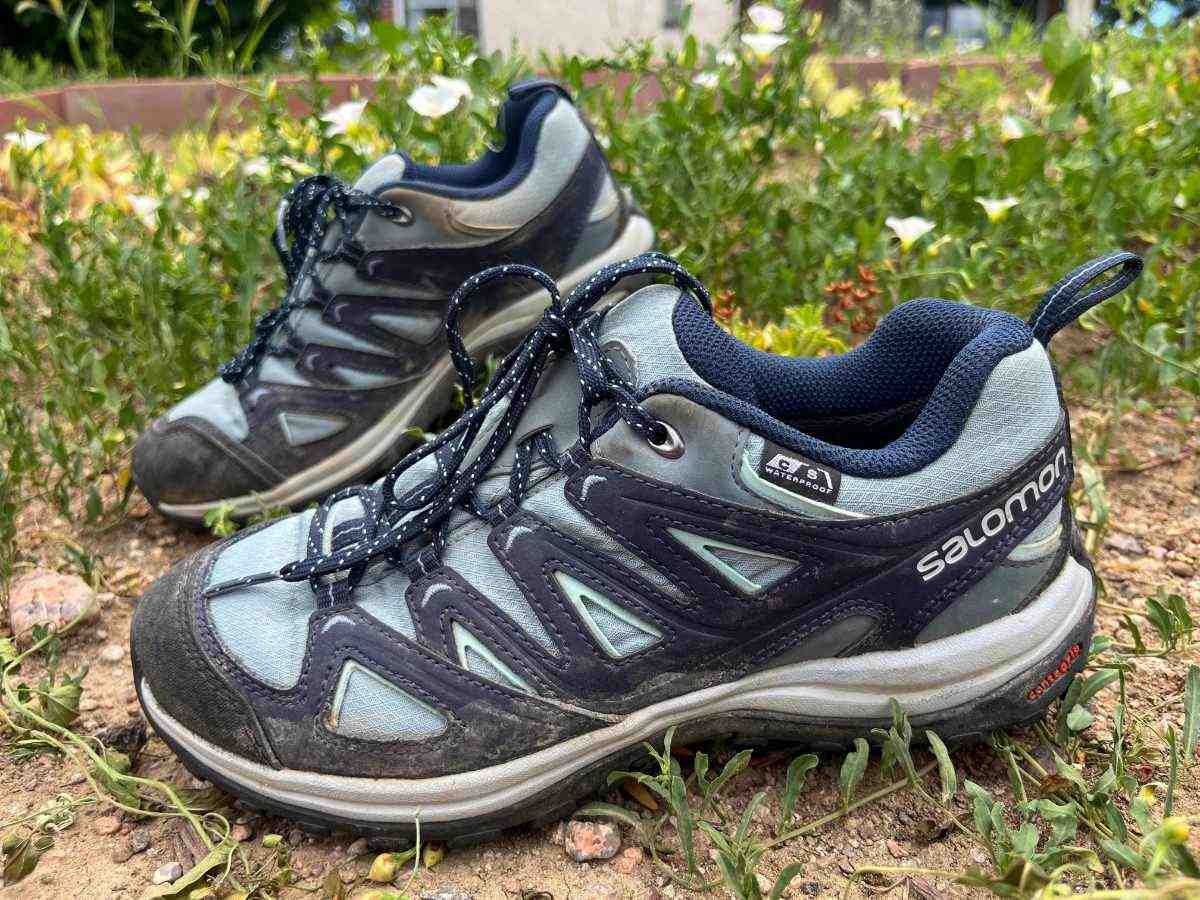
If you’re choosing between road running shoes and trail running shoes, pick trail running shoes when you expect technical terrain. Road shoes are rarely a great match for off-trail use.
Practical tips to make running shoes work for hiking
Small adjustments can extend the usefulness of running shoes good for hiking. These tweaks reduce risk and boost comfort.
Helpful upgrades and habits:
- Use thicker, cushioned hiking socks to reduce friction and protect toes.
- Add a sturdy insole for extra arch support and shock absorption.
- Try gaiters to keep dirt and small rocks out of low-cut running shoes.
- Apply a simple waterproof spray for light rain, but know it won’t keep shoes dry on long wet days.
- Lace properly — use heel-lock or surgeon’s knot techniques to prevent slippage.
- Break them in on short hikes before trusting them on a long route.
- Carry blister patches and a spare pair of socks for longer outings.
I once hiked a 10-mile ridge in trail running shoes with a thin insole and learned the hard way about foot fatigue. Upgrading the insole and improving lacing made all the difference on future hikes.

Maintenance and care for hiking in running shoes
Keeping running shoes in good shape matters more when you use them on trails. Regular maintenance extends life and performance.
Simple care steps:
- Clean mud off the outsole and upper after hikes to prevent rubber wear.
- Air-dry shoes away from heat to preserve foam and glue.
- Replace insoles periodically to maintain support and cushion.
- Rotate shoes if you hike often to let foam decompress between uses.
- Inspect for worn lugs or tears and retire shoes before protection fails.
A well-cared-for pair of running shoes good for hiking will last longer and perform more reliably on the trail.
Personal experience: lessons from the trail
I’ve used running shoes for short trail hikes, overnight trips, and fastpack routes. Those experiences shaped what I now recommend.
What I learned:
- Trail running shoes handled fast, light hikes brilliantly and saved my knees on downhills.
- Road running shoes failed quickly on rocky ground — toes battered and soles thinned out sooner than expected.
- On wet, rooty trails, a grippy trail running outsole matters more than extra cushion.
- When carrying a heavier pack, I felt more ankle instability in low-cut running shoes compared with lightweight hiking boots.
Takeaway: running shoes good for hiking if the route and load are appropriate. For heavy packs or highly technical terrain, choose sturdier footwear.
Frequently Asked Questions of are running shoes good for hiking
Can I hike in road running shoes?
You can on smooth, well-maintained trails for short distances, but road running shoes lack protection and traction for technical routes.
Are trail running shoes better than hiking boots?
Trail running shoes are lighter and faster, while hiking boots offer more support and protection — choose based on terrain and pack weight.
Will running shoes give me more blisters on hikes?
Running shoes can cause blisters if fit or socks are wrong; proper lacing, good socks, and a break-in period reduce blister risk.
Can waterproof running shoes keep my feet dry?
Waterproof running shoes help in light rain or wet grass, but they may trap moisture on long wet hikes and are less breathable.
How long will running shoes last if I use them for hiking?
Lifespan varies by use, but aggressive trail miles can wear running shoes faster than road miles; expect fewer miles on abrasive trails than on roads.
Conclusion
Running shoes good for hiking can be a smart, lightweight option for many day hikes and fastpacking routes if you match the shoe to the trail and adjust your setup. Know the limits: choose trail-specific running shoes when possible, protect your feet with better insoles and socks, and avoid technical terrain or heavy loads in low-cut road shoes. Try a short hike first, tune your gear, and make decisions based on safety and comfort. If this helped, leave a comment about your favorite hiking shoes or subscribe for more real-world gear advice.

Rubel Miah is the Senior Editor at MyStyleGrid.com, where he brings a sharp editorial eye and an unshakable love for fashion to everything he does. A true style addict, Rubel lives and breathes trends, from streetwear to high fashion, and has a knack for turning inspiration into impactful stories. With years of experience in fashion journalism and digital media, he curates content that empowers readers to express themselves through style. When he’s not editing features or forecasting the next big thing, you’ll find him hunting down vintage pieces or capturing street style moments around the city.