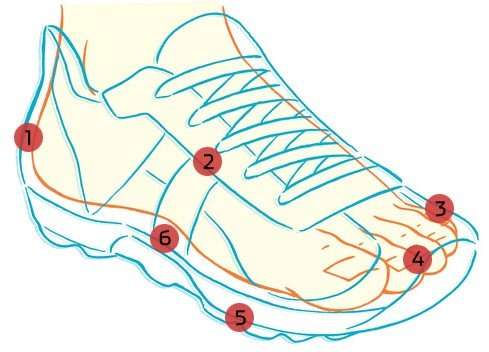
Running shoes should feel snug, not painfully tight — secure in the heel, with about a thumb’s width in the toe box.
I’ve fitted runners for years and tested dozens of shoes across distances. If you’ve asked "are running shoes supposed to be tight," you’re in the right place. I’ll explain what “tight” really means, how a proper fit feels, key signs of poor fit, practical tips to try shoes correctly, and when to size up or see a specialist. Read on for clear, experience-backed guidance so your next run feels smooth and safe.

How running shoes should fit
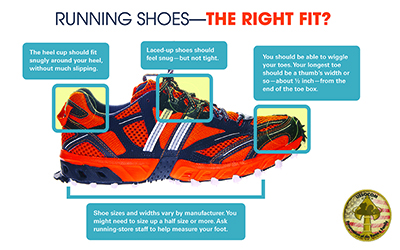
A good running shoe fits like a tool that supports your foot. It should feel snug and locked in at the heel and midfoot. You want enough room in the toe box for natural toe splay and some foot swelling. If you still wonder "are running shoes supposed to be tight," think snug, not painful.
Key fit checkpoints:
- Heel should not slip when you walk or jog in the store.
- Midfoot should feel secure but not pinched.
- Toe box should allow about a thumb-width (roughly 1/2 inch) from longest toe to shoe end.
- Width should match your foot shape; toes should not curl or overlap.
Why these checkpoints matter:
- They prevent blisters, black toenails, and hot spots.
- They allow natural foot motion and proper gait mechanics.
- They reduce injury risk from nerve compression or poor biomechanics.

Snug versus tight: understanding the difference
People often use "tight" and "snug" interchangeably, but they are not the same. A snug shoe holds your foot firmly without pressure points. A tight shoe compresses tissue, causes pain, or limits blood flow. When considering "are running shoes supposed to be tight," choose snug.
Examples to spot the difference:
- Snug: You feel secure on turns and during pickup pace.
- Too tight: Numb toes, tingling, or red marks after a short run.
- Snug during a long run remains comfortable; too tight becomes worse.

Signs your running shoes are too tight
Recognizing early signs stops problems before they escalate. If any of these occur, your shoes are likely too tight.
Common signs:
- Numbness or pins-and-needles in toes or forefoot.
- Persistent hot spots, blisters, or pressure sores.
- Black or bruised toenails after runs.
- Redness, swelling, or pain across the top of the foot or at the toes.
- Heel pain from an overly tight heel counter that restricts movement.
If you see these signs, stop and reassess fit quickly. Persistent symptoms may need a different shoe or professional advice.
How to find the right fit — step-by-step
Finding the right fit is part gear science and part trial. Try this simple process when you shop or order shoes online.
Step-by-step guide:
- Measure feet at the end of the day when feet are largest.
- Wear the socks you plan to run in during the fitting.
- Try shoes with the lacing tied as you would run.
- Leave about a thumb-width of space in the toe box.
- Walk and jog in the store or test on a treadmill for at least 5–10 minutes.
- Check heel slip and midfoot lockdown during short sprints.
- If you feel tightness, try a half size up or a wider model.
When ordering online, read size guides and reviews. Many brands vary by model, so check volume and width comments.

Lacing tricks and minor fit fixes
Small changes can transform "too tight" to "just right." Use lacing and socks to fine-tune fit.
Simple fixes:
- Heel lock or runner’s loop to stop heel slip.
- Skip a lace eye to relieve pressure on top of the foot.
- Thinner socks to reduce volume; thicker socks to add volume.
- Insoles for extra lift if the shoe feels loose in length.
- Wide versions or models with roomier toe boxes for bunions or wide feet.
These tweaks sometimes prevent the need to size up. Always re-test with a short run.
Racing flats, trail shoes, and special cases
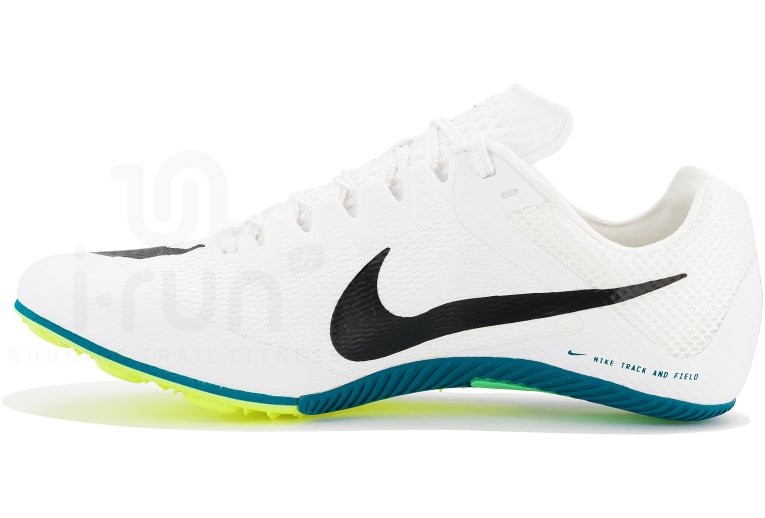
Are running shoes supposed to be tight for different uses? It depends on purpose. Racing flats often feel firmer and closer to the foot to increase efficiency. Trail shoes may need a snugger toe box to prevent forward sliding on descents. But even performance shoes should not cut off circulation or cause pain.
Tips by shoe type:
- Racing flats: Slightly snug is OK for speed, but avoid toe pain.
- Trail shoes: Secure midfoot and good toe protection matter most.
- Stability or motion-control shoes: Fit similar to daily trainers; don’t oversize to avoid instability.
Personal experience: lessons from real runs
I once trained for a half marathon in shoes that felt slightly tight at purchase. They were snug and secure at the start, but after 8 miles my toes were numb and a toenail turned black. I learned to always test with a run. I now fit shoes later in the day, try them on a treadmill, and trust the thumb-width rule. That saved me from recurring problems and made my runs more enjoyable.
Practical takeaways from my experience:
- Don’t buy performance shoes that feel tight at rest.
- Test shoes on a short run before race day.
- Trust your body—discomfort usually signals a fit issue.
Common fit questions (PAA-style)
How tight should running shoes be for long runs?
Running shoes should feel snug in the heel and midfoot, with about a thumb-width of space at the toes. They should not cause pain or numbness even after 30–60 minutes.
Should running shoes be tighter than casual shoes?
Running shoes often fit slightly flatter due to foot swell, but they should never feel pinched or painful compared to casual shoes. Aim for secure fit without compression.
When to see a podiatrist or specialist
If fit changes cause persistent pain, numbness, or skin breakdown, see a specialist. A podiatrist can assess foot structure, recommend orthotics, or rule out nerve problems.
Red flags for professional help:
- Ongoing numbness that lasts after removing shoes.
- Repeated ulceration, blistering, or infected toenails.
- Sudden changes in foot shape or severe pain while running.
Are running shoes supposed to be tight for beginners?
Beginners should focus on comfort and support. A snug shoe that secures the foot is better than an overly tight one. If you’re new to running, choose shoes with room in the toe box and a forgiving ride.
Starter tips:
- Go up half a size if unsure, but test with a short run.
- Pick a neutral trainer unless recommended otherwise after gait analysis.
- Replace shoes every 300–500 miles to maintain fit and cushioning.
Frequently Asked Questions of are running shoes supposed to be tight
How much toe room should I have in running shoes?
You should have about a thumb-width (roughly 1/2 inch) of space between your longest toe and the shoe tip. This lets toes splay and accommodates foot swelling during runs.
Is it okay for running shoes to feel tight at first?
If they feel slightly snug, that’s okay, but they should not cause pain, numbness, or lasting red marks. Tightness that increases on a short run means they are too small or narrow.
Can lacing fix shoes that feel tight?
Lacing can relieve pressure on the top of the foot or lock the heel to prevent slip, but it won’t solve a shoe that is too short or too narrow. Use lacing tricks as fine-tuning, not a full fix.
Should my heel slip a little in running shoes?
A small amount of movement can happen, but noticeable heel slip is not ideal and can cause blisters. Use a heel lock or try a different size/brand if slip persists.
Are racing shoes supposed to be tighter than training shoes?
Racing shoes often fit closer for performance, but they should never be painful. For races, some runners accept a slightly firmer fit, but comfort and circulation must be preserved.
Final thoughts
A proper running shoe should feel snug, secure, and allow natural toe movement. If you keep asking "are running shoes supposed to be tight," remember: snug is good, tight is not. Test shoes late in the day, wear your running socks, try a short jog, and use lacing or different widths to fine-tune fit. If problems persist, consult a specialist.
Take action today: measure your feet, try shoes with these rules, and go for a short test run before committing. Share your fit story below or subscribe for more practical shoe fit tips and running advice.

Rubel Miah is the Senior Editor at MyStyleGrid.com, where he brings a sharp editorial eye and an unshakable love for fashion to everything he does. A true style addict, Rubel lives and breathes trends, from streetwear to high fashion, and has a knack for turning inspiration into impactful stories. With years of experience in fashion journalism and digital media, he curates content that empowers readers to express themselves through style. When he’s not editing features or forecasting the next big thing, you’ll find him hunting down vintage pieces or capturing street style moments around the city.