Cowboy boots are generally not ideal for hiking, but they can work on easy, dry trails with caution.
I’ve spent years testing footwear in varied terrain, from desert washes to forest tracks. I’ll give a clear, practical answer to are cowboy boots good for hiking. You’ll get honest pros and cons, terrain guidance, modification tips, and real-world experience so you can decide whether your boots belong on the trail or in the truck.
Why people consider cowboy boots for hiking
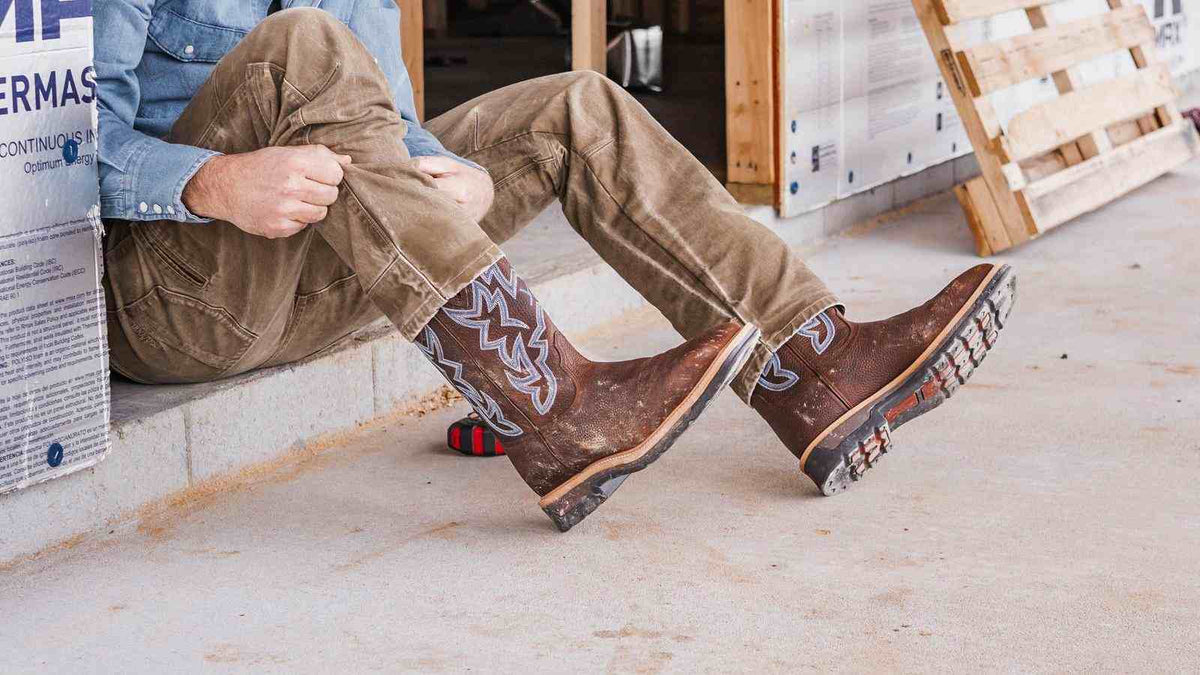
Many folks ask are cowboy boots good for hiking because the boots are durable and familiar. Cowboy boots feel sturdy. They have tough leather and a solid sole. That makes people assume they can handle trails.
Some riders and ranch hands hike in their boots daily. For short walks and stable ground, cowboy boots can perform well. But hiking includes steep, wet, and rocky surfaces. That is where the boots show limits. Read on to learn when cowboy boots work and when they don’t.
Anatomy: cowboy boots vs. hiking boots
Compare basic parts to see why are cowboy boots good for hiking is complex. Each boot type has a purpose-built design.
- Toe box: Cowboy boots have narrow, shaped toes. Hiking boots offer roomy toes to reduce blisters and swelling.
- Heel and sole: Cowboy heels are higher and slimmer. Hiking soles are flat and lugged for traction.
- Ankle support: Cowboy boots can be tall, but they lack the structured padding of hiking boots.
- Flex and cushioning: Hiking boots flex and cushion to absorb impact. Cowboy boots are often stiff to ride comfortably.
Understanding these differences helps answer are cowboy boots good for hiking for your situation. If you need grip, cushioning, and ankle control, a hiking boot is usually better.
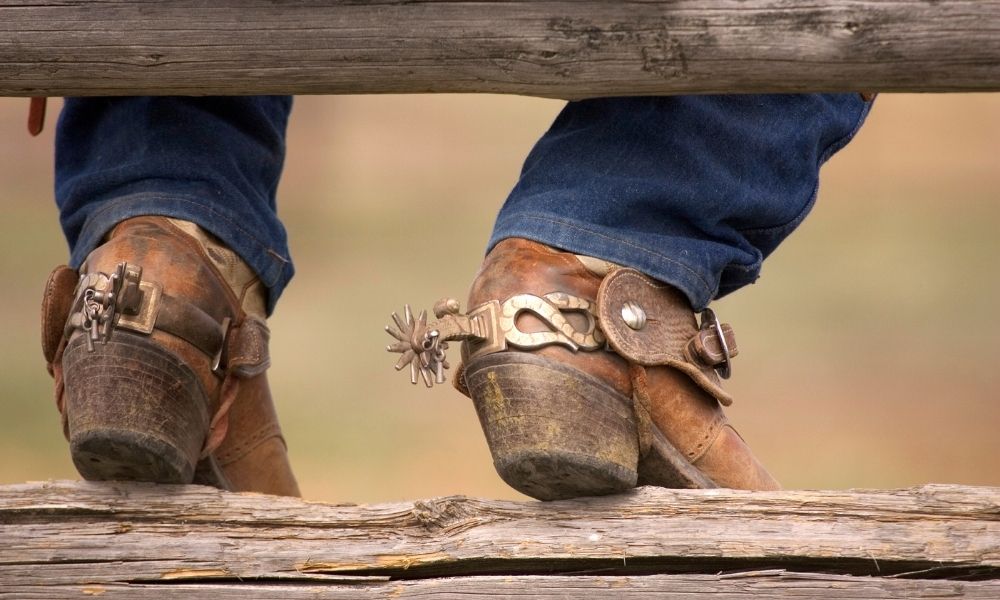
When cowboy boots can work for hiking
Cowboy boots can be okay on certain trails. Here are situations where they work.
- Short walks on flat dirt roads or ranch tracks.
- Dry, well-packed trails with little rock or mud.
- Urban hiking or light day hikes where style matters.
- Emergency or last-minute hikes when no other shoes are available.
If you plan to test whether are cowboy boots good for hiking for a one-hour dirt trail, expect mixed results. They can feel fine at first. Over time, lack of support and traction shows.
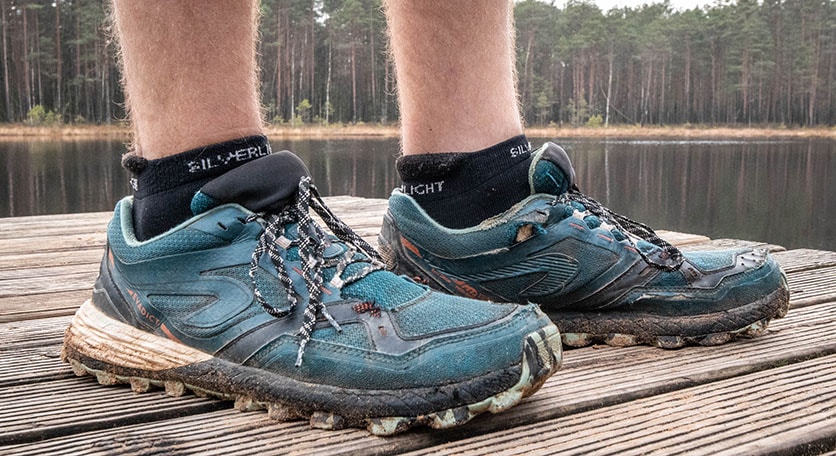
Risks and limitations on the trail
Knowing risks helps you make safe choices. These are the main downsides if you try to hike in cowboy boots.
- Traction failure: Smooth soles slip on wet rocks and steep dirt.
- Foot fatigue: Minimal cushioning increases foot pain on long hikes.
- Blisters and hot spots: Narrow toe boxes and seams cause rubbing.
- Ankle injuries: Tall shafts without supportive padding still allow twist injuries.
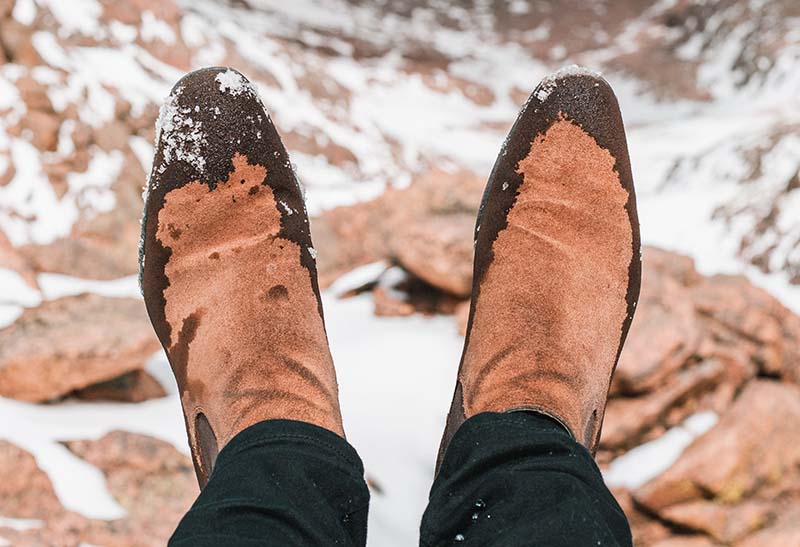
- Wetness and weight: Leather soaks and becomes heavy if not treated.
If you ignore these risks, hiking in cowboy boots can lead to cuts, slips, or longer recovery time. Always match footwear to the terrain.

How to make cowboy boots more hikeable
If you want to use cowboy boots for hiking sometimes, modify them smartly. Small changes can boost safety and comfort.
- Add Vibram or rubber sole protectors to improve grip.
- Use thicker, moisture-wicking socks for blister prevention.
- Fit insoles with arch support to reduce fatigue.
- Break boots in gradually on short walks before longer hikes.
- Apply waterproofing wax or leather conditioner to keep feet dry.
These steps don’t turn cowboy boots into hiking boots. They can, however, help you answer are cowboy boots good for hiking for occasional, light trail use.

Terrain guide: where cowboy boots fail and where they pass
Match boots to trail conditions. This helps you decide whether are cowboy boots good for hiking in your plan.
- Easy dirt roads and flat ranch tracks: Pass.
- Short forest trails with mild roots: Conditional—watch slick spots.
- Rocky, steep climbs or scree: Fail—poor traction and toe protection.
- Wet, muddy trails and stream crossings: Fail—leather soaks and slips.
- Long day hikes with elevation gain: Fail—fatigue and discomfort build fast.
Use this simple map when packing. If the trip includes steeper or wetter conditions, choose hiking boots.
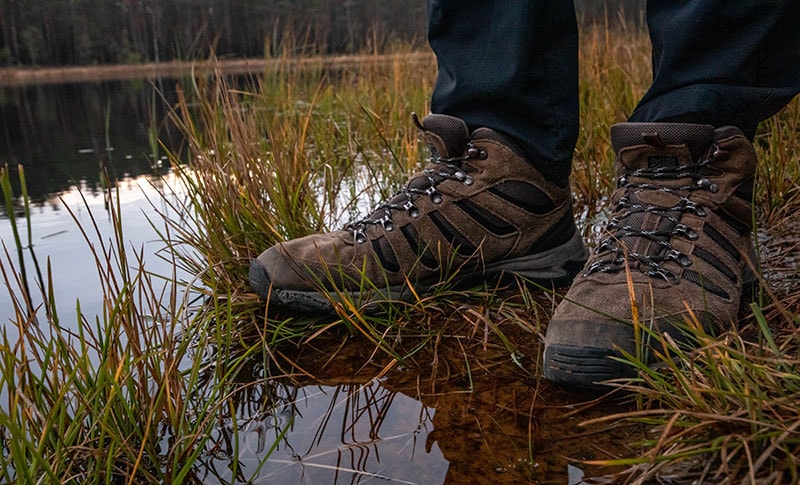
Alternatives and hybrid options
If you like the cowboy look but need trail performance, consider options that balance both.
- Roper-style boots with lug soles for more traction.
- Work boots with ankle support and slip-resistant tread.
- Wellington or field boots designed for outdoor use.
- Lightweight hiking boots with a western-style toe if style matters.
These hybrids help answer are cowboy boots good for hiking by offering practical compromises.
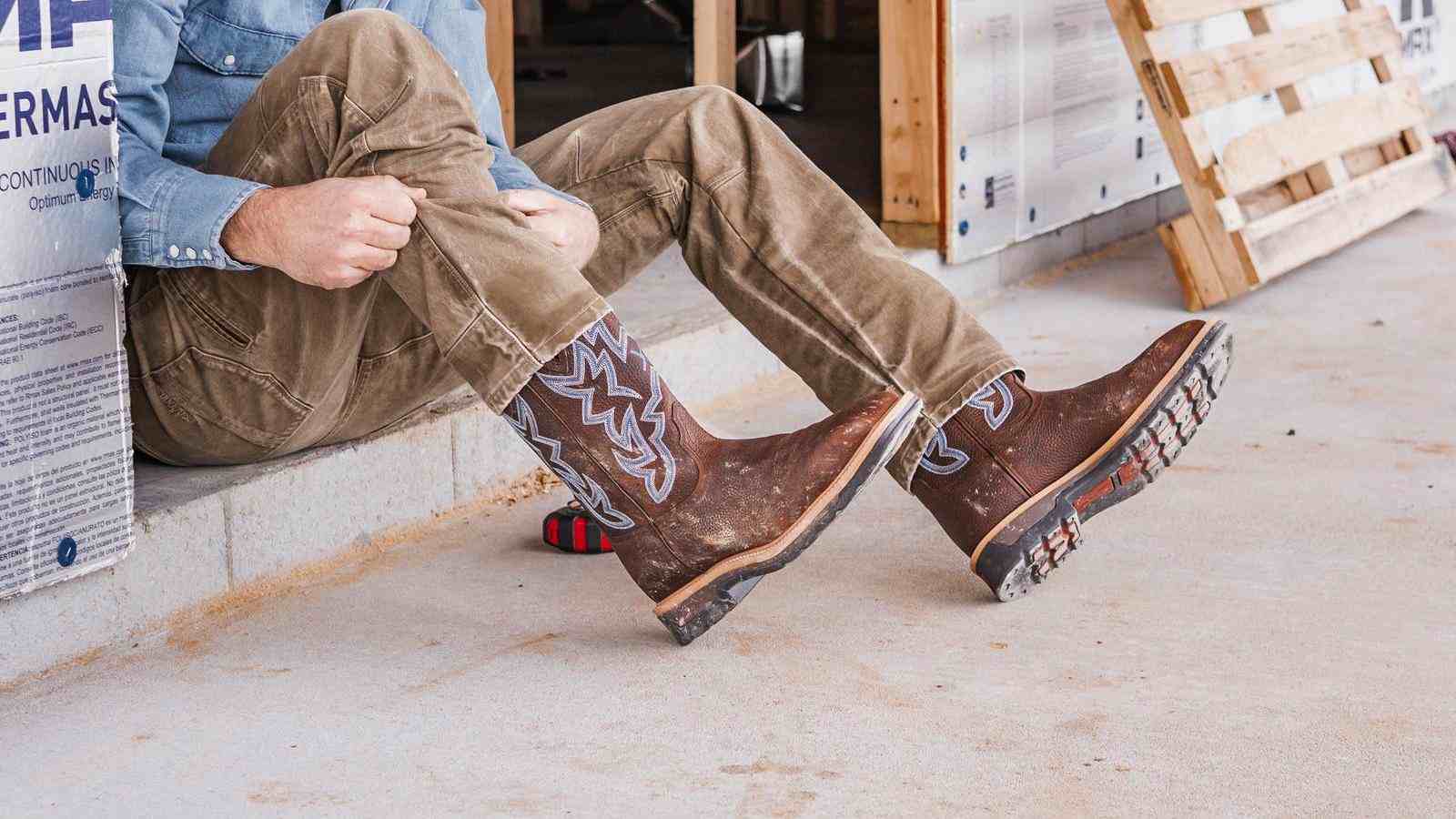
Personal experience: lessons from the trail
I’ve hiked short desert loops in cowboy boots and longer forest sections in hybrid boots. My real lessons are practical and plain.
- First lesson: break in boots at home, not on a steep trail.
- Second lesson: traction matters more than style on wet rocks.
- Third lesson: sock choice can make or break a day of hiking.
One time I hiked three miles in a new pair of cowboy boots. My feet hurt after one mile. I learned to pack proper hiking shoes on every trip. That experience shaped how I answer are cowboy boots good for hiking to others now.
Buying guide: choosing cowboy boots that hike better
If you plan to hike sometimes, pick features that reduce risks. This helps you make smart choices.
- Look for a block or roper heel rather than a high riding heel.
- Choose a wider toe box to avoid pinched toes.
- Seek boots with rubberized lug soles for better grip.
- Pick full-grain leather that can be treated and resists water.
- Try boots with a comfortable insole or add aftermarket support.
These choices won’t substitute for a true hiking boot, but they improve your odds if you ask are cowboy boots good for hiking.
Care and maintenance after trail use
Good care extends boot life and trail performance. Keep it simple.
- Clean mud off quickly with a brush and damp cloth.
- Dry slowly at room temperature; never use direct heat.
- Condition leather monthly if you hike often.
- Re-sole when tread wears thin to restore grip.
Proper maintenance keeps leather from cracking. It also ensures cowboy boots serve you longer on easy trails.
PAA-style questions (quick answers)
What should I wear under cowboy boots for hiking?
- Wear moisture-wicking, cushioned hiking socks to reduce blisters and add comfort.
Can cowboy boots handle wet conditions?
- Not well; untreated leather soaks and smooth soles slip on wet surfaces.
Are roper boots better for trail use than classic cowboy boots?
- Yes. Roper boots have lower heels and flatter soles, which help with balance and traction.
How long can I hike in cowboy boots comfortably?
- Short hikes under two hours on easy terrain are realistic. Longer hikes cause fatigue and pain.
Should I carry spare shoes if I hike in cowboy boots?
- Always. Pack lightweight hiking shoes for worse terrain or longer routes.
Frequently Asked Questions of are cowboy boots good for hiking
Are cowboy boots designed for hiking?
Cowboy boots are designed for riding and ranch work, not hiking. They focus on heel shape and toe design for stirrup use, not trail traction or cushioning.
Can I hike a mountain trail in cowboy boots?
You can on short, easy sections, but mountain trails often need grip and ankle support. For steep, rocky routes, choose hiking boots instead.