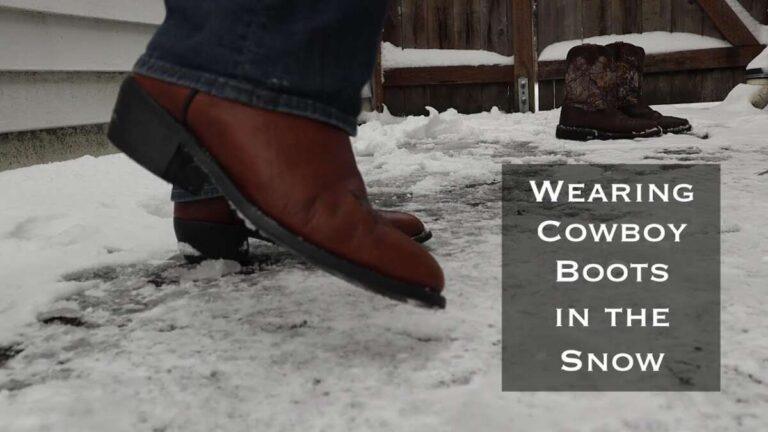
Yes, cowboy boots can work in light snow with treatment, but they are not ideal for icy or deep winter conditions.
I’ve spent years testing footwear in cold weather and guiding people on practical choices. This article breaks down whether cowboy boots are good for snow with clear, evidence-based points. You will learn what helps, what hurts, and when to pick another boot. Read on for hands-on tips, common mistakes, and real-world advice you can use today.

How cowboy boots perform in snow
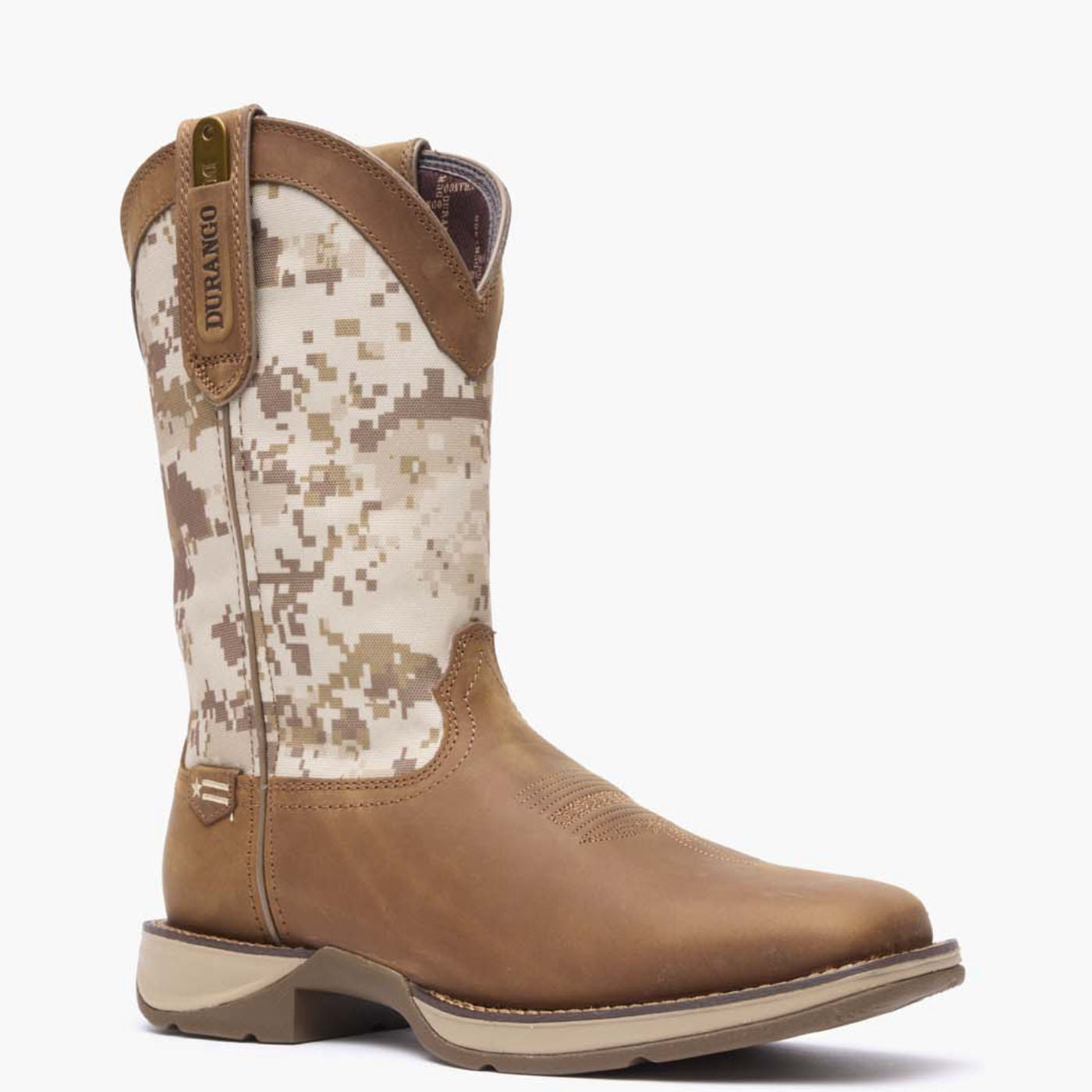
Cowboy boots are built for riding and ranch work. They often have a smooth leather shaft and a taller heel. That design helps on horseback but affects winter grip and warmth. In light, dry snow cowboy boots can be adequate. They keep water out for short trips when treated. On packed snow or ice they lose traction quickly. In deep or wet snow they let cold and moisture in at the top if not sealed.
Key performance points to watch:
- Traction: Many cowboy soles are smooth or slightly treaded and slip on ice.
- Insulation: Standard cowboy boots have thin liners and can feel cold fast.
- Waterproofing: Untreated leather absorbs moisture over time.
- Heel: The higher heel can dig into packed snow, which helps in some tasks but hinders balance.
If you ask, are cowboy boots good for snow, the short answer is: sometimes, with limits. They are not a one-size-fits-all winter boot. Practical tweaks can improve them, but know their limits first.

Key factors that affect whether cowboy boots are good for snow
Several details decide if cowboy boots will serve well in snowy weather. Knowing these helps you pick or prep boots properly.
Materials and construction
- Full-grain leather: More durable and resists water better than suede.
- Rubber or lug sole: Adds grip and helps with wet snow.
- Welt construction: Goodyear welts are easier to resole and more weather tight.
Shaft height and fit
- Taller shafts block some snow from entering.
- A snug fit reduces heat loss and prevents rubbing.
Sole and heel profile
- Flat leather soles slip on ice.
- A rounded or rubber lug sole gives better grip.
- A cowboy heel can help on stirrups but hurts stability on slopes.
Insulation and lining
- No lining or thin leather chills faster.
- Wool or synthetic linings trap heat better.
Care and treatment
- Waterproofing sprays and wax can reduce absorption.
- Insoles and heat-retaining socks add warmth.
When you evaluate cowboy boots for snow, prioritize grip, waterproofing, and warmth. Those factors change a boot from usable to risky in winter.

How to make cowboy boots work in snow
You can improve cowboy boots for winter if you follow practical steps. These upgrades keep feet warm and reduce slips.
Waterproof and protect
- Apply a high-quality leather wax or cream every few weeks.
- Use a spray waterproofing product for seams and stitching.
Improve traction
- Add rubber heel and sole protectors at a shoe repair shop.
- Use slip-on traction cleats for icy walks.
Add insulation
- Use thick wool socks or thermal liners.
- Add removable insoles with foam or wool for extra warmth.
Seal the shaft
- Tuck pant legs into boots or use gaiters to keep snow out.
- Treat the top seam area with seam sealer where needed.
Routine care
- Dry boots slowly at room temperature after wet use.
- Condition leather to avoid cracking.
These steps won’t make cowboy boots true winter boots. But they make them safer and more comfortable for short trips, light snow, or casual outdoor tasks.

When cowboy boots are not a good choice for snow
There are clear situations where cowboy boots are a poor pick. Avoid them in these conditions.
Deep, wet snow
- Water soaks the leather and reaches your socks fast.
Icy surfaces
- Smooth soles have low friction and risk falls.
Long outdoor work
- Thin insulation leads to cold feet and poor circulation.
Steep or unstable terrain
- The cowboy heel reduces balance and increases slip risk.
If you need warmth, long walks, or traction, choose boots designed for snow. Knowing when cowboy boots fail keeps you safe and comfortable.

Alternatives to cowboy boots for snowy weather
If cowboy boots are not suitable, consider other footwear types. Each option fits a different need.
Insulated winter boots
- Thick liners and waterproof membranes for long exposure.
Hiking boots with insulation
- Rugged soles and ankle support for hikes and uneven ground.
Duck boots
- Rubber lower and leather upper for slushy, wet days.
Snow boots with lug soles
- Designed for ice and deep snow, with aggressive traction.
Work boots with insulation
- Built for heavy outdoor labor with warmth and durability.
These alternatives often outperform cowboy boots in cold, wet, or icy conditions. Choose based on terrain and time spent outdoors.

Personal experience and real-world tips
I’ve worn cowboy boots in winter for years. I grew up around ranch work and later tested boots in a range of cold conditions. My take is practical and honest.
What worked for me
- Treated full-grain leather boots with added rubber soles handled light snow well.
- Wool socks and a quality insole kept my feet warm on short jobs.
- Traction cleats were lifesavers on icy driveways.
Mistakes I made
- Wearing untreated leather in slush led to soggy boots and cold toes.
- Choosing a smooth leather sole for a long walk caused a bad slip.
Practical tips I give friends
- Reserve cowboy boots for short outdoor tasks or dry, shallow snow.
- Prep boots before winter and check soles for wear.
- Carry a backup pair of winter boots for heavy snow days.
From hands-on use, I can say that are cowboy boots good for snow depends on the boot type and prep. With care, they work sometimes. Without care, they can fail you.
Frequently Asked Questions of are cowboy boots good for snow
Are cowboy boots good for snow and winter walking?
Cowboy boots can work for short, casual winter walks in light snow if treated for water and fitted with better soles. For long walks or icy paths, choose a winter boot with traction.
Can I add traction to cowboy boots for snow?
Yes. You can add rubber soles at a cobbler or use slip-on traction devices for ice. These fixes improve safety but do not turn cowboy boots into heavy-duty snow boots.
Do cowboy boots keep my feet warm in snow?
Standard cowboy boots are not well insulated and can feel cold quickly. Adding thermal insoles and wool socks helps, but insulated boots perform better for long exposure.
How should I waterproof cowboy boots for snow?
Use a wax-based conditioner or a waterproofing spray made for leather, and treat seams. Reapply regularly and dry the boots gently after they get wet.
Are cowboy boots better than winter boots for light ranch work in snow?
For short ranch tasks in light snow, treated cowboy boots can be fine because they offer protection and ease of movement. For prolonged or deep-snow work, insulated and waterproof winter boots are safer and more comfortable.
Conclusion
Cowboy boots can be good for snow in limited cases. They work for short trips, light dry snow, and ranch tasks when they are treated, fitted properly, and paired with the right insoles and socks. They are not ideal for ice, deep snow, or long exposure without upgrades. If you own cowboy boots, prep them now: waterproof, add rubber, and pack a backup winter boot. Try these changes, test them on a safe day, and leave a comment about your experience or questions.

Rubel Miah is the Senior Editor at MyStyleGrid.com, where he brings a sharp editorial eye and an unshakable love for fashion to everything he does. A true style addict, Rubel lives and breathes trends, from streetwear to high fashion, and has a knack for turning inspiration into impactful stories. With years of experience in fashion journalism and digital media, he curates content that empowers readers to express themselves through style. When he’s not editing features or forecasting the next big thing, you’ll find him hunting down vintage pieces or capturing street style moments around the city.