Logger boots can work for short, rough hikes but are not ideal for long trails or technical terrain.
I’ve spent years testing boots and hiking varied trails. I know what hikers need: grip, fit, weight, and ankle support. This article answers are logger boots good for hiking with clear, practical guidance. Read on to learn when logger boots shine, when they fall short, and how to adapt them if you already own a pair.

What are logger boots?
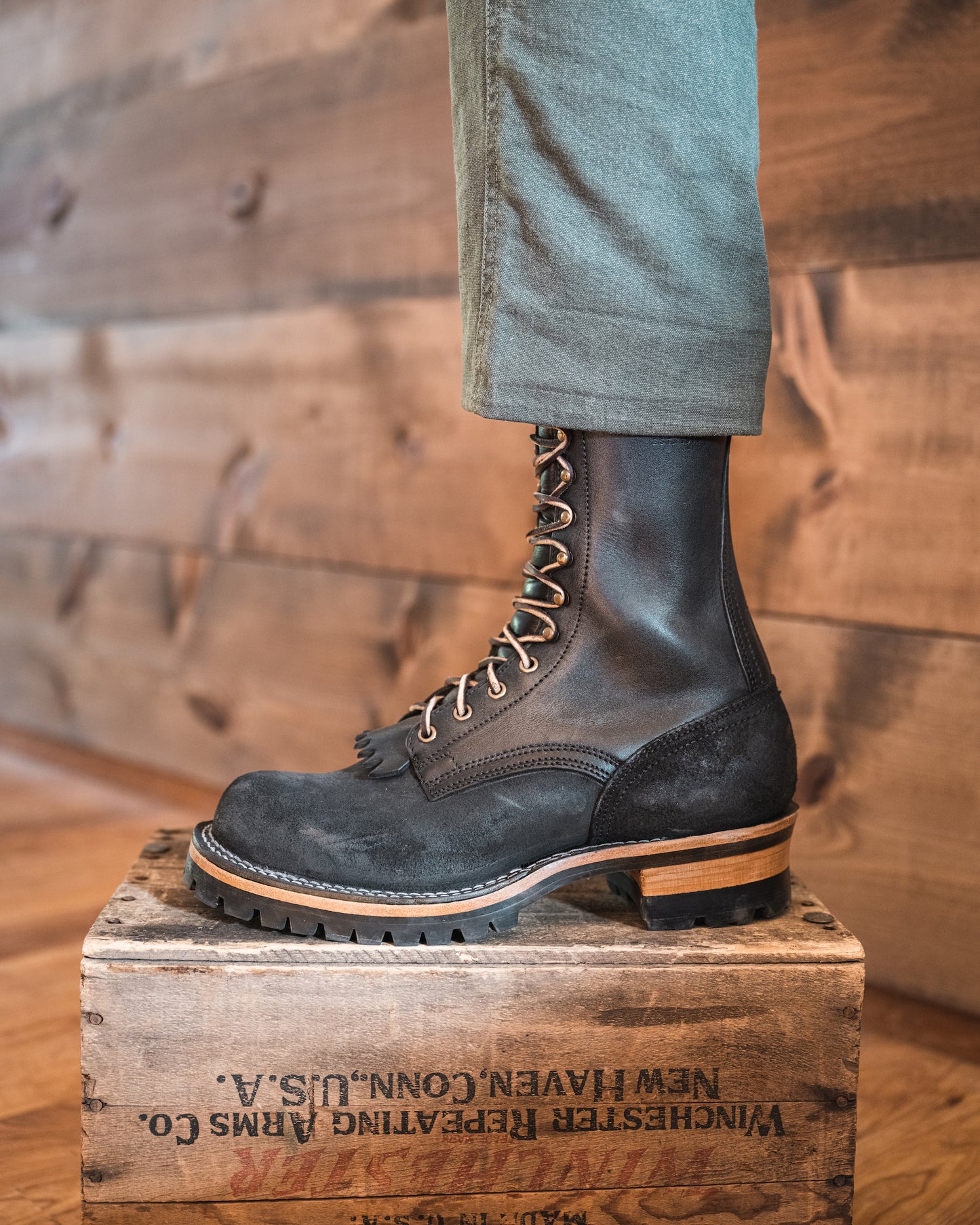
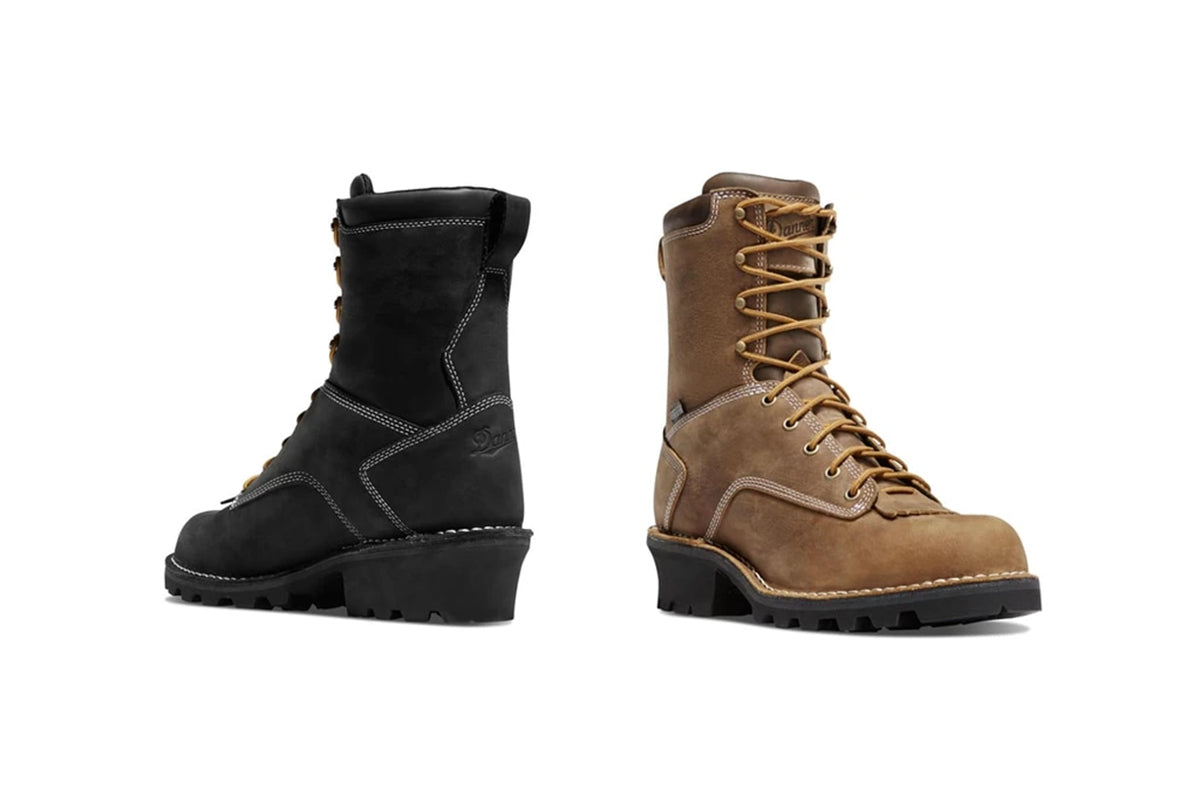
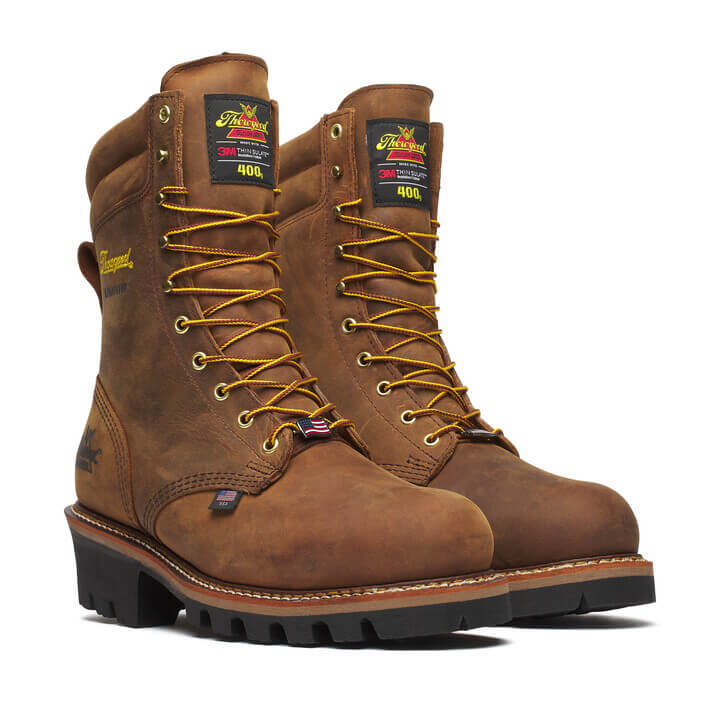
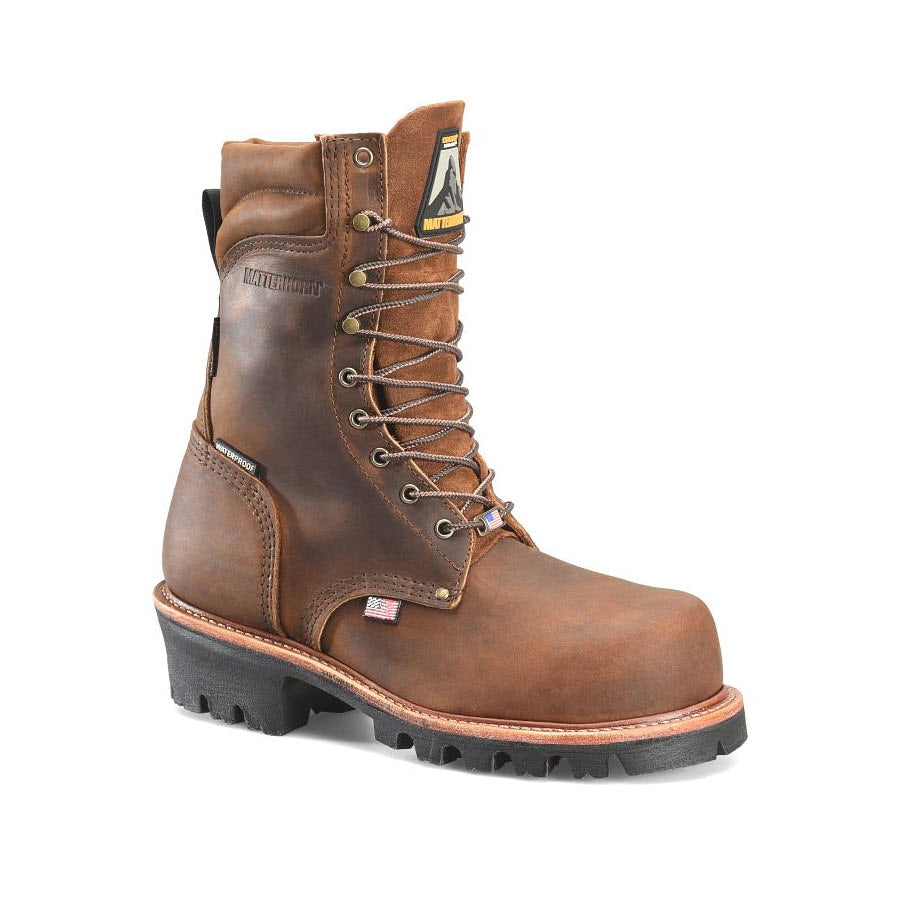
Logger boots are heavy-duty boots made for timber work. They have high shafts, steel or composite toes, and deep lug soles built to cut into mud and soft ground. These boots aim to protect the foot and ankle during logging, not to save weight or improve speed on long hikes. Many models are waterproof and rugged. This construction affects comfort and performance on trails.
Key features of logger boots that matter for hiking
Logger boots bring several features hikers care about. Below are the main traits and how they translate to trail use.
- High shaft for strong ankle support and protection against debris.
- Deep lugs for traction in mud and soft ground.
- Thick leather or rubber for durability and water resistance.
- Heavier weight than purpose-built hiking boots.
- Stiffer soles that can reduce foot fatigue on long walks.
Understanding these traits helps you decide if logger boots fit your hiking goals. If you pick logger boots, focus on fit and break-in time.

Pros of using logger boots for hiking
Logger boots offer clear benefits on certain hikes. They can be a smart choice in the right conditions.
- Excellent ankle protection on bushy, overgrown trails.
- Good traction in muddy or wet logging roads and riverbanks.
- Durable build that resists cuts, punctures, and rough use.
- Often waterproof, keeping feet dry in wet conditions.
- One pair can serve for both work and short hikes, saving gear cost.
If you hike short routes or need tough boots for wet, rough terrain, logger boots can be very useful.
Cons and limitations for hikers
Logger boots also bring drawbacks that matter on long or technical hikes.
- Heavy weight increases fatigue on long distances.
- Bulky fit reduces agility on rocky or steep trails.
- Stiff soles offer less comfort and feedback on uneven ground.
- Poor breathability can make feet sweat on warm hikes.
- Less cushioning and a less ergonomic fit than hiking boots.
If you plan long day hikes or multi-day treks, the downsides can add up fast.

Logger boots vs hiking boots: a clear comparison
Comparing logger boots and hiking boots helps answer are logger boots good for hiking based on your needs.
-
Weight
- Logger boots: heavier, built for protection.
- Hiking boots: lighter, built for comfort and distance.
-
Traction
- Logger boots: deep lugs good in mud.
- Hiking boots: versatile traction for rock and dirt.
-
Support and fit
- Logger boots: rigid ankle support, may feel bulky.
- Hiking boots: designed for toe-room, flex, and foot shape.
-
Durability and protection
- Logger boots: excel in cut and puncture resistance.
- Hiking boots: balance durability with comfort.
Use this comparison to match your boot choice to trail conditions and trip length.

When are logger boots a good choice for hiking?
Logger boots work best in certain situations. They can be the right tool when conditions demand them.
- Muddy trails, river crossings, and logging roads where lugs bite in.
- Short hikes near work sites for hikers who already own logger boots.
- Seasons with heavy rain or snow where waterproofing matters.
- Routes with thick brush, branches, or risk of foot injuries.
For long, technical, or hot-weather hikes, consider switching to hiking-specific boots or trail runners.
How to make logger boots better for hiking
If you plan to hike in logger boots, small upgrades improve comfort and performance.
- Fit the right size and account for thick socks and foot swell.
- Add a quality insole for arch support and cushioning.
- Replace heavy laces with lighter, secure lacing systems to fine-tune fit.
- Break them in over short walks to soften stiff leather.
- Use gaiters to keep debris out and add comfort.
These tweaks narrow the gap between logger boots and hiking boots.

Care and maintenance for long life
Proper care keeps logger boots safe and hike-ready. Simple steps extend comfort and performance.
- Clean mud and grit after each hike to protect materials.
- Condition leather to prevent cracking and maintain waterproofing.
- Re-sole or repair lugs before they fail on a trip.
- Check hardware like eyelets and hooks for wear.
- Store dry and at room temperature to avoid damage.
Well-cared-for boots perform better and reduce the risk of blisters and injuries.
Personal experience and tested tips
I’ve used logger boots on wet ridge walks and muddy access roads. They kept my feet safe from sharp debris. The deep lugs gripped river-adjacent soil well. But on long, rocky hikes my feet felt tired and hot. Switching to a cushioned insole helped a lot. My key lessons:
- Break them in gradually. Don’t hike 10 miles first time.
- Use thin liner socks and one cushioned sock to reduce bulk.
- If hiking all day, carry lighter shoes as backup.
These tips come from field use on mixed terrain. They help you avoid common mistakes.
Buying and packing recommendations
When choosing logger boots for hiking use, focus on these points.
- Try boots later in the day when feet are slightly swollen.
- Choose a fit with a thumb’s width at the toe and secure heel hold.
- Buy boots with replaceable soles if you want long-term value.
- Pack blister care, spare socks, and a lighter shoe for long hikes.
- Test boots on short hikes before committing to long trips.
Smart buys and smart packing make logger boots more practical on the trail.
Related concepts and alternatives
If logger boots aren’t the best match, consider alternatives that solve the same problems.
- Waterproof hiking boots for a balance of protection and comfort.
- Work-hiking hybrids that blend durability with lighter weight.
- Trail runners for fast, long, and hot hikes where weight matters.
- Gaiters paired with hiking boots to handle brush and mud.
Match footwear to trip style, terrain, and weather for the best result.
Frequently Asked Questions of are logger boots good for hiking
Are logger boots comfortable for long hikes?
Logger boots can be comfortable once well broken in and fitted with good insoles, but they are heavier and stiffer than hiking boots, which can cause fatigue on long hikes.
Can you use logger boots for muddy and wet trails?
Yes, logger boots often have deep lugs and waterproofing that work well on muddy and wet trails, making them a solid choice in those conditions.
Do logger boots provide enough ankle support for steep terrain?
Logger boots provide strong ankle protection, but their stiffness can limit ankle mobility needed on steep, technical terrain, making specialized hiking boots a better choice for those routes.
Will logger boots cause blisters?
New logger boots or a poor fit can cause blisters. Proper sizing, breaking in, and quality socks reduce the risk significantly.
Are logger boots better than hiking boots for bushwhacking?
Logger boots can be better for bushwhacking because of their protection against cuts and deep lugs for soft ground, but they may slow you down on rough or rocky terrain.
Conclusion
Logger boots can be good for hiking in specific situations: short treks, muddy trails, and routes where protection matters more than speed. They are not ideal for long-distance hikes or hot conditions where weight and breathability are the priority. If you already own logger boots, break them in, add good insoles, and use them on the right trails. If you seek comfort for long outings, invest in hiking-specific footwear.
Try one test hike with the changes suggested here. Share your experience or questions below, and consider subscribing for more gear tips and field-tested advice.

Rubel Miah is the Senior Editor at MyStyleGrid.com, where he brings a sharp editorial eye and an unshakable love for fashion to everything he does. A true style addict, Rubel lives and breathes trends, from streetwear to high fashion, and has a knack for turning inspiration into impactful stories. With years of experience in fashion journalism and digital media, he curates content that empowers readers to express themselves through style. When he’s not editing features or forecasting the next big thing, you’ll find him hunting down vintage pieces or capturing street style moments around the city.