Aim for about a thumb's width (roughly 1/2 inch) of space in front of your longest toe.
I’ve worn bad shoes long enough to know that getting toe space right changes comfort, performance, and foot health. This article explains how much toe room in shoes you need, how to measure it, why it matters for different shoe types, common problems from too little or too much space, and practical buy-and-fit tips. I draw on hands-on shoe fitting experience, runner feedback, and foot-health guidance to give you clear, trustworthy steps you can use today.

Why toe room matters
Toe room affects comfort, balance, and foot health. Too little space can pinch toes and cause blisters, bunions, or black toenails. Too much space lets your foot slide, which leads to friction, instability, and foot pain. Getting the right toe room helps your gait feel natural and keeps the toes from hitting the shoe during walking or sport.
Good toe room also helps temperature regulation and reduces pressure on bunions and hammertoes. Athletes and hikers who ignore toe space often see problems after miles. Knowing how much toe room in shoes you need prevents those issues and makes shoes last longer.

How much toe room is ideal
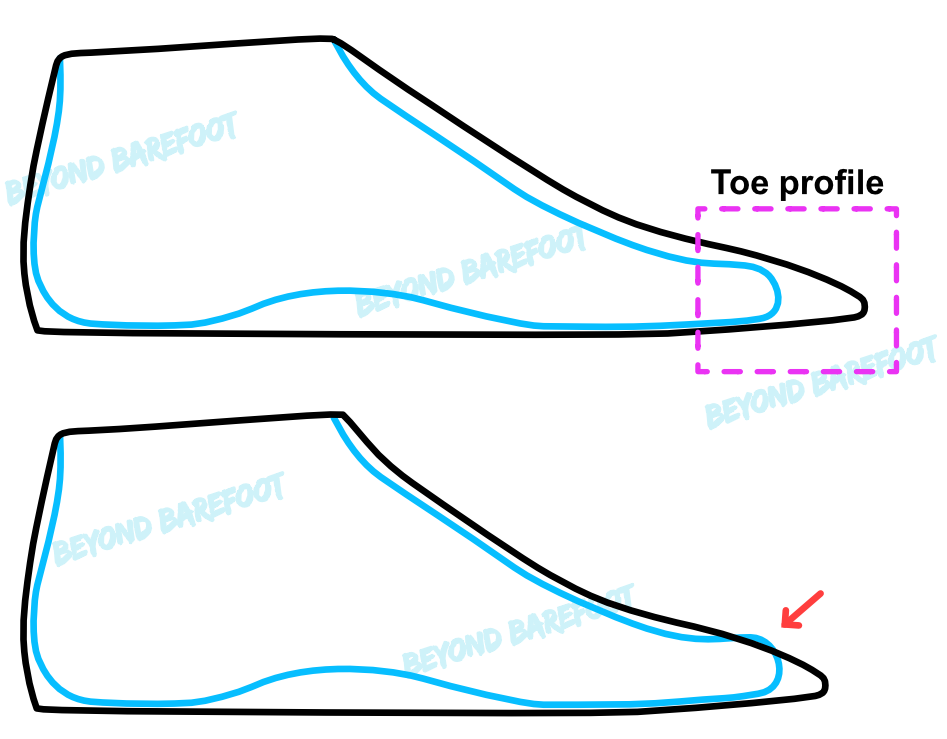
Most experts and fitters recommend about a thumb’s width of space. That is roughly 1/2 inch (12–13 mm) from the tip of your longest toe to the inside front of the shoe. For many people, that equals about one to two finger widths.
Consider these simple rules:
- If you run or hike, add a bit more space to stop toes from hitting on descents.
- For dress shoes or tight styles, stick to the 1/2 inch rule but choose a shape that matches your foot.
- Kids need extra space for growth; allow more than the adult thumb width.
How much toe room in shoes varies by activity. For running shoes, aim for 1/2 to 3/4 inch. For daily casual shoes, 1/2 inch is usually fine. For snug fashion shoes, the space can be less, but that often brings trade-offs in comfort and foot health.

How to measure toe room at home
Measuring toe room is quick. Use these steps:
- Place a sheet of paper on a hard floor and stand on it with your full weight.
- Mark the heel and the tip of your longest toe.
- Measure the full foot length from mark to mark.
- Subtract your foot length from the internal length of the shoe. The difference is toe room.
If you don’t want to measure, try the thumb test: put a thumb horizontally between the end of your longest toe and the shoe toe box while standing. If your thumb fits comfortably, you likely have the right toe room.
Do this check late in the day. Feet swell a bit after activity. Measuring when feet are largest helps avoid buying shoes that get too tight by evening.
Types of shoes and toe room differences
Different shoes need different toe room. Here’s a quick guide:
- Running shoes
- Need extra toe room for forward foot movement and swelling.
- Aim for 1/2 to 3/4 inch of toe space.
- Walking and casual shoes
- Aim for about 1/2 inch to allow comfort and normal foot movement.
- Boots and hiking shoes
- Leave 1/2 to 3/4 inch, especially if you hike downhill. Thicker socks need more space.
- Dress shoes and loafers
- Often narrower. Try to keep near 1/2 inch while choosing a shape that fits your toe spread.
- Slip-ons and boat shoes
- Fit should prevent sliding; 1/4 to 1/2 inch may be typical, but only if they grip your heel well.
Knowing how much toe room in shoes each type needs helps you pick the right pair. Foot shape, arch height, and sock thickness also matter.

Common problems from the wrong toe room
Too little toe room can cause:
- Blisters from friction on toes
- Black toenails from repeated impact
- Ingrown toenails and corns
- Worsening of bunions and hammertoes
Too much toe room can cause:
- Heel slippage and instability
- Increased friction and blisters
- Poor toe push-off and reduced control
If you notice numb toes, steady pain, or repeated blisters in the same spot, check your toe room. Often a small change in fit fixes the problem.

Tips for buying and adjusting fit
Follow these practical steps when buying shoes:
- Shop later in the day when feet are a bit swollen.
- Wear the socks you will use with the shoe (thin for dress, thick for hiking).
- Try shoes on both feet and walk for several minutes.
- Use the thumb test and the paper measure method.
- Consider half sizes or different widths rather than forcing a shoe.
- Use insoles or thinner socks to reduce space; use heel pads or thicker socks to reduce slippage.
- Stretching or professional shoe stretching helps with tight toe boxes, but it won’t save a poorly sized shoe.
If you order online, check the return policy and have a ruler handy for quick verification when the shoes arrive.
Personal experience: mistakes and lessons
Early in my running days I ignored toe room. I bought shoes that fit in the shop but felt tight after long runs. I got two black toenails and a month off from running. After that I learned to buy shoes with extra toe space for runs and to recheck fit after a 5–10 minute jog.
A lesson I often share: never force a shoe into comfort by breaking it in too much. If the toe box feels cramped on first try, it probably won’t improve much. I now keep a simple measuring routine and always test shoes with movement. That small habit saved me time, money, and foot pain.

PAA-style quick questions
What is the easiest way to check toe room at home?
- Stand on paper, trace foot, and measure heel-to-toe length. Compare with the shoe’s internal length or use the thumb test.
Should toes touch the front of the shoe?
- No. Toes should have small space. Direct contact causes rubbing and injuries.
Does toe room differ for wide feet?
- Yes. Wide feet need a wider toe box and may require more space across toes to avoid compression.

Frequently Asked Questions of how much toe room in shoes
How much toe room should a running shoe have?
A running shoe should allow about 1/2 to 3/4 inch of space from the longest toe to the toe box. This prevents hitting the front of the shoe during descents and accounts for foot swell.
Can too much toe room cause blisters?
Yes. Excess space can let the foot slide and rub, which causes friction blisters. The key is a balanced fit with secure heel hold.
How do I measure toe room without tools?
Stand on paper, trace your foot, and measure the longest toe to the heel with a ruler. Compare that to the inside length of the shoe or use the thumb test for a quick check.
Is toe room different for dress shoes?
Dress shoes often have less toe room and a narrower shape. Try to keep about 1/2 inch if possible and pick a toe shape that matches your foot.
How much toe room for kids’ shoes?
Kids need more space to grow. Leave at least 3/4 inch so they have room for development and natural toe spread.
Conclusion
Getting the right toe room is a small step with big payoff. Aim for about a thumb’s width for most shoes, measure regularly, and match space to the activity and shoe type. My top tip: test shoes with movement and wear the socks you plan to use. That habit will save comfort and prevent injuries.
Take action today: measure your current shoes, check the toe room, and adjust your next purchase based on the simple tests here. Share your fit story in the comments or subscribe for more practical shoe-fit advice.

Rubel Miah is the Senior Editor at MyStyleGrid.com, where he brings a sharp editorial eye and an unshakable love for fashion to everything he does. A true style addict, Rubel lives and breathes trends, from streetwear to high fashion, and has a knack for turning inspiration into impactful stories. With years of experience in fashion journalism and digital media, he curates content that empowers readers to express themselves through style. When he’s not editing features or forecasting the next big thing, you’ll find him hunting down vintage pieces or capturing street style moments around the city.