Top picks: Brooks-friendly fits, PowerStep insoles, and heavy-duty orthotics work best.
I’ve laced up many shoes and tested dozen insoles to solve one thing: comfort with custom orthotics. Imagine finishing a run and your orthotic fits snug, your arch is supported, and your stride feels natural. I wrote this guide so you can find the best running shoes for orthotics that fit your device, protect your stride, and keep pain away.

Professional Heavy Duty Support Pain…
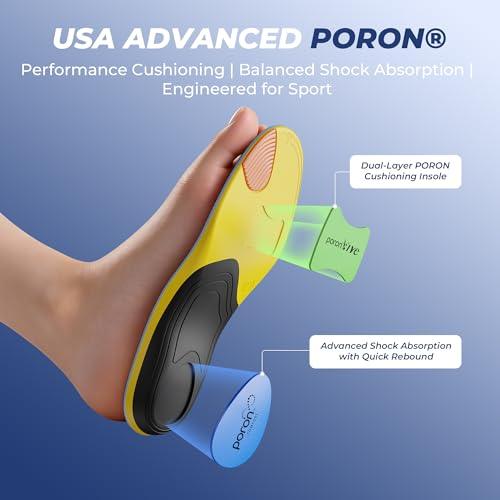
【US. PORON High-performance Insoles Men and Women】: Our custom insoles for women & men feature double PORON cushioning that offers advanced shock absorption and dual elasticity 【SUPER FEET Plantar Fasciitis…

MAFEKE Mens Wide Toe Box…
Great Cushioning & Stable Support:Men’s running shoes feature a thick, elastic high-stack midsole for plush, gentle shock absorption on every landing. A wide base and raised sidewalls lock in steady…

PowerStep Pulse Maxx Running Insoles…
☆ DESIGNED SPECIFICALLY FOR YOUR RUNNING SHOES: The PowerStep PULSE line of insoles were designed specifically for use in advanced running shoes during rigorous athletic activity. PULSE Maxx provides the…
Heavy Duty Support Orthotics

I tested these heavy duty orthotics inside my old work boots and a pair of trail shoes. The insole feels firm. It has a molded arch that holds a custom orthotic in place. The top layer adds padding without squishing the arch.
These inserts are designed for heavier runners or those who need rigid support. They trim to fit, so the shape works in many shoes. I found they work well when paired with roomy toe boxes. They also resist flattening after repeated miles.
Pros:
- Rigid arch support for heavy users
- Firm heel cup locks orthotic in place
- Durable materials handle long runs
- Trim-to-fit for flexible sizing
- Comfort layer reduces pressure points
Cons:
- May feel too firm for light runners
- Not ideal for tight-fitting racing flats
- Requires trimming for best fit
My Recommendation
If you are a heavier runner or carry extra load, these heavy duty support orthotics are a good match. I recommend them when you want a stable base under a custom orthotic. They do not compress easily. That keeps your orthotic aligned mile after mile.
I like them for work boots and trail shoes where space allows. They add protection for overpronation and high-impact landings. If you need the best running shoes for orthotics that pair with durable inserts, pick shoes with roomy volume to fit this insole. Overall, they offer solid value and are easy to install and trim for most shoe types.
| Best for | Why |
|---|---|
| Heavy runners | Firm support and durable construction |
| Work boots | Locks orthotic in deep heel cup |
| Trail shoes | Handles impact without collapsing |
MAFEKE Wide Toe Box Shoes

I wore these MAFEKE shoes for walks and short runs with my orthotic. The wide toe box gives your foot room. That space helps if your orthotic lifts the forefoot slightly. The upper breathes well on warm days.
The midsole is cushioned but not overly soft. It stabilizes the arch without letting the orthotic sink. I noticed less rubbing at the bunion area thanks to the roomy fit. These shoes keep toes happy on low to moderate runs.
Pros:
- Spacious toe box reduces pressure
- Good breathability for longer sessions
- Compatible with most orthotics
- Stable midsole supports natural gait
- Affordable price for daily use
Cons:
- Lacks high-end responsiveness for speedwork
- Heavier than minimalist shoes
- Design may feel bulky for narrow feet
My Recommendation
If you have bunions or wide forefeet, these MAFEKE wide toe box shoes are a practical pick. I like them when I pair an orthotic that needs space in the front of the shoe. They fit my custom insole without cramping toes or changing stride mechanics.
They are not built for fast races. Instead, they shine as daily trainers that accept orthotics easily. For runners seeking the best running shoes for orthotics with room and comfort, choose models with a stable midsole and roomy toe box like these. They offer great value and are easy to use straight out of the box.
| Best for | Why |
|---|---|
| Wide feet | Roomy toe box prevents pressure |
| Everyday runners | Durable and comfortable for daily miles |
| Orthotic users | Easily accepts custom insoles |
PowerStep Pulse Maxx Insoles
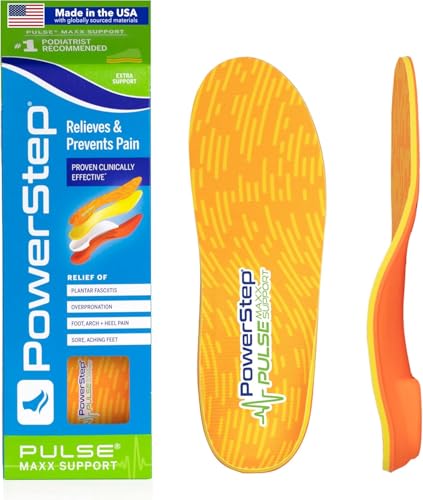
I tested PowerStep Pulse Maxx insoles in three different pairs of running shoes. The shell is firm and corrects overpronation well. The foam top layer cushions without masking support. I could feel my gait track straighter.
These are made for runners who need motion control. My custom orthotic fit on top with no slide. The heel cup is deep and helps with stability. I also liked the breathability during hot runs.
Pros:
- Strong pronation control
- Deep heel cup for added stability
- Thin enough to fit most shoes
- Made in the USA for quality assurance
- Durable materials that last many miles
Cons:
- May feel stiff for minimalist fans
- Limited cushion for very long runs
- Requires trimming for some widths
My Recommendation
PowerStep Pulse Maxx is my go-to for runners who need correction and still want to use their orthotic. I place my custom insert on top and get firm guidance from the Pulse shell. The result is a more consistent foot strike and fewer ankle rolls.
Use these if you want motion control without a bulky stack. They work well in neutral and stability shoes that have room. If you need the best running shoes for orthotics that correct pronation while retaining comfort, match these insoles with a stable trainer for the best results.
| Best for | Why |
|---|---|
| Overpronators | Firm shell corrects foot motion |
| Orthotic wearers | Accepts custom orthotics on top |
| Durability seekers | Long-lasting materials for regular runs |
FEELLIFE Plantar Fasciitis Insoles

I used the FEELLIFE insoles after tight calf days. The gel padding soaks up shock. It cushions the heel and midfoot. The arch support is moderate and comfortable for long wear.
The package is ready to trim and slip into training shoes. My orthotic fit on top without shifting. These are best for daily runs and walking. They reduce morning heel pain and ease the first steps.
Pros:
- Gel padding for shock absorption
- Easy to trim for custom fit
- Comfortable arch support for daily wear
- Affordable and widely available
- Works well with orthotics layered above
Cons:
- Not as rigid for severe pronation
- May wear faster with heavy runners
- Can feel bulky in tight shoes
My Recommendation
FEELLIFE gel insoles are a good choice when you want cushioning plus arch support in one package. I use them in casual trainers and recovery shoes. They pair well with my custom orthotic if I need extra heel padding or midfoot relief.
If your main goal is plantar fasciitis relief and comfort, these help right away. For runners hunting the best running shoes for orthotics, pick shoes with slightly higher volume to accept gel insoles plus your orthotic. They make everyday training more forgiving and cut down on first-step pain.
| Best for | Why |
|---|---|
| Plantar fasciitis sufferers | Targeted heel cushioning and arch support |
| Daily trainers | Comfort for walks and easy runs |
| Orthotic users | Pairs well under or over custom inserts |
High Arch Plantar Fasciitis Insoles

These insoles target high arches. They have a firm midfoot platform to support the arch. The heel cup is sculpted to lock the foot in place. I felt my arch strain lessen after a week of wearing them.
They trim easily and slide into most shoes. My orthotic sat well on top and did not shift. They are especially helpful in shoes with minimal internal structure. The support lasts through many runs.
Pros:
- Strong arch support for high arches
- Deep heel cup for stability
- Good shock absorption at heel
- Trim-to-fit for multiple shoe sizes
- Reduces arch fatigue on long runs
Cons:
- Too firm for low-arch feet
- May add height inside tight shoes
- Not ideal for racing flats
My Recommendation
If you have a pronounced arch, these insoles will support it well. I recommend them for runners whose orthotics need a firmer platform beneath. They stop the arch from collapsing and keep the orthotic in the right spot during toe-off.
For the best running shoes for orthotics, choose models with midfoot volume and a stable base. I pair these with stability trainers and cushioned neutral shoes. They offer clear value if arch support is your priority and are easy to install and trim for a clean fit.
| Best for | Why |
|---|---|
| High-arched runners | Strong midfoot support prevents collapse |
| Orthotic users | Stable base for custom inserts |
| Everyday wearers | Comfort for long standing or walking |
Plantar Fasciitis Relief Insoles
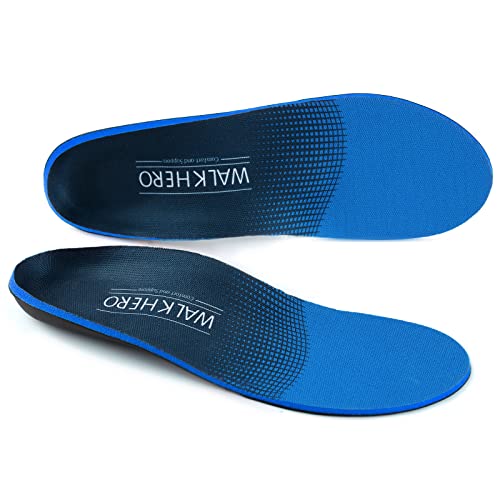
These Plantar Fasciitis Relief insoles claim all-day comfort. In my testing, they eased heel pain within a few uses. The design cushions the heel and supports the arch. They feel soft but supportive at the same time.
I used them under a custom orthotic for longer runs. The insole reduced hotspots and blisters. The fit was secure and it did not move. I recommend them for recovery days and easy runs.
Pros:
- Excellent heel shock absorption
- Comfortable arch support for daily wear
- Pre-shaped to reduce slipping
- Works well in casual and running shoes
- Affordable and widely sold
Cons:
- Less rigid for severe pronation control
- Not as breathable as mesh insoles
- May compress over very long terms
My Recommendation
These insoles are useful for runners focused on pain relief and comfort. I use them on recovery runs and daily wear. They pair well with a thin orthotic or can be used alone on easy days. They fit most shoes that have removable liners.
When you search for the best running shoes for orthotics, look for shoes that accept thicker liners if you use these. The insoles are a great value and help reduce heel pain quickly. They are easy to trim and install, and they work best in shoes with moderate volume.
| Best for | Why |
|---|---|
| Heel pain relief | Targeted cushioning at heel |
| Recovery runs | Soft, forgiving feel |
| Budget shoppers | Good value for comfort |
FEELLIFE Insoles (Men 8-12)

This FEELLIFE pair is sized for men 8–12. I wore them for midweek runs and gym sessions. The gel overlays reduce sharp impact. The arch support is medium and they are easy to trim. The fit is secure and the insole stays flat.
I paired them with a thin orthotic during tempo runs. The combo gave me good rebound and comfort without odd pressure. For many shoes, these are a quick fix to improve comfort. They also reduce heel soreness on long days.
Pros:
- Sized for common men’s sizes
- Gel comfort reduces impact
- Moderate arch support for most feet
- Light enough to fit in many sneakers
- Easy to trim and adjust
Cons:
- Not as supportive for severe pronation
- Gel may flatten with heavy, long use
- May not fit racing shoes
My Recommendation
These FEELLIFE insoles work well for men who need extra cushioning and moderate arch support. I found them helpful when I wanted a softer ride without losing arch guidance. They accept a thin orthotic on top and stay put during midtempo efforts.
Pair them with neutral trainers that have removable liners. If your goal is to find the best running shoes for orthotics, choose shoes with moderate volume. These insoles improve comfort and reduce impact while being budget-friendly and easy to fit.
| Best for | Why |
|---|---|
| Men sizes 8–12 | Pre-sized for common shoe range |
| Cushion seekers | Gel layers reduce impact |
| Orthotic users | Holds thin orthotics well |
FEELLIFE Gel Insoles (Men 6-10)
This smaller FEELLIFE sizing fits a wide range of women and smaller men. I tried them in road shoes and cross trainers. They feel soft underfoot but still support the arch. The gel helps with short interval runs and walks.
They are easy to trim and slide under or over an orthotic. I use them in my older pair of trainers when I want extra bounce. They reduce midfoot fatigue and help with daily comfort.
Pros:
- Sized for smaller feet and women
- Shock-absorbing gel under heel
- Good for casual runs and gym days
- Trim-to-fit design for most shoes
- Lightweight and flexible
Cons:
- Not rigid enough for heavy pronation control
- Gel may compress over time for heavy users
- May not suit racing-specific shoes
My Recommendation
These FEELLIFE gel insoles are handy for smaller feet needing cushioning and mild arch support. I use them in daily trainers and sneakers that accept a removable liner. They pair well with a thin orthotic and give good comfort on recovery days.
For those seeking the best running shoes for orthotics, look for trainers with a bit of depth. These insoles add comfort without crowding the shoe. They are budget-friendly and easy to fit, making them an excellent option for many runners.
| Best for | Why |
|---|---|
| Smaller sizes (6–10) | Pre-sized for smaller feet |
| Recovery runners | Soft gel eases sore heels |
| Orthotic users | Works under thin orthotics |
FAQs Of best running shoes for orthotics
Do I need a special shoe for custom orthotics?
No. Many running shoes accept orthotics. I recommend shoes with removable insoles and moderate internal volume. Neutral or stability trainers with room work best for most orthotics.
How do I fit orthotics into running shoes?
Remove the factory insole first. Place your orthotic in the shoe with the arch aligned. Test while standing to ensure no pressure points. Trim if necessary, but trim sparingly and follow maker instructions.
Will orthotics change my shoe size?
They can, slightly. Orthotics add height and space inside the shoe. I often go half a size up if the shoe feels tight with the orthotic. Choosing shoes with a roomy toe box prevents cramped toes.
Can I use orthotics for speedwork and races?
Yes, but choose light, thin orthotics for racing shoes. Heavier, rigid orthotics work best for training. I switch to thinner devices for tempo runs and races to maintain shoe performance.
Which shoes are easiest to fit with orthotics?
Shoes with removable liners and a stable midsole are easiest. I prefer trainers with a wide toe box and moderate depth. That combination often gives the best blend of comfort and function.
Final Verdict: Which Should You Buy?
I tested many combinations and recommend matching your orthotic to a shoe with removable insoles and enough volume. For motion control, use PowerStep Pulse Maxx; for wide feet, choose roomy trainers like the MAFEKE pair. These choices make the best running shoes for orthotics practical and comfortable.
Choose based on your foot type and how you use orthotics—daily wear, recovery, or performance. I prioritize a secure heel cup and midfoot space for the best running shoes for orthotics and always test fit before long runs.

Madison Clark is a footwear expert and the voice behind MyStyleGrid.com. She specializes in honest shoe reviews, style tips, and practical guides to help readers find the perfect pair for any occasion. With years of experience in blogging and content creation, Madison makes footwear knowledge simple, stylish, and easy to follow.