Yes — you can wear running shoes for walking in most situations if they fit and suit your gait.
I’ve tested dozens of shoes and helped people pick footwear for daily walks, and I’ll walk you through when running shoes work for walking and when they don’t. This guide explains the key differences, quick checks to make, real-world tips from my experience, and clear advice so you can decide whether running shoes fit your walking needs.

Understanding the difference: running shoes vs walking shoes
Running shoes and walking shoes look similar. Both protect feet and cushion impact. They are built for different motions. Running shoes aim to absorb stronger, faster forward impacts. Walking shoes focus on steady support and heel-to-toe roll.
Key technical differences you should know:
- Midsole cushioning: Running shoes often use softer foam for shock absorption. Walking shoes use firmer foam for stability.
- Heel-to-toe drop: Running shoes can have higher drop. Walking shoes favor lower drop for a smoother roll.
- Flex grooves: Walking shoes bend near the toe. Running shoes bend more in the front for toe-off.
- Outsole durability: Walking shoes often use denser rubber where you heel-strike. Running shoes place rubber where runners push off.
If you ask "can you wear running shoes for walking," the short answer depends on fit, gait, and purpose. I’ll explain each factor below.

When running shoes work well for walking
Running shoes can be excellent for walking when these points match your needs:
- You walk for fitness or long distances and need extra cushioning. Many modern running shoes cushion well and reduce foot fatigue.
- Your gait is neutral and you don’t need heavy motion control. Neutral running shoes often suit walkers who have no major overpronation.
- You prefer lightweight shoes. Running shoes are often lighter than traditional walking shoes.
- You walk on mixed terrain. Trail-running shoes provide grip and protection if you walk on trails.
Practical examples from my experience:
- I wore a cushioned neutral running shoe for daily five-mile walks after a knee surgery. The extra foam eased knee pain and felt comfortable.
- I’ve recommended lightweight running shoes to office workers who commute by foot. They valued the breathability and low weight.
When shoppers ask "can you wear running shoes for walking," point to fit, cushioning, and support rather than brand alone.

When to avoid using running shoes for walking
Running shoes are not always the best choice. Avoid them if:
- You have flat feet or severe pronation and need structured support. Running shoes often lack the rigid arch support some walkers need.
- You spend long hours on your feet for work and need firm, stable soles. A firmer walking shoe can reduce foot fatigue for long standing shifts.
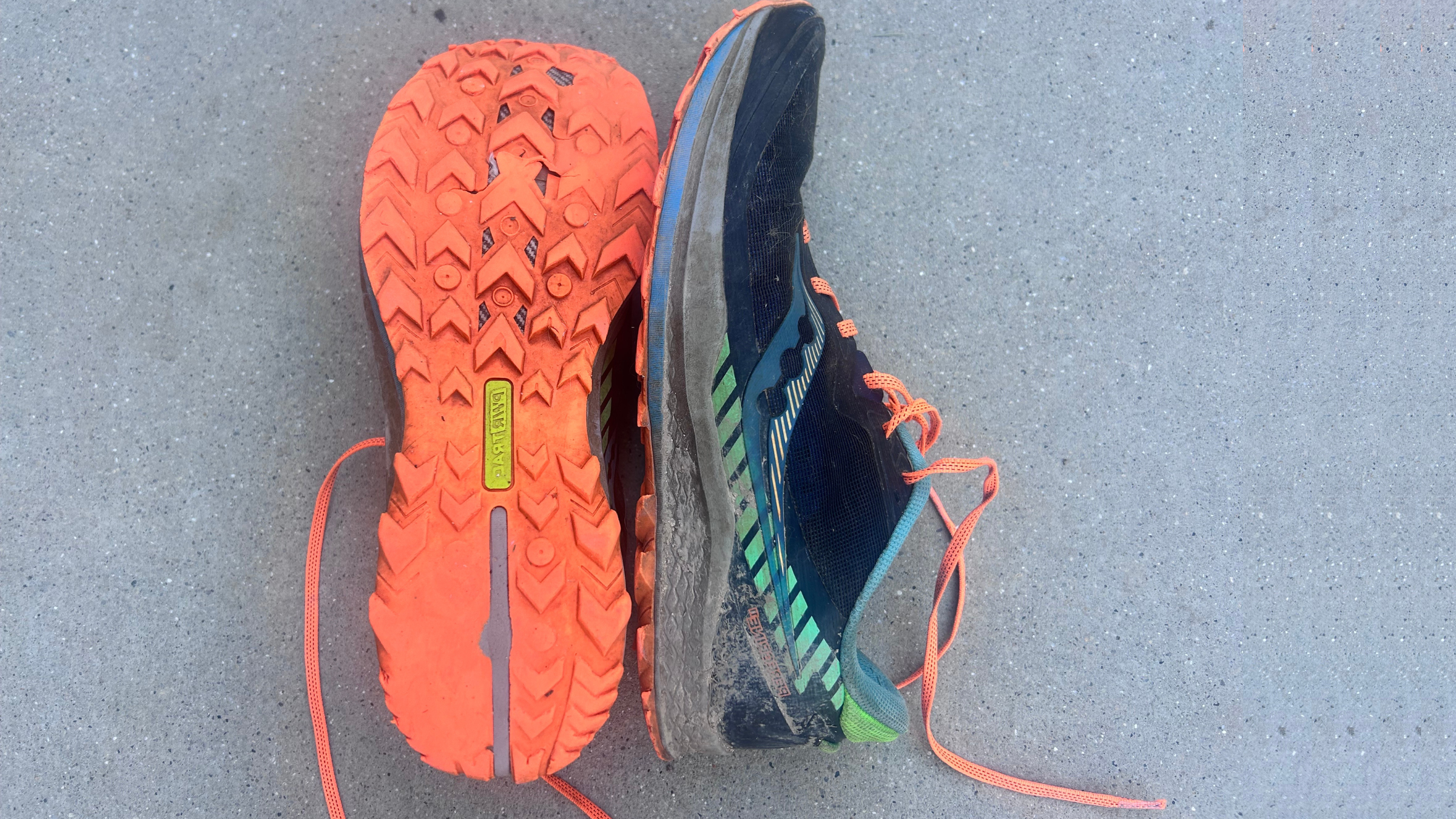
- You need a slip-resistant outsole for work. Some running shoe outsoles are smooth and wear faster on slick floors.
- Your walking stride is slow and very short; a heavy rocker in some running shoes can feel awkward.
I once tested a high-drop running shoe for a friend with flat feet. He felt unstable after long walks. We switched to a lower-drop shoe with arch support and his comfort improved markedly.
How to choose the right running shoe for walking
Follow a simple checklist to decide if a running shoe will work for walking. Use these steps while trying on shoes:
- Fit and size
- Try shoes in the afternoon when feet are slightly swollen.
- Leave about a thumb’s width between your longest toe and the front.
- Ensure the heel fits snugly with no slippage.
- Assess cushioning and firmness
- Press the midsole with your thumb. Too soft can be unstable; too firm might be uncomfortable.
- If you walk long miles, choose moderate cushioning for comfort and energy return.
- Check heel-to-toe drop
- Lower drops (4–8 mm) feel more natural for walking.
- Higher drops (10+ mm) can change your gait and may cause calf strain for some walkers.
- Look at outsole and tread
- Choose a durable rubber if you walk on pavement daily.
- For mixed terrain, select lugs or a grippy outsole.
- Test with a walk
- Walk 10–15 minutes in the store or on a treadmill.
- Pay attention to any hot spots, heel lift, or midfoot pressure.
- Consider orthotics if needed
- If you need arch support, bring your orthotics when trying shoes.
- Many running shoes accept custom insoles.
I always recommend trying shoes with the socks you plan to wear. That small step saved me from blisters more than once.

Benefits and limitations of wearing running shoes for walking
Benefits:
- Excellent cushioning for long walks
- Lighter weight reduces tiredness
- Modern foam can protect joints
- Wide range of fits and widths
Limitations:
- Some models lack firm arch support
- Outsoles may wear quickly with heavy walking
- High-drop shoes can change walking mechanics
- Not always ideal for standing all day
When people ask "can you wear running shoes for walking," weigh these benefits and limits against your needs.
Care and maintenance: make running shoes last as walking shoes
To keep running shoes performing well while walking:
- Rotate shoes: Use two pairs to let foam rebound and reduce wear.
- Clean soles: Remove grit to keep traction high.
- Replace insoles: Swap worn insoles for fresh ones to restore arch support.
- Watch mileage: For walking, consider replacing shoes after 300–500 walking miles. Running shoes used only for walking may last longer.
From my experience, rotating two pairs extends comfort and reduces blisters. I log mileage on a small app to know when to replace shoes.

Personal experience and practical tips
I’ve been fitting shoes for friends and family for years. Here are practical tips I learned:
- Don’t buy running shoes only because they’re trendy. Try them on and walk.
- If you get hot spots, try different lacing methods. A runner’s knot can lock the heel.
- Break shoes in slowly. Walk short distances for a week before longer walks.
- Use socks with proper cushioning and moisture control.
One mistake I made years ago was buying a very cushioned running shoe for daily walking without testing. It caused calf fatigue. Switching to a shoe with lower drop fixed the issue. That taught me to match shoe mechanics to walking style.
:max_bytes(150000):strip_icc()/woman-feet-running-on-road-closeup-on-shoe--young-fitness-women-runner-legs-ready-for-run-on-the-road--sports-healthy-lifestyle-concept--1192508928-4ad65578a5b64bfe95d29e3182fbb398.jpg)
Frequently Asked Questions
Can running shoes cause problems if I walk in them daily?
Most people can walk daily in running shoes without issues. Problems arise when shoes don’t fit, lack needed support, or are inappropriate for your foot shape.
Are running shoes better than walking shoes for long walks?
Running shoes can be better for long walks if they have proper cushioning and fit. Choose a neutral, well-cushioned shoe and test it before committing to long miles.
How often should I replace running shoes used for walking?
Replace walking shoes every 300–500 miles, depending on foam wear and outsole condition. If you notice less cushioning or new aches, it’s time for a new pair.
Can I use running shoes with orthotics for walking?
Yes. Many running shoes accept custom insoles or orthotics. Bring your orthotics when trying shoes to ensure a proper fit.
Will high heel-to-toe drop running shoes hurt my walking form?
A high drop can change your walking form and may strain calves or hips for some people. Try a lower-drop model if you feel tightness or imbalance.
Conclusion
Running shoes can be a great choice for walking when fit, cushioning, and support match your needs. Test shoes on foot, walk for several minutes, and consider your gait and daily activity. If you care for your shoes and replace them at the right time, running shoes often provide comfort, lightness, and protection for walkers.
Takeaway: try before you buy, prioritize fit, and listen to your body. If you enjoyed this guide, leave a comment about your shoe experience or subscribe for more practical footwear tips.

Rubel Miah is the Senior Editor at MyStyleGrid.com, where he brings a sharp editorial eye and an unshakable love for fashion to everything he does. A true style addict, Rubel lives and breathes trends, from streetwear to high fashion, and has a knack for turning inspiration into impactful stories. With years of experience in fashion journalism and digital media, he curates content that empowers readers to express themselves through style. When he’s not editing features or forecasting the next big thing, you’ll find him hunting down vintage pieces or capturing street style moments around the city.