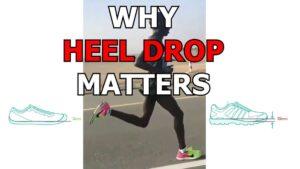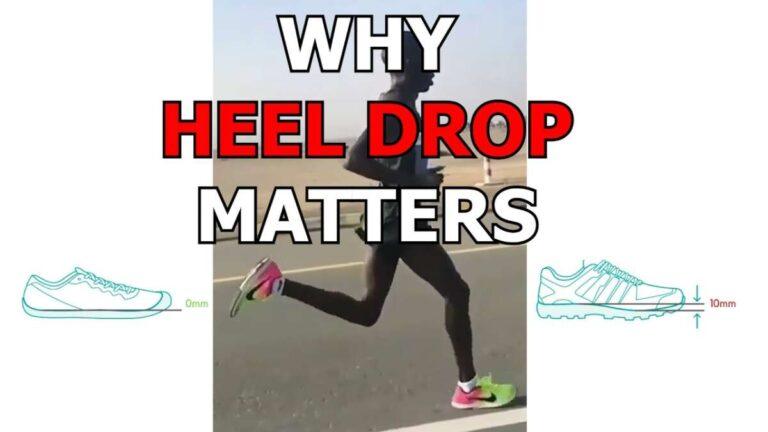
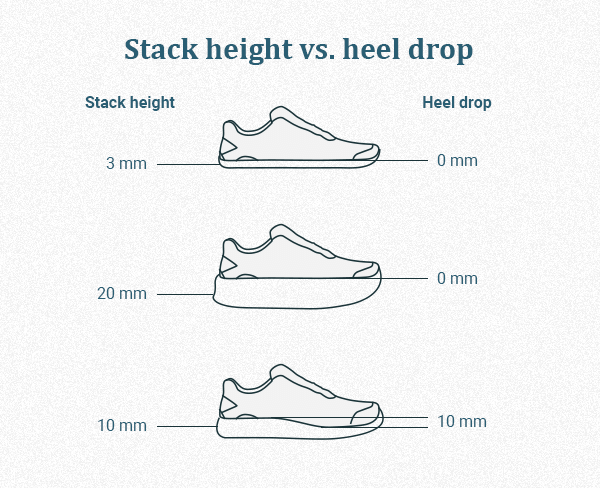
Drop in running shoes is the height difference in millimeters between heel and forefoot.
I’ve spent years testing shoes, coaching runners, and studying gait. I’ll explain what is drop in running shoes in clear, practical terms. You’ll learn how drop affects form, performance, and injury risk. I’ll share real tips I use with athletes and myself. Read on to make smarter shoe choices and run with more comfort and confidence.

What is drop in running shoes?
What is drop in running shoes refers to the vertical gap between the shoe’s heel stack and forefoot stack. It is usually given in millimeters. This number tells you how much higher your heel sits compared to your toes inside the shoe. Shoe makers call it heel-to-toe drop, heel rise, or simply drop.
Key points to understand:
- Measurement is the difference in stack height measured at the heel and forefoot.
- Common values range from 0 mm to 12+ mm.
- Drop affects foot angle, loading patterns, and where you feel impact while running.
How drop is measured and reported
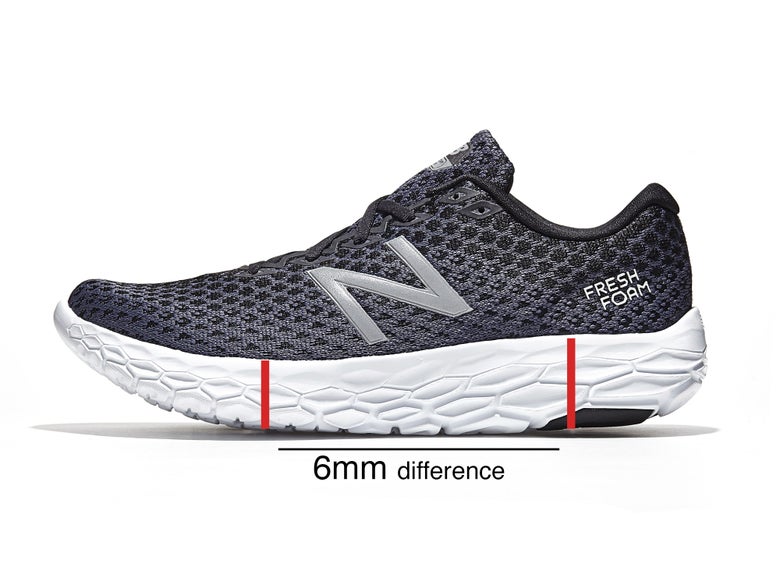
Brands measure stack height at two points. They measure the thickest part under the heel. Then they measure directly under the forefoot. The drop equals heel height minus forefoot height. Values are rounded to whole millimeters. Many brands list drop on product pages or tags. Note that reported drop can vary slightly between models.
Practical notes:
- Packaged drop numbers are approximate.
- Foam compression and insole thickness change real-world feel.
- Two shoes with the same drop can feel different due to midsole shape and cushioning.
Why drop matters: biomechanics, performance, and injury
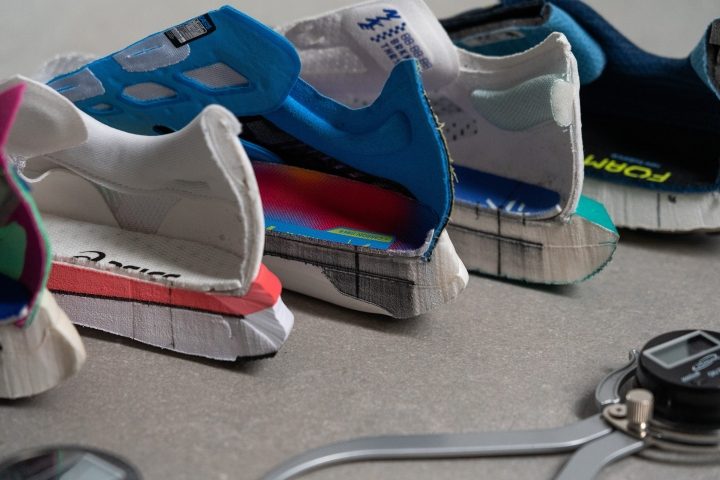
Drop changes your foot angle at contact. A higher drop tends to encourage heel striking. Lower drop can encourage midfoot or forefoot striking. That shift changes where muscles and tendons absorb load.
How drop can influence you:
- Running form: Lower drop often promotes a more natural forward lean.
- Muscle demands: Low drop increases calf and Achilles load.
- Injury patterns: Sudden changes in drop can trigger calf, Achilles, or plantar fascia pain.
- Speed and feel: Many racers prefer lower drop for a quicker toe-off.
I’ve seen runners switch to low-drop shoes and improve cadence and comfort. But I’ve also coached runners who developed calf soreness after a rapid switch. The takeaway: drop matters, but it is one factor among many.

Choosing the right drop for you
Choosing drop depends on history, goals, and comfort. There is no universal best number. Use these simple guidelines.
Quick selection guide:
- You heel-strike and want cushioning and a gentle ride: consider 8–12 mm.
- You are a neutral runner seeking balance: consider 4–8 mm.
- You prefer forefoot or midfoot striking, or want minimalist feel: consider 0–4 mm.
- You have Achilles or calf issues: avoid sudden drops to lower values without a plan.
Try before you buy:
- Test shoes on a short run.
- Notice where you feel the impact.
- Ask if the shoe lets you run with a relaxed stride.
Transitioning between drops safely
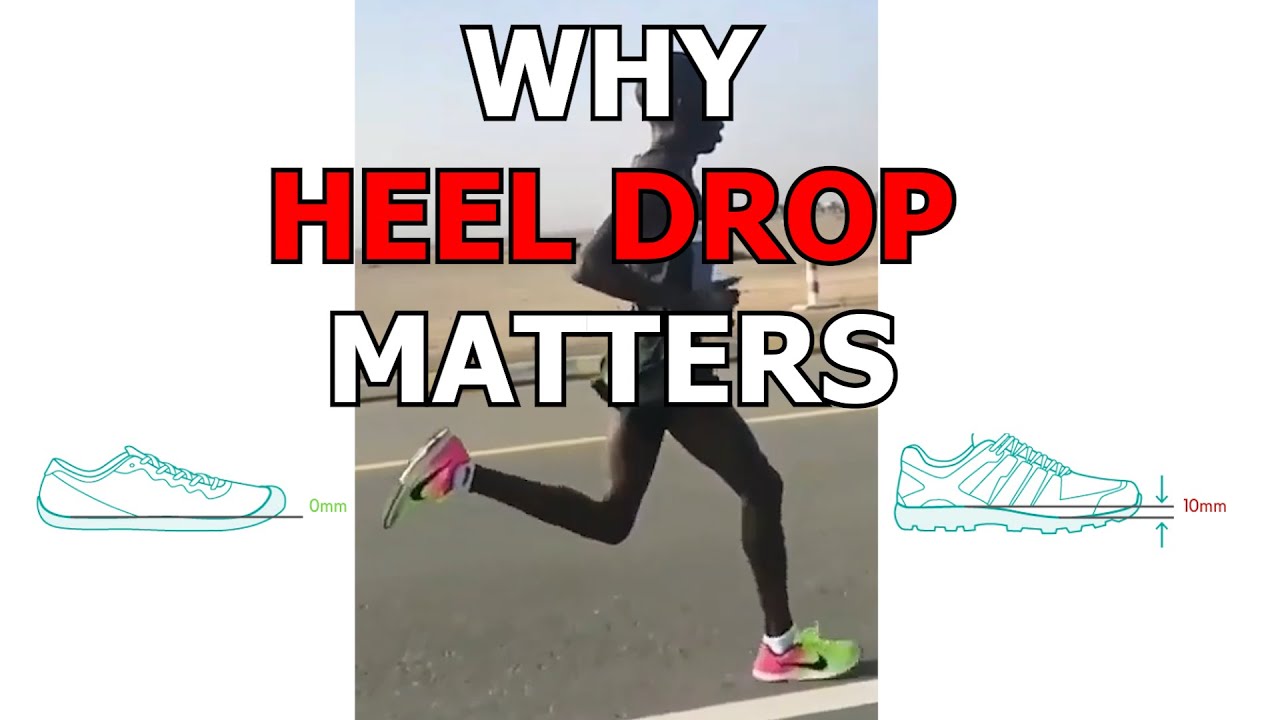
Switching drop needs a plan. Move gradually. That lowers injury risk. Here is a simple step plan I use with runners.
Step-by-step transition:
- Start with short runs in the new drop, about 10–20% of weekly miles.
- Add 5–10 minutes per run each week.
- Do calf and foot strengthening twice weekly.
- Keep cadence steady; aim for small step length reduction.
- Stop or back off if you feel sharp pain in calves or Achilles.
Patience pays off. A careful eight-week plan often avoids soreness and builds strength.
Common myths and limitations
There are strong opinions about drop. Here are common myths and the facts.
Myths and facts:
- Myth: Higher drop always prevents injury. Fact: It can reduce calf load but shift stress elsewhere.
- Myth: Zero-drop is best for everyone. Fact: Zero-drop suits some, but not all.
- Myth: The number alone defines fit. Fact: Midsole shape, flexibility, and stack height matter too.
Be honest with yourself about past injuries and comfort. Drop helps, but it does not cure all running problems.

People also ask
Below are common quick questions I hear from runners.
What is the ideal drop for beginners?
Most beginners benefit from a moderate drop, around 6–10 mm, for a forgiving ride while they build strength.
Does drop affect running speed?
Drop influences toe-off feel and cadence. Lower drop can feel quicker, but training and fitness matter more for speed.
Will a lower drop reduce knee pain?
Lower drop may change knee loading for some runners. Results vary and depend on individual gait and cause of pain.

Frequently Asked Questions of what is drop in running shoes
What is the difference between stack height and drop?
Stack height is total cushioning under a point on the foot. Drop is the difference between heel stack and forefoot stack. Both shape how a shoe feels.
Is a higher drop better for long runs?
A higher drop can feel more cushioned for heel strikers on long runs. But comfort and muscle strength matter more than the number alone.
Can I change my preferred drop after years of running?
Yes, you can change it. Do so slowly with a clear transition plan. Strength work helps the change.
How much drop is in minimalist shoes?
Minimalist shoes often range from 0 mm to 4 mm. They aim to give a flat, close-to-ground feel.
Will a big drop protect my Achilles?
A larger drop reduces initial calf stretch. It can ease Achilles strain short-term. Long-term strength and flexibility are still key.
How do I test if a drop suits me in a store?
Walk and jog a short distance. Notice ankle angle and where you feel contact. Pick the shoe that lets you run relaxed.
Do running coaches prefer specific drops?
Coaches prefer what helps the runner meet goals. Some favor modest drop for balance. Others pick drop based on gait and injury history.
Conclusion
Drop is a simple number with real effects on how you run. Understand what is drop in running shoes, measure changes slowly, and choose based on comfort, history, and goals. Test shoes, strengthen your calves, and transition gradually to avoid injury. Try one informed change next week and track how your body responds. If this helped, leave a comment, try a short transition plan, or subscribe for more shoe and running tips.

Rubel Miah is the Senior Editor at MyStyleGrid.com, where he brings a sharp editorial eye and an unshakable love for fashion to everything he does. A true style addict, Rubel lives and breathes trends, from streetwear to high fashion, and has a knack for turning inspiration into impactful stories. With years of experience in fashion journalism and digital media, he curates content that empowers readers to express themselves through style. When he’s not editing features or forecasting the next big thing, you’ll find him hunting down vintage pieces or capturing street style moments around the city.