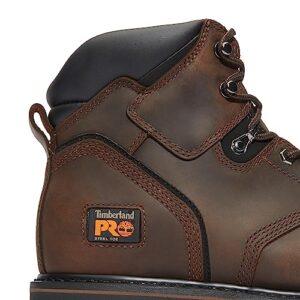
Non-marking shoes have soles designed to leave no scuff or black marks on indoor floors.
I have designed and tested footwear for years and worked in gyms and dance studios where floor care matters. In this article I will explain what are non marking shoes, how they work, where they matter, and how to choose and care for them. You will get clear tips, real-world lessons, and a simple buying checklist so you can pick the right pair with confidence.
What are non-marking shoes?
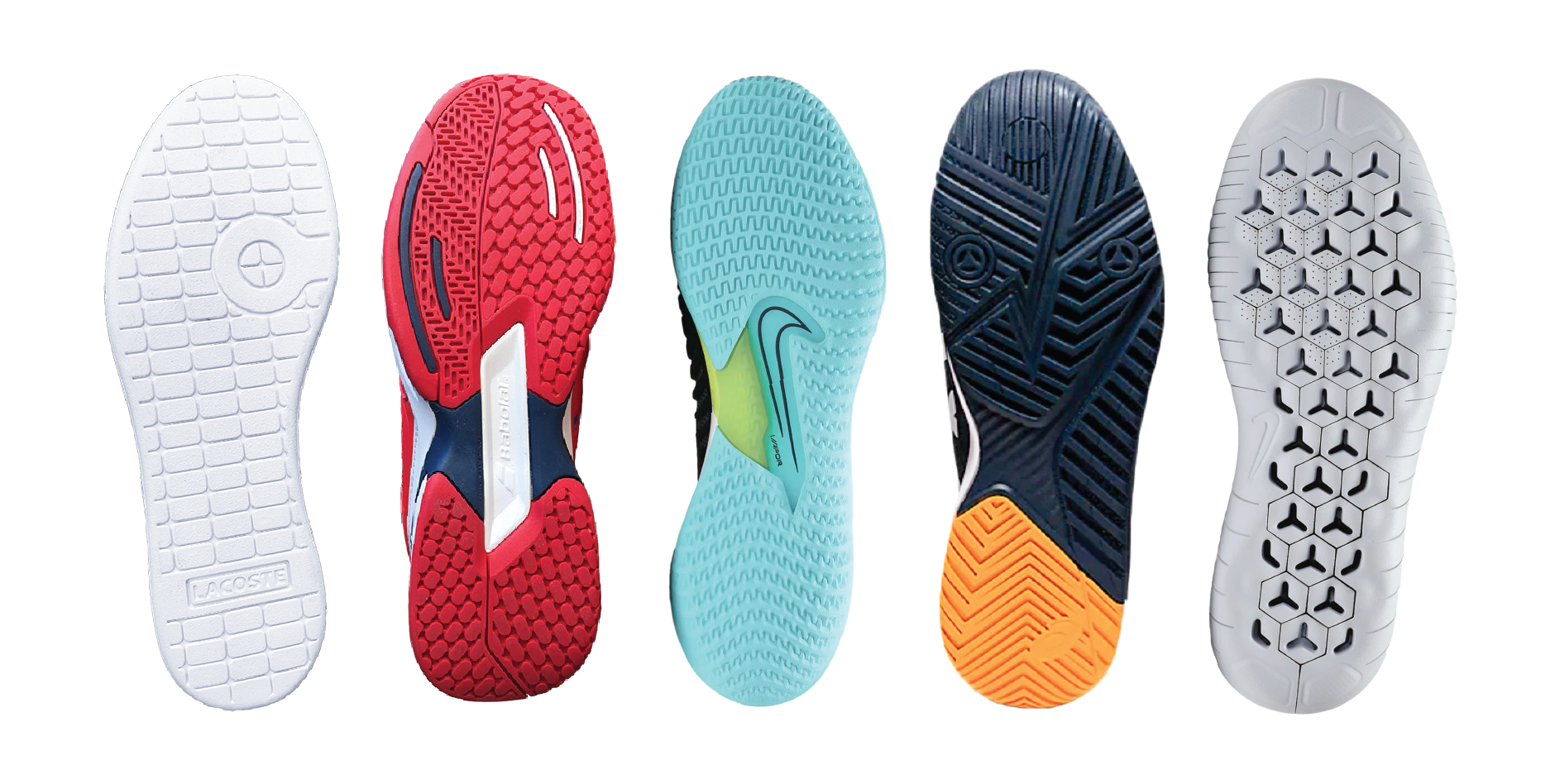
Non-marking shoes are footwear made so the sole does not leave black smudges, streaks, or scuffs on indoor surfaces. The term refers to the sole material and its interaction with smooth floors. What are non marking shoes means shoes built from softer or specially compounded rubber that resists depositing carbon or other pigments onto gym wood, tile, or vinyl.
Manufacturers label many styles as non-marking, but the label can vary by region. I explain how to tell the difference, what to expect in wear, and why it matters for facilities that care about floor finish and appearance.
How non-marking shoes work
Soles that don’t mark rely on material choice and design. Gum rubber and certain synthetic compounds have low pigment transfer. They keep carbon particles and black fillers from rubbing off on floors.
Key factors that make non-marking soles:
- Material composition. Soles made from natural gum rubber or light-colored synthetic rubber transfer less pigment.
- Shore hardness. Softer soles spread contact force and reduce concentrated abrasion that causes marks.
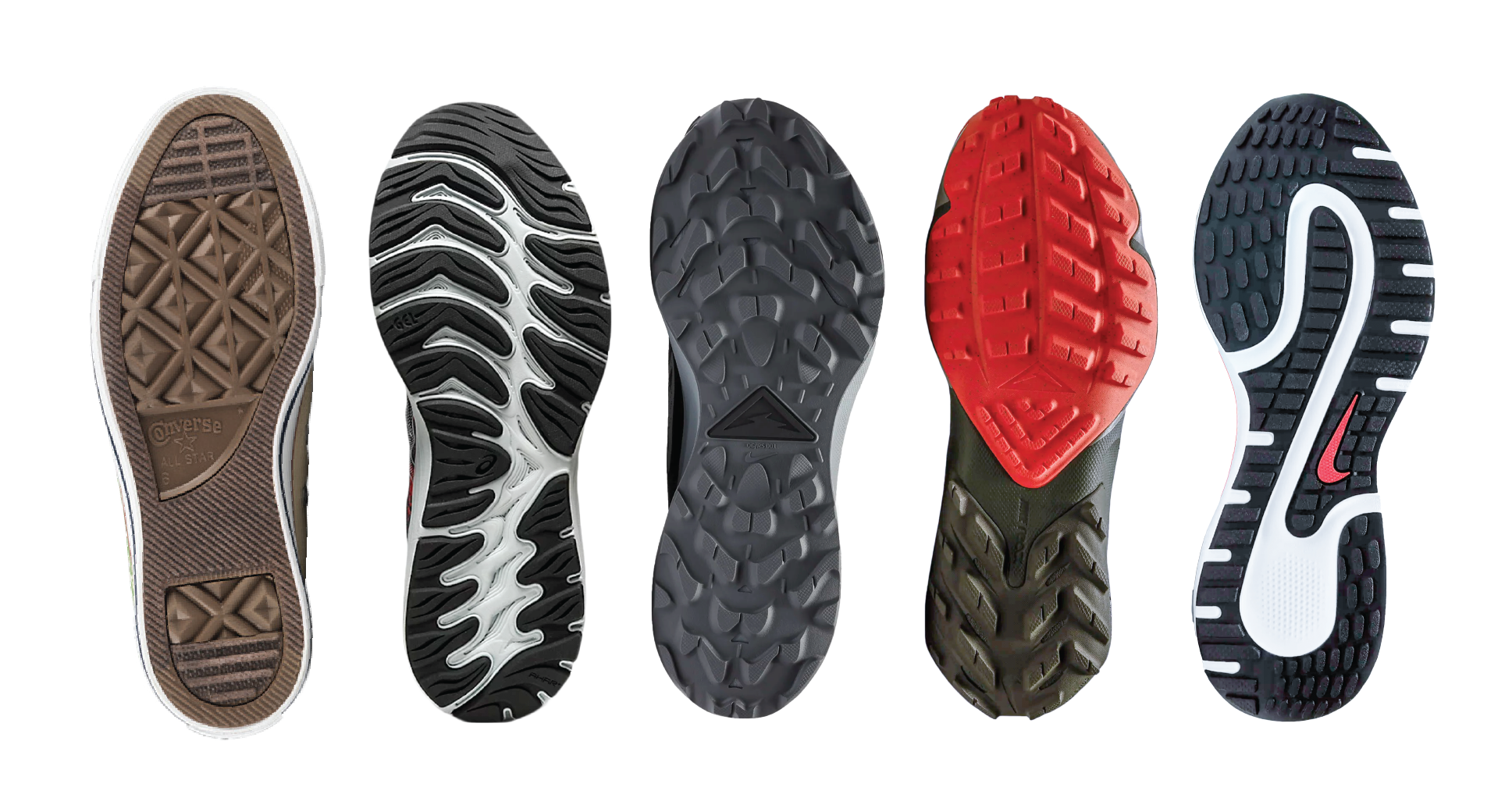
- Tread design. Smooth or shallow tread reduces trapping and extrusion of dark filler onto floor surfaces.
Do non-marking shoes also reduce slips?
- Many non-marking soles are also non-slip, but not always. Slip resistance depends on tread pattern and compound, not just marking behavior.
How are non-marking soles tested?
- Facilities and brands often rub a new sole on a clean white tile in the factory or store to check for marks. Industry labs measure abrasion and pigment transfer under controlled conditions.
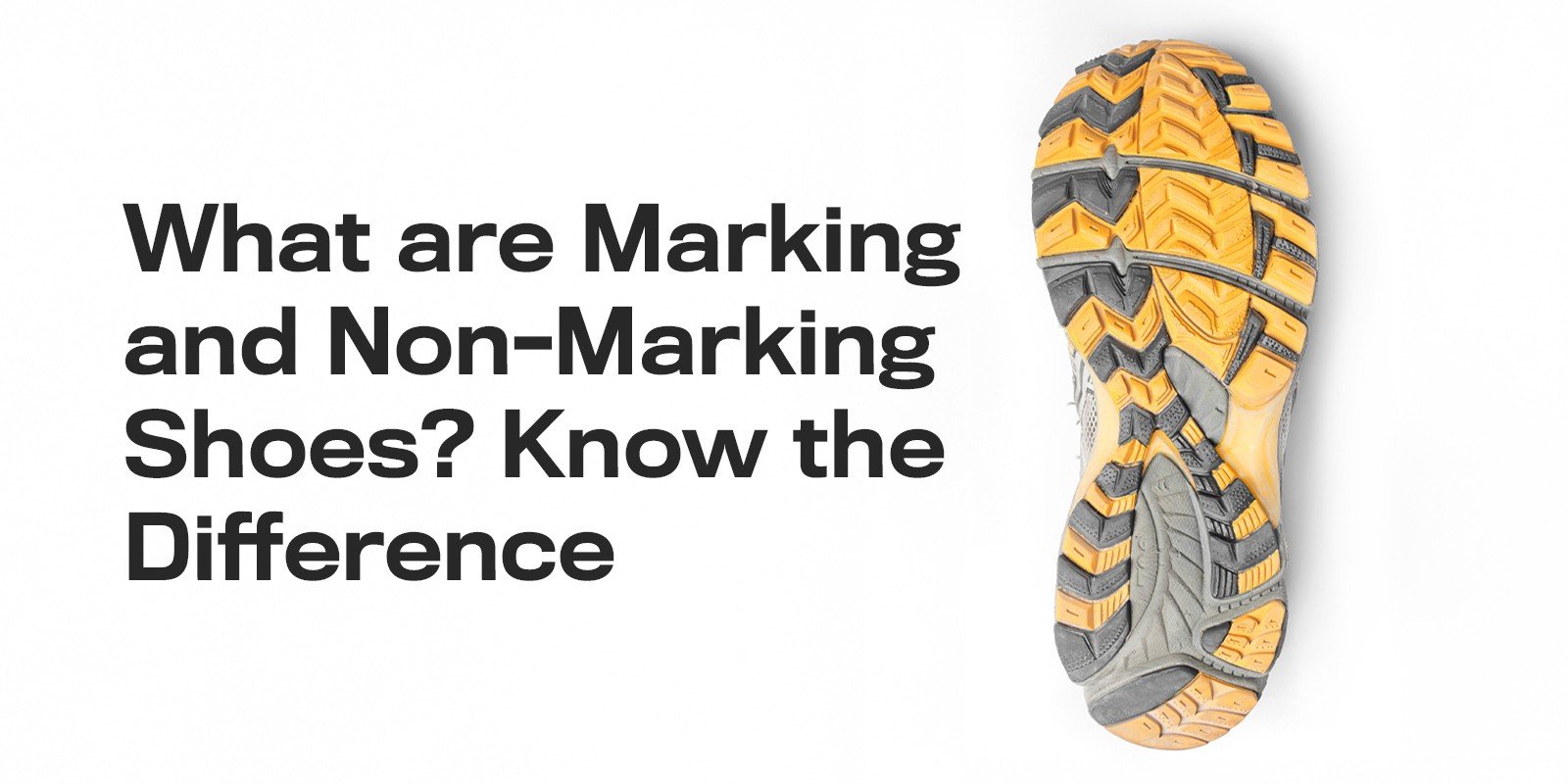
Source: khelmart.com
Common uses and where they are required
Non-marking shoes are common where floor finish and cleanliness matter. Typical places include:
- Indoor sports courts and gyms where hardwood or synthetic floors are easily scuffed.
- Dance studios and indoor fitness classes to preserve polished floors.
- Schools, daycare centers, and preschools where floors show marks quickly.
- Museums, showrooms, hospitals, and retail stores that need pristine floors.
- Boats and marinas to avoid black streaks on decks and interiors.
Some facilities have formal rules. For example, many gyms require non-marking shoes to protect expensive floor coatings. If you ask staff whether shoes must be non-marking, you’ll usually get a clear answer.

Benefits and limitations
Benefits of non-marking shoes:
- Protect floors and finishes from visible scuffs and black marks.
- Keep public spaces cleaner and reduce maintenance time.
- Often softer and more comfortable for indoor use.
- Meet rules in venues that restrict marking footwear.
Limitations to consider:
- Non-marking does not guarantee high traction on wet surfaces.
- Some non-marking soles wear faster if used outdoors.
- Very soft soles may compress quickly under heavy use, affecting durability.
- Labels can be inconsistent across brands; testing is sometimes needed.

Source: prokicksports.com
How to identify non-marking shoes
Simple steps to spot true non-marking footwear:
- Look for a non-marking label on the box or sole. Manufacturers often print it clearly.
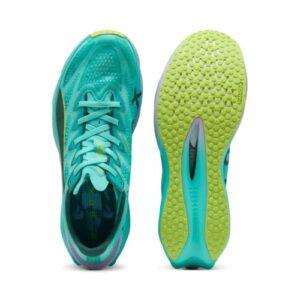
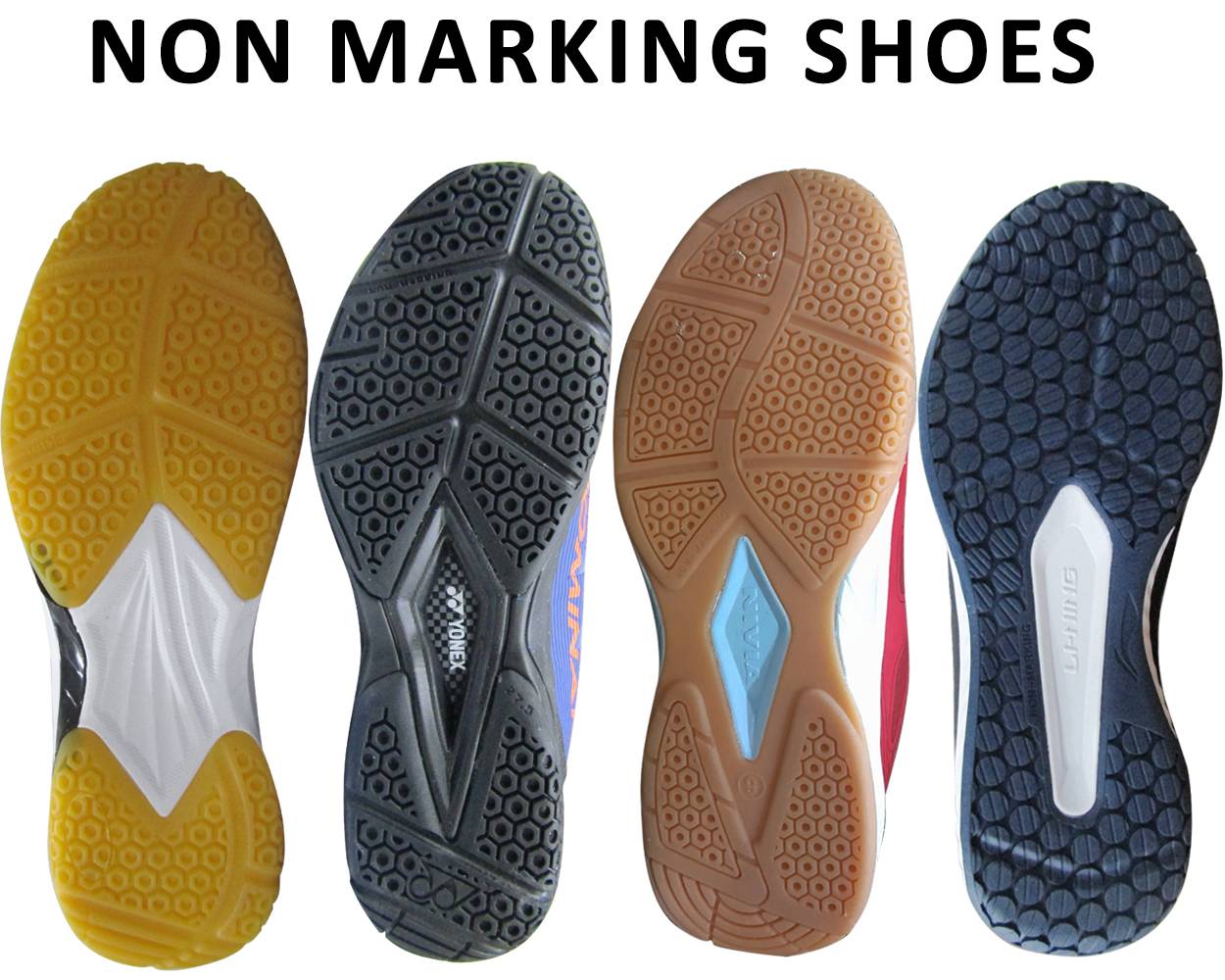
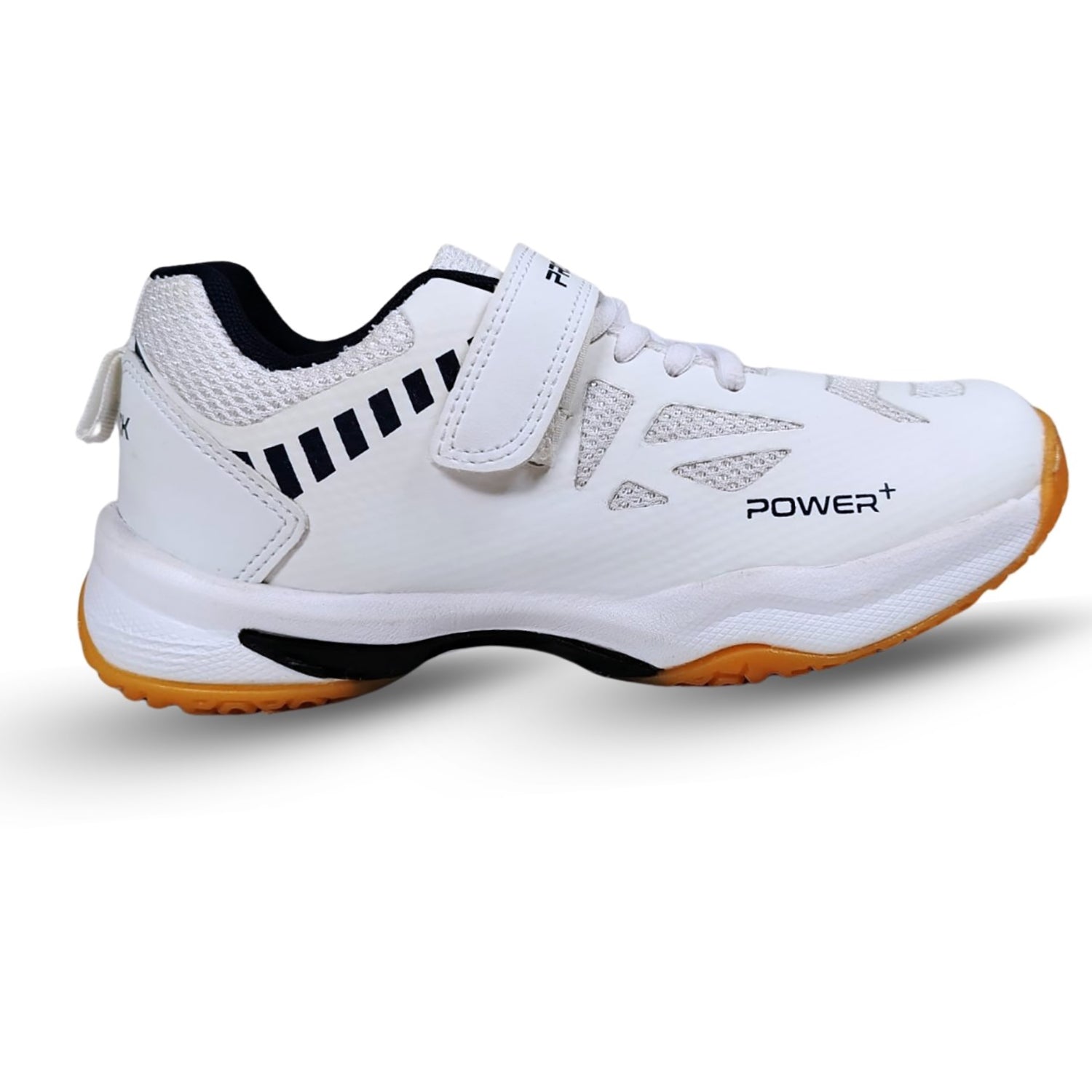
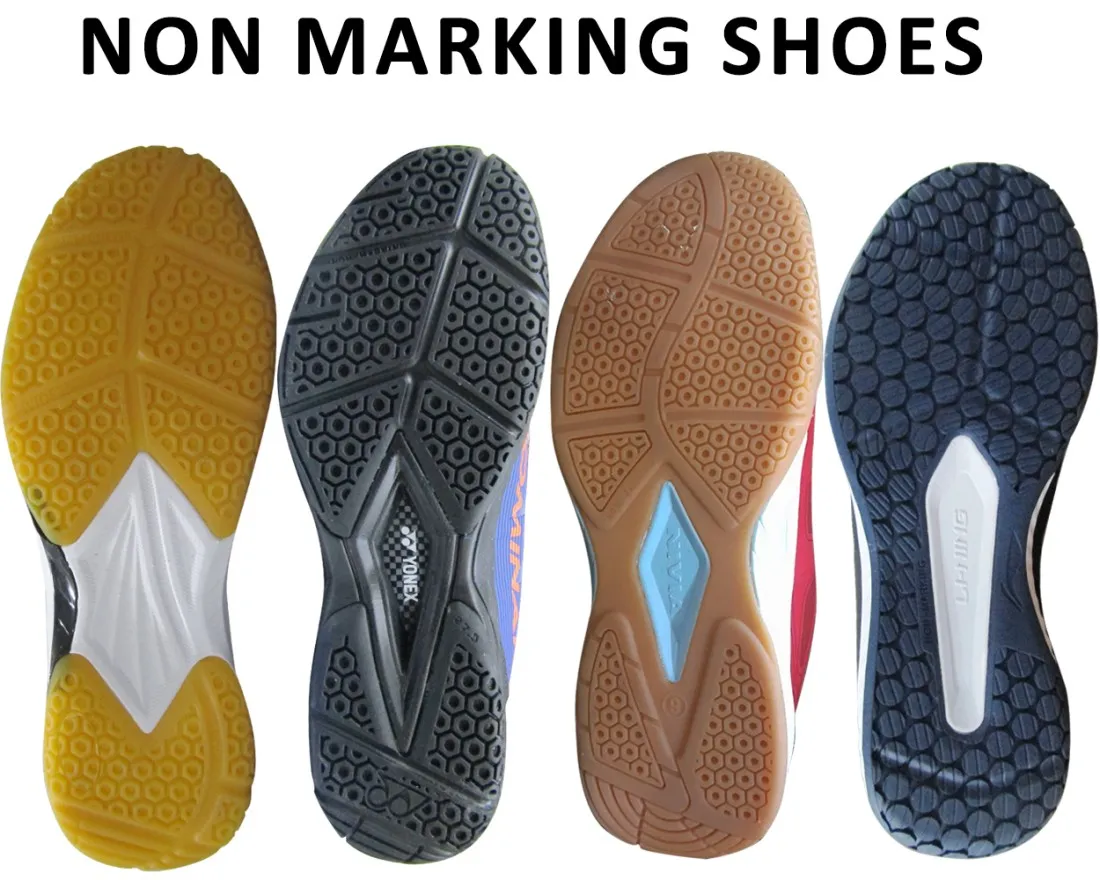
- Check the sole color. Light tan or gum-colored soles are more likely non-marking than black carbon-filled soles.
- Do a quick tile test. With permission, rub the sole on a clean white tile. No black smear means the sole is likely non-marking.
- Ask staff or read product specs for sole compound info and facility approvals.
Common mistakes to avoid:
- Assuming black soles are always marking. Some black soles are engineered to be non-marking, but you should verify.
- Using outdoor shoes inside long-term. Dirt and debris stuck to soles can still scratch floors even if the sole material itself is non-marking.
Source: metroshoes.com
Buying guide: how to choose the right non-marking shoes
Follow this checklist when you shop:
- Match shoe type to activity. Choose court shoes for basketball, indoor trainers for gyms, and dance shoes for studios.
- Prioritize fit and support. A non-marking sole is good, but comfort and fit matter most for performance and safety.
- Look for combined features. Seek shoes that are non-marking and have certified slip resistance if you need traction.
- Inspect materials. Gum rubber and light synthetic compounds usually perform well indoors.
- Read reviews and store return policies. User feedback often reveals real-world durability and whether the shoe truly avoids marks.
Budget tips:
- Mid-range shoes often give the best value for indoor sport use.
- For heavy daily use, invest in shoes with reinforced midsole and better outsole compounds for longer life.
Source: prokicksports.com
Personal experience and lessons learned
From years testing shoes and working with facility managers, I share three lessons:
- Always test a new pair on a clean tile before using them in a facility. A quick rub saved me the hassle of replacing a marked gym floor.
- Don’t confuse non-marking with clean. Dirt on the sole will still scratch or stain floors even if the material won’t transfer pigment.
- Rotate shoes for indoor and outdoor use. I once ruined a gym floor finish by wearing the same pair outside and then onto a polished court.
A practical tip I use: buy one pair strictly for indoor use and keep them in a locker or bag to avoid cross-contamination. This small habit saves time and money on floor repairs.
Care and maintenance
Care extends the life and performance of non-marking shoes:
- Clean soles regularly. Wipe off dirt and debris with a damp cloth after outdoor use.
- Avoid oil and grease. These can break down the sole compound and make marking or slipping more likely.
- Inspect soles for worn patches. Replace shoes once the compound thins or tread is uneven.
- Store shoes in a cool, dry place away from direct sunlight to prevent rubber hardening.
Simple service routine:
- Remove loose dirt after each use.
- Deep clean weekly if used daily indoors.
- Rotate pairs to reduce wear.
Non-marking vs non-slip: what's the difference?
Non-marking focuses on floor appearance. It means the shoe won’t leave visible scuffs or black streaks.
Non-slip focuses on safety. It means the shoe provides grip to reduce slips and falls.
You want both when using indoor sports or work shoes. Check product specs and tests to confirm both traits. If a product lists only one, ask for test data or look for third-party slip ratings before buying.
Frequently Asked Questions of what are non marking shoes
What are non marking shoes made of?
Non-marking shoes are typically made of gum rubber or light-colored synthetic compounds designed to avoid pigment transfer onto floors. The compound is engineered to resist leaving black smears during normal indoor use.
Can I use non-marking shoes outdoors?
You can, but regular outdoor use can wear the sole faster and may trap dirt that later scratches indoor floors. It’s best to have one pair for outdoor use and a dedicated pair for indoor areas.
How do I test if shoes are non-marking?
Rub the sole on a clean white tile or paper with light pressure. If no black or dark residue appears, the sole is likely non-marking. Ask permission before testing in public spaces.
Are non-marking shoes also slip-resistant?
Not always. Some non-marking shoes include slip-resistant tread, but slip resistance depends on tread design and compound, not just marking behavior. Check for specific slip-rating information if traction is critical.
Why do some shoes still mark despite a non-marking label?
Labels can be inconsistent and soles can pick up dirt or degrade over time. Black pigments or carbon fillers in some soles will transfer if the compound is wrong or the shoe is worn. Always verify through testing when in doubt.
How often should I replace my non-marking shoes?
Replace them when the sole shows uneven wear, compression, or reduced tread depth. For heavy daily use, expect to replace indoor shoes every 6–12 months depending on activity and care.
Conclusion
Non-marking shoes protect floors and keep spaces looking clean. They do this through careful sole materials and design, but they must be chosen and cared for correctly to work well. Use the checks and tips above to answer what are non marking shoes for your needs, test pairs before regular use, and keep separate indoor footwear when possible. Try one change today: test your current shoes on a white tile and consider a dedicated indoor pair. Share your experience in the comments or subscribe for more practical gear guides.

Rubel Miah is the Senior Editor at MyStyleGrid.com, where he brings a sharp editorial eye and an unshakable love for fashion to everything he does. A true style addict, Rubel lives and breathes trends, from streetwear to high fashion, and has a knack for turning inspiration into impactful stories. With years of experience in fashion journalism and digital media, he curates content that empowers readers to express themselves through style. When he’s not editing features or forecasting the next big thing, you’ll find him hunting down vintage pieces or capturing street style moments around the city.