Running shoes should be snug at the heel and midfoot, with a little toe room — not too tight.
I’ve tested dozens of shoes and helped runners of all levels find the right fit. This guide answers the core question: should running shoes be tight or loose. I explain biomechanics, common problems, how to test fit, lacing tricks, and real-world tips so you leave with the right feel and less pain. Read on for clear, practical steps to get a fit that boosts comfort and performance.
Why fit matters: safety, comfort, and performance
A shoe that is too tight can cause blisters, numb toes, and black toenails. A shoe that is too loose can lead to slipping, ankle roll, and extra energy loss. Fit affects how your foot moves inside the shoe. That change alters your stride, stability, and comfort.
Good fit helps your foot land well. It reduces friction and shear. It improves feel and control for faster workouts and longer runs. I’ve seen runners fix chronic pain simply by choosing a better-fitting shoe. When thinking about should running shoes be tight or loose, remember this: the right balance matters more than the label tight or loose.
Key concepts: snug vs roomy explained
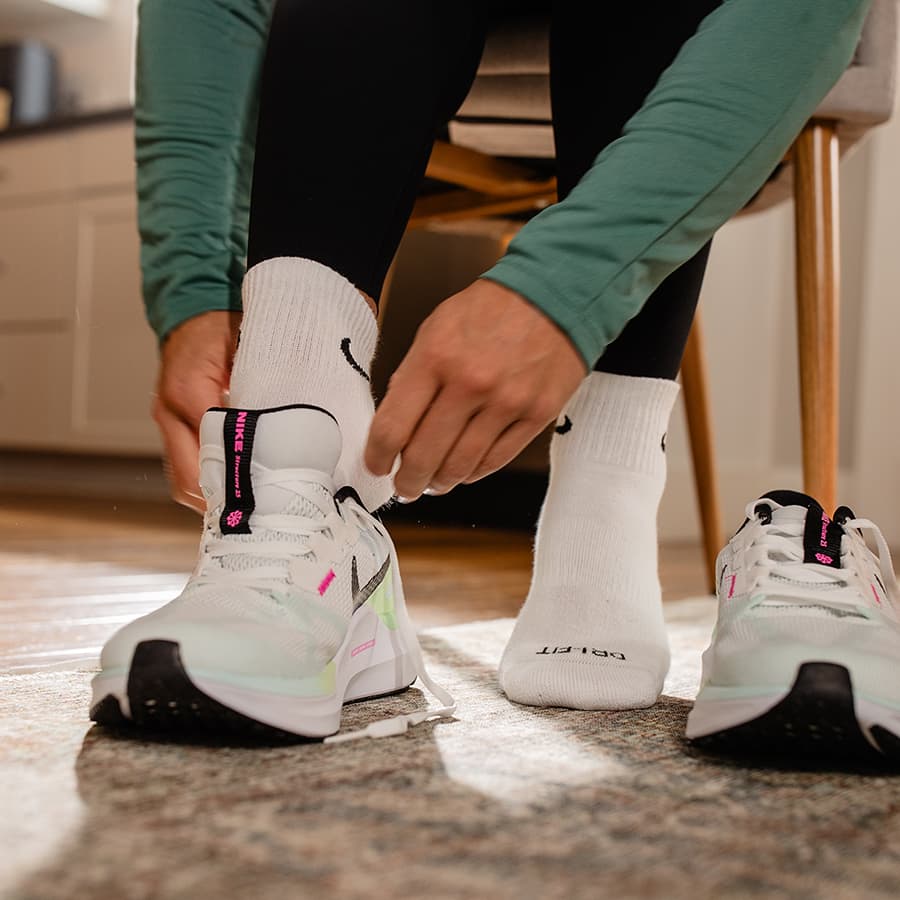
Snug
- Snug means the heel and midfoot hold firm.
- Snug prevents heel slip and unwanted movement.
- Snug does not squeeze toes or nerves.
Roomy
- Roomy refers to the toe box and forefoot.
- Roomy gives space for toe splay and swelling.
- Roomy prevents black toenails and pinched nerves.
When you ask should running shoes be tight or loose, think snug where you need control and room where your foot expands.

How to test shoe fit step-by-step
- Wear the socks you run in. Use thin or thick socks you normally use.
- Try shoes at the end of the day. Feet swell after activity, so test later.
- Measure the length and width. Your toes should have about a thumb’s width of space at the toe.
- Lace and jog in the store or on a short trial run. Walk and run to check heel slip and midfoot hold.
- Check comfort for 10–15 minutes. If a hot spot appears, it will likely persist.
These checks answer the should running shoes be tight or loose question in practice. If the shoe slips, it is too loose. If toes feel numb, it is too tight.

Specific fit points to watch
Heel
- Heel should lock without pain.
- A locked heel keeps your foot stable on push-off.
Midfoot
- Midfoot should feel secure with the laces tied.
- A secure midfoot reduces friction and energy loss.
Toe box
- Toe box must allow toes to wiggle.
- Allow about a thumbnail to a thumb’s width in front of longest toe.
Width
- Shoes must not squeeze the sides of the foot.
- If your foot bulges over the sole, try a wider model.
Arch support
- Arch should not pinch or press awkwardly.
- Use insoles only if they improve comfort.
When you evaluate these points, you answer should running shoes be tight or loose for each foot area.
Activity-specific guidance
Short speed sessions
- Slightly snugger fit helps control and feel.
- Avoid pain. Slight snugness for faster work is fine.
Long runs
- Favor more toe room and a relaxed fit in the forefoot.
- Allow for swelling over miles.
Racing shoes
- Racing flats can be lower volume and closer fitting.
- Use race fit only if you tolerate it and practiced in them.
Trail running
- Secure heel and midfoot matter most for uneven ground.
- Room in the toe box still helps for descents.
Match fit to the run type and answer should running shoes be tight or loose based on distance and speed.
Common problems from wrong fit and how to fix them
Blisters
- Cause: friction from slip or pinch.
- Fix: adjust lacing, use lubes, or change size.
Black toenails
- Cause: repeated toe impact in tight shoes.
- Fix: more toe room and proper sock choice.
Numbness or burning
- Cause: nerves compressed by tight upper or laces.
- Fix: loosen laces at the forefoot or switch models.
Heel pain from slippage
- Cause: loose heel or wrong heel counter.
- Fix: try heel-lock lacing or a different model.
These issues show why the question should running shoes be tight or loose is not one-size-fits-all. Fix the specific fit fault.
Lacing techniques and practical tweaks
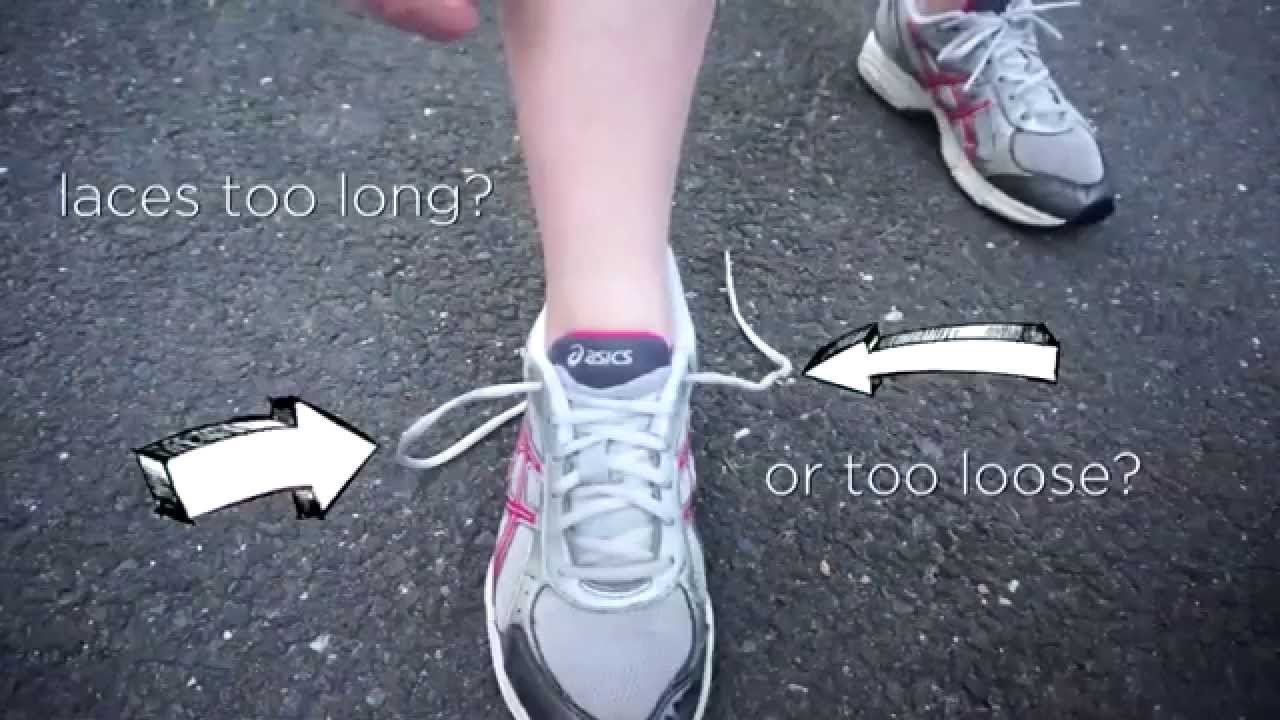
Heel lock lacing
- Use extra eyelets to lock the heel for a snug fit without tightening the toe box.
Window lacing
- Skip an eyelet where pressure builds to reduce top-of-foot pain.
Tongue placement
- Center the tongue and smooth folds to cut friction.
Insoles
- Swap insoles to change volume and arch support.
- A thinner insole can add a little room; a thicker one can fill a loose shoe.
Small tweaks often answer should running shoes be tight or loose without changing shoes.
Personal experience and mistakes to avoid
I once wore a narrow shoe for months. It felt fast but caused persistent numbness and a black toenail. After switching to a slightly wider fit and adding a good sock, my runs improved and pain vanished. Lesson: chasing a 'tight, fast feel' cost me weeks.
Tips from my testing
- Try models in multiple widths.
- Break in shoes gently. No marathon on day one.
- Track how your feet feel after 10–20 miles to judge fit.
These are hands-on answers to should running shoes be tight or loose from real use.

Sizing, foot changes, and shopping tips
Feet change over time
- Age, pregnancy, and activity alter foot shape.
- Measure feet yearly.
Buy for the longer foot
- Most people have one foot slightly larger. Fit to the larger foot.
Try different brands
- Width and volume differ by brand and model.
- One brand’s size may feel tight while another fits well.
Order half size up for socks and long runs
- When in doubt, add half a size for extra toe room.
These rules help you decide should running shoes be tight or loose depending on shape and use.
How to decide today: quick checklist
- Do toes have a thumbnail to thumb’s width of space? If yes, toe room is good.
- Does your heel slip more than a half inch? If yes, shoe is too loose.
- Does any area feel numb or hot? If yes, shoe is too tight.
- Can you lock the midfoot with lacing without pinching toes? If yes, fit is balanced.
Answer these and you will know whether your shoes are tight or loose in the right places.
Frequently Asked Questions of should running shoes be tight or loose
What should running shoes feel like when standing?
Running shoes should feel comfortable and slightly snug in the heel and midfoot, with a bit of space in front of the toes. They should not pinch or allow significant heel slip.
How much toe room do I need in running shoes?
Aim for about a thumb’s width of space between your longest toe and the shoe front. This limits black toenails and allows natural toe splay during runs.
Should running shoes be tight for speed workouts?
A slightly closer fit in the midfoot helps with control during speed work, but they should never cause pain or numbness. Practice in them first to ensure comfort.
Can I fix a loose running shoe without buying new ones?
Often yes. Try different lacing, thicker socks, or a firmer insole to reduce volume and lock the heel. If the shoe remains unstable, consider a better-fitting model.
Is it normal for feet to swell during runs?
Yes. Feet commonly swell during runs, especially in heat or longer distances. Choose a fit that allows for this change and avoids tightness during long efforts.
Conclusion
Finding the right balance answers should running shoes be tight or loose: snug where you need control and roomy where your foot needs space. Test shoes with the socks and conditions you run in. Use lacing tricks, try widths and sizes, and listen to hot spots or numbness. Small changes can prevent pain and boost performance.
Make one tweak this week: re-test your current shoes with a thumb’s-width rule and a short jog. If you feel better, keep it. If you don’t, explore models with different volume. Share your experience or ask a question below to learn more.

Rubel Miah is the Senior Editor at MyStyleGrid.com, where he brings a sharp editorial eye and an unshakable love for fashion to everything he does. A true style addict, Rubel lives and breathes trends, from streetwear to high fashion, and has a knack for turning inspiration into impactful stories. With years of experience in fashion journalism and digital media, he curates content that empowers readers to express themselves through style. When he’s not editing features or forecasting the next big thing, you’ll find him hunting down vintage pieces or capturing street style moments around the city.