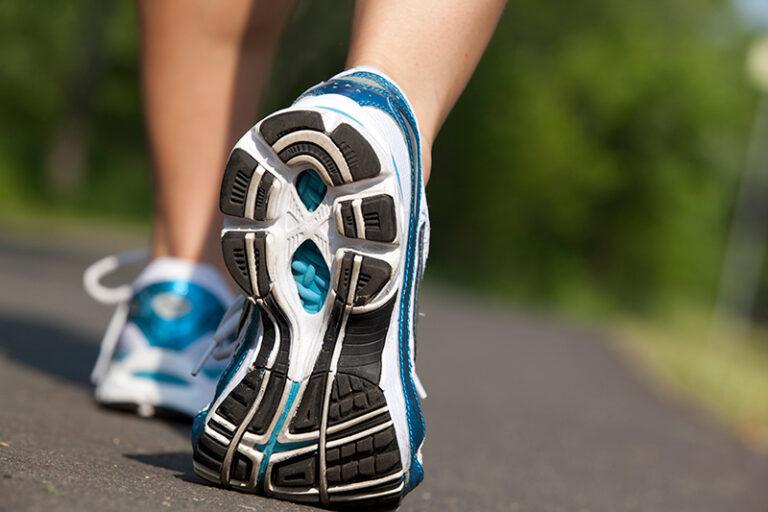
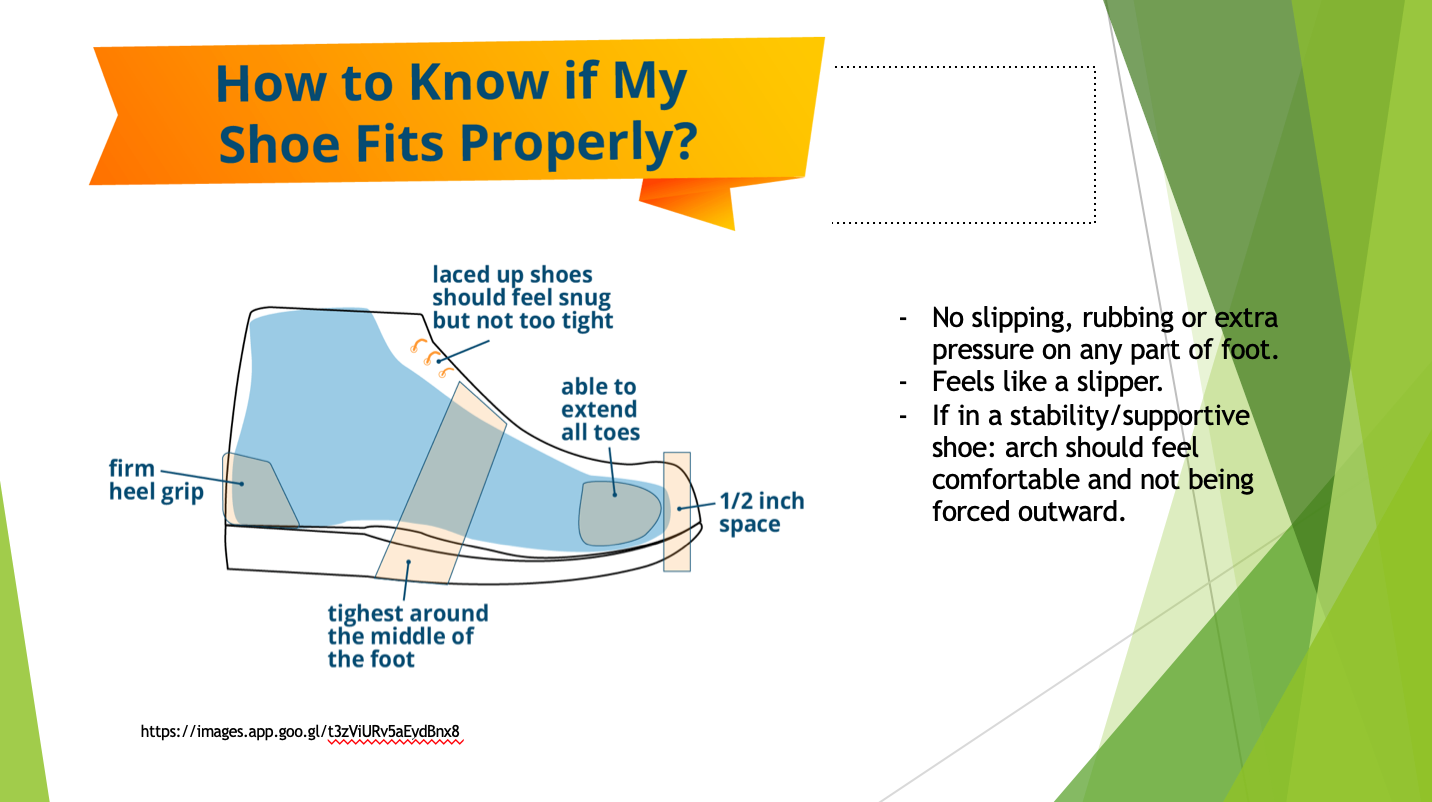
Shoes should fit snugly across the midfoot with a thumb-width space at the toes.
I’ve spent years helping runners find the right fit and testing dozens of models. If you want clear, practical advice about how snug should running shoes be, this guide cuts through the noise. I’ll explain the exact feel to aim for, step-by-step fitting tests, lacing hacks, signs of a bad fit, and real-world tips from my experience so you can choose shoes that protect your feet and improve your runs.
Why a snug fit matters
A proper fit keeps your foot stable and reduces injuries. How snug should running shoes be matters because a bad fit can cause blisters, toenail issues, and wasted energy.
A snug fit locks the midfoot and heel. It allows natural toe splay on impact. Studies and fitting protocols show that stability and comfort both depend on the right snugness. I’ve seen many runners switch from chronic hotspots to pain-free miles after a small fit change.

How snug should running shoes be: the practical standard
How snug should running shoes be? Aim for these simple rules.
- Midfoot: Firm but not tight. You should feel gentle hold across the arch.
- Heel: Locked in place with no slipping but no painful pinch.
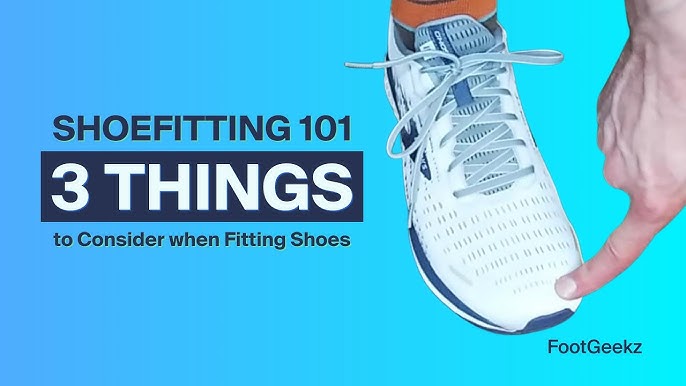
- Toes: About a thumb-width (or half an inch) of space in front when standing.
- Width: Socks should slide, not bunch. No squeezing on the outer edge.
- Overall: Secure feel without numbness or sharp pressure.
How snug should running shoes be during a run? They will loosen slightly after a few minutes. If they feel tight at the start, they will likely be too tight on long runs. If they feel loose, your foot will slide and cause blisters.

Signs your shoes are too tight or too loose
Look for clear signals so you can act fast.
Too tight
- Numb toes or a pins-and-needles feeling.
- Black toenails or persistent toe pain after runs.
- Red marks or blisters across the top of the foot.
Too loose
- Heel slip of more than a quarter inch when you walk.
- Toe jamming into the front on downhill or short sprints.
- Excessive foot movement causing blisters or instability.
How snug should running shoes be if you notice any of these? Fix fit first. Small adjustments to lacing or sock thickness often solve the problem. If not, try a different width or size.
How to test fit in-store and at home
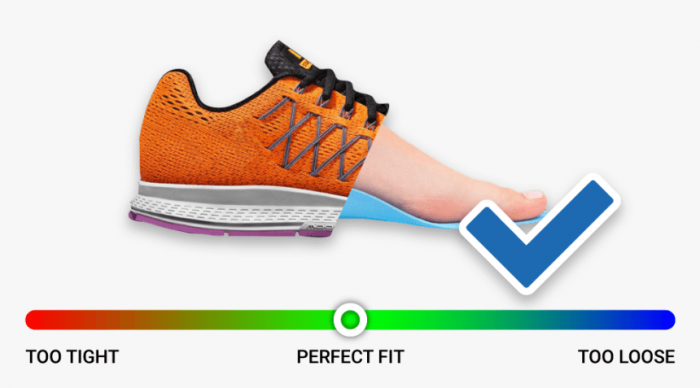
Testing is simple. Follow these steps to know exactly how snug should running shoes be for you.
- Measure both feet at the end of the day when feet are largest.
- Wear the socks you run in and bring orthotics if you use them.
- Lace shoes fully and stand. Check the thumb-width toe gap.
- Walk and jog in the store to test heel lock and midfoot hold.
- Run a short session on a treadmill or track to confirm comfort.
- Check after 5–10 minutes for hot spots or slipping.
From my experience, many people under-size by half a size thinking snug means small. How snug should running shoes be? Firm, not crushed. Measure and test while moving.
 techniques to fine-tune snugness”
style=”max-width: 100%; height: auto; border: 2px solid black; border-radius: 10px; display: block; margin: 0 auto;”
loading=”lazy”
/>
Lacing techniques to fine-tune snugness
Lacing changes can make a big difference without a new shoe. Try these methods to control how snug should running shoes be.
- Heel lock (runner’s loop): Use the extra eyelet to keep the heel secure.
- Wide-forefoot relief: Skip an eyelet over the widest part to reduce pressure.
- Forefoot hold: Tighten lower eyelets and keep upper ones looser for toe freedom.
- Asymmetrical pressure: Loosen or tighten individual eyelets to avoid hotspots.
I once solved a chronic blister in minutes using a heel lock. Small lacing changes often fix snugness problems quickly.
Fitting tips by foot type and gait
Different feet need different snugness. How snug should running shoes be depends on your foot shape and running style.
- Wide feet: Choose wide models and allow more toe box space. Midfoot should still feel stable.
- Narrow feet: Look for narrower lasts or use thicker socks to fill volume. Ensure heel lock is solid.
- High arch: Midfoot support matters. A snug midfoot prevents roll and strain.
- Flat foot or overpronation: A secure fit helps but pair with supportive or stability models.
- Forefoot strikers: You might need a roomier toe box to avoid repeated toe impact.
Try multiple brands. Fit varies widely. From my fittings, one brand’s snug is another’s cramped.

Buying tips, breaking in, and knowing when to replace shoes
How snug should running shoes be when new? They should feel close to right immediately. You should not rely on long break-in periods to fix fit problems.
Buying tips
- Try shoes later in the day and with your running socks.
- Buy shoes that match the volume your foot needs.
- If between sizes, go up a half size for long runs or quick downhills.
Breaking in
- Short runs for the first 2–3 runs help confirm fit.
- Minor stiffness is normal. Pain is not.
Replace shoes when
- Cushioning feels flat or you feel new aches.
- Outsole tread is visibly worn.
- Typical sign is around 300–500 miles, depending on weight and surface.
How snug should running shoes be as they age? Expect a slight loosening. If snugness reduces noticeably, reassess fit and consider replacement.
Common mistakes and how to avoid them
Avoid these errors to get the right snugness.
- Buying without trying. Feet differ by brand and model.
- Assuming both feet are same size. Fit the larger foot.
- Expecting shoes to stretch enough to fix tightness.
- Using wrong socks. Thin dress socks are a bad test for running fit.
How snug should running shoes be relative to socks and inserts? Fit with the exact socks and insoles you plan to use. That gives the true snugness.
Personal experience and lessons learned
I once trained for a half marathon in shoes that felt only slightly tight. By mile 8 my toes were numb and I lost a toenail. I learned quick fixes then.
- Always test with a short run before a race.
- Keep a shoe diary: note mileages, sensations, and weather.
- A small fit change saved me weeks of pain once I added a heel lock and switched socks.
How snug should running shoes be? My real-world rule: if you feel pressure standing, don’t run a long distance. Trust small tests.
Frequently Asked Questions of how snug should running shoes be
How much toe room should I have in running shoes?
You should have about a thumb-width of space in front of your longest toe when standing. That space accounts for swelling and forward movement during runs.
Should my heel slip at all when I run?
A tiny amount of heel movement (less than a quarter inch) is normal, but consistent slipping that causes blisters means the shoe is too loose. Use a heel lock or try a narrower fit.
Are running shoes supposed to feel tight at first?
New running shoes should feel secure, not painfully tight. Discomfort that doesn’t fade within short runs usually signals the wrong size or last.
How does foot swelling affect fit?
Feet swell during long runs and in heat. That is why you should fit shoes at the end of the day and allow a bit of toe room for expansion.
Can insoles change how snug running shoes feel?
Yes. Adding insoles can fill space and increase snugness. Always fit shoes with any insoles you plan to use to get an accurate feel.
How often should I re-evaluate fit?
Check fit whenever you buy new shoes and after changes like weight shifts, orthotics, or new running goals. Re-evaluate every six months or after major mileage increases.
Conclusion
Getting the right snugness prevents pain, improves performance, and extends shoe life. Aim for a secure midfoot and heel, with a thumb-width toe gap and no sharp pressure. Test shoes while moving, use lacing tricks, and match socks and insoles to your fit. Small adjustments matter and can make running feel effortless.
Try a short run in any new pair before committing. Share your fit story or questions below, or subscribe to get more practical running tips.

Rubel Miah is the Senior Editor at MyStyleGrid.com, where he brings a sharp editorial eye and an unshakable love for fashion to everything he does. A true style addict, Rubel lives and breathes trends, from streetwear to high fashion, and has a knack for turning inspiration into impactful stories. With years of experience in fashion journalism and digital media, he curates content that empowers readers to express themselves through style. When he’s not editing features or forecasting the next big thing, you’ll find him hunting down vintage pieces or capturing street style moments around the city.