Yes — minimalist shoes can help some people with flat feet when used carefully and gradually.
I have spent years working with runners, hikers, and people with flat feet. I know the promise and the peril of barefoot-style footwear. This guide explains whether are minimalist shoes good for flat feet, who may benefit, what the risks are, and how to try them safely. Read on for clear advice, practical steps, and lessons from experience.

What are minimalist shoes?
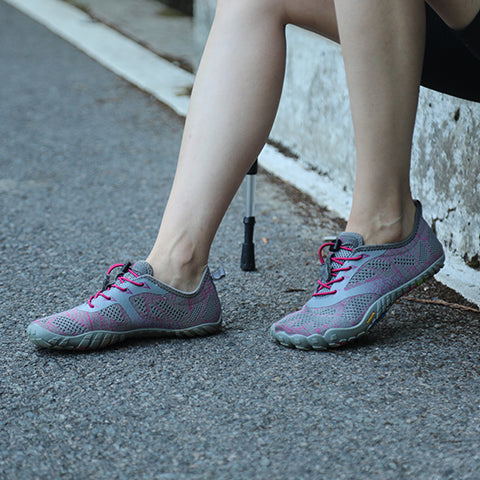
Minimalist shoes are footwear that mimic barefoot walking. They have thin soles. They have low or zero heel-to-toe drop. They let toes spread naturally. They reduce padding and built-in arch support.
Common features:
- Flexible sole that bends with your foot
- Wide toe box for toe splay
- Low stack height and low heel drop
- Lightweight materials and minimal cushioning
Are minimalist shoes good for flat feet? For some people, yes. For others, they can make pain worse. It depends on strength, pain levels, and how you switch to them.

What is flat feet (pes planus)?
Flat feet means the arch of the foot is low or collapsed. The whole sole touches the ground more than usual. Some people are born with flat feet. Others get flat feet from injury, aging, overweight, or muscle weakness.
Types of flat feet:
- Flexible flat feet: arches appear when not weight-bearing
- Rigid flat feet: arches remain low even when not standing
- Adult-acquired flatfoot: often due to tendon injury or wear
Flat feet often change how you walk. You may roll inward at the ankle. This is called overpronation. That change can affect knees and hips. Knowing your type helps decide if minimalist shoes are right.
How minimalist shoes affect flat feet: the biomechanics
Minimalist shoes change how your foot works. They lower external support. Your foot muscles must do more work. That can be good. Stronger muscles often mean a healthier arch. But it can also put new stress on tendons.
Key biomechanical points:
- Increased foot muscle activation can build strength.
- Less arch support forces the intrinsic foot muscles to stabilize the arch.
- Reduced cushioning changes load timing on the plantar fascia and Achilles.
- Some people experience reduced pronation; others feel more strain.
If you ask, are minimalist shoes good for flat feet, consider this: they are a training tool. They can strengthen arches. They also increase demand on soft tissues. The result depends on your current strength and pain level.

Benefits of minimalist shoes for flat feet
Minimalist shoes offer several possible benefits for people with flat feet when used right:
- Strength gains: foot muscles and tibialis posterior can grow stronger.
- Better foot mechanics: toes splay and arch can function more naturally.
- Improved balance: more sensory feedback improves proprioception.
- Reduced long-term reliance on rigid arch supports for some users.
- Lighter shoes for running and walking feel more natural.
These benefits are more likely when you transition slowly. If you already have good foot strength, minimalist shoes often feel freeing and helpful.

Risks and limitations to consider
There are risks when switching to minimalist shoes too fast:
- Plantar fasciitis flare-up or worsening heel pain
- Achilles tendon or calf strain
- Increased foot soreness and blistering
- No benefit for severe rigid flatfoot or structural issues
- May not fix alignment issues higher up the chain if muscle weakness persists
If you have sharp pain, nerve symptoms, or severe deformity, minimalist shoes are not a quick fix. Get medical advice first.

Who should try minimalist shoes?
Good candidates:
- People with flexible flat feet and mild symptoms
- Those with some existing foot strength and no active tendon pain
- Runners or walkers who want to retrain gait slowly
Not good candidates:
- People with rigid flatfoot or structural deformity
- Anyone with untreated tendon tears or severe pain
- Those who need immediate, rigid arch support for activity
If you are unsure, start with a trial period and consult a foot specialist.

How to transition safely to minimalist shoes
Transition is the most important step. Go slowly. Let your body adapt.
Practical steps:
- Start short: wear minimalist shoes for 15–30 minutes daily at first.
- Gradual increase: add 10–15 minutes every few days if no pain.
- Mix footwear: alternate with supportive shoes during the day.
- Monitor pain: mild soreness is normal; sharp pain is not.
- Add strength work: do foot and calf exercises daily.
Progress may take 8–12 weeks. For runners, begin with short, easy runs or walk-run intervals. Don’t rush.

Exercises to build arch strength and stability
Do these simple moves daily to support the switch to minimalist shoes:
- Short foot exercise: pull the base of the toes toward the heel without curling toes.
- Toe curls: pick up a towel with your toes for 10–20 reps.
- Calf raises: slow single-leg raises for 12–15 reps.
- Heel walks: walk on heels for 30 seconds to strengthen dorsiflexors.
- Ankle circles and band resisted inversion for tibialis posterior.
These exercises protect against injury and build helpful muscle tone.
Choosing the right minimalist shoe for flat feet
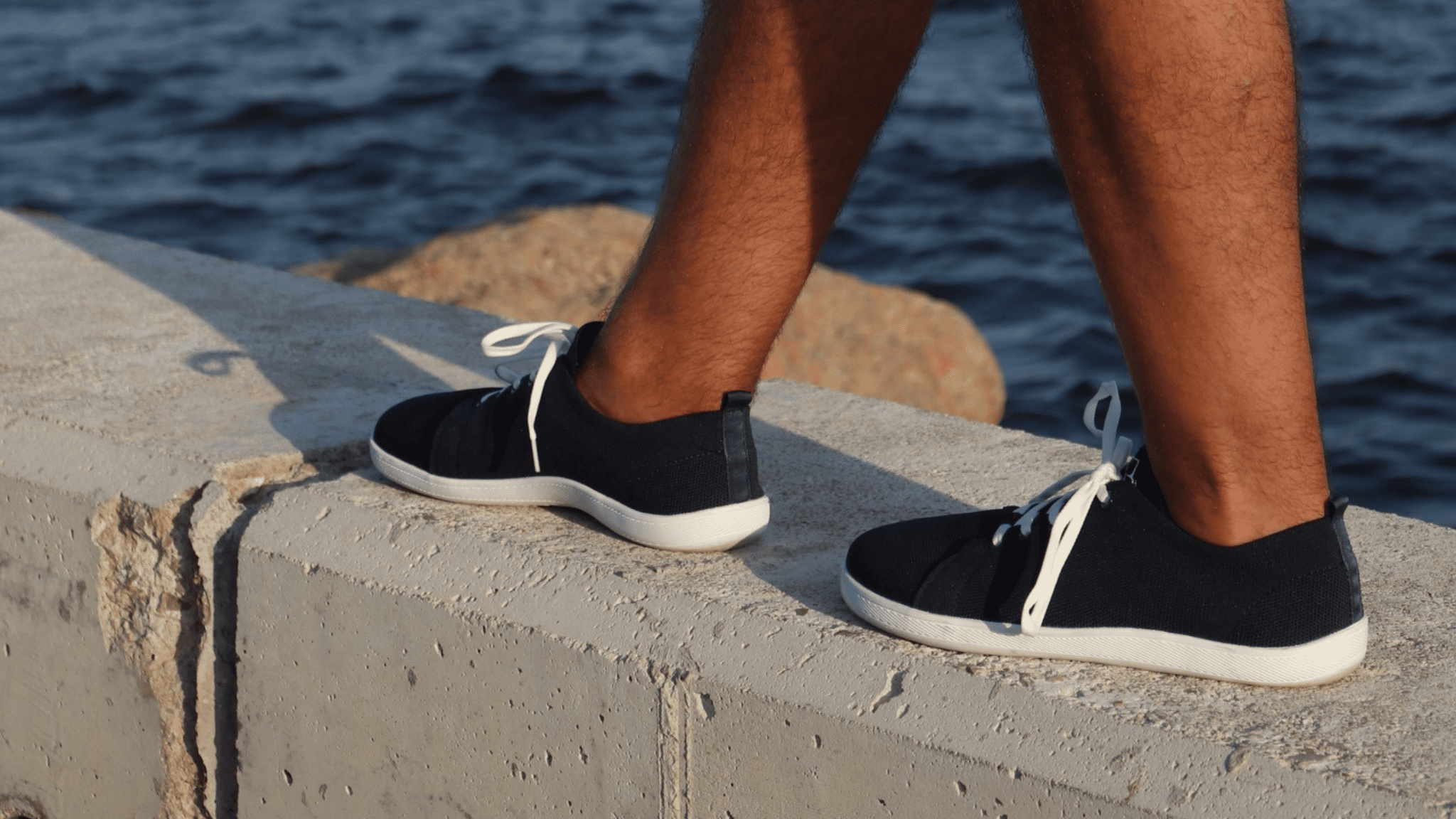
Not all minimalist shoes are the same. Look for these features:
- Wide toe box so toes can spread
- Flexible sole but with some protection under the forefoot
- Removable insole if you need to add a custom orthotic temporarily
- Secure heel fit to prevent slipping
- Moderate minimalism if you are new (some cushioning is okay)
Test shoes by walking barefoot in them first. Try a short walk before a long run or hike.
Evidence and expert perspective
Clinical studies show mixed results. Some research links barefoot-style shoes to improved foot muscle strength and reduced pain in certain users. Other studies show higher injury risk if transition is rushed. Experts often recommend a personalized approach. They encourage building strength, using gradual progression, and seeking professional advice for severe cases.
So if you ask, are minimalist shoes good for flat feet according to evidence, the short answer is: they can be, but only for some people and only with care.
Personal experience and lessons learned
I worked with many people who tried minimalist shoes. A few quick lessons from real life:
- Start very slowly. One runner who jumped to minimalist shoes injured their calf within two weeks.
- Use strength exercises. Those who did showed progress in 8–10 weeks.
- Be flexible. Some users kept a mild orthotic inside a minimalist shoe during transition.
- Watch daily life. Standing work or heavy loads need more caution.
My experience shows minimalist shoes are a tool. They help some. They hurt others. The way you use them matters most.
Practical buying checklist and routine
Use this quick checklist before you buy or test minimalist shoes:
- Try shoes late in the day when feet are swollen.
- Check toe spread and heel lock.
- Ensure a snug but not tight fit.
- Ask about a short return or trial policy.
- Plan a 6–12 week transition with exercise.
Daily routine sample:
- Week 1–2: 15–30 minutes walking in minimalist shoes plus 5–10 minutes of foot exercises.
- Week 3–6: increase wear time and add short runs at easy pace.
- Week 7–12: longer runs if no pain and stronger foot control.
PAA-style questions
Q: Can minimalist shoes fix flat feet?
A: They cannot change bone structure. They can strengthen muscles and sometimes reduce symptoms in flexible flat feet.
Q: How long to see improvement?
A: Many people notice changes in 6–12 weeks with consistent use and exercises. Results vary by person.
Q: Are orthotics still useful with minimalist shoes?
A: Yes. Removable orthotics can be a temporary aid during transition or a long-term solution for structural issues.
Frequently Asked Questions of are minimalist shoes good for flat feet
Are minimalist shoes safe for people with severe flat feet?
If your flat feet are severe or rigid, minimalist shoes are usually not safe as the main footwear. You should consult a specialist before trying them.
Can children with flat feet wear minimalist shoes?
Children often have flexible flat feet that can benefit from varied foot movement. Still, introduce them gradually and avoid long-term reliance on minimal footwear until strength is adequate.
How long should I transition before running in minimalist shoes?
Plan at least 8–12 weeks of gradual progression. Start with walking, then short run segments. Monitor pain and adjust pace.
Will minimalist shoes cure plantar fasciitis from flat feet?
They can help reduce symptoms for some people by strengthening the foot. But plantar fasciitis has many causes, so outcomes vary and medical treatment may be needed.
Should I use orthotics with minimalist shoes?
You can use low-profile or custom orthotics if needed. Some people use removable insoles during transition or for higher-impact activities.
Conclusion
Minimalist shoes can be good for flat feet in many cases. They work by strengthening foot muscles and improving natural mechanics. But they are not a universal cure. The right approach is slow, planned, and based on your symptoms and strength. Try a measured trial, add simple exercises, and ask a foot specialist if you have pain. If you want to learn more or share your experience, leave a comment or subscribe for updates.

Rubel Miah is the Senior Editor at MyStyleGrid.com, where he brings a sharp editorial eye and an unshakable love for fashion to everything he does. A true style addict, Rubel lives and breathes trends, from streetwear to high fashion, and has a knack for turning inspiration into impactful stories. With years of experience in fashion journalism and digital media, he curates content that empowers readers to express themselves through style. When he’s not editing features or forecasting the next big thing, you’ll find him hunting down vintage pieces or capturing street style moments around the city.