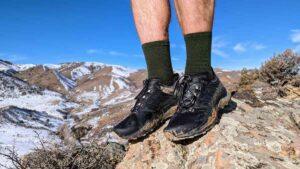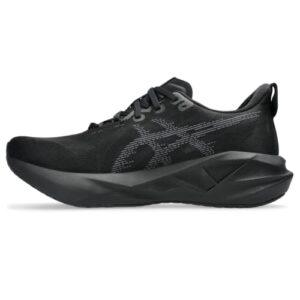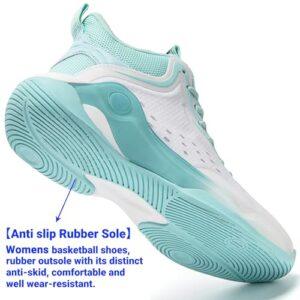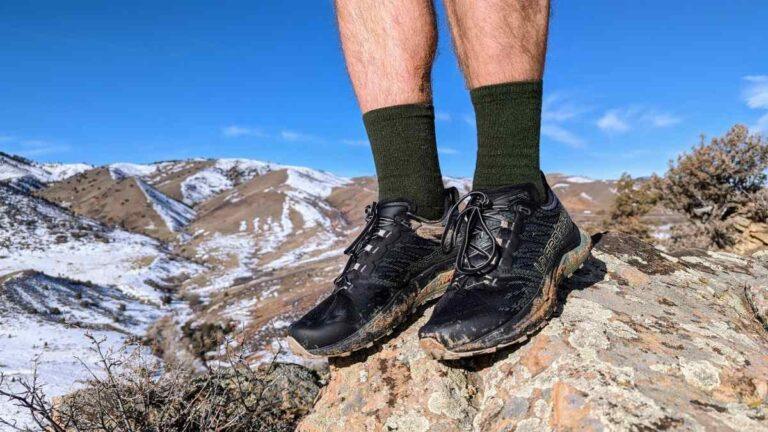
Trail running shoes can work for snow in light conditions with the right traction and layers.
I’ve spent years testing shoes on icy trails, packed snow, and soft powder. This article breaks down whether are trail running shoes good for snow, when they work, and when you need something heavier. I’ll explain key features, real-world tips, and gear tricks I use on winter runs so you can decide what fits your needs and routes.
How trail running shoes compare to winter footwear
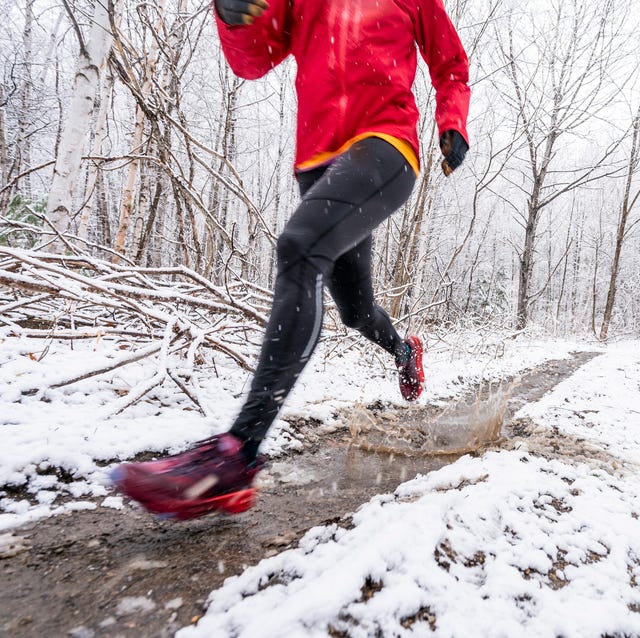
Trail running shoes are built for grip, low weight, and flexibility. Winter boots aim for warmth, waterproofing, and heavy-duty insulation. When you ask are trail running shoes good for snow, you’re really weighing trade-offs.
- Traction
- Trail shoes often have aggressive lugs that grab dirt and roots well. On packed snow they can work, but on ice they usually need help.
- Weight and feel
- Trail shoes are light. That helps speed and comfort but can let cold in faster than insulated boots.
- Waterproofing
- Some trail shoes have water-resistant membranes. They keep feet drier in light snow but not always in deep slush.
- Insulation
- Most trail shoes lack thick insulation. Cold feet come sooner in low temps.
If your runs stay on groomed trails or packed snow, trail running shoes can be a good choice. For deep powder, long backcountry days, or icy roads, heavier winter trail shoes or boots often perform better.

Key features to look for when using trail running shoes in snow
Choosing the right trail shoe matters. When wondering are trail running shoes good for snow, check these features first.
- Outsole lugs
- Deep, widely spaced lugs shed snow and dig into soft surfaces.
- Rubber compound
- Softer rubber grips cold surfaces better than hard compounds.
- Waterproof membrane
- Gore-Tex or similar liners help in wet snow but can reduce breathability.
- Ankle height
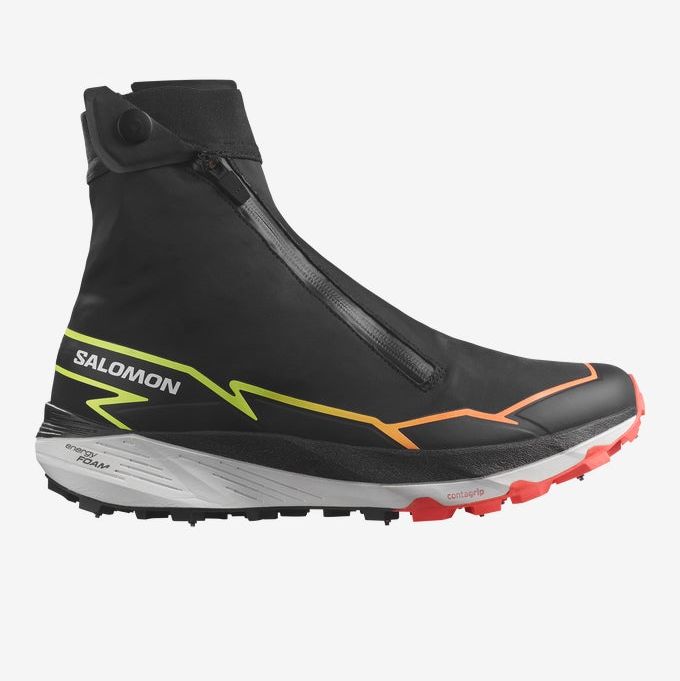
- Mid-height shoes keep snow out better than low cuts.
- Fit and toe room
- Leave room for thicker socks. Cold toes need circulation and wiggle room.
- Rock plate and sole stiffness
- Stiffer soles help with stability on crust or uneven snow.
Personally, I favor shoes with soft rubber and deep lugs when I expect mixed snow. I add traction devices on icy parts. These simple features push trail shoes closer to winter boots for many runs.
Pros and cons of using trail running shoes in snow
Understanding benefits and limits helps answer are trail running shoes good for snow for your case.
Pros
- Lightweight and nimble for faster pace.
- Better downhill feel and agility on packed trails.
- Easier to dry and pack than heavy boots.
Cons
- Less insulation; cold feet sooner in very low temps.
- Poor performance on glazed ice without spikes.
- Snow can pack into midsoles if lugs are shallow.
I once ran a winter 10K on groomed trails in trail shoes and felt great. On a backcountry loop the next week in fresh powder, my feet went cold and shoes filled with snow—proof that context matters.
 suitable and when they are not”
style=”max-width: 100%; height: auto; border: 2px solid black; border-radius: 10px; display: block; margin: 0 auto;”
loading=”lazy”
/>
When trail running shoes are suitable and when they are not
Are trail running shoes good for snow depends on route, depth, and temperature. Use this decision guide.
Suitable when
- Snow is packed or groomed.
- Temps are near freezing and runs are short.
- You want speed and reduced weight.
- You add traction aids for icy sections.
Not suitable when
- Deep, loose powder covers the trail.
- Constant subfreezing temps and long exposure.
- You need strong waterproofing for slush and melt.
- Icy surfaces dominate and you have no spikes.
If you run near plowed paths or groomed singletrack, trail running shoes can work well. If you plan long days in variable winter backcountry, opt for winter-specific footwear or carry backups.

Modifications and gear to improve snow performance
You can make trail running shoes work much better in winter with a few add-ons.
- Microspikes or crampons
- Clip-on spikes add grip on ice and hard snow.
- Gaiters
- Lightweight gaiters stop snow from entering the shoe.
- Thicker, moisture-wicking socks
- Wool or merino socks maintain warmth and dry faster.
- Waterproof treatment
- Apply DWR spray to uppers to shed wet snow.
- Insoles
- Insulated insoles add warmth without bulk.
- Traction studs or winter-specific lugs
- Some vendors offer studded soles that bolt or glue on.
I keep a small pair of microspikes in my pack. They weigh little and turn a marginal trail shoe into a safe winter runner on icy sections.

Personal experience, lessons learned, and practical tips
I run winter trails every season. Here are honest lessons from those miles.
- Test your setup locally
- Try shoes and add-ons on short runs before committing to long outings.
- Watch for cold toes first
- Tight shoes or thin socks lead to numb toes fast. Loosen laces and add a warmer insole if needed.
- Clean and dry shoes after runs
- Snow melts inside and can damage liners. Dry naturally at room temp, not near direct heat.
- Carry an extra layer and gaiters
- A light wind layer and gaiters are small but effective.
- Learn to read snow
- Crust, powder, and packed snow demand different traction. Adjust pace accordingly.
One mistake I often made was underestimating hard-packed ice after a thaw-freeze cycle. Now I check temps and bring spikes if the forecast hints at refreeze.

People Also Ask — quick answers
Q: Will trail running shoes keep my feet warm in snow?
- They can in mild cold if paired with warm socks and insoles. In very cold weather, insulated shoes or boots are better.
Q: Can I use microspikes with trail running shoes?
- Yes. Most microspikes fit over trail shoes and add excellent grip on ice and hard snow.
Q: How do I stop snow from getting into my shoes?
- Use gaiters and avoid deep powder. Proper fit and mid-height shoes help too.
Frequently Asked Questions of are trail running shoes good for snow
Are trail running shoes safe on icy trails?
Trail running shoes can be unsafe on plain ice without spikes. Add microspikes for reliable traction on iced surfaces.
Do I need waterproof trail shoes for snow?
Waterproof trail shoes help in wet snow and slush. For breathability and faster drying, consider a water-resistant model instead of heavy waterproof liners.
Can I use regular running socks with trail shoes in snow?
You can, but wool or merino socks are better for warmth and moisture control. Thicker socks also require a slightly larger shoe fit.
How do I prevent blisters in winter runs?
Keep feet dry and use friction-reducing lubricant or blister tape on hot spots. Proper sock and shoe fit reduce movement and rubbing.
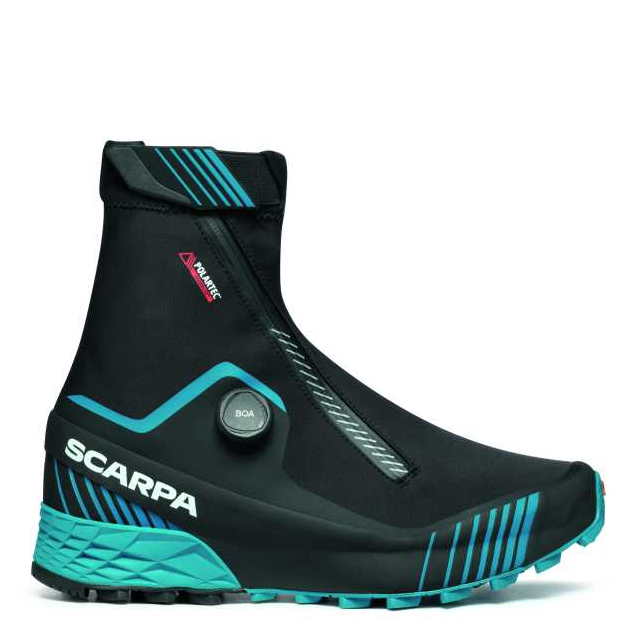
Are there trail shoes designed specifically for winter?
Yes. Some trail shoes use softer rubber, deeper lugs, and water-resistant liners tailored to cold-weather running. They sit between summer trail shoes and heavy winter boots.
Conclusion
Trail running shoes can be good for snow when you match them to the route and the conditions. For packed or groomed trails, light snow, and shorter outings, they offer speed and comfort. For deep powder, extended cold, or icy terrain, add traction aids or choose winter-specific footwear. Try gear in controlled outings, learn how different snow types affect grip, and carry simple tools like microspikes and gaiters. If this helped, try one small change on your next winter run—test a warmer insole or pack spikes—and share your results or questions below.

Rubel Miah is the Senior Editor at MyStyleGrid.com, where he brings a sharp editorial eye and an unshakable love for fashion to everything he does. A true style addict, Rubel lives and breathes trends, from streetwear to high fashion, and has a knack for turning inspiration into impactful stories. With years of experience in fashion journalism and digital media, he curates content that empowers readers to express themselves through style. When he’s not editing features or forecasting the next big thing, you’ll find him hunting down vintage pieces or capturing street style moments around the city.