Most Frye boots can handle light rain, but avoid deep water and prolonged soaking.
I’ve worked with boots for years and tested dozens of Frye styles. This guide answers can frye boots get wet, why it matters, and how to protect and care for them. Read on for clear, practical steps, expert tips, and my real-life experience with Frye leather in wet conditions.
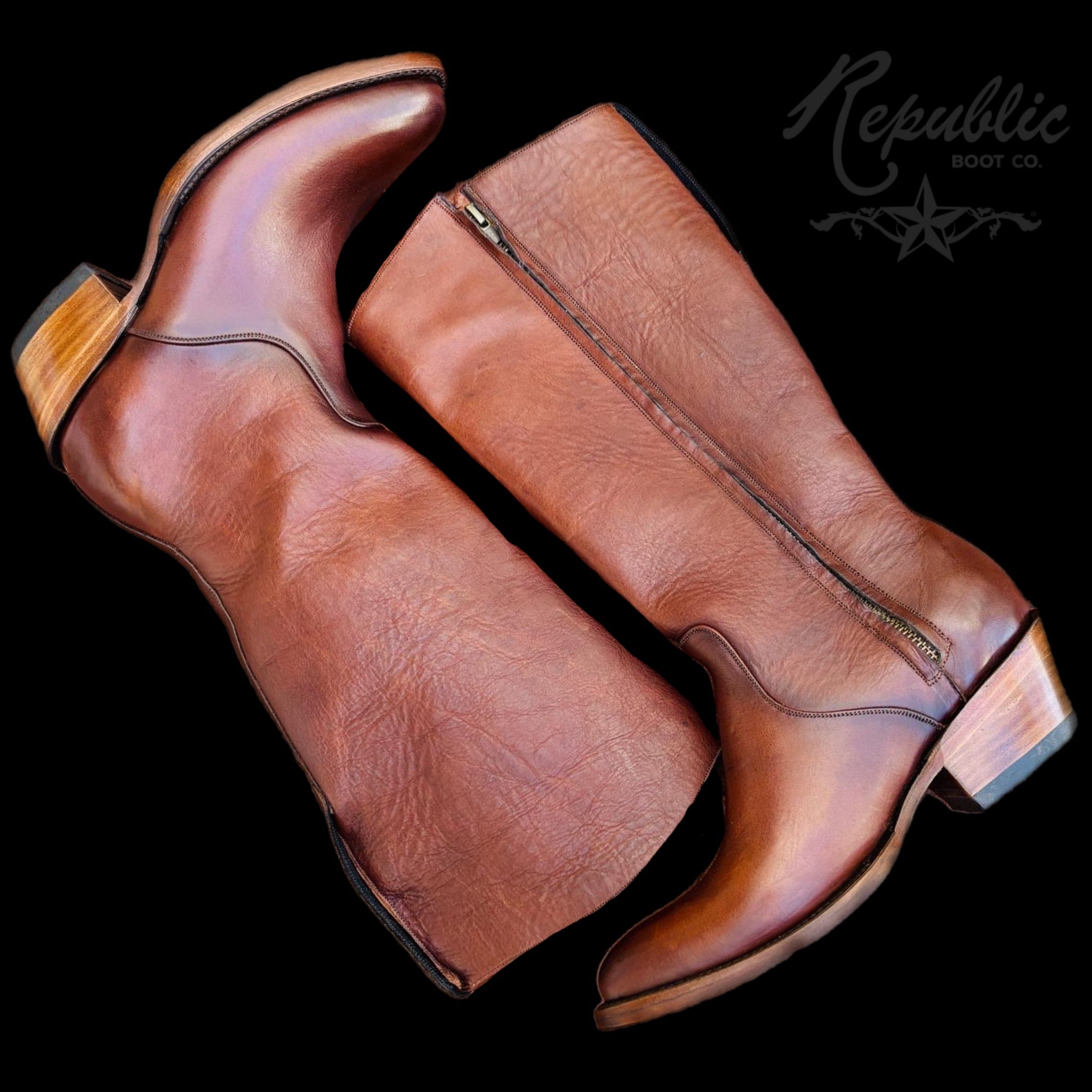
Understanding Frye boots: materials and build
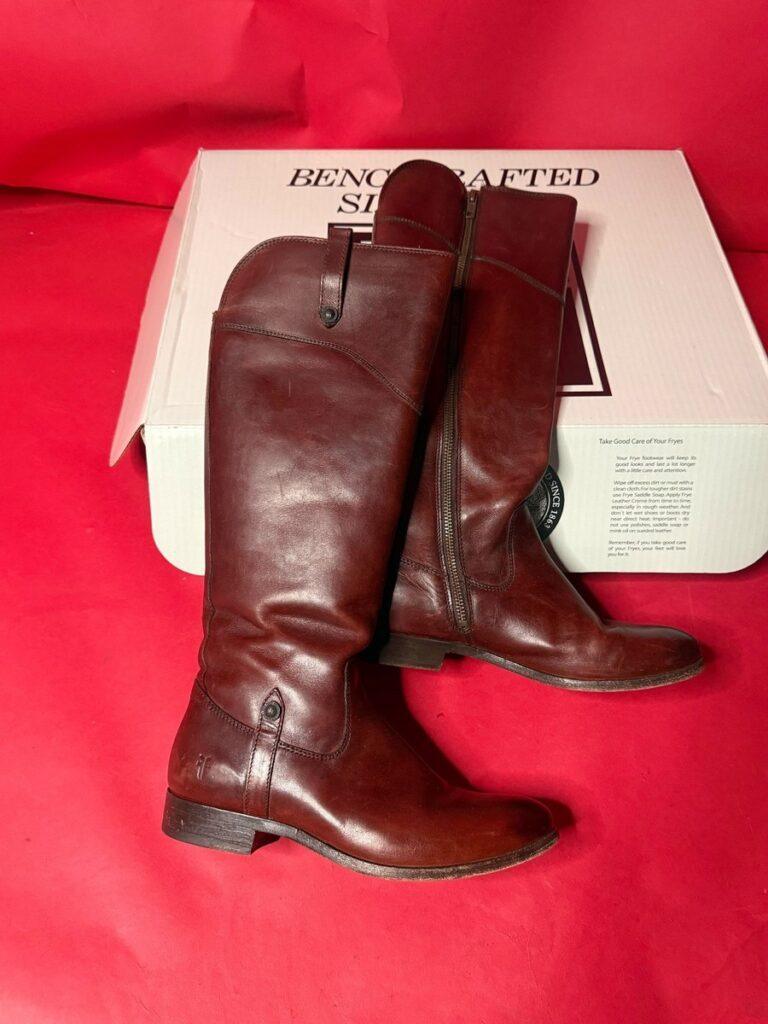
Frye boots use high-quality leather and solid construction. That makes them durable and long lasting. Still, leather is porous. Water can change how leather looks and feels. Knowing the leather type helps answer can frye boots get wet for your pair.
Common Frye materials include:
- Full-grain leather. Thick and strong. It resists water best.
- Oiled or pull-up leather. Designed to show patina and can darken when wet.
- Suede or nubuck. Soft, velvety, and much more water sensitive.
- Leather lined vs unlined. Lined boots dry slower but hold shape better.
Construction points matter too. Goodyear welt and stitched soles offer better water resistance than glued soles. Hardware and seams can be weak spots. All these factors shape whether can frye boots get wet safely.

Can Frye boots get wet? The short, practical answer
Yes, can frye boots get wet to a degree. Light rain and splashes are usually fine for most Frye boots. Heavy downpours, deep puddles, or submersion are risks. Prolonged wetting can stain, stretch, or warp leather and damage suede.
Here’s what to expect:
- Light rain: usually safe if boots are cared for.
- Heavy rain or snow: may cause long-term damage without protection.
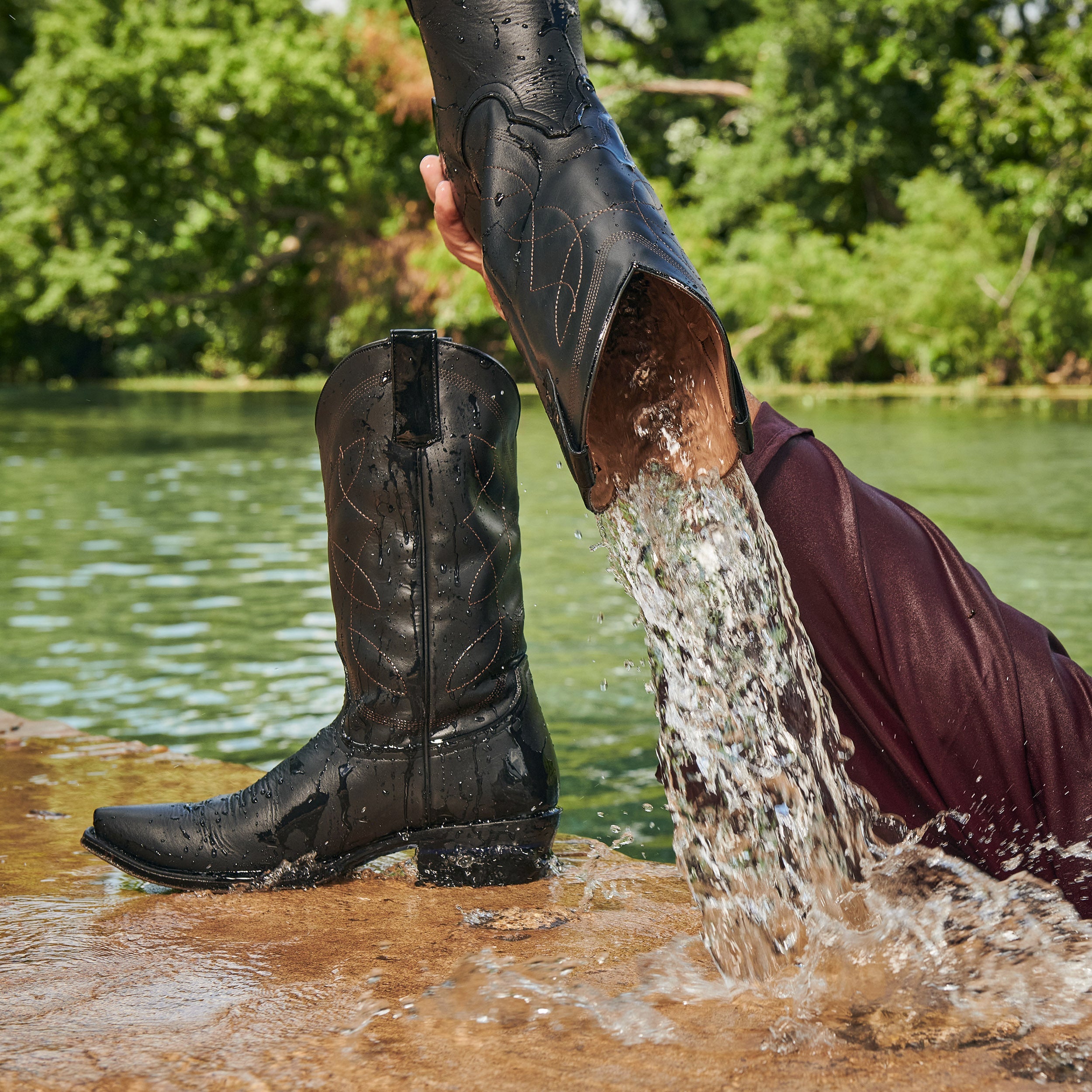
- Submersion: not recommended. It can ruin leather, adhesives, and insoles.
If you want to push limits, waterproofing steps and prompt care make a big difference when asking can frye boots get wet.

How water affects different Frye boot types
Full-grain leather boots
- Resist water better due to tight grain and oils.
- They darken when wet and return to color after drying.
- Repeated wetting strips natural oils over time.
Oiled or pull-up leather boots
- Designed to show character when bent or wet.
- They may show water marks more noticeably.
- Conditioning helps maintain oils and color.
Suede and nubuck Frye boots
- Absorb water quickly. Stains set fast.
- Water can flatten the nap and leave marks.
- Use a suede protector and avoid heavy wetting.
Lined boots and stitched soles
- Lining slows drying. This can cause odor or mold if wet.
- Welted boots handle moisture better than glued ones.
- Soles matter: leather soles soak and delaminate faster than rubber.
Practical protection: waterproofing and prep
Want to reduce the risk when can frye boots get wet? Prep them first.
Waterproofing steps:
- Clean boots gently with a soft brush or damp cloth.
- Apply a neutral or leather-safe waterproof spray for shoes.
- For full-grain leather, use a wax-based dressing or leather balm.
- For suede, use a foam cleaner then a suede protector spray.
- Reapply protection every few months or after heavy use.
Tips for effective protection:
- Test products on a hidden spot first.
- Avoid oil-heavy products on suede; they darken material.
- Use seam sealer if you plan heavy exposure.
Drying and repairing wet Frye boots
If can frye boots get wet, act fast. Quick action limits damage.
Step-by-step drying and repair:
- Remove insoles and let them air out.
- Stuff boots with paper to hold shape and absorb moisture.
- Air dry at room temperature. Avoid heaters and direct sun.
- After dry, condition full-grain leather with a cream or oil.
- For suede, use a suede brush to lift the nap and a suede eraser for stains.
- Consider a professional if boots smell, warp, or the sole separates.
Common mistakes to avoid:
- Using a hair dryer or heater. It stiffens and cracks leather.
- Leaving boots to dry in a plastic bag. That traps moisture and breeds mold.
- Skipping conditioning after heavy wetting. Dry leather breaks down fast.
My experience: testing Frye boots in rain and snow
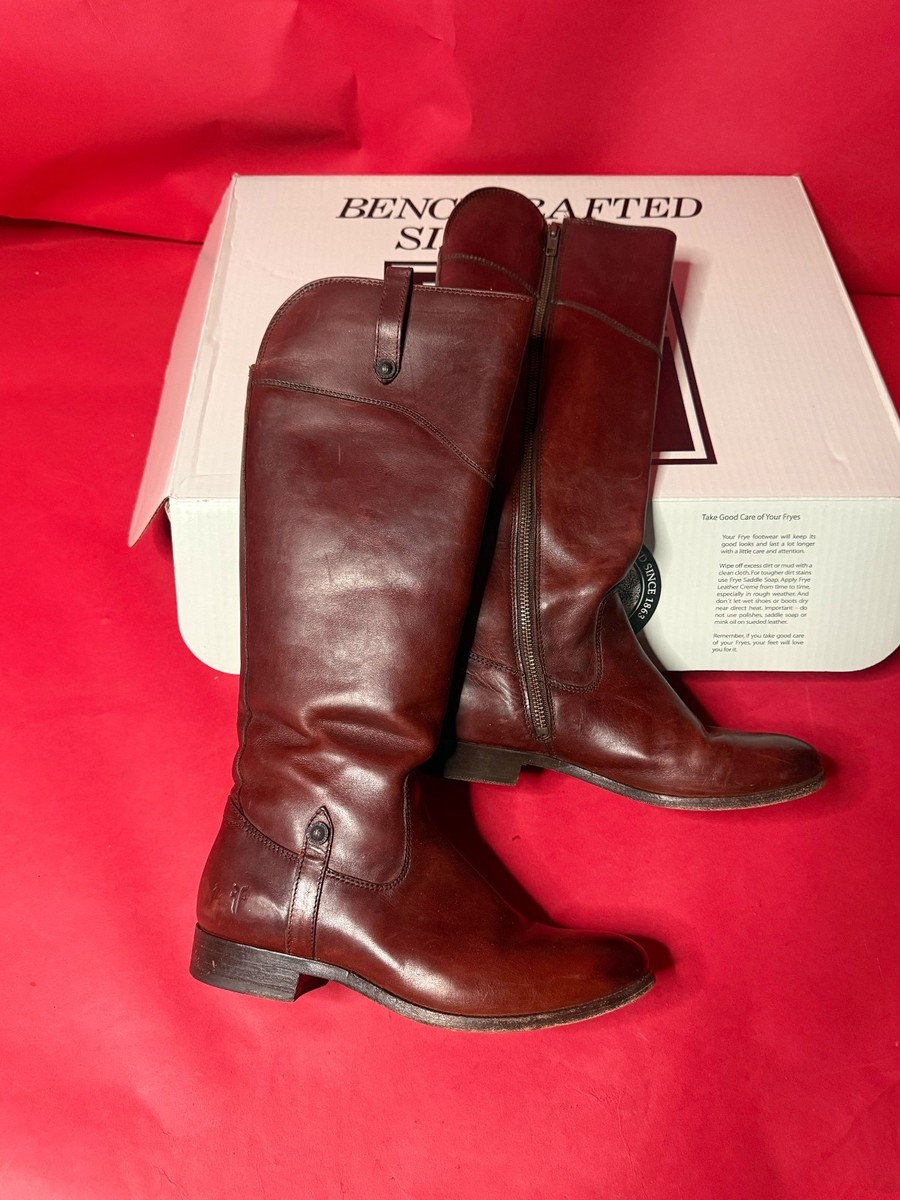
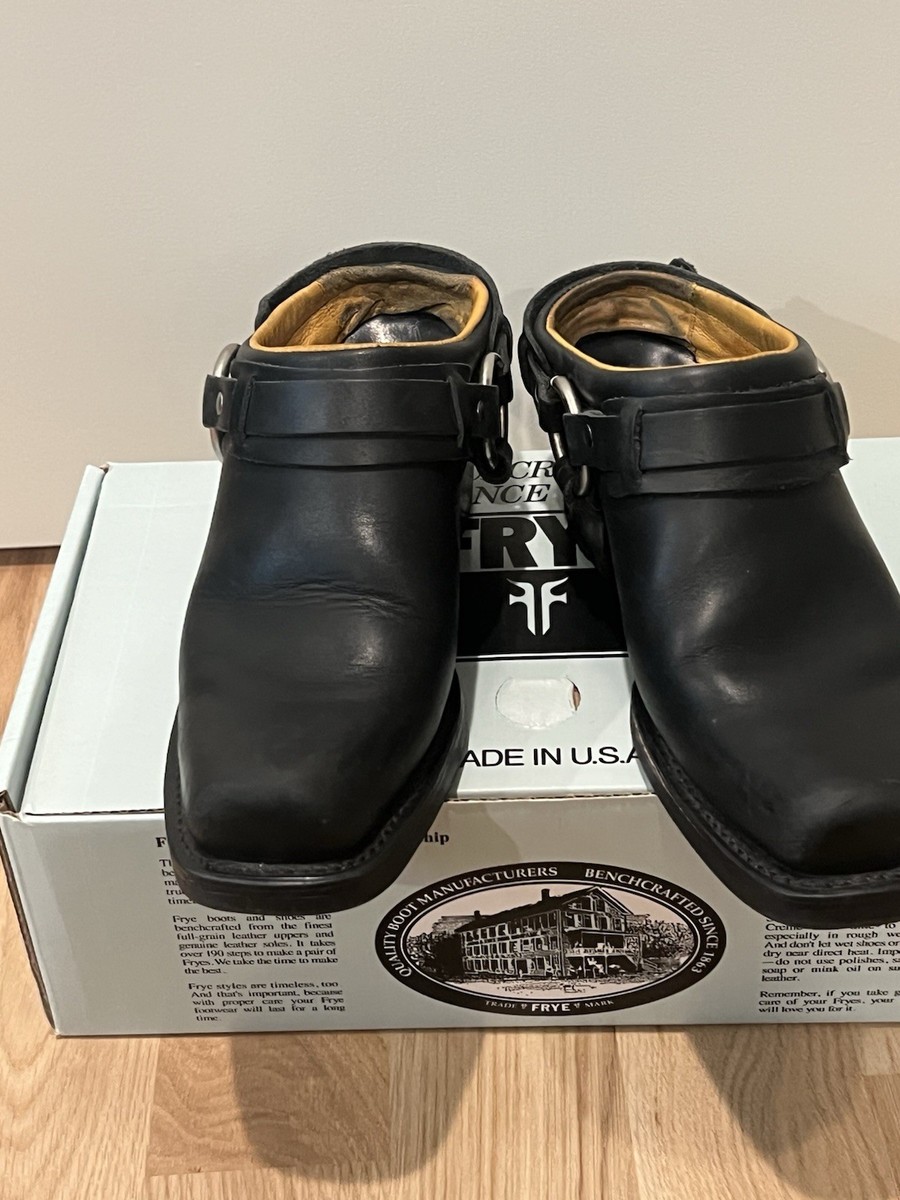
I own two pairs of Frye boots: a full-grain engineer and a suede Chelsea. I tested both over seasons.
Engineer boots in rain:
- I wore them in light rain without issues.
- I pre-treated them with wax and conditioned them monthly.
- After heavy rain, I dried and oiled them. They held up well.
Suede Chelsea in snow:
- One walk in slushy snow left marks.
- I tried a suede spray afterward. It helped, but stains needed pro cleaning.
- Lesson: treat suede like glass near water.
From testing, the answer to can frye boots get wet varies by leather and care. Prep and quick care matter more than brand name.
Long-term care to prevent water damage
Good routine care prevents problems when can frye boots get wet.
Weekly/monthly habits:
- Brush off dirt after each wear.
- Spot clean salt and stains right away.
- Condition leather every 2–3 months.
- Reapply waterproof spray seasonally.
- Rotate boots to let them dry fully between wears.
Storage tips:
- Store boots in a cool, dry place.
- Use cedar shoe trees to keep shape and absorb moisture.
- Avoid plastic boxes that trap humidity.
When to get professional help
Some wet-damage needs expert repair. Seek a cobbler when:
- Soles separate or stitching fails after wetting.
- The leather is deeply stained or warped.
- Mold or persistent odor develops.
- You are unsure how to restore vintage or expensive Frye pairs.
Professionals can re-welt soles, recondition leather, and remove tough stains safely. This can extend the life of your Frye boots after water damage.

PAA-style questions (people also ask)
Q: Will water ruin Frye boots?
A: Water can harm Frye boots if exposure is heavy or repeated. Proper waterproofing and fast care reduce the risk.
Q: Can you wear Frye boots in the rain?
A: Yes, for light rain if the boots are treated first. Avoid deep puddles and long, wet exposure.
Q: How do I waterproof Frye boots?
A: Clean first, then use a leather-safe waterproof spray or wax for full-grain leather, and a suede protector for suede.
Q: Can Frye boots be restored after getting wet?
A: Many can be restored with drying, conditioning, and professional cleaning for tough damage. Act quickly to improve results.
Q: Is it OK to dry Frye boots with a heater?
A: No. Heat can crack and stiffen the leather. Air dry at room temperature instead.
Frequently Asked Questions of can frye boots get wet
Are Frye boots waterproof out of the box?
Most Frye boots are not fully waterproof out of the box. They are water resistant to a degree, but require treatment for heavy exposure.
How often should I treat my Frye boots for rain?
Treat them every 2–4 months, or after heavy use in wet weather. Reapply sooner if you wear them often in rain.
Can I use saddle soap on Frye boots?
You can use saddle soap on full-grain leather boots sparingly. Avoid saddle soap on suede and oiled finishes.
Will oiling my Frye boots make them waterproof?
Oiling adds water resistance but not full waterproofing. It helps protect leather from light wetness and maintains suppleness.
Can Frye boots get wet in salt and snow?
Salt and slush are harsh. Clean salt promptly and treat boots to prevent staining and drying out.
Conclusion
Frye boots can get wet in light conditions if you prepare and care for them. The key is knowing your leather type, using proper waterproofing, and drying boots correctly after exposure. I’ve tested both leather and suede Frye styles and found that prevention and quick action prevent most damage. Try a routine: protect, wear sensibly, and care promptly. If you enjoyed this guide, leave a comment with your boot type and wet-weather experience, or subscribe for more footwear care tips.

Rubel Miah is the Senior Editor at MyStyleGrid.com, where he brings a sharp editorial eye and an unshakable love for fashion to everything he does. A true style addict, Rubel lives and breathes trends, from streetwear to high fashion, and has a knack for turning inspiration into impactful stories. With years of experience in fashion journalism and digital media, he curates content that empowers readers to express themselves through style. When he’s not editing features or forecasting the next big thing, you’ll find him hunting down vintage pieces or capturing street style moments around the city.