Tennis shoes typically last between 6 months and 2 years depending on use and care.
I’ve spent years testing and wearing dozens of court shoes, coaching players, and tracking wear patterns. In this guide I’ll answer how long do tennis shoes last in clear, practical terms. You’ll get real-life ranges, signs to watch for, ways to extend life, and simple tests to know when to replace them. Read on and you’ll learn to spot worn gear before it causes injury or poor play.
How long do tennis shoes last: typical ranges and what to expect
Tennis shoe lifespan varies a lot. For active players, most shoes wear out faster than casual sneakers. A helpful set of ranges:
- Casual wear and light play: 12 to 24 months.
- Weekend players (1–2 sessions per week): 6 to 12 months.
- Regular club players (3–4 sessions per week): 3 to 6 months.
- Heavy use or weekly tournament play: 1 to 3 months.
If you ask how long do tennis shoes last in hours, think in sessions. A light session is 60–90 minutes. Many coaches recommend replacing shoes after 40–100 hours of regular court play. The exact number depends on your style and weight.

What determines how long do tennis shoes last
Several factors shape shoe life. Know them to make better buying and care choices.
- Play frequency and duration. More hours equal faster breakdown.
- Court surface. Hard courts chew through outsoles much faster than clay.
- Movement style. Heavy lateral slides and aggressive stops stress the midsole and upper.
- Player weight. Heavier players compress cushioning faster.
- Shoe construction. Dense midsoles, tough rubber outsoles, and stitched uppers last longer.
- Maintenance and storage. Wet shoes, rough washing, and poor storage speed wear.
I’ve coached players who wore shoes out in weeks on hard courts and others who got two years by rotating shoes and limiting off-court use. That contrast shows why the question how long do tennis shoes last has no one-size answer.

How to tell when your tennis shoes need replacing
Watch for clear, easy signs. Replace shoes when performance or safety drops.
- Cushion breakdown. If the shoes feel flat or hard, the midsole foam is compressed.
- Pain or new aches. Recurring knee, hip, or foot pain can mean the shoes no longer absorb shock.
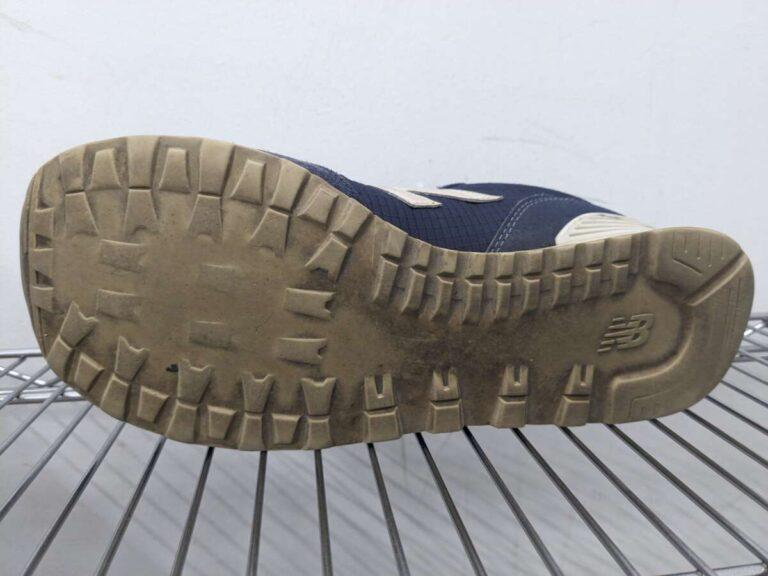
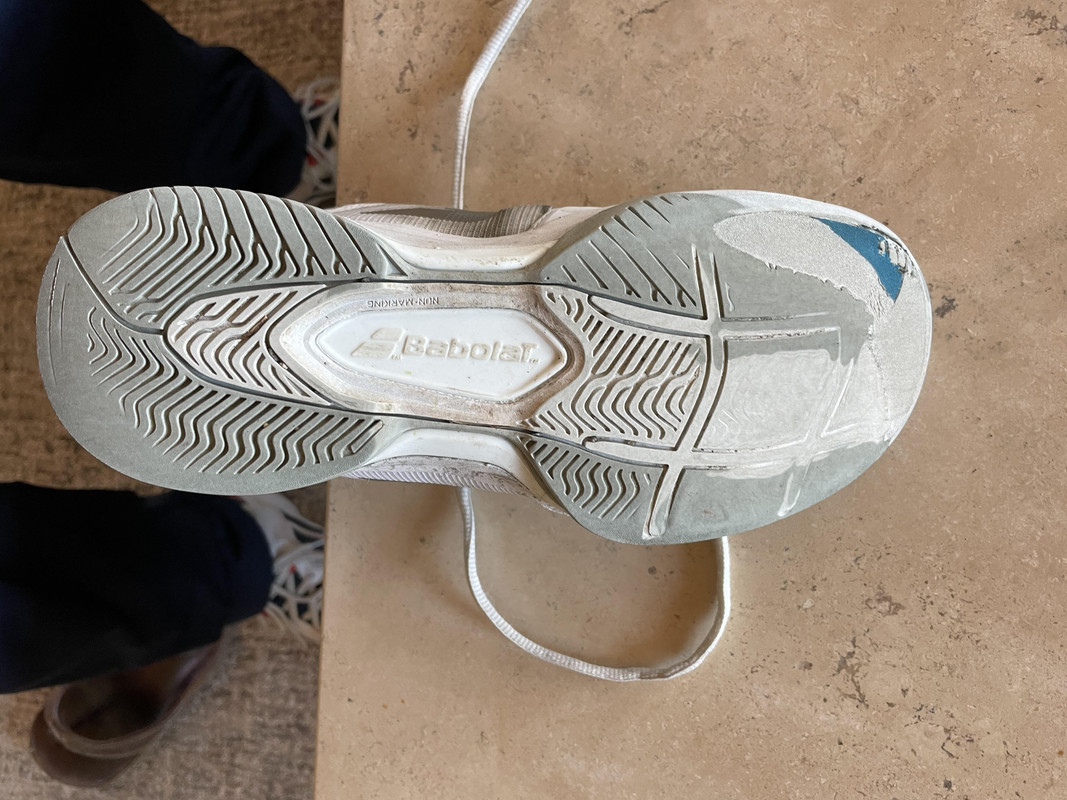
- Outsole wear. If tread is smooth or the pattern is gone, traction is lost.
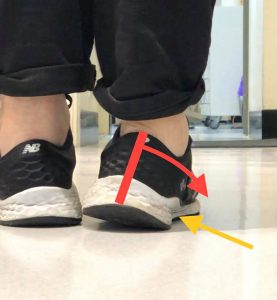
- Heel counter collapse. If the heel folds easily, lateral support is gone.
- Uneven wear. One side worn faster means altered biomechanics and injury risk.
Quick home tests I use:
- Bend test: Fold the shoe at the toes. If it folds in the middle where it shouldn’t, time to replace.
- Thumb test: Press the midsole with your thumb. If it compresses deeply and doesn’t rebound, cushioning is shot.

Ways to extend how long do tennis shoes last
Small habits add months to shoe life. Try these practical tips.
- Rotate shoes. Keep two pairs and alternate. This gives foam time to recover.
- Use shoes only on court. Avoid wearing court shoes for casual walking.
- Clean and dry properly. Wipe dirt, air-dry away from heat, and avoid machine drying.
- Replace insoles. A fresh insole can renew comfort and extend life by weeks or months.
- Store in a cool, dry place. Heat and moisture speed foam breakdown.
- Choose shoes for your court type. Hard-court soles are tougher and last longer on concrete.
From personal testing, rotating two pairs cut my shoe burn rate by nearly half. It’s one of the best value moves after buying a quality pair.

How many matches, miles, or hours should you expect?
Translate usage into practical numbers. Pick the metric you prefer.
- Hours of play: 40–100 hours for regular players. Replace sooner if play is intense.
- Matches: Roughly 50–150 matches, depending on match length and intensity.
- Miles: This is less useful for tennis, but expect cushioning to break down at a similar point to 200–300 miles of running if tennis shoes were used for that.
Example schedules:
- Beginner: One 90-minute session per week ≈ replace yearly.
- Club player: Three 90-minute sessions per week ≈ replace every 4–8 months.
- Pro or daily trainer: Daily court time ≈ replace every 1–2 months.
Choosing shoes that last: cost, features, and value
Spending more can buy durability, but price is not the only factor. Look for these features to improve longevity:
- Durable rubber outsoles. Denser, patterned rubber lasts longer on hard courts.
- Reinforced toe and side overlays. These resist abrasion from slides.
- Stable heel counter. A firm heel supports lateral moves.
- Responsive but resilient midsole foam. Look for foams labeled for durability.
- Replaceable insoles and available resoling options.
Buy what fits your play. An expensive shoe that isn’t right for your foot will wear oddly. In my experience, a mid-price shoe that fits well and is used properly often outlasts an expensive, ill-fitting model.
Environmental and repair options
When you ask how long do tennis shoes last, think beyond replacement. Some options reduce waste and save money.
- Replace insoles to refresh comfort.
- Resole specialist shops can extend outsole life on some models.
- Donate lightly used shoes or recycle worn pairs through brand programs.
- Buy durable, repairable models if sustainability matters to you.
I once resolved a favorite pair with a cobbler. It added months of play and saved the shoe’s best fit. Not every shoe can be resoled, but it’s worth checking.

Personal experience and lessons learned
I’ve rotated shoes for years. I track hours and check the tread weekly. Lessons that stuck:
- Track play time. A simple log prevents surprise failure.
- Trust your feet. New aches usually mean support has dropped.
- Investing in two good pairs pays off. Rotation saves cushion life and money.
- Hard courts break shoes fastest. If you play mostly on concrete, plan replacements sooner.
These simple habits helped me avoid painful matches and costly injuries.
Frequently Asked Questions of how long do tennis shoes last
How often should I replace tennis shoes for casual use?
For casual use, replace tennis shoes every 12 to 24 months or when you notice loss of comfort or visible wear on the sole.
Do tennis shoes last longer than running shoes?
Tennis shoes and running shoes serve different motions. Running shoes are often rated by miles, while tennis shoes wear faster in lateral movement and may need earlier replacement if used for intense court play.
Can I resole tennis shoes to extend life?
Some tennis shoes can be resoled by specialists, but not all. Resoling works best on high-quality shoes with intact uppers and may extend life by months to a year.
Does player weight affect how long tennis shoes last?
Yes. Heavier players compress cushioning faster and may see shorter shoe life, so they should inspect shoes often and replace more frequently.
Is it OK to machine wash tennis shoes?
Machine washing can damage glue and weaken materials. Hand-clean with a brush and mild soap, then air-dry for best results.
How do I know the midsole is worn out?
If the shoe feels flat, rebounds slowly, or you notice new aches in feet or knees, the midsole is likely worn and the shoes should be replaced.
Conclusion
Tennis shoes last based on use, surface, player style, and care. Expect anything from a few months for heavy players to a couple of years for casual wear. Watch for cushion loss, outsole wear, and new pain. Rotate pairs, clean and store shoes well, and replace insoles to stretch life. Start tracking hours and inspect shoes regularly to get the best performance and avoid injury. Share your experience below, subscribe for gear guides, or leave a question so I can help you pick the right replacement.

Rubel Miah is the Senior Editor at MyStyleGrid.com, where he brings a sharp editorial eye and an unshakable love for fashion to everything he does. A true style addict, Rubel lives and breathes trends, from streetwear to high fashion, and has a knack for turning inspiration into impactful stories. With years of experience in fashion journalism and digital media, he curates content that empowers readers to express themselves through style. When he’s not editing features or forecasting the next big thing, you’ll find him hunting down vintage pieces or capturing street style moments around the city.