Most running shoes are done when cushioning, tread, or structure show clear, lasting failure.
I’ve studied shoe wear patterns, coached runners for years, and tested dozens of pairs in real-world miles. This guide explains how to tell if running shoes are done with clear signs, simple at-home tests, mileage rules, and practical next steps so you can protect your feet, avoid injury, and get the most from every pair.

Why knowing when shoes are done matters
Wearing shoes past their prime hurts performance and raises injury risk. The midsole foam and heel support break down slowly, so you may not notice until pain or poor form appears. Understanding how to tell if running shoes are done helps you spot problems early and act before aches become injuries.

The main signs your shoes are done
Knowing visible and feel-based signs makes it easy to evaluate a shoe. Here are the most reliable indicators to look for.
- Cushioning feels flat or bouncy no longer — especially in the forefoot and heel.
- Outsole tread is worn smooth, offering less traction on wet or uneven surfaces.
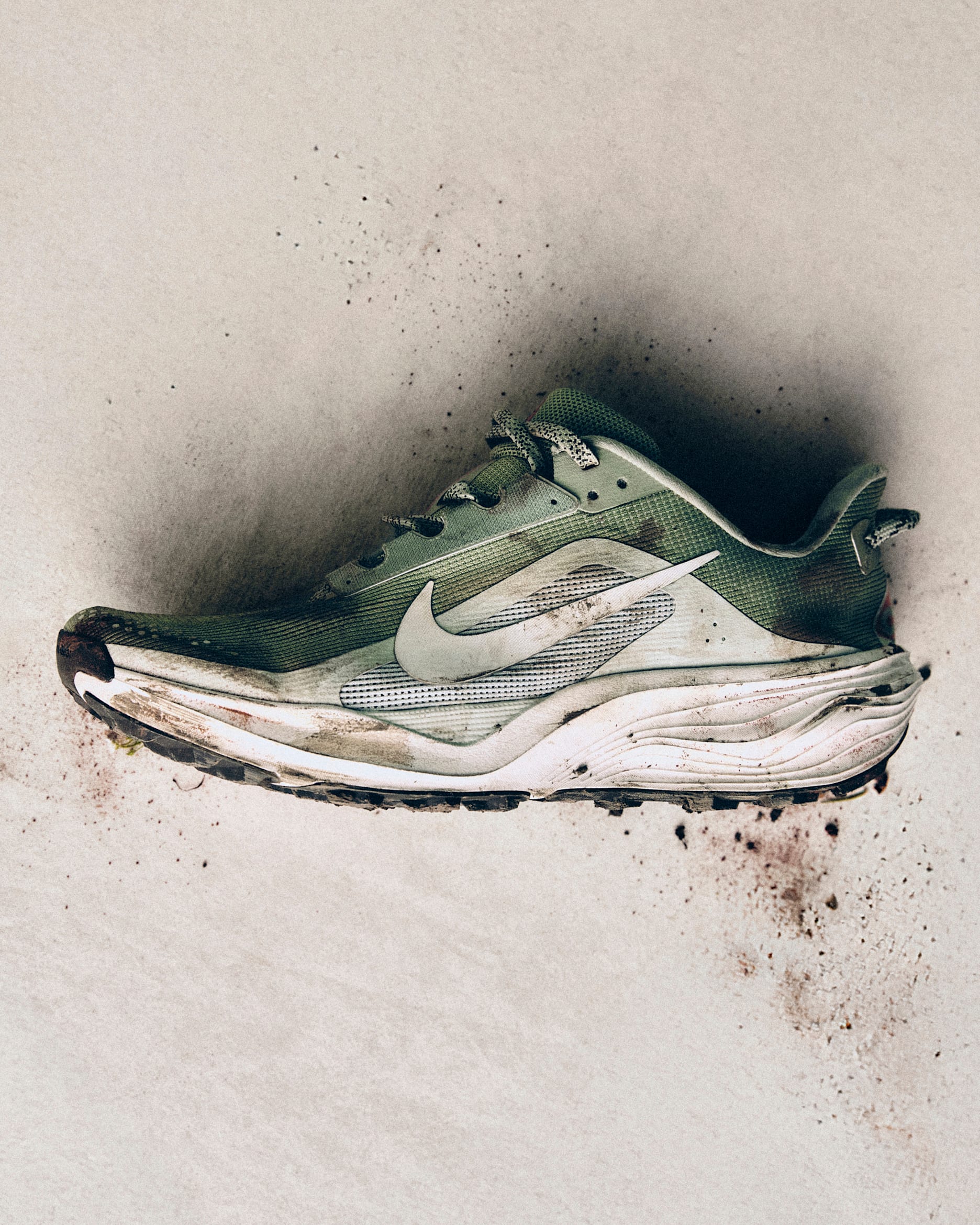
- Midsole creases or visible permanent compression lines along the foam.
- Heel counter (back of shoe) is limp or collapses when squeezed.
- Uneven sole wear or tilted stance that causes your ankle to roll.
- New or recurring aches in knees, hips, shins, or back after runs.
- Upper fabric is torn or the shoe no longer holds your foot snugly.
Practical example: I once ran 400 miles in a pair before checking the midsole. My cadence dropped and my left knee started aching. Inspecting the shoes showed a noticeably compressed midsole on that side — a classic "done" sign.

Mileage guidelines and why they’re only a starting point
Mileage gives a rough estimate, but it’s not the only factor. Use these rules as a baseline and adjust for your weight, running style, and terrain.
- Road running: 300–500 miles is a common range for neutral daily trainers.
- Trail running: 200–400 miles, depending on rough terrain and shoe construction.
- Heavy runners or those who pound the pavement: expect life toward the lower end.
- Light runners and rotational use: you can extend life beyond the top end.
Remember, mileage doesn’t replace visual and feel checks. Two shoes with the same miles can be at very different stages of wear depending on conditions and runner mechanics. How to tell if running shoes are done means combining mileage with physical inspection.

Simple at-home tests to check if shoes are done
Use quick, repeatable tests so you can assess shoes in minutes. Do these after a typical run and compare both shoes.
- The squat/flex test — Hold the shoe with two hands at the toe and heel, then bend. If it folds easily in the midsole or creases deeply, the midsole is breaking down.
- Heel counter test — Pinch and twist the back of the shoe. A firm heel counter should resist collapse; a soft one often means reduced support.
- Press test — Press the midsole with your thumb. If it leaves a lasting dent, the foam is crushed and shock absorption is reduced.
- Wear pattern check — Place the shoes flat on the floor. Look for tilting or uneven sole wear that forces your foot into a new angle.
- Compare with a newer shoe — If possible, compare feel and rebound side-by-side; differences reveal cushioning loss quickly.
PAA-style question: How fast does midsole foam break down? Midsole foam breaks down gradually over hundreds of miles, with pace influenced by weight, surface, and running style.
PAA-style question: Can I keep running if only the tread is worn? If tread is worn but cushioning is fine, you may continue short, cautious runs, but replace before cushioning fails.
What to do when your shoes are done
When you determine how to tell if running shoes are done, act in ways that protect your body and wallet.
- Replace with a similar or improved model if you use the shoes for training.
- Rotate into walking or casual workouts if cushioning loss is mild but structure remains.
- Recycle or donate if the upper is usable; many programs accept worn shoes for repurposing.
- Keep an older pair for short, easy recovery runs only if they don’t cause pain.
Tip: Keep a running log with start date, miles, and notes about feel. It makes it easier to time replacements before pain starts.
How to extend shoe life without risking injury
You can prolong usable life with smart habits. These steps delay "done" status and save money.
- Rotate between at least two pairs of shoes to let midsoles recover between runs.
- Use shoes for their intended purpose — don’t use road shoes for trails often.
- Dry shoes naturally; avoid heat that degrades foam.
- Clean salt and grit off soles to reduce abrasive wear.
- Store in a cool, dry place; constant compression in a hot car shortens life.
Caveat: No care routine fully prevents midsole fatigue. Eventually, materials break down. Knowing how to tell if running shoes are done helps you retire them at the right time.

Buying replacement shoes: what to look for
Replacing a worn pair is an opportunity to improve fit and comfort. Here’s what to prioritize.
- Similar ride and support if the old pair worked well.
- Updated midsole tech for better cushioning, if you want a softer ride.
- Proper fit in length and width; your feet may have changed since last purchase.
- Try a short test run or treadmill session before committing if possible.
- Think about rotating with a slightly different model to extend life of both.
Transition tip: Break new shoes in with short runs for the first 20–40 miles. This reduces blisters and helps you adapt to any changes in stack height or support.

Personal experience, lessons, and mistakes to avoid
I’ve learned hard lessons from ignoring wear signs. One season I pushed shoes past 500 miles; my cadence fell and I developed shin pain that took weeks to resolve. Now I check shoes every 100 miles and log mileage. I also rotate pairs and treat tread as a secondary sign — cushioning and midsole health matter most.
Mistakes to avoid
- Waiting until visible pain before inspecting shoes.
- Using shoes for the wrong terrain daily.
- Relying only on mileage without looking at structure and feel.
Practice these simple habits and you’ll rarely be surprised by a shoe that’s suddenly "done."

Frequently Asked Questions of how to tell if running shoes are done
How many miles should I expect from my running shoes?
Most running shoes last 300–500 miles, but this varies with weight, terrain, and running style. Use visual and feel checks to adjust the number for your situation.
Can worn shoes cause injury?
Yes. Worn cushioning and uneven soles change biomechanics and increase stress on joints, raising injury risk quickly. Replace shoes when you notice changes in comfort or form.
Is there a simple test to see if midsole foam is gone?
Press the midsole with your thumb and watch for a lasting dent, or compare rebound with a newer shoe. Persistent compression indicates lost cushioning.
Should I replace shoes if only the outsole is worn?
If only the outsole is worn but cushioning remains good, you can keep them for short, low-impact use. Replace before midsole breakdown begins.
Can shoe rotation delay replacement?
Yes. Rotating two or more pairs spreads wear and allows foam to recover a bit between runs, often extending usable life by 20–30 percent.
Conclusion
Knowing how to tell if running shoes are done keeps you healthier and running longer. Watch for flat cushioning, worn tread, midsole dents, limp heel counters, and changes in how your body feels after runs. Use simple at-home tests, log miles, rotate shoes, and replace them when signs appear rather than waiting for pain. Take action today: check your current shoes, log their miles, and plan replacements so your next run is safer and stronger. Leave a comment about your experience or subscribe for more practical running gear advice.

Rubel Miah is the Senior Editor at MyStyleGrid.com, where he brings a sharp editorial eye and an unshakable love for fashion to everything he does. A true style addict, Rubel lives and breathes trends, from streetwear to high fashion, and has a knack for turning inspiration into impactful stories. With years of experience in fashion journalism and digital media, he curates content that empowers readers to express themselves through style. When he’s not editing features or forecasting the next big thing, you’ll find him hunting down vintage pieces or capturing street style moments around the city.