Steel toe boots are not inherently dangerous when fitted and used properly on the job.
I’ve spent years in construction and safety training, testing boots and watching how people use them. This article explains whether are steel toe boots dangerous, what risks exist, how standards and proper fit reduce harm, and practical tips you can use today to stay safe. Read on for clear, evidence-based guidance and hands-on advice that you can trust.
How steel toe boots work and safety standards
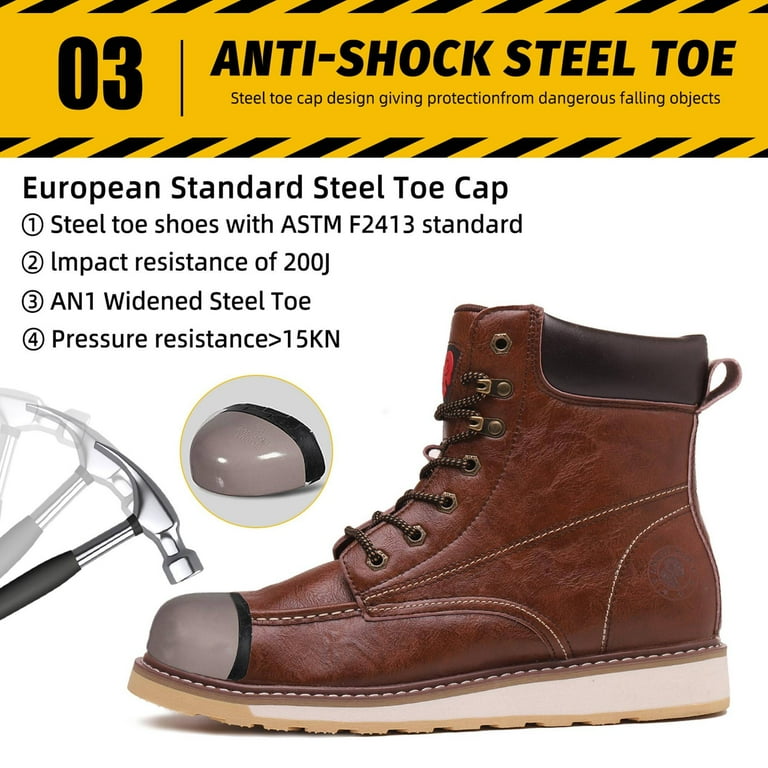
Steel toe boots have a protective cap over the toes. The cap resists impact and compression. This design prevents crushed toes from falling objects or heavy tools.
Safety bodies set rules for testing and labeling. Common standards include ASTM, EN ISO, and CSA. These standards define impact and compression ratings that tell you how protective a pair is.
Are steel toe boots dangerous? Risks and myths
Many people ask: are steel toe boots dangerous because metal can conduct electricity or crush toes in rare cases? The short answer is that risks exist but are small when boots meet standards and are used correctly.
Common myths include the idea that steel toes increase injury in a fall. In reality, most toe injuries come from lack of protection or poor fit. Another concern is electrical hazards; metal toes can conduct electricity unless the boot is specifically rated as non-conductive or electrically insulated.
PAA-style questions
Do steel toe boots increase the chance of foot injuries?
Properly rated steel toe boots reduce serious injuries from impact and compression. Poor fit or worn-out boots can raise other risks like trips or blisters.
Can steel toe boots fail and cause harm?
Yes, any protective gear can fail if damaged or used outside its limits. Regular checks and replacing boots when damaged keeps failure risk very low.
Are steel toe boots safe around electricity?
Not always. Unless the boot has electrical hazard or non-conductive labeling, assume the steel toe can conduct electricity. Choose EH-rated footwear for electrical work.
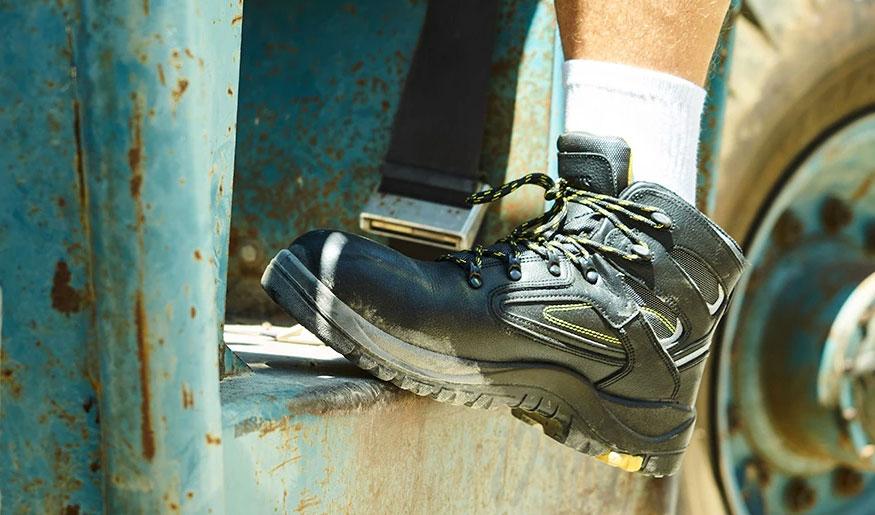
Common hazards and how to avoid them
Here are real hazards and simple ways to lower risk.
- Improper fit: A too-tight steel toe can cause pain and circulation problems. Always get the right size and try with work socks.
- Worn or damaged caps: Dents, cracks, or exposed edges weaken protection. Inspect boots weekly and replace when damaged.
- Wrong type for the job: Using conductive steel toes near live circuits is risky. Pick EH-rated or composite toe boots for electrical tasks.
- Poor ankle support: Slips and twists can happen in heavy boots without support. Choose boots with good soles and ankle fit.
Benefits of steel toe boots
Steel toe boots offer clear advantages for many jobs.
- Strong impact protection: They stop falling objects from crushing toes.
- Compression resistance: They protect against heavy equipment rolling onto feet.
- Durability: Quality steel toes last longer against knocks and drops.
- Cost-effective: For heavy-duty work, steel toes often give the best protection per dollar.
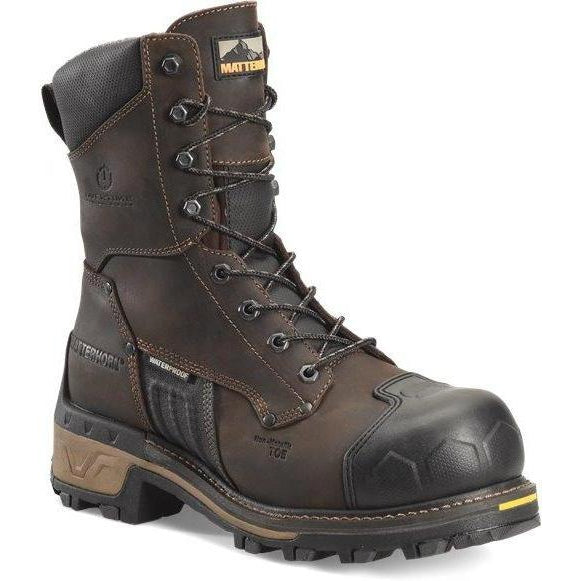
Choosing the right steel toe boots
Selecting the right pair reduces the chances that are steel toe boots dangerous for you.
- Match the standard: Look for ASTM or EN ISO ratings that suit your tasks.
- Choose the right toe type: Steel toe, composite toe, or aluminum each have pros and cons. Composite toes are lighter and non-conductive.
- Consider sole and tread: Slip-resistant soles reduce falls. Oil- and chemical-resistant soles add safety for specific environments.
- Check for comfort features: Good insoles, roomy toe box, and proper heel lock reduce blisters and foot fatigue.
When trying boots, wear the socks you will use at work. Walk on different surfaces in the store if possible. A few minutes of testing prevents months of pain.
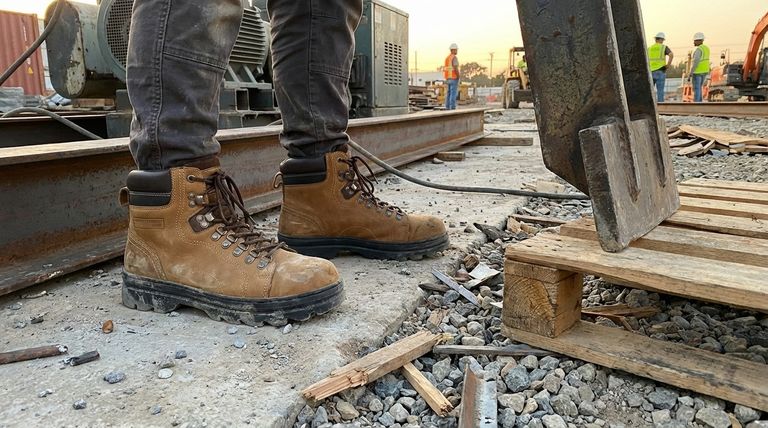
Care, maintenance, and inspection
Routine care keeps protection reliable and lowers the chance are steel toe boots dangerous in everyday use.
- Inspect weekly: Look for sole separation, loose stitching, or damaged toe caps.
- Clean and dry: Remove dirt and dry naturally; heat can warp materials.
- Replace insoles: Worn insoles reduce comfort and fit, raising trip risks.
- Follow manufacturer guidance: Some repairs are safe, others void protection ratings.
Replace boots when structural damage appears or after severe impacts. A boot that looks fine can still be compromised, so be cautious.
Personal experience and lessons learned
I once watched a coworker wear a cheap, ill-fitting pair to a busy warehouse shift. A dropped pallet dented the toe cap, and the worker had only minor bruising because the cap held. Later, the same boots gave him blisters and a twisted ankle because the sole separated. That taught me two lessons: protection matters, and so does condition.
From my testing and field work:
- Invest in reputable brands with certified standards.
- Inspect boots before each shift.
- Replace within a few years or sooner if abused.
These simple steps turned near-miss stories into non-events more than once. Practical care and the right choice matter most when assessing are steel toe boots dangerous for you.
Frequently Asked Questions of are steel toe boots dangerous
Are steel toe boots comfortable for long shifts?
Modern steel toe boots can be very comfortable if they fit well and have cushioning. Choose boots with good arch support and break them in gradually.
Can steel toe boots cause long-term foot problems?
Poor fit and constant pressure can cause issues like bunions or nerve pain over time. Proper sizing and periodic rest reduce long-term risks.
Should electricians avoid steel toe boots?
Electricians should avoid conductive toes unless the boot is EH-rated. Composite toe or insulated designs are safer around live circuits.
How often should I replace steel toe boots?
Replace them when soles wear out, toes are damaged, or comfort drops noticeably. For heavy daily use, many workers replace boots every 1–3 years.
Are composite toe boots safer than steel toes?
Composite toes are lighter and non-conductive, but they may be bulkier and less durable against sharp impacts. The right choice depends on your job hazards.
Conclusion
Steel toe boots are a powerful safety tool, and are steel toe boots dangerous only when misused, poorly fitted, or in the wrong work environment. Choose certified boots, check them often, and match features like electrical rating and sole type to your tasks. Do this, and you’ll get strong protection with minimal downside.
Take action today: inspect your boots, check their ratings, and replace any pair that shows damage. Share your experience or questions below, and subscribe for more practical safety tips.

Rubel Miah is the Senior Editor at MyStyleGrid.com, where he brings a sharp editorial eye and an unshakable love for fashion to everything he does. A true style addict, Rubel lives and breathes trends, from streetwear to high fashion, and has a knack for turning inspiration into impactful stories. With years of experience in fashion journalism and digital media, he curates content that empowers readers to express themselves through style. When he’s not editing features or forecasting the next big thing, you’ll find him hunting down vintage pieces or capturing street style moments around the city.