Good hiking shoes are comfortable, supportive, grippy, and matched to the trail and load.
I’ve spent years testing boots and shoes on wet rocks, dusty singletrack, and long backpacking routes. This guide answers what are good hiking shoes with clear, practical advice you can use today. I’ll explain types, fit, materials, and how to pick the right pair for your hikes so you stop guessing and start enjoying the trail.
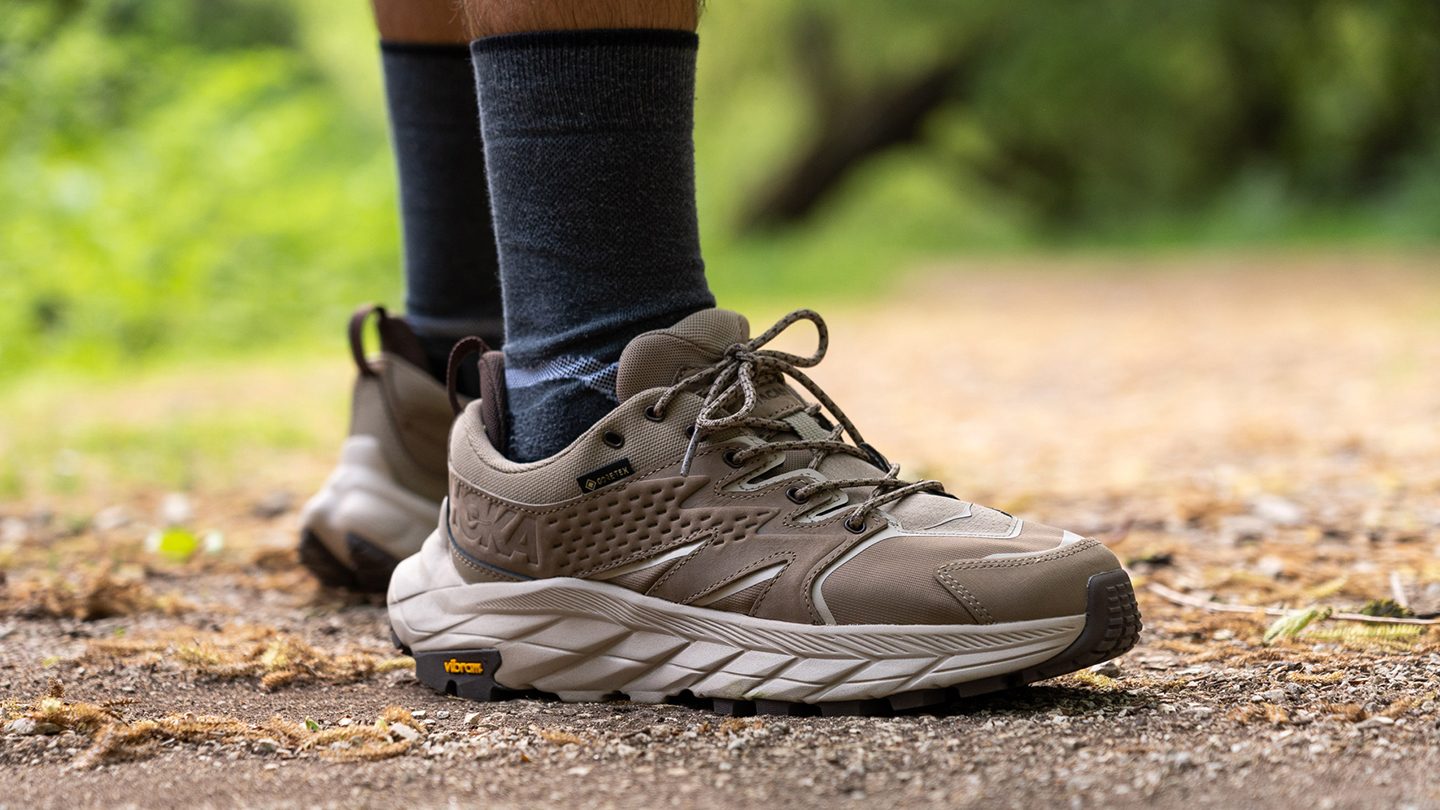
Why asking "what are good hiking shoes" matters
Choosing the right pair changes a hike from painful to joyful. Good hiking shoes prevent blisters, protect your feet, and improve balance on tricky terrain. They also cut the risk of ankle twists and long-term joint strain.
If you want to know what are good hiking shoes, think about comfort, fit, traction, and the terrain you’ll face. Match shoe type to the hike length and pack weight. That simple framework clears up most buying mistakes.

Types of hiking shoes and when to use them
There are clear categories to know. Pick the style that fits your pace and purpose.
- Trail runners
- Lightweight and fast. Best for day hikes, fastpacking, and hikers who value speed.
- Less ankle support, but great breathability and quick drying.
- Lightweight hiking shoes
- Low to mid-cut. Good for day hikes with moderate terrain.
- Balance between comfort and protection.
- Hiking boots (mid-cut)
- Offer ankle support and more protection. Great for uneven trails and longer days.
- Heavier than trail runners but steadier on roots and rocks.
- Backpacking boots (full-grain leather, high-cut)
- Built for heavy loads and multi-day trips. Strong support, stiff midsoles, durable uppers.
- Best when you carry a heavy pack or cross rugged terrain.
Knowing these types helps answer what are good hiking shoes by narrowing the field to what fits your needs. Choose the category before you compare models.
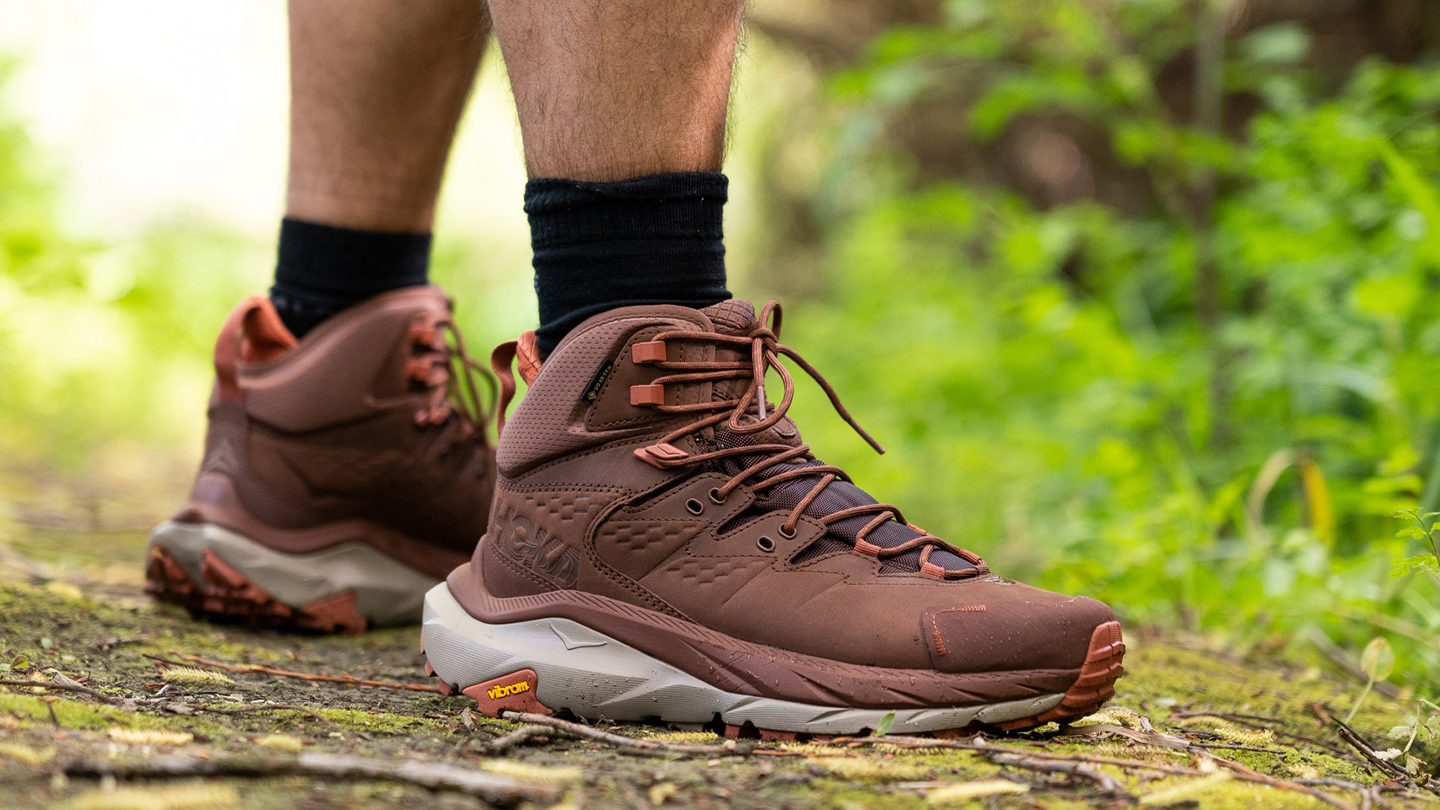
Key features to look for
Good hiking shoes combine several features. Check each one before buying.
- Fit and shape
- Spacious toe box to let toes splay downhill.
- Secure heel cup to prevent slipping.
- Enough room for a thicker hiking sock without pinching.
- Midsole support
- EVA is light and cushy. PU is heavier and more durable for long treks.
- Look for a firm midsole if carrying a heavy pack.
- Outsole and tread
- Deep, multi-directional lugs for mud and roots.
- Sticky rubber helps on wet rocks.
- A rock plate or shank adds protection on sharp terrain.
- Upper materials
- Full-grain leather resists abrasion and lasts long.
- Synthetics dry faster and weigh less.
- Suede leathers offer a middle ground.
- Waterproofing vs breathability
- Waterproof membranes keep out water but reduce breathability.
- For hot, dry trails, breathable non-waterproof shoes may be better.
- Weight and pack considerations
- Lighter shoes reduce fatigue and speed up hiking.
- Heavier boots add support with a weight penalty.
These features help you answer what are good hiking shoes for your personal trail choices. Don’t chase one perfect feature; balance matters.

People also ask: quick PAA-style answers
- What makes a shoe good for hiking?
- A good hiking shoe fits well, offers traction, protects the foot, and suits the trail and load.
- Are trail runners good hiking shoes?
- Yes, for fast day trips and dry trails. They trade ankle support for speed and lightness.
- Do I need waterproof hiking shoes?
- Only if you regularly hike wet trails or need full protection. Otherwise breathable shoes dry faster and feel cooler.
:max_bytes(150000):strip_icc()/tal-hiking-shoes-test-la-sportiva-tx-mid-gtx-kristin-cleveland-03-1-044ec838044b44fa979632f0f170aaa1.jpeg)
How to fit and size hiking shoes correctly
Fit is the most important factor. The right size beats fancy tech.
- Try shoes in the afternoon when feet are slightly swollen from daily use.
- Wear the socks you plan to hike in during the fitting.
- Leave a thumb’s width of space at the toe for downhill travel.
- Check heel slip by walking briskly; minimal slip is okay but not too much.
- Walk on varied surfaces in the store or test area to feel stability.
If you ask what are good hiking shoes and pick based on fit first, you’ll avoid most regret. A well-fit shoe improves comfort and safety immediately.
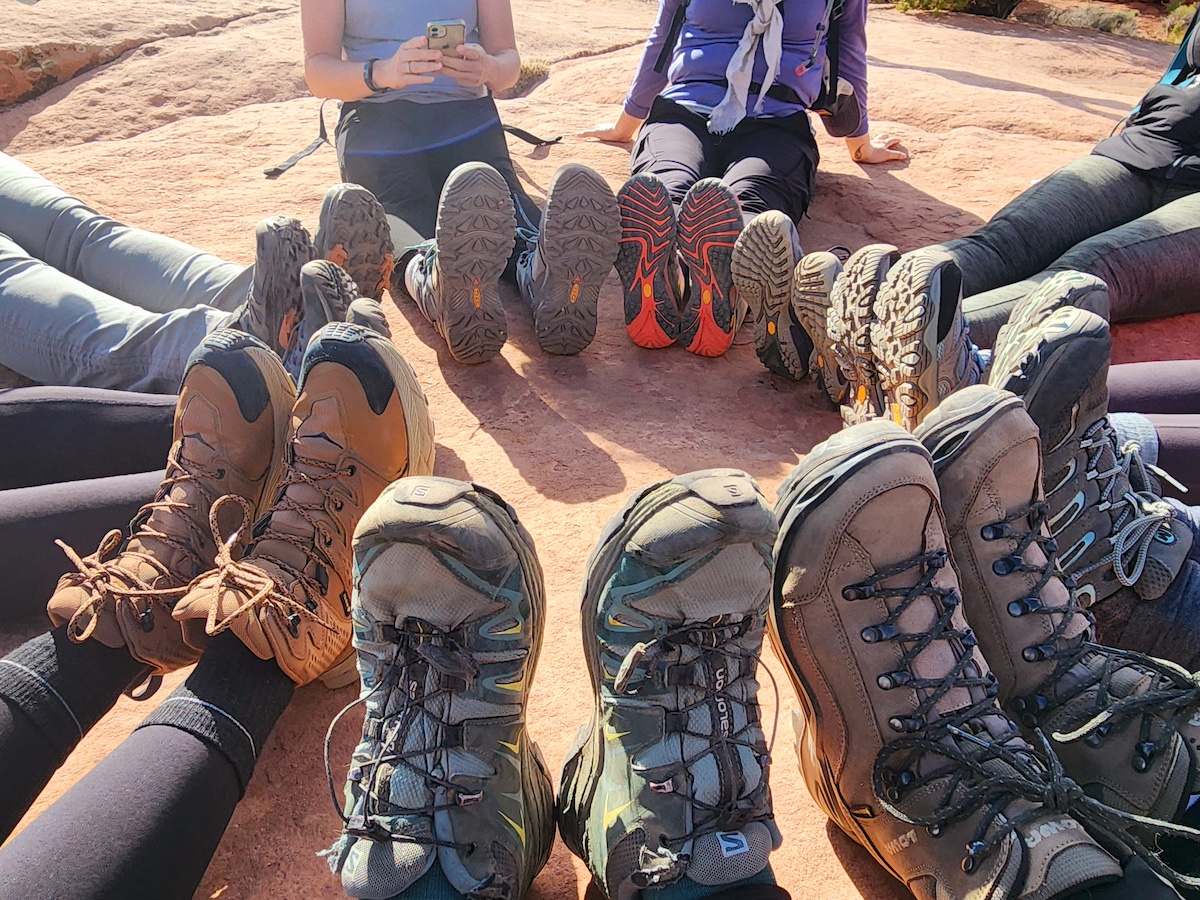
Choosing shoes by trail type and load
Match shoe type to your route. This avoids overpaying or underpreparing.
- Flat, groomed trails and short day hikes
- Lightweight hiking shoes or trail runners work best.
- Rocky, root-strewn trails and technical day hikes
- Mid-cut hiking shoes or light boots add protection and ankle support.
- Long backpacking trips with heavy packs
- Stiff backpacking boots with a supportive midsole and high cuff are ideal.
- Wet, muddy conditions
- Shoes with deep lugs and water-shedding outsoles help; consider waterproofing.
As you decide what are good hiking shoes, always consider the worst-case trail condition you expect. That keeps you safe and comfortable.

Breaking in, care, and maintenance
New shoes often need time. Proper care extends their life.
- Break-in tips
- Start with short walks, then half-day hikes, then full days.
- Use thicker socks at first if you feel hotspots.
- Adjust lacing to lock the heel and reduce toe impact.
- Cleaning and maintenance
- Remove dirt and rinse with water. Avoid machines and harsh detergents.
- Reapply DWR spray to synthetic or textile uppers as needed.
- Condition leather with products made for hiking boots.
- Replace insoles when flattened to restore support.
- Repair and resole
- High-quality leather boots can be resoled, extending life by years.
- Keep an eye on outsole wear; replace shoes when traction fails.
Knowing how to care for shoes answers part of what are good hiking shoes by prolonging their performance and protecting your investment.
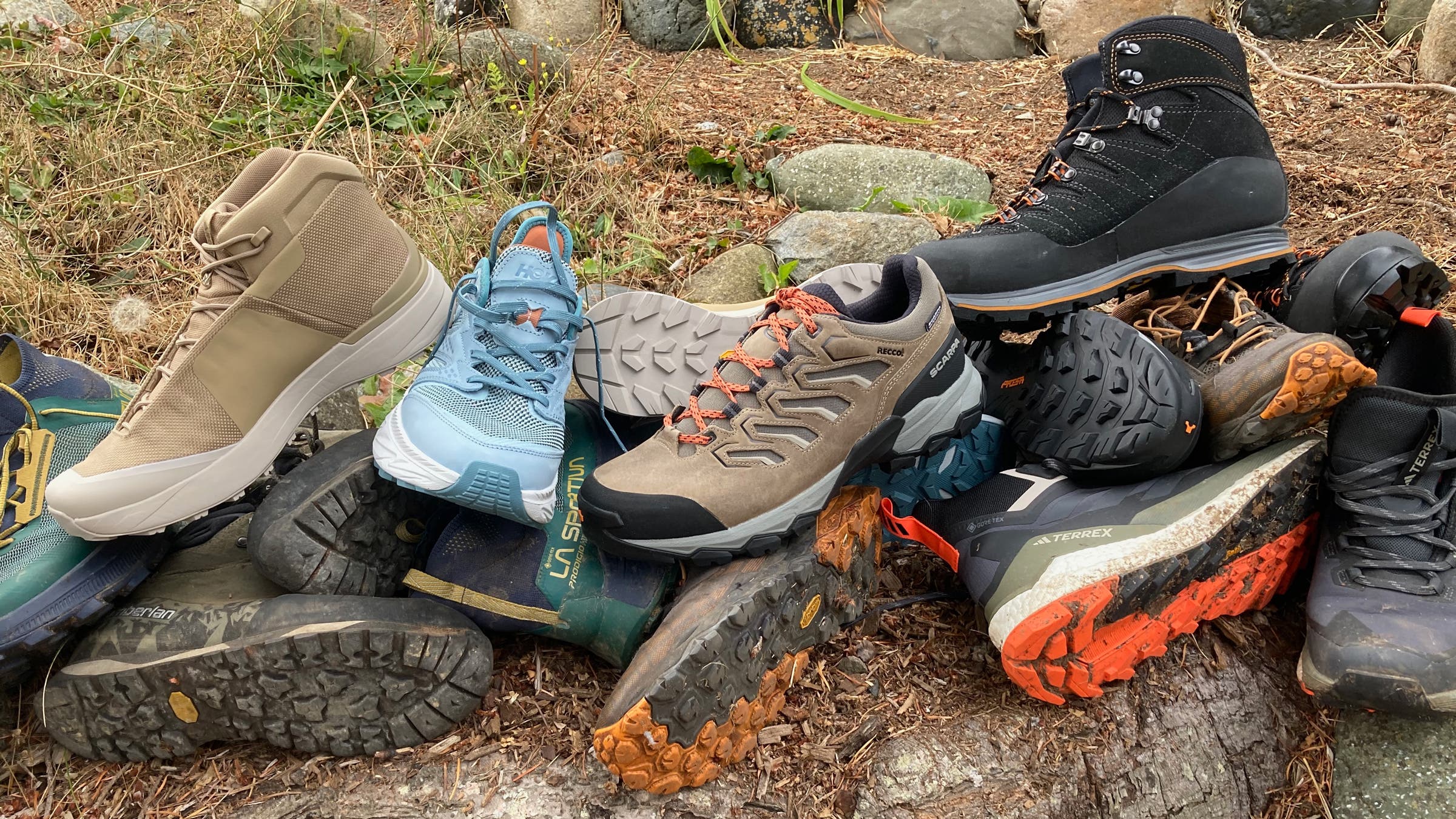
Personal experience and practical tips
I’ve logged hundreds of trail miles in different shoes. Here are lessons learned.
- I once chose a lightweight trail shoe for a week of rain. My feet stayed cold and wet. Since then I carry waterproof socks or choose waterproof shoes for long wet trips.
- A stiff boot saved my knees on a heavy-pack trip across scree. That taught me to match support to pack weight.
- I avoid buying too tight shoes to “force a break-in.” Pain is not a good teacher. Buy for comfort from the start.
Practical tips I use every time I shop:
- Try shoes with the exact socks and orthotics you’ll hike in.
- Walk on varied surfaces to test traction.
- Buy from a retailer with a good return policy to test on trail.
These real moments answer what are good hiking shoes by showing how choices play out on real trails. Learn from them to save time and pain.
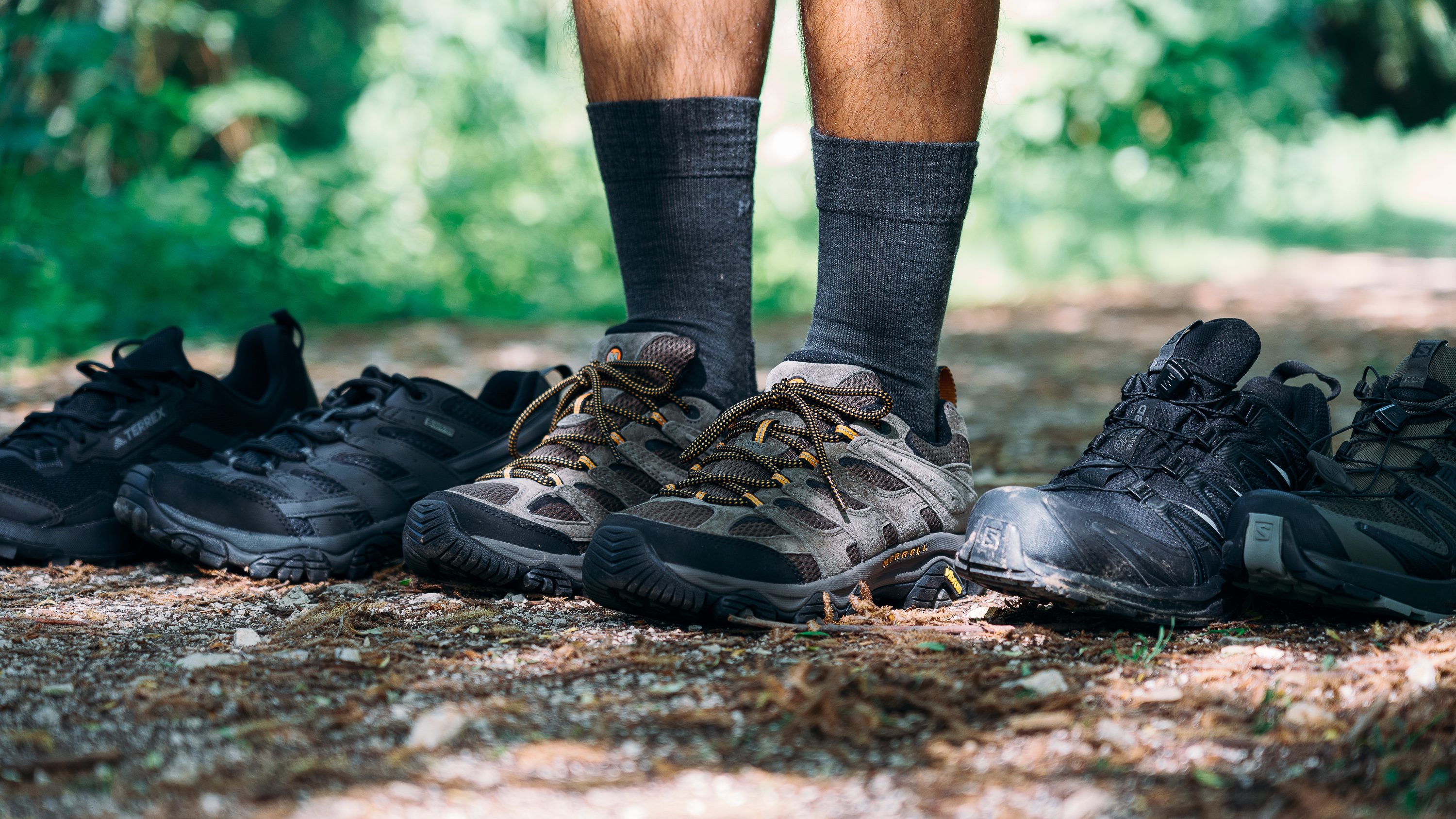
Frequently Asked Questions of what are good hiking shoes
What are the best hiking shoes for long distances?
For long distances, choose shoes with a cushioned midsole, stable heel, and reliable outsole. Trail runners and lightweight hiking shoes are common picks for speed, while backpacking boots suit heavy loads.
Should my hiking shoes be waterproof?
Waterproof shoes help in wet conditions, but they trap heat. If you hike in rain or wet terrain often, go waterproof; for hot or mixed conditions, prioritize breathability.
How much room should I have in the toe box?
Leave about a thumb’s width of space from the longest toe to the shoe end. That prevents bruised nails on descents and allows toes to splay naturally.
Are expensive hiking shoes always better?
Not always. Fit and suitability matter more than price. Higher-priced shoes often use durable materials, but an inexpensive shoe that fits well can outperform a costly, poorly fitting pair.
How do I know when to replace hiking shoes?
Replace shoes when the outsole has little tread, the midsole is compressed and loses cushioning, or the upper has structural failures. If you feel new aches or slipping, it’s time to replace them.
Conclusion
Good hiking shoes are the ones that fit your feet, match the terrain, and support your hiking style. Prioritize fit first, then pick the type and features that match your typical trails and pack weight. Test shoes with the socks and insoles you use, break them in gently, and care for them to get the most life and safety from your purchase.
Take the next step: try a few models on a local trail, note how they feel after a half-day, and choose the pair that keeps your feet happy. Share your experience below or subscribe for gear reviews and trail-tested recommendations.

Rubel Miah is the Senior Editor at MyStyleGrid.com, where he brings a sharp editorial eye and an unshakable love for fashion to everything he does. A true style addict, Rubel lives and breathes trends, from streetwear to high fashion, and has a knack for turning inspiration into impactful stories. With years of experience in fashion journalism and digital media, he curates content that empowers readers to express themselves through style. When he’s not editing features or forecasting the next big thing, you’ll find him hunting down vintage pieces or capturing street style moments around the city.