Yes — in rare cases a venomous snake can puncture muck boots if conditions align.
I’ve spent years working outdoors in wet fields, testing gear, and learning snake behavior. In this article I’ll explain how snake fangs, boot materials, and real-world situations combine to determine whether muck boots stop a bite. You’ll get clear facts, practical safety tips, and buying guidance so you can decide how much protection your muck boots really offer.
How snake bites work and why fang length matters
Snake bites are a mix of biology and physics. Venomous snakes use hollow or grooved fangs to inject venom. A bite is effective when the fang penetrates soft tissue and reaches a blood-rich area.
- Fang length varies by species and age, from a few millimeters to over a centimeter.
- Fangs focus force on a very small area, increasing the chance of puncture.
- Some snakes strike with strong forward force; others deliver shallow bites.
Understanding these mechanics helps predict whether muck boots can block a bite. Boots that are thick, layered, and resistant to puncture reduce risk, but no soft boot is truly impenetrable. Studies and field reports show that thin rubber or neoprene layers are more likely to be punctured than dense leather or reinforced materials.

What muck boots are made of and how that affects protection
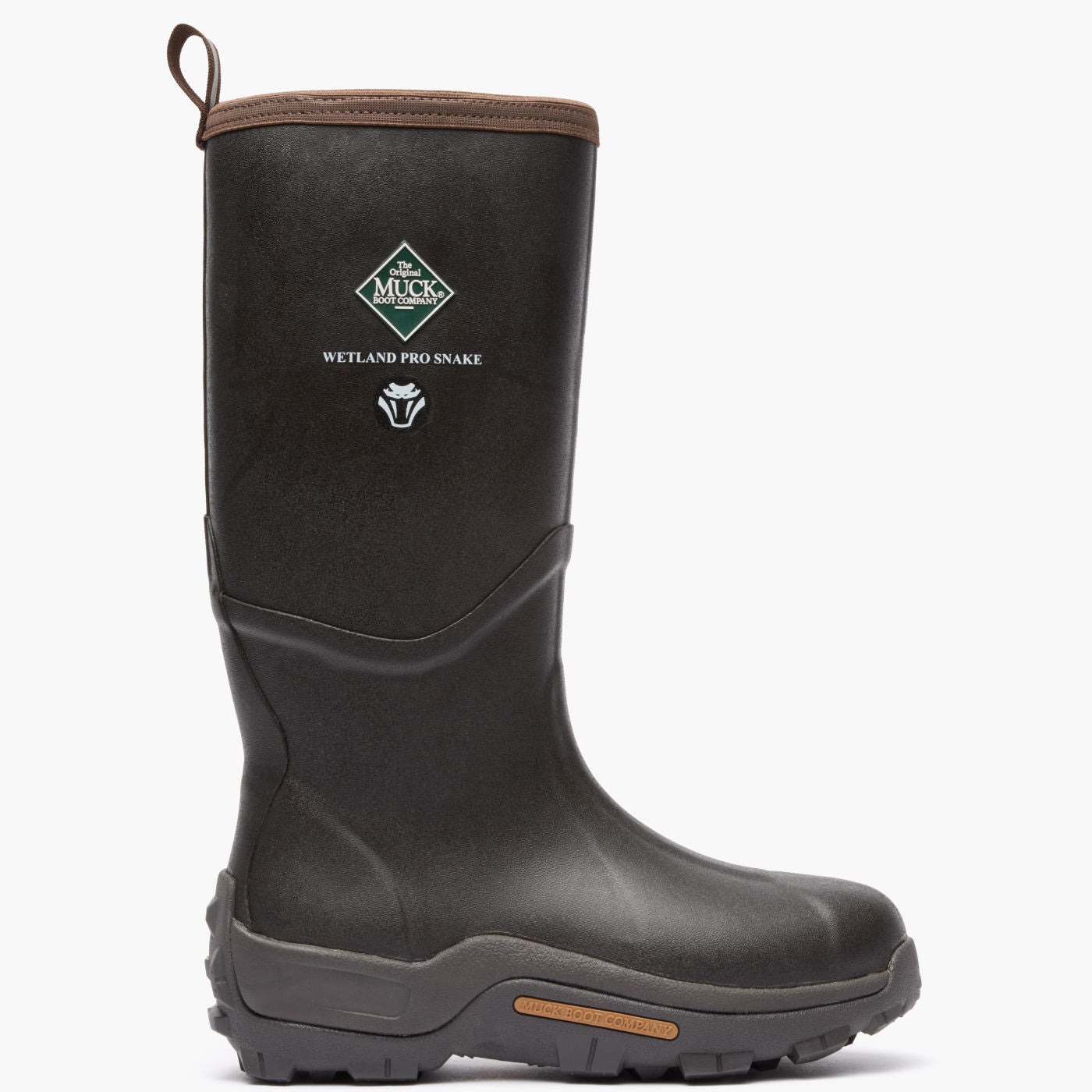
Muck boots are popular for wet, muddy work because they are waterproof and flexible. Typical muck boots combine materials that affect puncture resistance.
- Outer shell: usually rubber or PVC; flexible and waterproof but not always puncture-proof.
- Inner liner: neoprene for insulation and comfort; soft and easy for fangs to penetrate.
- Sole: thicker rubber or lugged tread gives some distance between fang and foot.
- Reinforcements: a few models add steel toes, thicker midsoles, or puncture-resistant plates.
Most muck boots prioritize waterproofing and comfort over puncture resistance. That makes them ideal for farms and gardens, but less ideal if you expect close encounters with venomous snakes. If your muck boots include a steel toe or puncture plate, the chance of a fang penetrating to skin drops significantly.

Can snakes bite through muck boots? The realistic risks
Short answer: it depends. Evaluate three main factors.
- Snake species and fang size: Larger venomous snakes with longer fangs pose a higher risk of puncturing mud-boot materials. Small snakes with short fangs may not reach through thick soles or reinforced layers.
- Boot construction: Thin rubber or soft neoprene muck boots are more vulnerable. Boots with dense soles, multiple layers, and reinforcement reduce risk.
- Strike angle and force: A direct strike to the soft upper is more likely to puncture. A sideways brush or glancing blow is less likely to penetrate.
Risk scenarios
- High risk: ankle or lower-leg strikes from large vipers when wearing low-cut muck boots without reinforcements.
- Moderate risk: foot strikes against a thin-soled muck boot, especially if the wearer kneels or puts weight on the boot.
- Low risk: tall, reinforced boots or when additional snake gaiters are used.
Statistically, documented cases of snakes penetrating well-constructed muck boots are uncommon. But complacency is dangerous. Treat muck boots as helpful but imperfect protection when snakes are present.

Personal experience and real-world examples
I’ve worked on wetlands and run cattle in areas with timber rattlesnakes and cottonmouths. Once, a coworker had a close call: a venomous snake struck the side of his ankle while he wore short muck boots. The boot’s rubber layer slowed the puncture, but the fang found a weak seam and made contact with skin, resulting in a localized envenomation.
Lessons I learned
- Avoid low-cut muck boots in known snake habitat.
- Add gaiters or use taller, reinforced boots if you’ll be in dense brush or tall grass.
- Inspect boots regularly for thin spots and seams that could fail under a strike.
These firsthand lessons echo field reports that show most incidents happen when people are surprised, kneeling, or handling heavy gear that limits reaction time.

Practical safety tips when wearing muck boots around snakes
You don’t have to stop using muck boots, but take smart precautions to reduce bite risk.
- Choose taller boots when working in snake country to cover more of the lower leg.
- Add snake gaiters or leggings over muck boots for an extra layer of puncture resistance.
- Stay alert: watch where you step, avoid tall grass, and use a pole to probe unseen areas.
- Avoid sudden movements when you see a snake; give it room to retreat.
- Inspect and repair boots: patched seams or worn soles reduce protection.
Simple habits cut risk dramatically. I recommend treating muck boots as one line of defense, not the only one.
How to choose muck boots if snake protection is a concern
When snake safety matters, look beyond basic muck boot features.
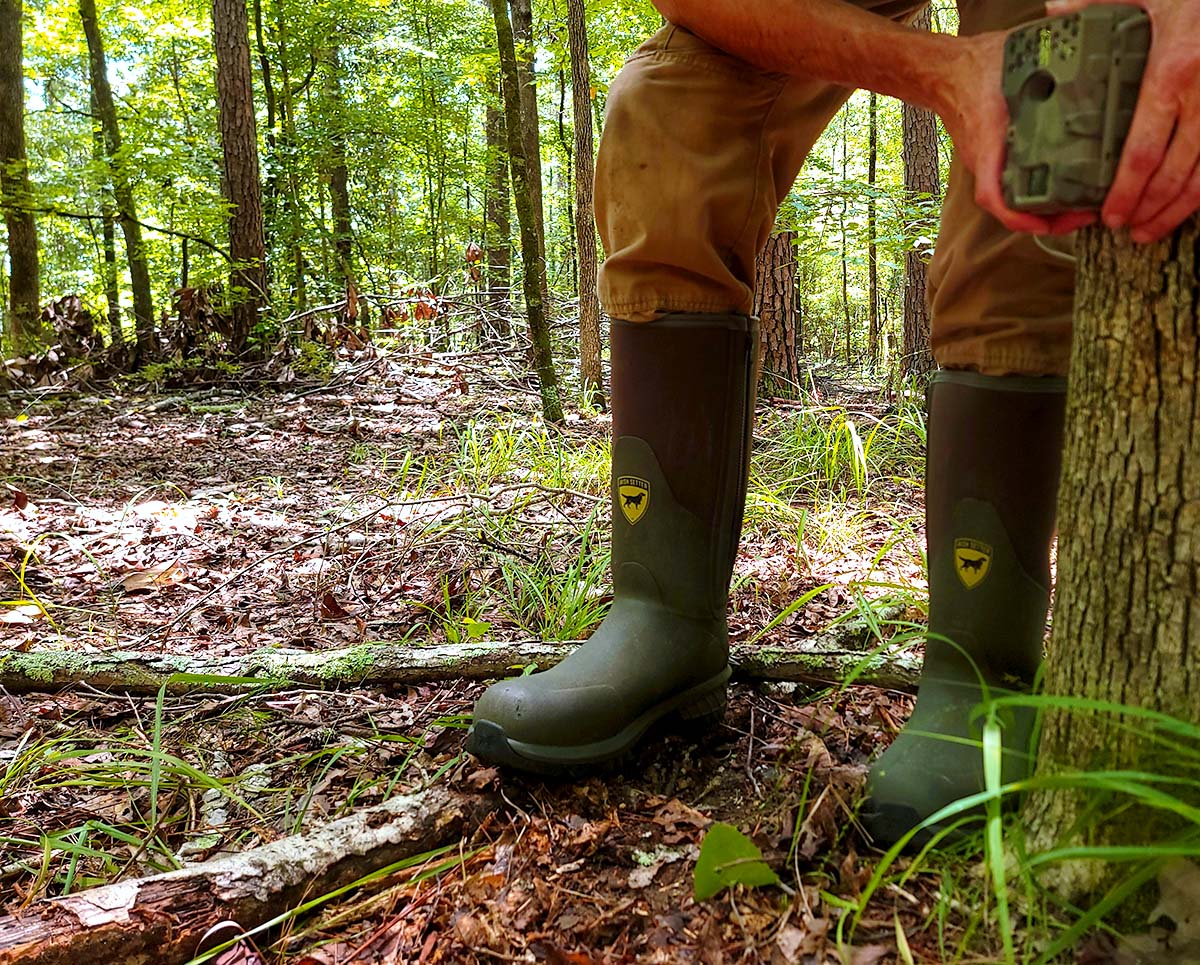
- Height: taller boots protect more of your leg.
- Sole thickness: a thick lug sole increases distance between fang and foot.
- Reinforcement: boots with internal puncture plates or steel toes offer better defense.
- Material density: heavy-duty rubber and thick leather layers resist puncture more than thin neoprene.
- Fit and mobility: a snug but comfortable fit reduces the chance of the boot folding and exposing soft areas.
Alternatives and add-ons
- Dedicated snake-proof boots: designed with puncture-resistant shafts and woven fiberglass or metal plates.
- Snake gaiters: wrap over the boot and lower leg for added protection.
- Work boots with puncture-resistant midsoles combined with gaiters for waterproofing.
If you spend lots of time in snake country, invest in footwear that balances waterproofing, comfort, and puncture resistance.

First aid: what to do if a snake bites through muck boots
If a bite occurs through muck boots, act quickly and calmly.
- Get to safety and call emergency services immediately if the snake is venomous or unknown.
- Keep the bitten limb immobilized and at or slightly below heart level.
- Remove tight clothing, jewelry, or boots near the bite to allow for swelling.
- Do not apply tourniquets, ice, or try to suck out venom; these actions can harm more than help.
- If possible, note the snake’s appearance so medical staff can identify the venom type.
Timely medical care is the single most important factor in outcomes. Even a small puncture through muck boots can introduce dangerous venom, so treat every suspected venomous bite seriously.

Frequently Asked Questions about can snakes bite through muck boots
Can all snakes bite through muck boots?
Some snakes can, but not all. Venomous species with long fangs and strong strikes are more likely to penetrate thin muck boots.
Are tall muck boots safer than short ones?
Yes. Taller muck boots protect more of the lower leg and reduce the chance of a fang reaching skin.
Will snake gaiters make muck boots safe?
Gaiters add a layer of protection and reduce risk, but they do not guarantee safety. Use reinforced gaiters designed to stop fangs.
Should I stop wearing muck boots if I work in snake areas?
No, but choose higher-grade muck boots and combine them with gaiters or snake-proof footwear when needed.
How often do snakes actually bite through muck boots?
Incidents are relatively rare but not impossible. Most bites occur when boots are low-cut, worn out, or struck at a weak seam.
If a snake bites my muck boot, do I need antivenom?
If the snake is venomous and there’s any sign of envenomation—swelling, pain, dizziness—seek medical care immediately; a clinician will determine antivenom need.
Conclusion
Muck boots are excellent for wet work, but they are not a guaranteed shield against snake bites. Evaluate your environment, choose higher-cut and reinforced muck boots when necessary, and add gaiters or specialty snake-proof footwear for serious snake-country work. Practice awareness, inspect your gear, and keep first-aid plans ready.
Take action today: check your muck boots for wear, consider a protective upgrade, and commit to safety habits that lower your risk. If this article helped, share your experience or ask a question in the comments—your story might help someone else stay safe.

Rubel Miah is the Senior Editor at MyStyleGrid.com, where he brings a sharp editorial eye and an unshakable love for fashion to everything he does. A true style addict, Rubel lives and breathes trends, from streetwear to high fashion, and has a knack for turning inspiration into impactful stories. With years of experience in fashion journalism and digital media, he curates content that empowers readers to express themselves through style. When he’s not editing features or forecasting the next big thing, you’ll find him hunting down vintage pieces or capturing street style moments around the city.