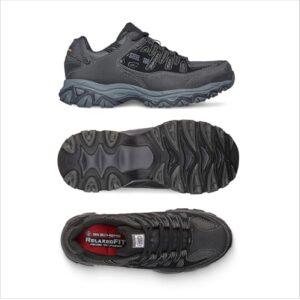
Choose running shoes with firm arch support, stability features, and a roomy fit for flat feet.
I’ve helped runners and clients pick the right shoes for flat feet for years. This guide shows exactly how to choose running shoes for flat feet, with clear steps, simple tests, and real-world tips you can use today. Expect plain language, practical checks, and tools to help you feel stable, reduce pain, and run more comfortably.
Why flat feet matter for runners
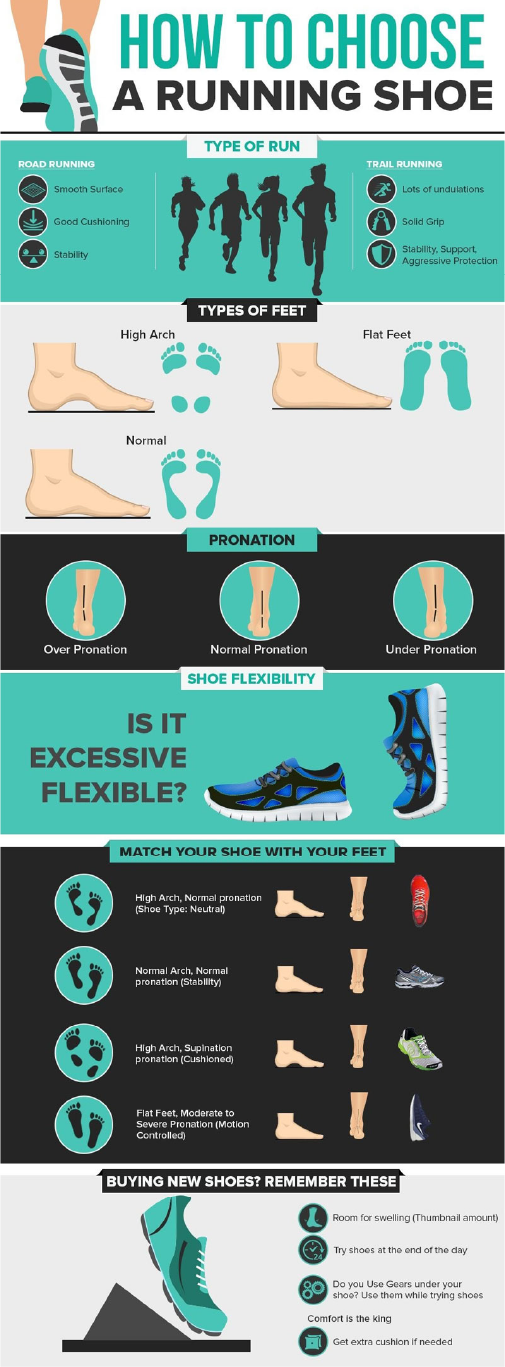
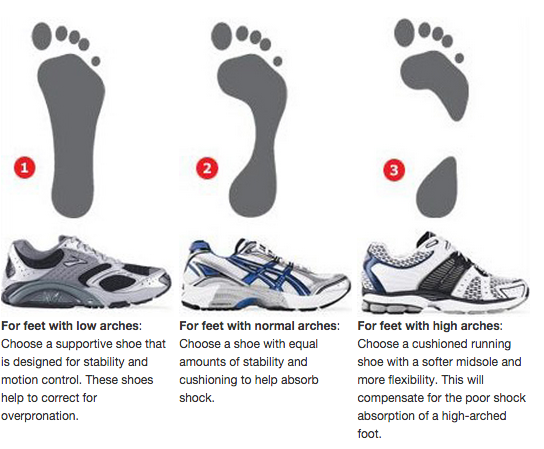
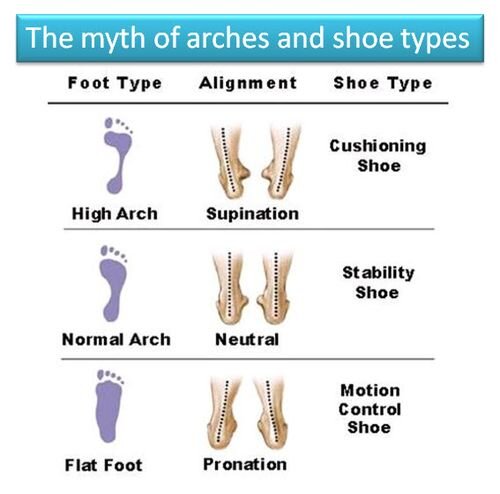
Flat feet means the arch of the foot is low or collapsed. This changes how weight moves through the foot. Runners with flat feet often pronate more. Pronation is the inward roll of the foot as it lands.
When pronation is excessive, the foot can lose shock absorption. This raises risk for shin pain, knee pain, and plantar heel problems. That is why knowing how to choose running shoes for flat feet is vital. The right shoe helps control motion. It gives support where the arch is weak. It keeps your stride stable and more efficient.

Key features to look for when learning how to choose running shoes for flat feet
Start with these features. Each one matters when selecting how to choose running shoes for flat feet.
- Arch support and medial posting — Look for a firm arch support or built-in medial post to reduce inward roll and give midfoot stability.
- Stability and motion control — Shoes labeled stability or motion-control help limit excess pronation and keep the foot aligned.
- Stiff midsole torsion — A midsole that resists twisting adds control. It helps the arch not collapse under load.
- Cushioning that balances support — Cushioning should absorb shock but not let the foot sink too much. Too soft can worsen pronation.
- Wide toe box and correct width — Flat feet often need more room across the forefoot. A wider shoe prevents rubbing and toe splay restriction.
- Firm heel counter — A firm heel cup locks the heel in place. This reduces slippage and unwanted rotation.
- Appropriate heel-to-toe drop — Moderate drop (6–10 mm) often works well. Very low drops can increase strain on the calf if your mechanics are off.
- Durable outsole and traction — Good grip and a stable base improve confidence on different surfaces.
- Option for custom or over-the-counter insoles — Removable liners let you upgrade to a custom orthotic when needed.
These points explain how to choose running shoes for flat feet in a way you can test in the store or at home. Focus on stability, arch control, and fit. If a shoe looks cushy but collapses under pressure, it isn’t right.
How to test shoes in-store and at home
Try these quick tests to see if a shoe supports your flat feet.
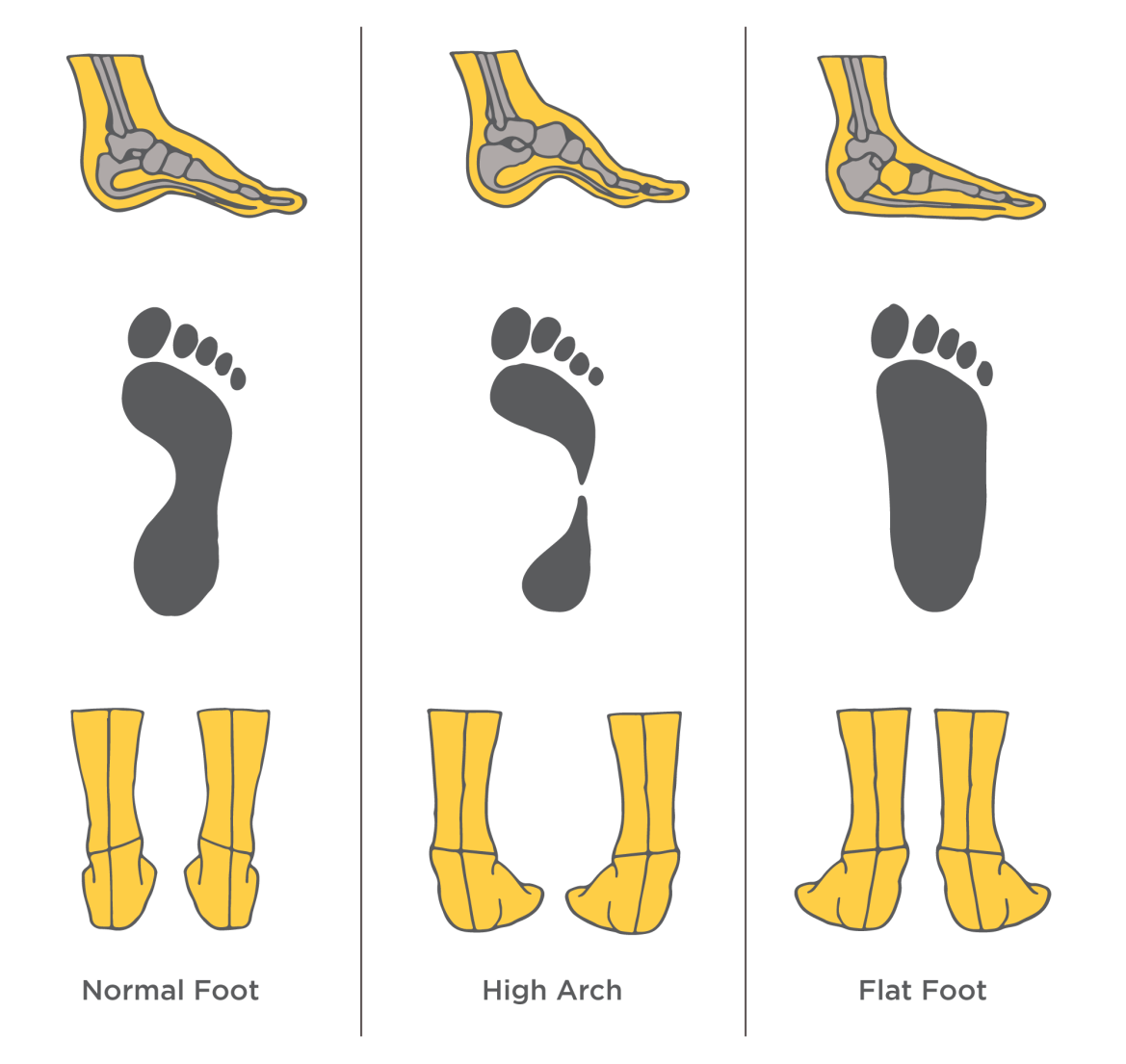
- The wet test — Wet your foot and step on paper. Wide wet imprint with little arch means flat feet.
- The press test — Press the shoe midsole with your thumb. If it compresses too easily, it may not give enough support.
- Heel lock test — Lace the shoe and walk. Your heel should stay put with minimal lift.
- Twist test — Twist the shoe front to back. Too much twist means poor torsional support.
- Short jog or run test — Many stores let you jog on a treadmill. Run for 2–5 minutes to feel stability and comfort.
Do these tests while saying out loud what you feel. The goal is to match shoe feel with how to choose running shoes for flat feet: firm where the arch is, roomy in the front, and stable underfoot.
Types of shoes and technologies that help flat feet
Not all shoes are equal. Here are the types that usually work best when you want guidance on how to choose running shoes for flat feet.
- Stability shoes — Built for mild to moderate overpronators. They pair cushioning with a firmer medial side.
- Motion-control shoes — For stronger pronation. They use rigid construction and strong posting to limit motion.
- Neutral shoes plus orthotic insoles — If you prefer soft shoes, add a supportive insole or custom orthotic to control the arch.
- Lightweight stability trainers — Offer a balance between weight and control for faster runs without losing support.
- Avoid overly minimal or barefoot shoes early on — They provide little structure and can worsen symptoms if your feet are weak.
Most runners with flat feet start with stability shoes or neutral shoes fitted with insoles. This is a core principle of how to choose running shoes for flat feet.

Choosing orthotics and insoles for flat feet
Insoles can change the whole fit of a shoe. They are a key part of how to choose running shoes for flat feet.
- Over-the-counter insoles — Good first step. Look for models with a firm arch and firm heel cup.
- Custom orthotics — Best when pain persists. They are molded to your foot for precise support.
- Removable liner — Pick shoes with removable insoles so you can add orthotics without crowding the toe box.
- Trial period — Allow a few runs to adapt. Small changes in gait are normal as your body adjusts.
If you have long-term pain, a healthcare professional can measure your arch and gait to recommend custom orthotics.

Practical buying and fitting tips
Use these shopping habits to make the right choice on how to choose running shoes for flat feet.
- Shop later in the day — Feet swell with activity. Testing shoes in the afternoon gives a truer fit.
- Bring your running socks — Try the shoes with the socks you usually run in.
- Try both shoes — Measure both feet and choose fit based on the larger foot.
- Walk and jog — Walk, jog, and make a few quick turns to feel stability.
- Check return policy — Keep shoes for 2–4 weeks and test them on runs. Many stores have flexible return windows.
- Replace shoes on time — Worn support loses control. Replace shoes every 300–500 miles depending on wear.
These steps make choosing easier and reduce common mistakes when learning how to choose running shoes for flat feet.
My experience: lessons from fitting runners with flat feet
I’ve fitted dozens of runners with flat feet over the years. Here are honest lessons I learned.
- Don’t chase labels — A “stability” tag isn’t enough. Try the shoe and test it.
- Start with a supportive shoe — I once switched from a neutral, soft shoe to a stability model and pain dropped within two runs.
- Take time to adapt — I saw a runner add orthotics and need two weeks to adjust gait. Short runs first helped.
- Track symptoms — Keep a simple log of runs and pain. It helps spot what works.
These real-world tips reflect how to choose running shoes for flat feet in everyday practice. Small changes can deliver big relief.
Common mistakes to avoid
Be mindful of these errors when you learn how to choose running shoes for flat feet.
- Buying by looks alone — Style does not equal support.
- Ignoring width — Narrow shoes squeeze and change foot mechanics.
- Choosing overly soft midsoles — Too much sink equals poor support.
- Skipping a gait check — You might pick the wrong level of control without testing your stride.
- Not replacing worn shoes — Old shoes lose structure and can worsen pronation.
Avoid these to protect your feet and improve your running.

Frequently Asked Questions of how to choose running shoes for flat feet
How do I know if I have flat feet?
Do the wet test: wet your foot, step on paper, and look at the imprint. A full imprint with little arch visible usually means flat feet. A podiatrist or running specialist can confirm with a visual exam.
Are stability shoes always best for flat feet?
Stability shoes help many people with flat feet, but not everyone. Some runners do well with neutral shoes plus custom insoles. Try both options and see which reduces pain and feels stable.
Can I run in minimalist shoes if I have flat feet?
Minimalist shoes lack structure and support. They can be risky for runners with flat feet unless you have strong foot muscles and transition slowly over months. Most need more supportive shoes.
Do custom orthotics help flat feet for running?
Custom orthotics often help by giving tailored arch support and correcting alignment. They are most useful when over-the-counter insoles fail or when pain is persistent.
How often should I replace shoes if I have flat feet?
Replace shoes every 300–500 miles or when the midsole and heel lose shape. Runners with flat feet depend on shoe structure, so timely replacement matters.
Conclusion
Choosing the right shoe matters. Focus on firm arch support, stability features, and a roomy, correct fit when learning how to choose running shoes for flat feet. Test shoes by walking and jogging, use removable insoles or custom orthotics if needed, and keep a short adjustment period. Small, consistent changes in shoe choice can cut pain and make running fun again.
Try one of the suggested fits this week. Track two weeks of runs and note how your feet feel. If pain continues, get a gait check or orthotic assessment. Share your experience or questions below — I’d love to help you find the right pair.

Rubel Miah is the Senior Editor at MyStyleGrid.com, where he brings a sharp editorial eye and an unshakable love for fashion to everything he does. A true style addict, Rubel lives and breathes trends, from streetwear to high fashion, and has a knack for turning inspiration into impactful stories. With years of experience in fashion journalism and digital media, he curates content that empowers readers to express themselves through style. When he’s not editing features or forecasting the next big thing, you’ll find him hunting down vintage pieces or capturing street style moments around the city.