Loosen tight shoes by stretching, using heat or cold, thick socks, or a shoe stretcher quickly.
I’ve helped fix countless pairs and learned what really works for how to loosen tight shoes. I write from years of trial and real use. This guide covers safe at-home fixes, material-specific tips, pro options, and when to stop. Read on to get clear, simple steps you can use today.

Why shoes feel tight
Shoes can feel tight for many small reasons. Sometimes the fit is wrong. Sometimes new materials are stiff. Feet also swell after walking or with heat. Knowing the cause helps you pick the best method for how to loosen tight shoes.
Common causes:
- Shoe size that is too small or narrow for your foot shape.
- Stiff leather, glue, or synthetic uppers that need breaking in.
- Tight seams, padding, or pointed toes that restrict space.
- Swollen feet from heat, long standing, or medical issues.
- Socks or orthotics that change internal volume.
Quick at-home methods to loosen tight shoes
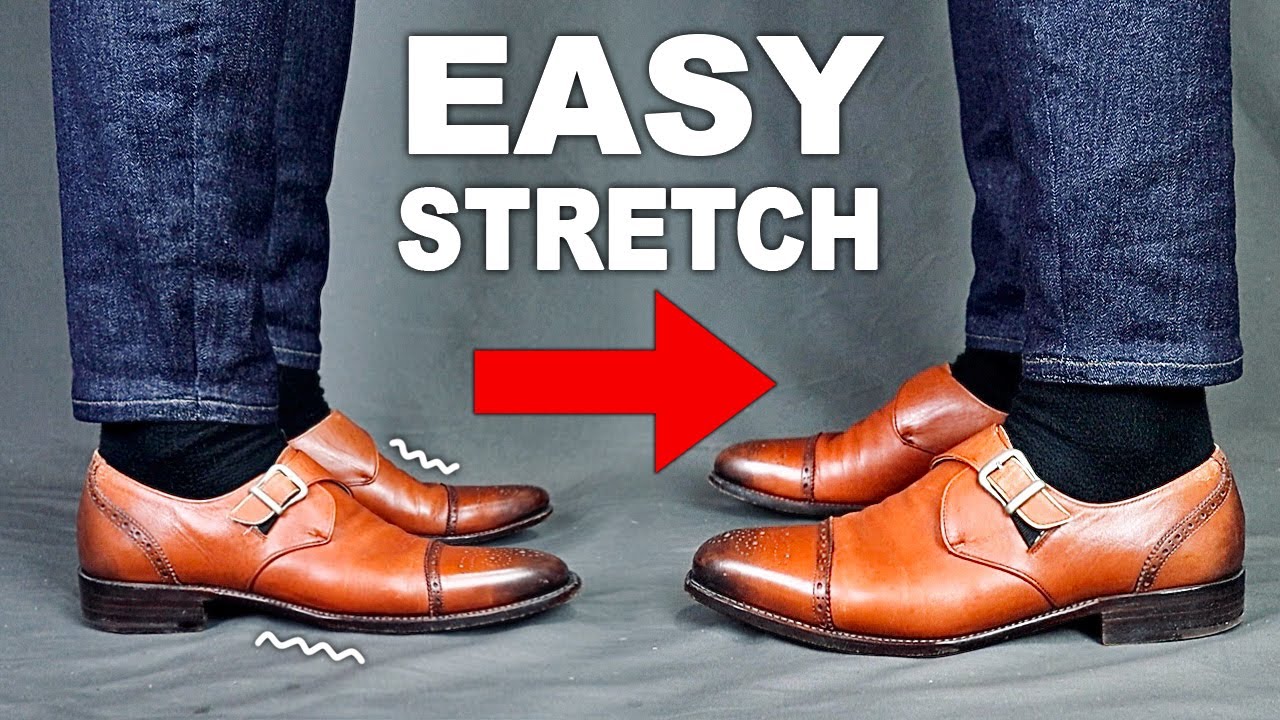
Here are simple, effective ways to loosen tight shoes at home. Try the gentlest method first and test fit often.
Thick socks plus heat
- Put on thick socks. Wear the shoes for 15–30 minutes at home.
- Use a hair dryer on medium heat aimed at tight spots while wiggling toes.
- Keep the shoes on until they cool. Repeat once if needed.
Freezing method (for waterproof shoes)
- Fill zip-top bags with water and seal tightly. Place them inside the shoes.
- Put the shoes in the freezer. Water expands and stretches the shoe gently.
- Thaw slightly, remove the bags, and try the shoes on.
Shoe stretch spray and socks
- Spray a leather or fabric stretch solution inside where it feels tight.
- Put on thick socks and wear the shoes until dry.
- Repeat for stubborn spots.
Use a shoe stretcher
- Insert a two-way stretcher into the shoe and turn the handle to expand width and length.
- Leave it overnight or for 24–48 hours for best results.
- Use bunion or toe plugs for targeted pressure points.
Stretch with a hammer or rolling pin
- Protect the shoe with a cloth. Gently hammer the outer toe box to widen.
- Roll a firm rolling pin over the shoe to relax stiff areas.
- Test fit often to avoid over-stretching.
Steam method for leather
- Hold the shoe over a pot of steam for a few seconds to soften leather.
- Wear socks and the shoe while it cools to mold to your foot shape.
- Use gentle force only; avoid soaking leather.

How to loosen tight shoes by material
Different fabrics need different care. Match the method to the shoe material for best results.
Leather shoes
- Use leather stretch spray or steam then wear with thick socks. Leather stretches well, but avoid direct heat that dries and cracks it.
Suede shoes
- Use a suede-specific stretcher or professional stretching. Suede can tear with too much moisture.
Canvas and cotton
- Wet-stretch lightly: dampen the upper, wear with thick socks until dry. Canvas molds easily.
Mesh and knit
- These tend to be forgiving. Warmth and socks usually do the trick. Avoid harsh stretching that can warp shape.
Synthetics and plastics
- These resist stretching. Use a shoe stretcher or see a cobbler. Freezing may work for some sealed synthetics.

Professional and long-term solutions
If home methods fail, trust a pro. A cobbler has machines and tools to stretch shoes without damage. For chronic tightness, consider these options.
Professional stretching
- Cobbler machines can add width or length precisely. They can also target bunion areas.
Custom insoles and orthotics
- Replacing insoles can change fit and comfort. A thinner insole frees space, while custom orthotics can correct foot shape.
Buying better fits
- Learn your true size. Try brands with wider lasts or half sizes. Opt for shoes that match your foot type.

When to stop and when shoes are beyond help
You can fix many issues, but not all. Know the signs to stop and choose safety.
Red flags to stop
- Sharp pain, numbness, or tingling while stretching. These can signal nerve pressure.
- Visible damage like split seams, torn lining, or cracked soles after stretching attempts.
- Shoes that remain very tight after multiple methods.
When to replace
- Shoes that are too short to accommodate toes safely.
- Severe structural damage or poor arch support that causes pain.
Personal tips, mistakes I made, and lessons learned
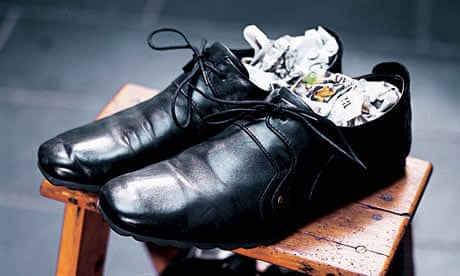
I once tried to stretch a new dress shoe with high heat. The leather dried and creased. I learned to use gentle, repeated steps.
What I now do
- Start with socks and mild heat. Test fit after each try.
- Use a stretcher for targeted pressure. It saves shoes and time.
- Reserve pro help for expensive or delicate shoes.
Common mistakes to avoid
- Applying too much heat or water at once. It can damage glue and finish.
- Stretching shoes that are clearly the wrong size. No method fixes poor length.
- Skipping breaks between sessions. Shoes need time to relax.

Frequently Asked Questions of how to loosen tight shoes
Will soaking shoes make them stretch?
Soaking can help canvas and cloth shoes. Avoid soaking leather or suede. Too much water can ruin glue and shape.
How long does it take to stretch shoes at home?
Simple methods often take one to three sessions. Professional stretching may take 24–48 hours for full effect.
Can I stretch shoes without a stretcher?
Yes. Use thick socks, heat, or the freezer trick for many materials. A stretcher gives more control, though.
Are there risks to stretching shoes?
Yes. Excess heat, water, or force can crack leather, weaken glue, or deform shape. Stretch gently and test fit often.
Will stretching change shoe shape permanently?
Most stretching is permanent if done slowly. Leather adapts best. Some synthetics may return to original shape over time.
Can I stretch boots the same as shoes?
Boots often handle heat and stretch well. Use the same methods but check linings and zippers. Tall boots may need pro care.
Conclusion
You can often rescue a tight pair with simple, safe steps. Start gentle: thick socks, heat, or a shoe stretcher work well for most cases. Match the method to the material and stop if you feel pain or see damage. Try one tip today and test as you go. Share your results, ask a question below, or subscribe for more practical shoe care advice.

Rubel Miah is the Senior Editor at MyStyleGrid.com, where he brings a sharp editorial eye and an unshakable love for fashion to everything he does. A true style addict, Rubel lives and breathes trends, from streetwear to high fashion, and has a knack for turning inspiration into impactful stories. With years of experience in fashion journalism and digital media, he curates content that empowers readers to express themselves through style. When he’s not editing features or forecasting the next big thing, you’ll find him hunting down vintage pieces or capturing street style moments around the city.