Converse shoes can be fine for casual strolls but are not ideal for long, high-impact walks.
If you're asking are converse shoes good for walking, I’ll give a clear, evidence-based view and practical advice. I write from years of testing footwear and walking hundreds of miles in different shoes, including many hours in Converse. Read on to learn when converse shoes work, when they don’t, and how to get the most comfort and safety from them.

Are Converse shoes good for walking? A clear overview
The simple answer many people want is: it depends on the walk. The phrase are converse shoes good for walking is commonly searched because these shoes are popular and look casual-cool. Converse offer a flat sole and minimal padding. That design suits short, low-impact walks but often falls short for long distances or rough terrain.
How Converse are built: design, materials, and fit
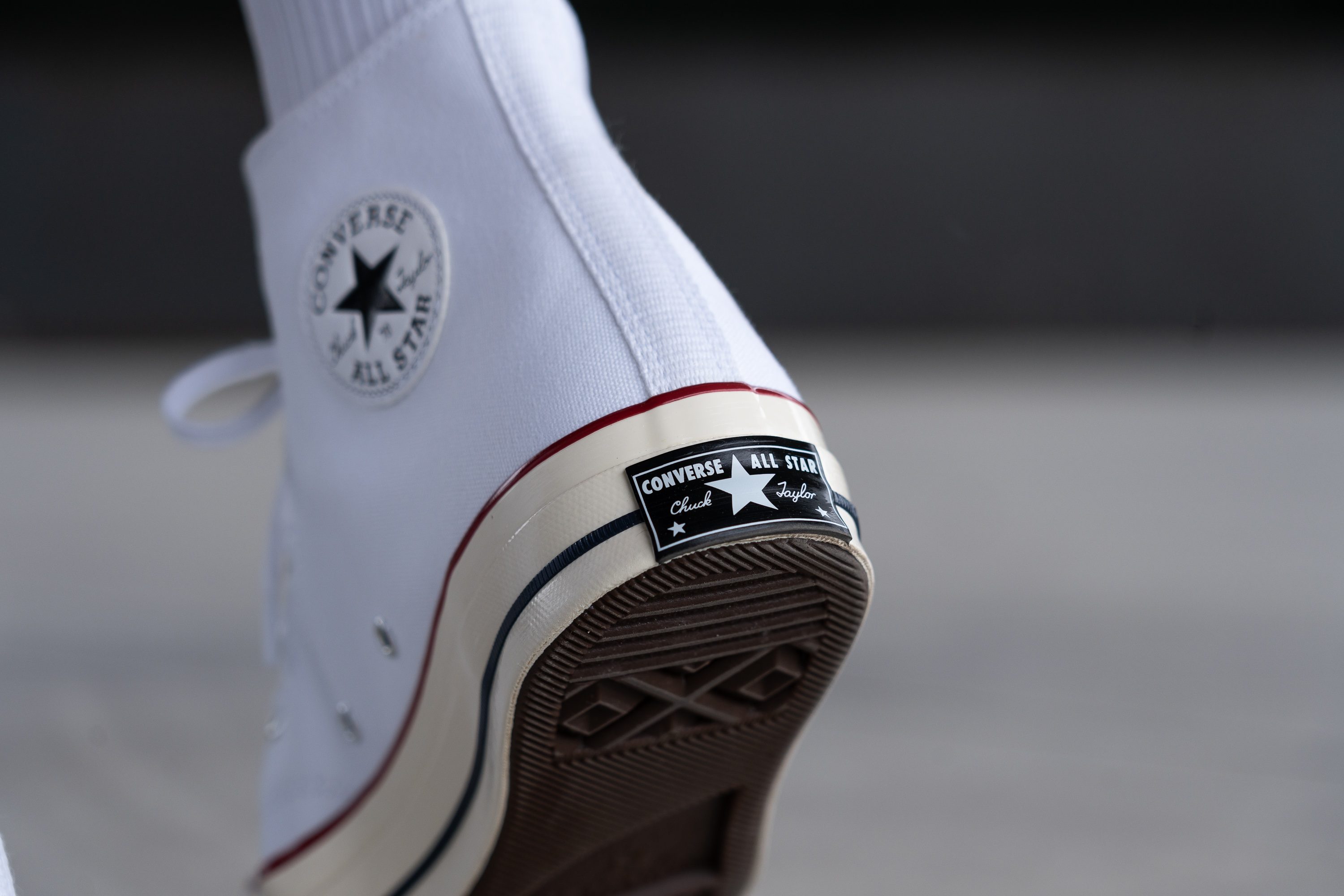
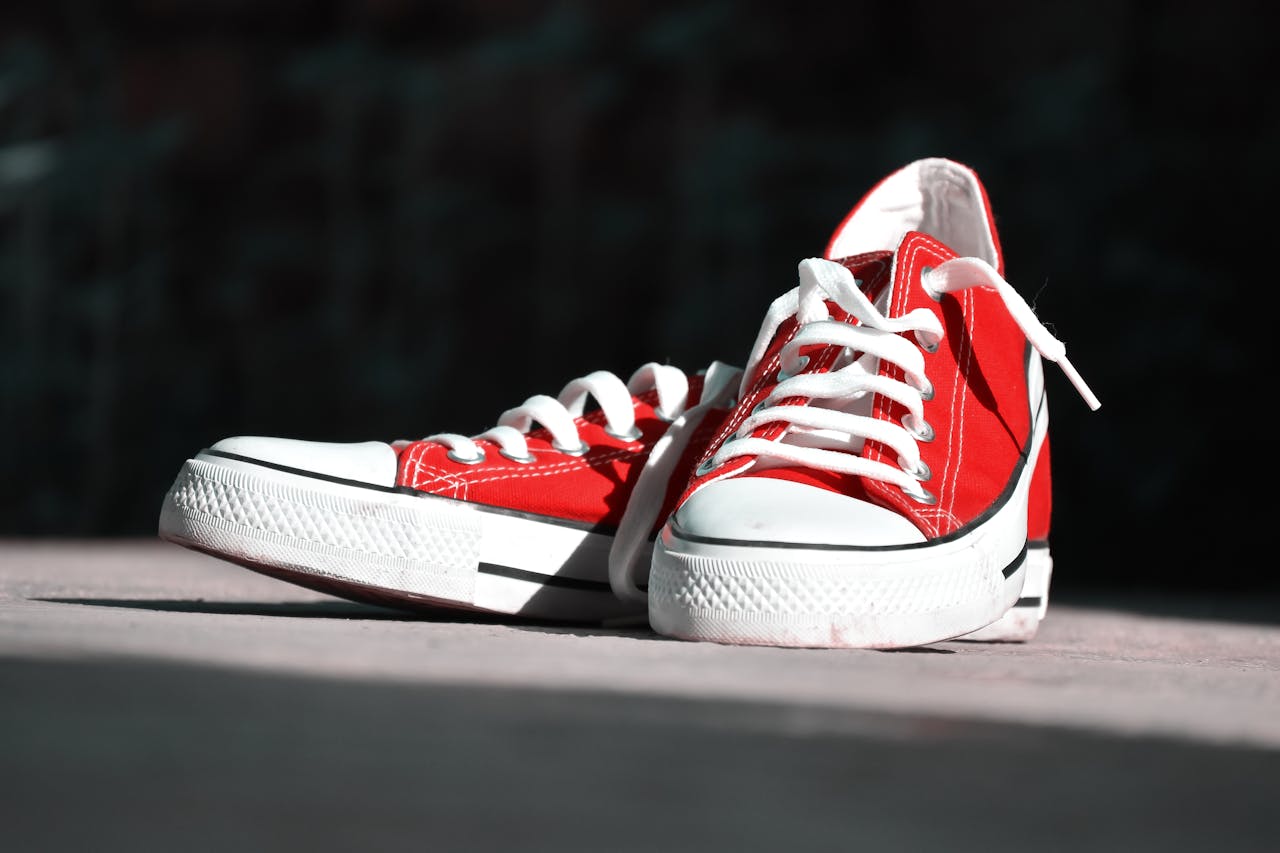
Converse are mostly canvas uppers and flat rubber soles. The midsole is thin, with little arch support or shock absorption. The footprint is narrow and flexible, which helps with style but gives minimal structure. Most models have a low drop from heel to toe, which feels natural but doesn't cushion force over long miles.

Comfort and support: what to expect when walking
Expect a snug fit across the toes and a firm rubber sole underfoot. For short walks around town, converse shoes feel light and breathable. For longer walks, lack of arch support can cause foot fatigue and sore arches. If pronation or plantar issues exist, these shoes may aggravate symptoms over time.
When converse shoes are a good choice for walking
- Short urban strolls and errands where you will sit often.
- Walking on flat, even surfaces like paved sidewalks or malls.
- When you want a minimalist shoe or prefer a barefoot feel.
- If you use supportive insoles designed for the shoe’s shape.
These uses match why many people ask are converse shoes good for walking. For casual, short walks they are perfectly fine.

When converse shoes are not the best choice
- Long-distance walking or hiking on uneven trails.
- Jobs that require standing or walking for many consecutive hours.
- People with flat feet, high arches, or chronic foot pain.
- Any activity needing significant shock absorption or stability.
Wearing Converse in these situations can lead to tired feet, knee pain, or lower back discomfort.
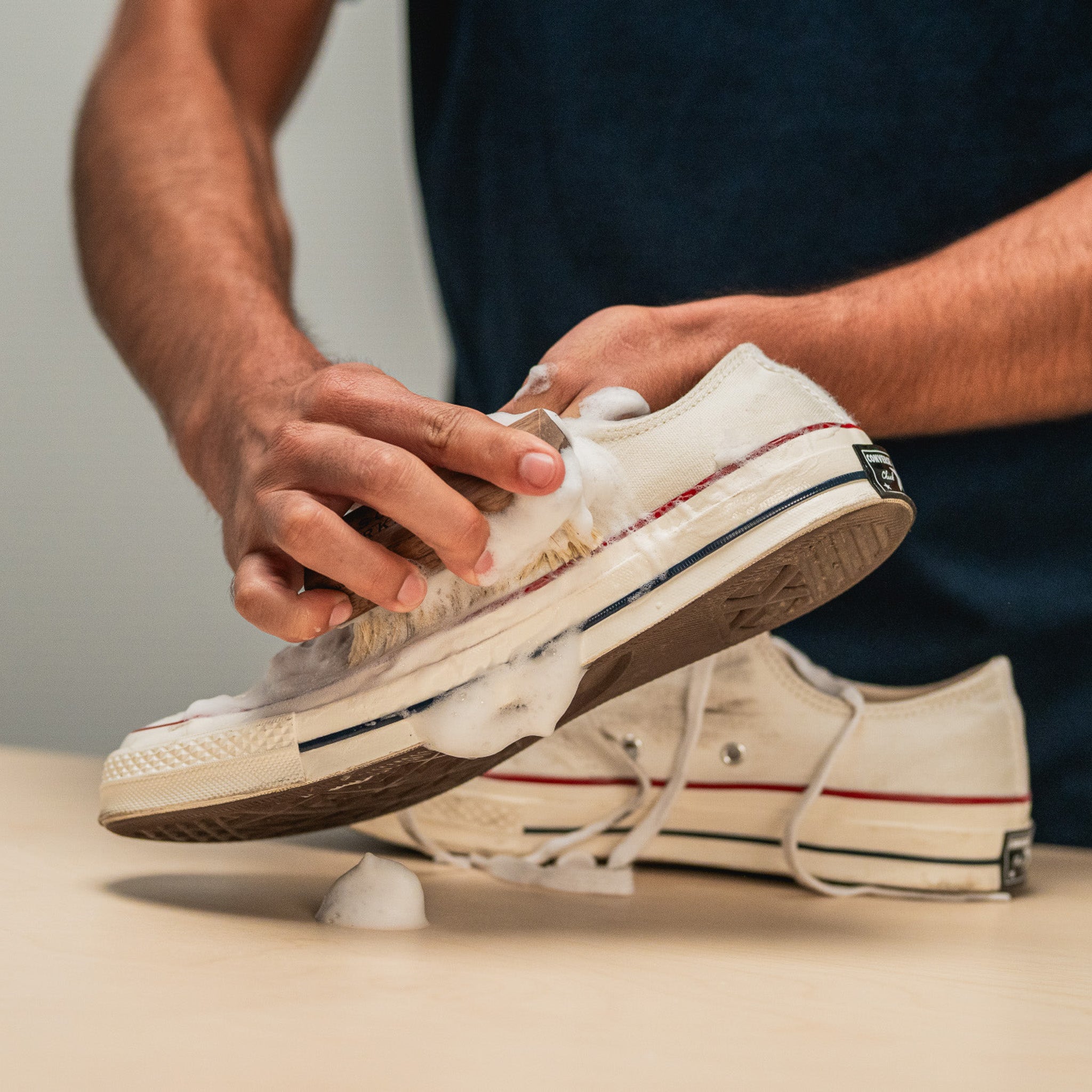
How to improve walking comfort in Converse
- Insert quality insoles made for arch support and cushioning.
- Choose high-top models if you want more ankle stability.
- Size the shoe with a thumb’s width of room at the toe to prevent friction.
- Rotate shoes: avoid wearing Converse every day for long hours.
- Break them in with short walks before committing to long outings.
These fixes help answer practical concerns about are converse shoes good for walking and extend their usefulness.
 experience and practical tips”
style=”max-width: 100%; height: auto; border: 2px solid black; border-radius: 10px; display: block; margin: 0 auto;”
loading=”lazy”
/>
Personal experience and practical tips
I’ve walked short city loops and long museum days wearing Converse. For half-day outings they were comfortable. After full-day walking, my arches felt tired and needed rest. I learned to add a thin orthotic for arch support and to alternate with a cushioned sneaker. The result was a big comfort boost without losing style.
Health and biomechanics: what research and experts say
Biomechanics studies show that shoes with thin midsoles increase pressure under the foot. That pressure can lead to soreness on long walks. Supportive shoes reduce strain on joints and lower the risk of overuse injury. So when people ask are converse shoes good for walking, experts generally recommend them for short use and advise caution for long distances.
Alternatives and comparable options
- Minimalist sneakers with slightly more cushioning than Converse.
- Lightweight walking shoes with breathable uppers and shock-absorbing midsoles.
- Casual sneakers with removable insoles to accommodate orthotics.
If you like the look of Converse but need more comfort, these alternatives keep style while adding function.
Quick buying checklist: pick Converse wisely for walking
- Fit: try with the socks you usually wear.
- Comfort: stand and walk in the store for several minutes.
- Insole: check if the insole is removable for upgrades.
- Purpose: match the shoe to your typical walk length and surface.
- Backup: have a more supportive pair for long days.
This checklist helps you decide whether are converse shoes good for walking in your case.
Frequently Asked Questions of are converse shoes good for walking
Are Converse shoes comfortable for daily walks?
Converse can be comfortable for short daily walks on even surfaces. For longer walks, you may notice fatigue due to minimal cushioning.
Can I add insoles to make Converse better for walking?
Yes. Adding a supportive insole can improve arch support and cushioning and make Converse better for longer walks.
Are Converse bad for people with flat feet?
Converse often lack the arch support flat feet need, so they can worsen discomfort unless you use orthotics.
How long can I walk in Converse before feeling pain?
Individual tolerance varies, but many people start to feel fatigue after a few miles. Use insoles or alternate shoes for extended walking.
Do high-top Converse offer more walking support than low-tops?
High-tops give slightly more ankle support, but they do not add significant cushioning or arch support for long-distance walking.
Conclusion
Converse shoes can be a smart, stylish choice for short, casual walks but are not the best option for long distances or high-impact walking. Add supportive insoles, size them correctly, and rotate shoes to reduce risk and boost comfort. If you want both style and long-term comfort, test the shoes with your typical walking routine before relying on them for long days. Try these tips today: swap in a cushioned insole, take a short test walk, and keep a backup pair ready. Share your experience or ask a question below to get tailored advice.

Rubel Miah is the Senior Editor at MyStyleGrid.com, where he brings a sharp editorial eye and an unshakable love for fashion to everything he does. A true style addict, Rubel lives and breathes trends, from streetwear to high fashion, and has a knack for turning inspiration into impactful stories. With years of experience in fashion journalism and digital media, he curates content that empowers readers to express themselves through style. When he’s not editing features or forecasting the next big thing, you’ll find him hunting down vintage pieces or capturing street style moments around the city.