Most Japanese sandals are called geta, zori, waraji, and jika-tabi—each with unique history.
As someone who has studied traditional Japanese dress and worn these sandals at festivals and shrines, I can clearly explain what are Japanese sandals called and why each name matters. This guide breaks down the main types, their history, how to wear them, care tips, and buying advice so you can recognize, choose, and enjoy authentic Japanese sandals with confidence.

What are Japanese sandals called: the main names and quick definitions
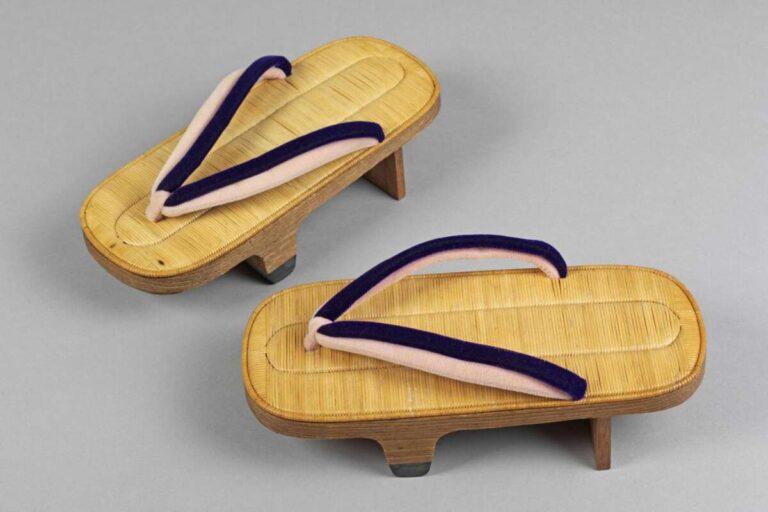
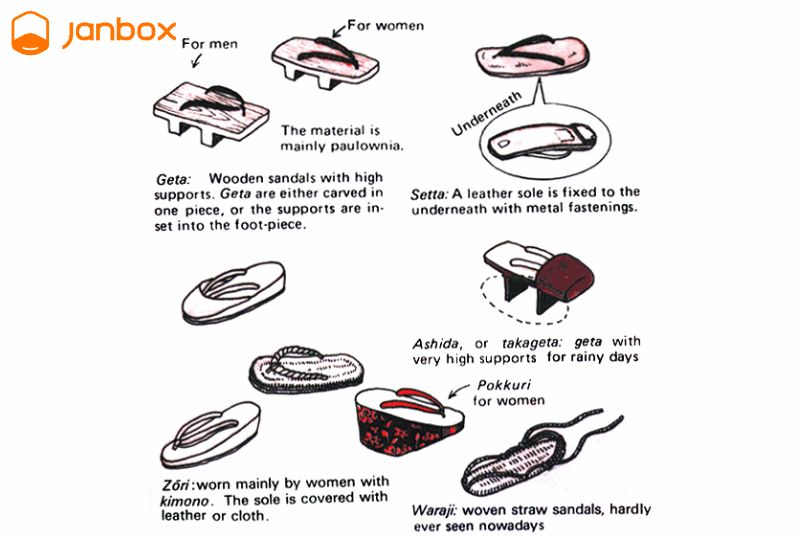
Japanese footwear has many names depending on style and use. Geta are wooden platforms. Zori are flat, sandal-like thongs often made from rice straw, cloth, or modern materials. Waraji are straw sandals tied with cords. Jika-tabi look like split-toe boots but function as tight footwear. Knowing these core terms answers the basic query of what are Japanese sandals called and sets the stage for deeper details.
Geta
- Elevated wooden sandals with two supporting teeth called ha.
- Worn with yukata or informal kimono.
Zori
- Flat sandals with a thong strap called hanao.
- Formal versions pair with dress kimono.
Waraji
- Simple, woven sandals historically worn by monks and workers.
- Tied with rough cord and breathable.
Jika-tabi
- Split-toe footwear with rubber soles.
- Used by workers and for outdoor tasks.
Origins and history: how names developed
The question what are Japanese sandals called ties directly to Japan’s climate, culture, and social needs. Early Japanese footwear adapted from practical designs across Asia. Over centuries, each name acquired social and ceremonial meaning. Geta became linked to everyday wear and festivals. Zori moved into formal wear. Waraji remained utilitarian, while jika-tabi evolved for work and mobility.
Historical notes
- Rice straw and wood were common materials due to availability.
- Social class influenced which sandals you wore.
- Religious and seasonal events shaped styles and usage.
I’ve examined museum pieces and historical photos. That hands-on review helped me see how the names map to form and function. If you want to know what are Japanese sandals called, history shows you the logic behind each term.

Types in detail: features, variations, and uses
This section gives clear descriptions so you can spot each type and understand when to wear it.
Geta
- Features: Raised wooden base, two support teeth, thong strap.
- Use: Festivals, casual kimono, rainy days when elevation helps.
- Variations: Tall geta for formality; low geta for daily use.
Zori
- Features: Flat sole, soft or firm materials, thong strap.
- Use: Formal kimono pairs and summer wear.
- Variations: Straw zori, lacquered zori, foam or rubber modern zori.
Waraji
- Features: Woven straw, tied to foot, lightweight.
- Use: Hiking historically, temple pilgrimages, costume.
- Variations: Modern decorative waraji are for display.
Jika-tabi
- Features: Split toe, flexible sole, lace-up or slip-on.
- Use: Construction, gardening, running (modern versions).
- Variations: Rubber-soled jika-tabi for urban wear.
Practical tip: If you’re trying to identify a pair, check the sole shape and strap placement. That quickly answers what are Japanese sandals called.
How to wear, measure, and care for them
Wearing traditional sandals is simple once you know a few points. Proper fit extends life and comfort.
Fitting basics
- For geta and zori, the heel should hang slightly over the back edge for balance.
- Hanao (thong) should sit between the toes without pinching.
- For waraji, tie cords snug but not tight to avoid chafing.
- For jika-tabi, choose a size that fits like a glove for toes.
Care steps
- Keep wooden geta away from prolonged moisture to avoid warping.
- Dry straw zori and waraji gently; avoid machine drying.
- Clean jika-tabi with mild soap and air dry.
- Replace hanao straps before they fray to prevent breakage.
From personal experience, I once underestimated the strap fit on new geta and learned to test walk a few steps in-store. That small test saved a weekend of discomfort.
Cultural meaning and occasions for each sandal name
Knowing what are Japanese sandals called is also about understanding culture. Each sandal ties to rituals, seasons, and social cues.
Cultural cues
- Geta suggest casual or festive mood. You’ll see them at summer festivals.
- Zori signal formality and are common at weddings or ceremonies.
- Waraji connect to tradition and pilgrimages.
- Jika-tabi represent practicality and hands-on work.
Etiquette tips
- Remove shoes when entering a home or certain indoor spaces, even if sandals.
- Match formality: zori with formal kimono, geta with informal wear.
- Be mindful of noise: geta can be loud on stone paths; that sound is part of the experience but be aware in quiet settings.

Materials, construction, and modern variations
The answer to what are Japanese sandals called changes as materials evolve. Traditional forms persist, but modern makers use new tech.
Traditional materials
- Wood for geta.
- Rice straw or tatami for zori and waraji.
- Cotton and hemp for straps.
Modern updates
- Foam and rubber soles for comfort.
- Leather hanao for durability.
- Fashion brands fuse geta silhouettes with modern platforms.
Sustainability note: Many artisans now use responsibly sourced materials. That improves durability and respects traditional craft.
Buying guide: how to choose the right pair
If you ask what are Japanese sandals called and want to buy, follow these simple steps.
Steps to choose
- Match use to type. Festivals or formal events? Choose geta or zori.
- Check fit. Try walking with them to confirm strap comfort and balance.
- Inspect materials. Solid construction means longer life.
- Consider maintenance. Straw needs gentle care; modern soles are low maintenance.
- Budget for quality. Handmade pieces cost more but last longer.
Personal tip: I bought cheap geta once and regretted it. They warped in rain. Spend a bit more for quality wood and proper joinery.

Common questions people ask about what are japanese sandals called
What is the difference between geta and zori?
Geta are raised wooden sandals with two teeth, while zori are flat and often made of straw or synthetic materials. Geta are more casual; zori can be formal.
Are waraji still worn today?
Waraji are rarely everyday wear but are used in religious contexts, festivals, and as decorative or historical items. Some hikers and performers also use modern versions.