Use gentle solvents and step-by-step cleaning—act fast for best results.
I’ve spent years fixing sneakers, work boots, and dress shoes stained with paint. This guide shows exactly how to get paint out of shoes for different paints and materials. You’ll get clear steps, tools to use, mistakes to avoid, and easy tips from real repairs I’ve done. Read on and save your favorite shoes.

Understand paint types and why they matter
Different paints react to cleaners in different ways. Water-based paints, like acrylic and latex, soften with water and mild soap. Oil-based paints and enamel resist water and need solvents or specialized removers. Knowing the paint type helps you choose the right method and avoid damage to shoe materials.
Common clues to paint type:
- Water-based paint feels slightly sticky and washes with soap.
- Oil-based paint is slick, glossy, and resists water.
- Dried paint that flakes is easier to chip away than paint that forms a film.
Identify paint before you start. Test a small spot if unsure. This lowers the risk of ruining the shoe surface.
Immediate steps to take after a spill
Acting fast raises your chance of success. Fresh paint is far easier to remove than dried paint. Follow these steps right away.
Quick action steps:
- Remove excess paint with a spoon or dull knife, scraping away without pressing paint deeper.
- Blot, don’t rub. Use a paper towel to lift wet paint.
- Rinse water-based paints under cool running water from the inside out if the shoe allows.
If the paint has dried, skip rinsing and move to targeted removal methods below.

Materials and tools you’ll need
Having the right tools speeds the job and lowers risk. Assemble a simple kit before you begin.
Essentials:
- Clean cloths and paper towels for blotting.
- Soft-bristled brush or old toothbrush for gentle scrubbing.
- Mild dish soap and warm water for water-based paint.
- Isopropyl alcohol, acetone (nail polish remover), or paint thinner for stubborn spots.
- Cotton swabs, a plastic scraper, and disposable gloves to protect hands.
- Leather conditioner or suede brush for post-cleaning care.
Keep solvents in a well-ventilated area. Test solvents on a hidden spot first to check for color loss or finish damage.

How to get paint out of shoes: step-by-step methods
Here are stepwise methods for fresh and dried paint, and for water- and oil-based types. Read the instructions for your shoe material before applying any solvent.
Removing fresh water-based paint:
- Blot excess paint immediately with a cloth.
- Mix warm water with a drop of dish soap.
- Dip cloth or brush and gently scrub from the outside inward.
- Rinse and repeat until the stain lifts, then air dry.
Removing fresh oil-based paint:
- Gently scrape excess with a plastic scraper.
- Dab with a cloth soaked in isopropyl alcohol or brush on a small amount of paint thinner.
- Blot until paint transfers to the cloth.
- Clean residue with soap and water and let air dry.
Removing dried paint:
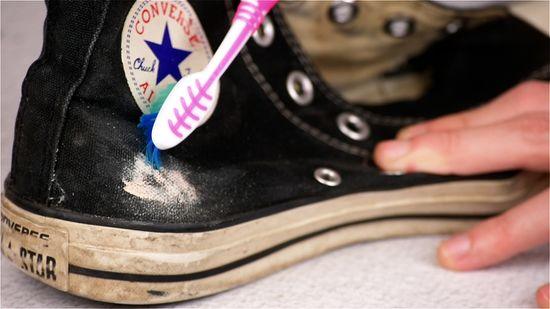
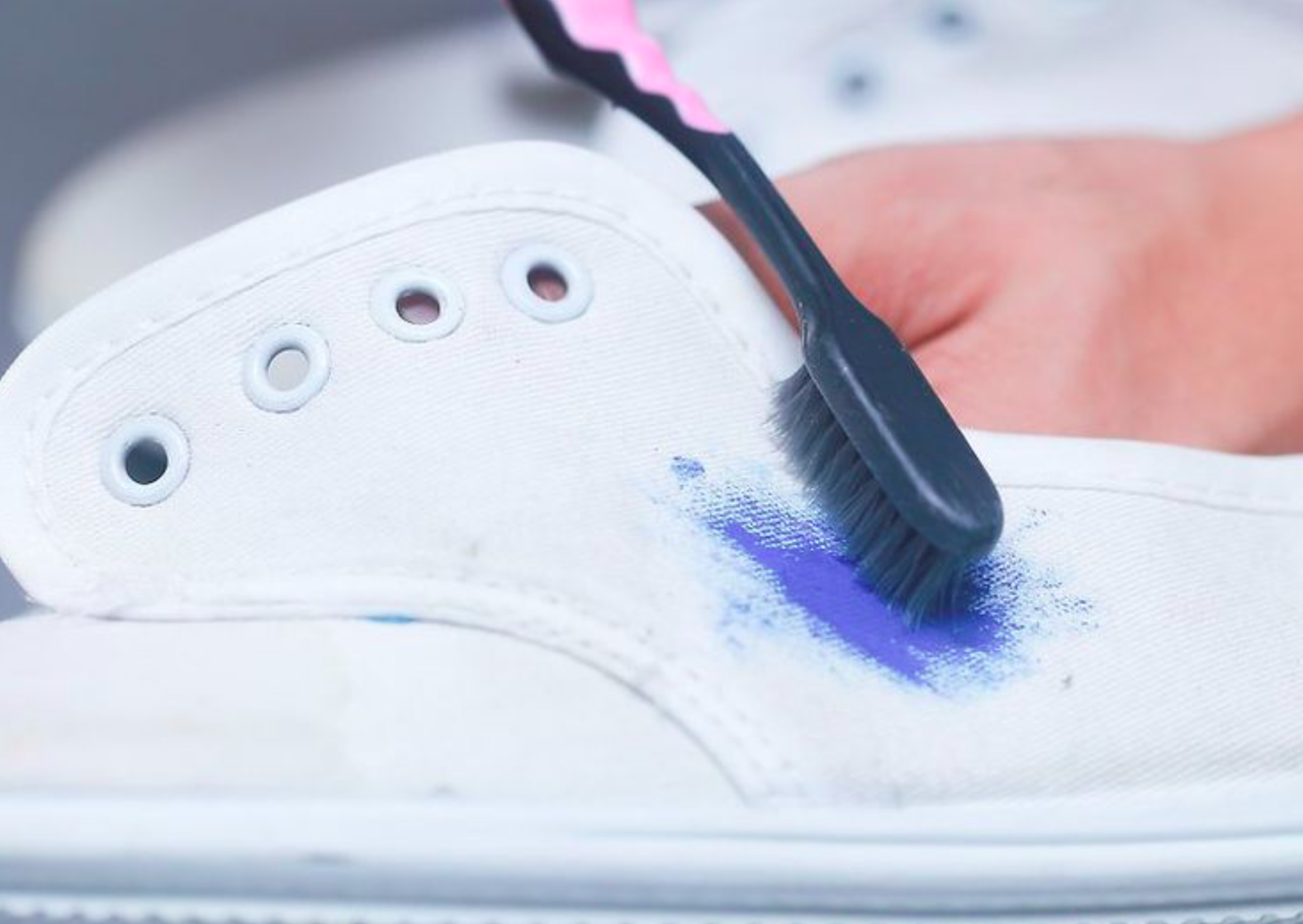
- For canvas and rubber, carefully scrape with a plastic scraper or use a soft brush to loosen flakes.
- Apply rubbing alcohol or acetone sparingly and dab with a cotton swab.
- For stubborn areas, apply a poultice of warm soapy water and let sit 10–20 minutes before scrubbing.
- Repeat and rinse.
Final clean and care:
- For leather, finish with a leather cleaner and conditioner.
- For suede, use a suede brush to restore nap and a suede eraser for marks.
- For knit or mesh shoes, be gentler and limit solvent exposure.
:max_bytes(150000):strip_icc()/GettyImages-177445082-ae962c1b4bcc4ea5a82fbc6098760d82.jpg)
Shoe material specifics: canvas, leather, suede, knit, and rubber
Each shoe material needs different care. Using the wrong cleaner can cause discoloration, stiffness, or texture change.
Canvas shoes:
- Durable and forgiving. Use soap and water for water-based paint.
- For dried paint, a mix of warm water and white vinegar can help soften paint.
Leather shoes:
- Avoid harsh solvents that strip finish.
- Use mild soap or a leather-specific cleaner first. If solvent is needed, apply sparingly and follow with conditioner.
Suede and nubuck:
- Very sensitive. Start by gently scraping dried paint and using a suede eraser.
- Avoid water if possible. If you must, use minimal moisture and reshape nap with a suede brush.
Knit and mesh:
- Work gently. Use dish soap and a soft brush.
- Avoid soaking: rinse and air dry.
Rubber and plastic:
- Solvents are usually safe here. Scrape and then wipe with alcohol or acetone if needed.

When to use solvents and which ones to choose
Solvents break down paint but can also damage shoe finishes. Use them with care and test first.
Solvent choices and notes:
- Isopropyl alcohol is safe for many fabrics and some leathers. It’s a good first solvent.
- Acetone (nail polish remover) is strong. It removes tough paint but can strip finishes and color.
- Paint thinner or mineral spirits work for oil-based paint on rubber or canvas but avoid on leather and dyed fabrics.
Safety tips:
- Work in a ventilated area or outdoors.
- Wear gloves and avoid skin contact.
- Use small amounts and test hidden areas before broader application.
:max_bytes(150000):strip_icc()/SPR-how-to-get-dried-paint-off-of-canvas-shoes-8723980-HERO-92bf0617848b4d8e9a867c66dfaa2f73.jpg)
Prevention and care tips to avoid future stains
A little prevention keeps shoes paint-free. These tips save time and protect your shoes.
Preventive measures:
- Wear old shoes or a drop cloth when painting.
- Apply a protective spray (fabric or leather protector) before projects.
- Clean spills immediately. The faster you act, the easier removal becomes.
- Store solvents and cleaners safely and out of direct sunlight.

My experience: lessons learned and common mistakes
I once tried to remove acrylic paint from a suede boot with rubbing alcohol. The paint came off, but the suede nap flattened badly. I learned to test first and choose gentler tools.
Lessons learned:
- Always test cleaners on an unseen area.
- Don’t rub hard—rubbing spreads paint and can thin fabric.
- Use plastic scrapers, not metal, to avoid scratches.
- Patience pays; multiple gentle attempts beat one aggressive try.
These tips save favorite shoes and avoid costly mistakes.

PAA-style quick questions
What should I do first when paint gets on my shoe?
- Remove excess paint with a blunt tool, then blot with a cloth. Act quickly for best results.
Can water remove acrylic paint from shoes?
- Yes, fresh acrylic often lifts with warm soapy water. Dried acrylic may need alcohol or a gentle solvent.
Is acetone safe on leather shoes?
- Acetone can remove leather finish and dye. Test first and use sparingly, then condition the leather.
How long should I wait after cleaning before using the shoe?
- Let shoes air dry fully for at least 24 hours. Drying time depends on material and extent of cleaning.
Frequently Asked Questions of how to get paint out of shoes
How do I remove acrylic paint from canvas shoes?
Blot fresh paint and use warm water with dish soap. For dried paint, gently scrape then dab with isopropyl alcohol until the paint lifts.
Will nail polish remover ruin my shoe?
Nail polish remover with acetone can damage finishes and dyes. Test on a hidden spot and use only if gentler cleaners fail.
Can I machine-wash shoes with paint on them?
Machine washing can spread paint and set stains. Hand-cleaning is safer; machine wash only if the shoe type and paint respond to water-based cleaning and the manufacturer allows it.
What if paint soaked into leather or suede?
Deeply soaked paint may be impossible to fully remove without professional help. Try spot treatment and then consult a shoe repair or leather specialist.
Is it worth using a professional cleaner?
Yes, for high-value or sentimental shoes, a professional can avoid damage and often achieve better results than home methods.
Conclusion
You can rescue most shoes by acting fast, identifying the paint, and using the right cleaner for the shoe material. Start with gentle methods, test solvents, and protect delicate finishes. If you’re unsure, seek professional help to avoid costly mistakes. Try these steps on a small spot today, and share your results or questions below — I’d love to hear which method worked for your shoes.

Madison Clark is a footwear expert and the voice behind MyStyleGrid.com. She specializes in honest shoe reviews, style tips, and practical guides to help readers find the perfect pair for any occasion. With years of experience in blogging and content creation, Madison makes footwear knowledge simple, stylish, and easy to follow.