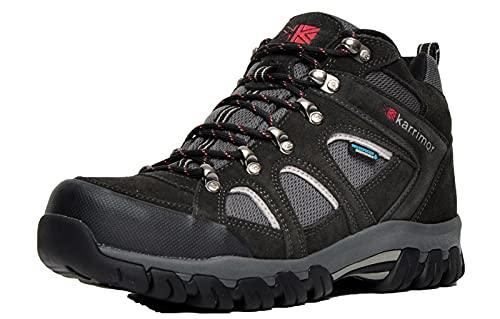
The best hiking boots for Machu Picchu balance grip, comfort, ankle support, and waterproof protection.
You may picture warm sun, stone steps, and a perfect view of Huayna Picchu. Then rain starts, the trail turns slick, and every uneven step tests your feet. Machu Picchu is not a simple city walk. Its steep Inca stairs, wet stone, high elevation, and changing weather call for boots that feel secure without weighing you down. I reviewed five strong options for different hiking styles, from light day hikes to rugged mountain trips. The right pair can help prevent sore feet, blisters, and slips so you can focus on the ruins and the remarkable trail ahead.
Columbia Newton Ridge Plus II Waterproof Boot

The Columbia Newton Ridge Plus II is a practical choice for travelers who want one boot for city walks, trail miles, and wet days. Its waterproof construction helps keep light rain and damp grass from reaching your socks. The boot also uses a cushioned midsole to soften the hard impact of stone steps. For many travelers, this mix makes it one of the best hiking boots for Machu Picchu.
I like the classic lace-up design because it lets you fine-tune the fit around the heel and ankle. The outsole offers useful traction on packed earth and many rocky paths, although no boot can make polished wet stone risk-free. It has a firm feel without the stiff, heavy build of a true mountaineering boot. Break it in before your trip, and it should feel much better during long walks around the sanctuary and nearby trails.
Pros:
- Waterproof design helps protect feet in light rain
- Cushioned midsole reduces foot fatigue
- Good traction for common hiking surfaces
- Supportive upper helps on uneven ground
- Versatile look works for travel and trail use
- Usually offers strong value for a full hiking boot
Cons:
- May feel warm in sunny, dry weather
- Needs a break-in period for some hikers
- Not as light as a trail shoe
NORTIV 8 Lightweight Waterproof Hiking Boot

The NORTIV 8 waterproof boot targets hikers who want trail support without a bulky feel. Its lightweight build can make steep stair climbs less tiring than a heavy leather boot. The waterproof outer helps during passing showers and damp trail sections. That balance is useful for visitors who plan a full day outside but do not need a technical alpine boot.
This model is also a sensible pick for budget-minded travelers. Its tread should provide steady contact on dirt, gravel, and rough paths, while the ankle height adds more protection than a low shoe. I would still check the fit with hiking socks before leaving home. A comfortable fit matters more than any feature because a loose heel can cause hot spots on repeated stone steps.
Pros:
- Lightweight feel helps reduce leg strain
- Waterproof build suits changing mountain weather
- Higher ankle design offers added trail support
- Traction works well on dirt and mixed surfaces
- Comfortable option for casual and moderate hikes
- Often provides good features at a lower price
Cons:
- Fit may vary between foot shapes
- Less rigid than a mountaineering boot
- Waterproof fabric can reduce airflow
La Sportiva Makalu Mountaineering Boot

The La Sportiva Makalu is built for hikers who value durability, structure, and a firm connection to the ground. It has a more traditional mountaineering style than the Columbia or NORTIV 8 boots. That extra structure can feel reassuring on steep approaches, rough rock, and long mountain routes. It is a serious option for experienced hikers who want more than a basic sightseeing boot.
For a standard Machu Picchu visit, the Makalu may offer more boot than you need. Still, it can suit a trip that includes demanding routes in the Andes before or after the ruins. The firm sole helps protect feet from sharp rocks and uneven ground. I recommend a long break-in period because sturdy leather-style mountain boots rarely feel ready straight from the box.
Pros:
- Strong structure supports demanding mountain hikes
- Durable build can handle repeated trail use
- Firm sole helps shield feet from rough rocks
- Secure upper improves control on steep terrain
- Good choice for multi-use mountain travel
- Traditional design offers long-term appeal
Cons:
- Heavier than most travel hiking boots
- Requires careful and lengthy break-in
- May feel excessive for short sightseeing walks
- Usually costs more than lightweight trail boots
La Sportiva Karakorum Mountaineering Boot

The La Sportiva Karakorum is the most rugged boot in this group. It is aimed at hikers who expect hard mountain use, not only a short walk to a viewpoint. Its substantial construction protects the foot and ankle on rocky terrain. If your Peru plan includes serious trekking, this boot deserves a close look.
The trade-off is clear: more protection brings more weight and less flex. It can feel stable when carrying a pack or moving across rough ground, but it may tire a casual traveler on hundreds of stone stairs. Like the Makalu, it needs time to soften and adapt to your feet. I would choose it for demanding routes around the Andes rather than a simple Machu Picchu tour.
Pros:
- Very durable for rugged mountain travel
- Excellent support for uneven and steep ground
- Protective upper helps guard against bumps
- Stable platform suits heavier backpacks
- Built for hikers who demand long service life
- Useful for technical trekking beyond the ruins
Cons:
- Heavy for regular tourist use
- Stiff feel takes time to break in
- Can feel hot during warm afternoons
- May be more boot than most visitors need
Louteck Waterproof Men’s Hiking Boot

The Louteck waterproof boot is designed for everyday outdoor use, climbing, and rough trail travel. It gives travelers a boot-style upper with weather protection and a supportive feel. The design should work well for moderate hikes where you want more coverage than a sneaker provides. It may appeal to shoppers who want practical features without moving into premium mountaineering prices.
For Machu Picchu, this boot can handle common needs such as damp paths, loose soil, and uneven steps. I would pay close attention to sizing and toe room, especially if you plan to wear thick socks. Your toes need space to spread and stay comfortable while walking downhill. With proper fit and a short break-in period, it can be a useful choice for flexible Peru itineraries.
Pros:
- Waterproof design helps in wet trail conditions
- Protective boot shape suits outdoor adventures
- Useful for hiking, climbing, and daily wear
- Provides more ankle coverage than a sneaker
- Suitable for moderate trails and mixed travel
- Practical option for shoppers on a budget
Cons:
- May not match the refinement of premium boots
- Can feel warm in humid conditions
- Limited technical support for hard alpine routes
What Makes a Boot Good for Machu Picchu?
Choosing the best hiking boots for Machu Picchu starts with the trail, not the brand name. The sanctuary sits high in the Andes, and the route includes uneven stone, narrow stairs, dirt, and steep sections. Some visitors walk only around the ruins. Others add Huayna Picchu, Machu Picchu Mountain, or longer routes in the Sacred Valley. Your plan should guide your boot choice.
A boot that works for a short guided visit may not work for a multi-day trek. A light waterproof boot can feel pleasant on a warm day, while a stiff mountain boot can offer welcome support with a heavy pack. I always match boot weight and stiffness to the actual route. More protection is not always more comfort.
Grip on Wet Stone
Good grip is one of the most important features for this trip. Rain can make stone steps slick, and moss or mud can add another layer of risk. Look for an outsole with a clear lug pattern and reliable rubber. Even the best tread needs careful foot placement on smooth, wet rock.
Do not judge traction by appearance alone. Deep lugs can work well in mud but may feel less smooth on hard stone. A balanced hiking outsole often suits Machu Picchu better than an aggressive mountaineering sole. Keep your steps short, slow down on descents, and use handrails where available.
Water Resistance and Breathability
The Andes can shift from bright sun to rain in a short time. A waterproof boot helps keep socks dry during showers and wet grass. Dry feet usually feel more comfortable and face less risk of blisters. Still, waterproof materials can hold heat, especially during warm climbs.
If you travel during a wetter season, waterproof protection becomes more valuable. In drier months, breathability may matter more than full rain protection. No membrane can protect an open boot collar from deep water. Gaiters and spare socks can provide extra help when conditions turn rough.
Weight and Flex
Every ounce matters when you climb steep stairs at altitude. Lightweight boots reduce the effort needed for each step. They also pack more easily and work well for travelers who walk through towns before or after the hike. The trade-off is usually less structure and less protection.
Stiff boots protect the foot and give a stable platform, but they can tire new hikers. Very soft boots feel easy at first, yet they may not control the foot on steep, uneven ground. I prefer a middle ground for most Machu Picchu visitors. The Columbia Newton Ridge Plus II and NORTIV 8 are closer to that balance than the La Sportiva models.
Ankle Support
Ankle height can help keep dirt out and give a secure feel on uneven paths. It does not prevent every twist, and it cannot replace strong balance. A snug heel and a stable midfoot matter just as much as the height of the collar. Lace the boot firmly, but never so tight that it limits circulation.
Travelers with a history of ankle problems may prefer a more supportive boot. They should also train before the trip and consider advice from a qualified health professional. A boot cannot fix weak muscles or poor foot placement. Good preparation works with good footwear.
Fit and Toe Room
The right fit is more important than a long feature list. Try boots late in the day because feet often swell after hours of walking. Wear the socks you plan to use in Peru. Your heel should stay mostly in place, while your toes should not touch the front during downhill steps.
Many hikers make the mistake of buying a boot that feels tight in the store. That small pressure can become a painful hot spot after several hours. Walk up and down stairs before you decide. If your foot slides, try a different size, sock, or lacing method rather than hoping the boot will solve the problem later.
Comparing the Five Boots
Each model fills a different role. The Columbia is the safest all-around choice for many travelers because it blends comfort, water protection, and trail support. The NORTIV 8 puts more focus on low weight and value. The Louteck offers a flexible middle option for moderate outdoor use.
The Makalu and Karakorum are serious mountain boots. They make more sense for long, rugged routes than for a short visit to the ruins. Their strength and structure can be useful, but their weight and break-in needs deserve respect. Do not buy a mountaineering boot simply because it looks more capable.
| Best for | Why |
|---|---|
| Most Machu Picchu visitors | Columbia Newton Ridge Plus II offers a balanced mix of comfort, grip, and waterproof coverage. |
| Lightweight travel and moderate hikes | NORTIV 8 and Louteck boots reduce bulk while still adding ankle coverage and trail protection. |
| Serious mountain trekking | La Sportiva Makalu and Karakorum provide a firm, durable build for demanding routes and heavier packs. |
How I Would Prepare These Boots for Peru
I would never pack brand-new boots for Machu Picchu. I would wear them around the home first, then take them on short walks. Next, I would test them on hills and stairs. This simple process reveals rubbing, heel lift, and pressure before the trip.
Start with short sessions of about 30 minutes. Increase the time only when your feet feel good. If you find a hot spot, stop and fix it at once. A small issue at home can become a painful problem on a remote trail.
Choose the Right Socks
Cotton socks can hold moisture against the skin. Hiking socks made from wool blends or synthetic fibers usually manage sweat better. Bring at least one dry spare pair in your daypack. Changing socks during a long day can make a surprising difference.
Do not use a very thick sock to force a loose boot to fit. That can create pressure and reduce circulation. Start with the correct boot size, then use socks for comfort and moisture control. A thin liner sock may also help hikers who often develop blisters.
Use a Simple Lacing Method
Lock the heel by tightening the laces around the ankle before securing the upper eyelets. This can reduce forward slide on descents. Keep the forefoot comfortable and avoid crushing the top of your foot. Check your laces again after the first climb because feet and boots can shift as you warm up.
If you feel numbness, loosen the laces right away. If your heel lifts, try a heel-lock lace pattern. Small changes can improve comfort without replacing the boot. I always test lacing methods before travel rather than trying them for the first time on the trail.
Bring Useful Foot Care Items
A small blister kit belongs in every hiking daypack. Pack adhesive bandages, blister pads, sports tape, and spare socks. A few basic items weigh little but can save a full day. Keep them in a dry pouch where you can reach them quickly.
Also carry water, sun protection, and a light rain layer. High elevation can increase sun exposure, even when the air feels cool. Follow current park rules and your guide’s instructions. Trail conditions and access rules can change, so check official travel information before departure.
Weather, Elevation, and Trail Conditions
Machu Picchu lies in a mountain environment with fast weather changes. The dry season often brings clearer mornings, but rain can still appear. The wet season may bring heavier showers and muddier paths. Dates alone cannot predict the conditions on your hiking day.
Elevation affects people in different ways. The ruins sit lower than Cusco, but travelers still spend time at high altitude during a Peru trip. Headaches, tiredness, and shortness of breath can occur with altitude exposure. Rest, drink water, and follow medical advice if you feel unwell.
Boots do not solve altitude issues. They only help your feet handle the ground. Move at a steady pace and leave room in your plan for breaks. Slow progress often feels better than rushing and arriving at the viewpoint exhausted.
Stone paths can also become crowded. A bulky boot may bump others on narrow steps, while a soft sneaker may lack needed grip. Choose footwear that lets you place each foot with control. Respect other visitors and stay on marked routes.
Boots Versus Trail Shoes for Machu Picchu
Some hikers prefer trail shoes because they feel light and breathe well. They can work for dry weather and travelers with strong ankles. However, many trail shoes offer less water protection and less coverage from rocks. They may also wear faster on sharp stone.
Hiking boots offer more protection and a secure feel. They are often a better fit for travelers who carry a pack or expect rain. The best hiking boots for Machu Picchu do not need to look extreme. They simply need enough grip, fit, and support for your chosen route.
I would choose a boot over a running shoe for a first visit if the weather forecast looks uncertain. I would consider a trail shoe only after testing it on similar terrain. Familiar comfort matters. The footwear you already trust is often safer than a new style with impressive claims.
Common Buying Mistakes to Avoid
Buying Only for Appearance
A rugged boot can look ready for an expedition while fitting poorly. Looks do not measure heel hold, toe room, or comfort. Walk in the boot before making a final choice. Your feet will give a better review than the product photos.
Ignoring Break-In Time
Stiff leather and heavy boots can need weeks of use. A short indoor test cannot reveal every issue. Give the boot enough time to flex and settle. If it still causes pain, choose another model instead of forcing it.
Choosing Too Much Boot
A mountaineering boot can be excellent on a demanding route. It can also feel tiring on a short tourist hike. Extra weight is a cost paid on every stair. Match the boot to your full itinerary, not just the most dramatic photo.
Forgetting Travel Fit
Air travel, bus rides, and city walking are part of many Peru trips. A boot that works only on rough mountain ground may feel awkward everywhere else. Versatility can improve the value of your purchase. The Columbia, NORTIV 8, and Louteck models are easier to use across a mixed travel plan.
Trusting Waterproof Claims Too Much
Waterproof does not mean immersion-proof. Rain can enter through the collar or tongue area. Wet socks can also result from sweat, not rain. Wear breathable socks, manage heat, and carry a spare pair.
Skipping the Size Check
Sizes differ across brands and models. Read the current fit notes and check the seller’s return terms before ordering. Measure both feet if one is larger. Always leave enough space for downhill movement without allowing the heel to slide.
My Recommendation
For most travelers, I recommend the Columbia Newton Ridge Plus II as the best hiking boots for Machu Picchu. It offers the most useful blend of waterproof coverage, cushioning, traction, and everyday versatility. It suits first-time hikers, casual trekkers, and visitors who want one pair for Peru travel. The NORTIV 8 is my value pick for a lighter feel, while the Louteck is a practical moderate-use alternative.
I would reserve the La Sportiva Makalu and Karakorum for hikers who plan serious mountain routes. Their firm construction makes sense with rough terrain and heavy loads, but it can be unnecessary around the main sanctuary. No matter which model you select, break it in, test the fit, and use good socks. Prices, sizes, and stock can change, so check the current Amazon listing before you buy.
FAQs Of Best Hiking Boots for Machu Picchu
Do I need hiking boots for Machu Picchu?
You do not always need heavy boots for the main ruins. However, hiking footwear gives better grip and protection than casual sneakers on wet stone and uneven steps. Choose a light hiking boot or trail shoe for short routes, and a stronger boot for longer treks.
Are waterproof boots necessary at Machu Picchu?
Waterproof boots are helpful because mountain rain can arrive quickly. They are especially useful during wetter months. In warm, dry conditions, a breathable boot may feel more comfortable, but carry spare socks either way.
Should Machu Picchu boots be high ankle boots?
High ankle boots can provide a more secure feel and help keep dirt out. They do not prevent every ankle injury. Fit, heel hold, traction, and careful steps matter just as much as boot height.
How should hiking boots fit for steep steps?
Your heel should stay in place, and your toes should not touch the front when you walk downhill. Leave enough room for normal foot swelling and hiking socks. Test the boots on stairs before your trip.
Can I wear new boots on the Machu Picchu trail?
I strongly advise against it. Wear new boots on several short walks, then test them on hills and stairs. This helps find rubbing and fit problems before they become painful on the trail.
Final Verdict: Which Should You Buy?
The Columbia Newton Ridge Plus II is the best overall choice for most travelers. It gives the comfort, grip, and water protection needed for a varied Machu Picchu visit.
For lightweight value, choose NORTIV 8; for serious trekking, choose La Sportiva. The best hiking boots for Machu Picchu are the pair that fits well, feels broken in, and matches your route.

Madison Clark is a footwear expert and the voice behind MyStyleGrid.com. She specializes in honest shoe reviews, style tips, and practical guides to help readers find the perfect pair for any occasion. With years of experience in blogging and content creation, Madison makes footwear knowledge simple, stylish, and easy to follow.