Shoes should fit snugly with about a thumb's width of space at the toes.
I’ve spent years testing shoes and helping people fix fit problems, so I know exactly how tight should shoes be for comfort, performance, and foot health. This guide covers simple tests, signs of poor fit, adjustments for different shoe types, and real-world tips I use when buying and breaking in shoes.

Why proper shoe fit matters
A correct fit keeps you comfortable. It prevents blisters, bunions, and long-term issues. It also helps you perform better when you walk, run, or stand all day.
Good fit reduces pressure points. It helps foot mechanics work well. Poor fit can change how you walk. Over time that leads to pain in feet, knees, hips, or back.
When you ask how tight should shoes be, think of fit as balance. Not too tight. Not too loose. Just right for your foot shape and activity.

Key signs of the right fit: how tight should shoes be in practice
Use these quick checks to judge fit. They are easy and reliable.
Toe room
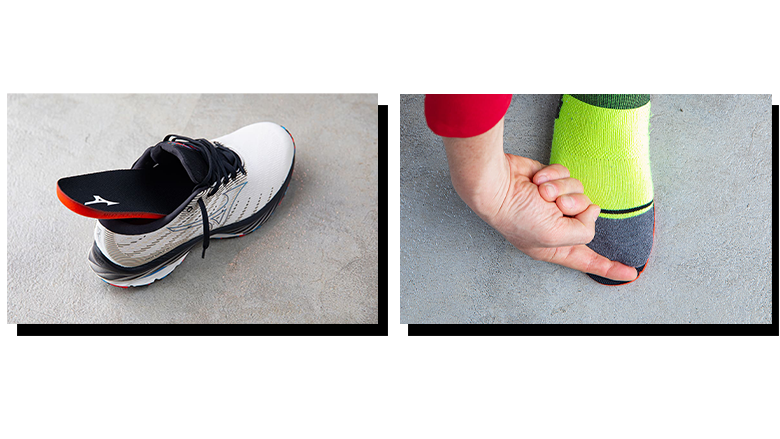
- Aim for about one thumb width (roughly half an inch) between the longest toe and the shoe end. This prevents toes from hitting the front during movement.
Heel security
- Heel should sit snugly but not be pinched. A half-inch heel slip on initial try is acceptable, but constant heavy slipping means the shoe is too big.
Ball-of-foot alignment
- The shoe’s widest part should match the ball of your foot. If not, pressure will be felt at the wrong places.
Width fit
- Your foot should not bulge over the side edges. If it does, the shoe is too narrow.
- Laces should hold the midfoot secure. Tight lacing that causes numbness is a sign of excess tightness.
When you wonder how tight should shoes be, run through these tests. They give fast, practical answers.

How to measure and try shoes step-by-step
Follow this routine when buying shoes in store or online. It helps you hit the right tightness every time.
Measure feet late in the day
- Feet swell slightly by evening. Measure then for a better match.
Wear the right socks
- Try shoes with the socks you plan to wear. Thin socks change the feel versus thick socks.
Stand and test
- Stand, walk a few steps, and jog lightly in place. Pay attention to toe space and heel grip.
Finger test
- Place a finger behind the heel. If you can fit two fingers easily, the shoe may be too loose. One finger of space is usually good.
Push and pull
- Push the toe area forward while the shoe is laced. If your toes feel cramped, the shoe is too tight.
These steps answer how tight should shoes be when you actually put them on.

How fit varies by shoe type
The answer to how tight should shoes be depends on the shoe style and use case.
Running shoes
- Slightly roomier in the toe box helps for foot swelling during runs. Aim for the thumb rule and secure heel.
Dress shoes
- Dress shoes often fit a little snugger initially. Don’t tolerate pain. Leather will stretch a bit but not much.
Hiking boots
- Boots should be secure to avoid heel lift on steep trails. Toe room is still important to avoid black toenails on descents.
Sandals and flip-flops
- These need secure straps. They should not allow the foot to slide forward. Tight straps that cut skin are wrong.
Kids’ shoes
- Kids grow fast. Look for about a half-inch of space and check every 2–3 months.
Knowing how tight should shoes be by type keeps your feet safe and the shoes useful.

Signs your shoes are too tight or too loose
Recognize early signals to avoid damage and pain.
Signs of too tight
- Numbness or tingling
- Blisters, hot spots, or bruised toenails
- Red marks or pressure points
Signs of too loose
- Heel slip and friction blisters
- Instability and ankle rolls
- Blisters at the back of the heel
If you still ask how tight should shoes be after noticing these signs, adjust lacing or try a different size or width.
Simple fixes when shoes feel wrong
Small adjustments often solve fit problems without replacing shoes.
Use different lacing patterns
- Heel lock technique reduces heel slip. Skip eyelets to relieve pressure points.
Try insoles or orthotics
- A thin insole can lift the foot slightly and reduce slipping.
Stretch or exchange
- Leather shoes may be stretched professionally. If shoes hurt badly, exchange them.
Add toe protectors
- Gel toe caps can ease pressure if the toe box is tight.
These fixes show that how tight should shoes be can often be managed without throwing shoes away.

Personal experience: lessons I learned about fit
I once bought running shoes that felt snug in the shop. After a 10-mile run I had bruised toenails. I learned to use the thumb rule and always test by running short loops in store or on a treadmill.
On another occasion, I helped a friend who had painful bunions. Her shoes were too narrow. Switching to wide-fit shoes and using proper lacing reduced pain in weeks. From these moments I learned to trust simple tests over brand size labels.
When I teach others how tight should shoes be, I stress the thumb width rule and the heel test. They work.
PAA-style common questions (quick answers inside other sections)
Will my shoes stretch over time?
Some materials like leather stretch slightly with wear. Synthetic materials and many modern shoes stretch little. Expect only minor changes.
How tight should running shoes be for long runs?
Running shoes should be snug in the midfoot, with about a thumb’s width at the toes to accommodate swelling during long runs.
Is a little heel slip okay?
A little initial heel slip is normal. Persistent, large heel lift means the shoe is too big or needs different lacing.
Frequently Asked Questions of how tight should shoes be
How tight should shoes be when I first try them on?
Shoes should feel snug but not painful. Aim for about a thumb’s width of space from toes to shoe end and a secure heel.
How tight should shoes be for running compared to walking?
Running shoes need a bit more toe room for foot swell and landing impact. Walking shoes can be slightly closer fit but still need toe space.
Can shoes be too loose but still feel comfortable?
Yes. Shoes that feel comfortable while standing can cause instability and blisters when you move. Secure fit is key.
How tight should kids’ shoes be?
Kids’ shoes should have about a half-inch of space at the toes. Check sizing every few months as feet grow quickly.
How tight should dress shoes be if they don’t stretch?
Dress shoes should fit comfortably with no pain. If they pinch, don’t rely on stretching; choose a different size or width.
Will different foot shapes change how tight shoes should be?
Yes. Wide or high-arched feet need more room in different areas. Use width options and try shoes on to match your shape.
How tight should shoes be for hiking boots?
Hiking boots should secure the heel to prevent lift on descents while offering toe room to avoid black toenails.
Conclusion
A correct shoe fit balances snugness and space. Aim for about a thumb’s width at the toes, secure heel hold, and proper alignment of the shoe’s widest point with your foot. Test shoes by standing and moving, check again later in the day, and use simple fixes if needed. Start applying these checks the next time you shop or lace up. If you found this useful, try the thumb rule on your next pair and leave a note about what worked for you.

Madison Clark is a footwear expert and the voice behind MyStyleGrid.com. She specializes in honest shoe reviews, style tips, and practical guides to help readers find the perfect pair for any occasion. With years of experience in blogging and content creation, Madison makes footwear knowledge simple, stylish, and easy to follow.