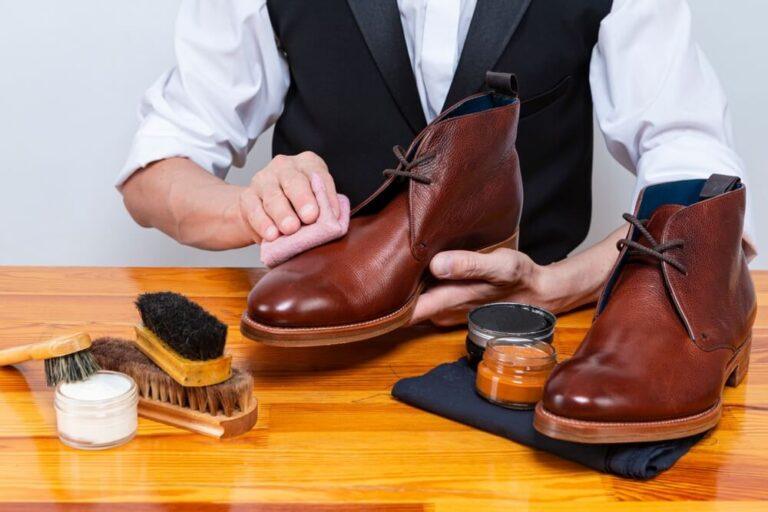
Use a clean cloth, apply thin layers, buff well, and finish with a protective brush or cloth.
I’ve worked with leather for years and helped clients restore dozens of shoes. This step-by-step guide explains how to apply shoe polish the right way, from prep to finishing touches, with practical tips I use in my shop.
Why shoe polish matters
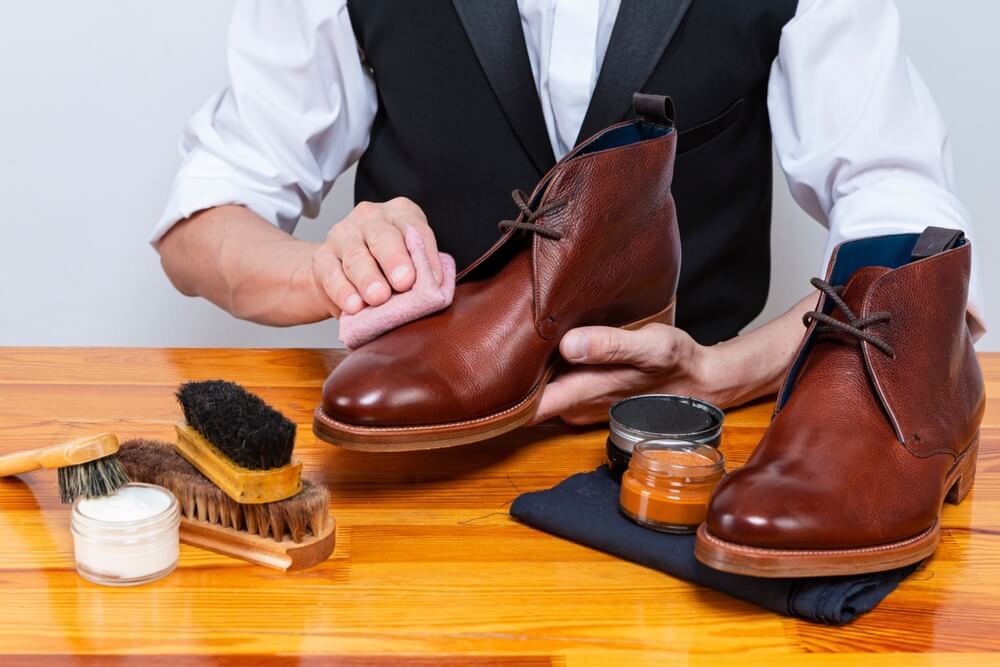
Shoe polish protects leather from moisture and salt. It restores color and hides small scuffs. Regular polishing keeps shoes soft and helps them last longer. Learning how to apply shoe polish correctly saves money and keeps your footwear looking sharp.
Types of shoe polish and when to use them
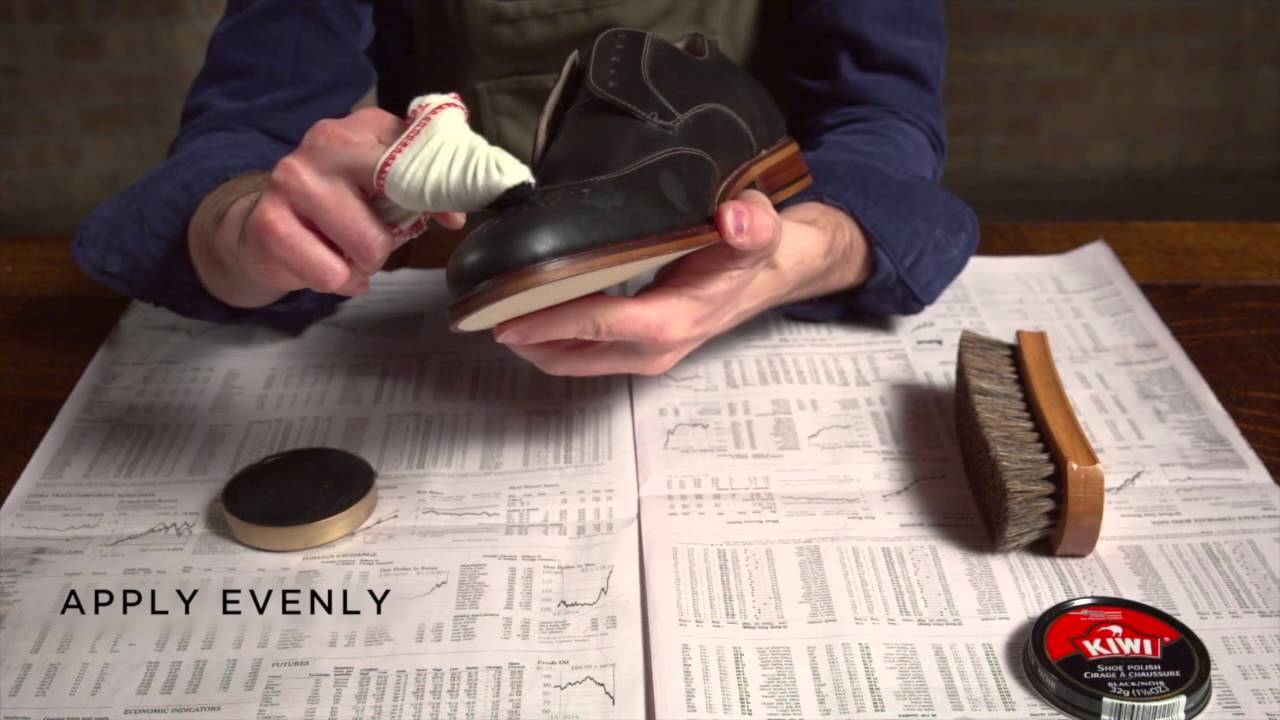
There are a few main polish types. Each fits different needs and leather types.
- Cream polish
Cream polish conditions leather and restores color. Use it when leather looks dry or faded. - Wax polish
Wax polish gives shine and water resistance. Use it for a high gloss or for dress shoes. - Neutral polish
Neutral polish works on any color. It adds shine without changing shade. - Liquid polish
Liquid polish is fast and good for quick touch-ups. It can build up if overused. - Conditioning and saddle soap
These clean and feed leather before polishing. Use them when shoes are dirty or stiff.
How to apply shoe polish starts with picking the right type for your leather. If you are unsure, test a small area first.
Supplies you’ll need
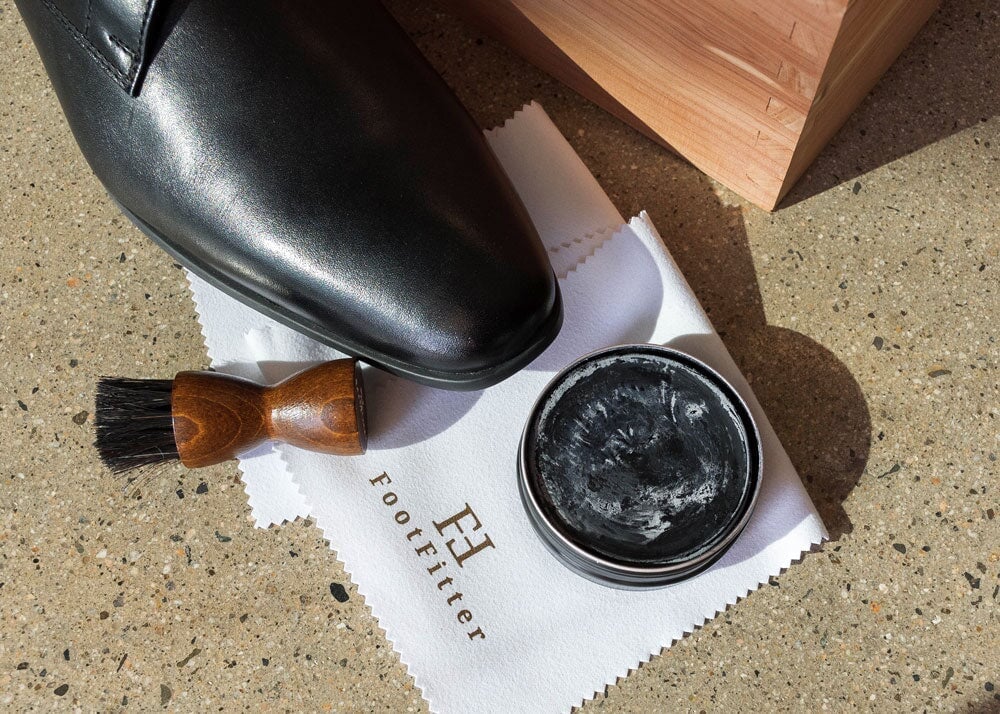
Gather simple tools before you start. Good prep makes the job easy.
- Soft cloths for cleaning and buffing
- Horsehair brush for removing dust and for buffing
- Applicator brush or cotton cloth for cream or wax
- Polish (cream, wax, or neutral)
- Leather cleaner or saddle soap
- Leather conditioner for deep care
- Shoe trees to keep shape while you work
My shop kit always includes a soft rag and a small tin of wax polish. That combo covers most quick fixes.
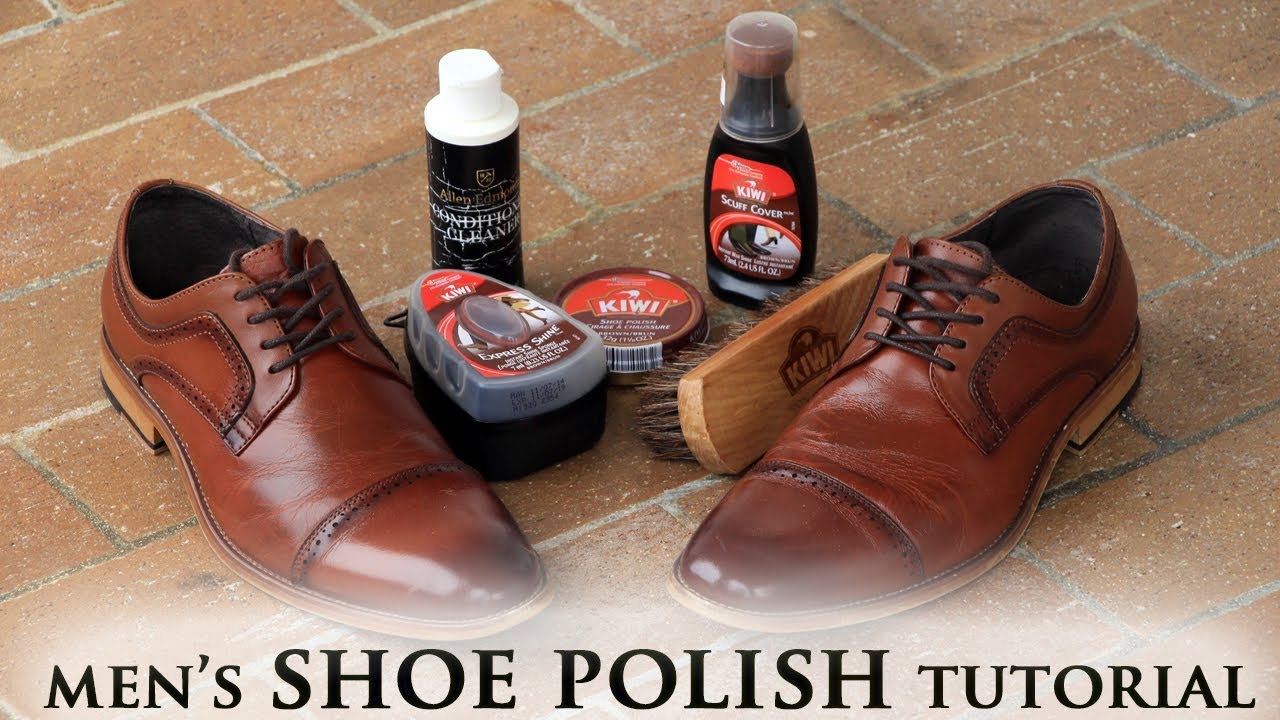
Step-by-step: How to apply shoe polish
Follow these clear steps to polish like a pro. Read all steps first. Then work methodically.
- Clean the shoe
Wipe off dust and dirt with a soft cloth. Use a damp cloth or saddle soap for grime. Let the leather dry fully. - Condition if needed
Apply a thin layer of leather conditioner if leather feels dry or stiff. Wait for it to absorb for 10 to 20 minutes. - Set shoe trees
Insert shoe trees or stuff the toes with paper. This keeps the leather flat and easy to work on. - Apply cream polish (optional)
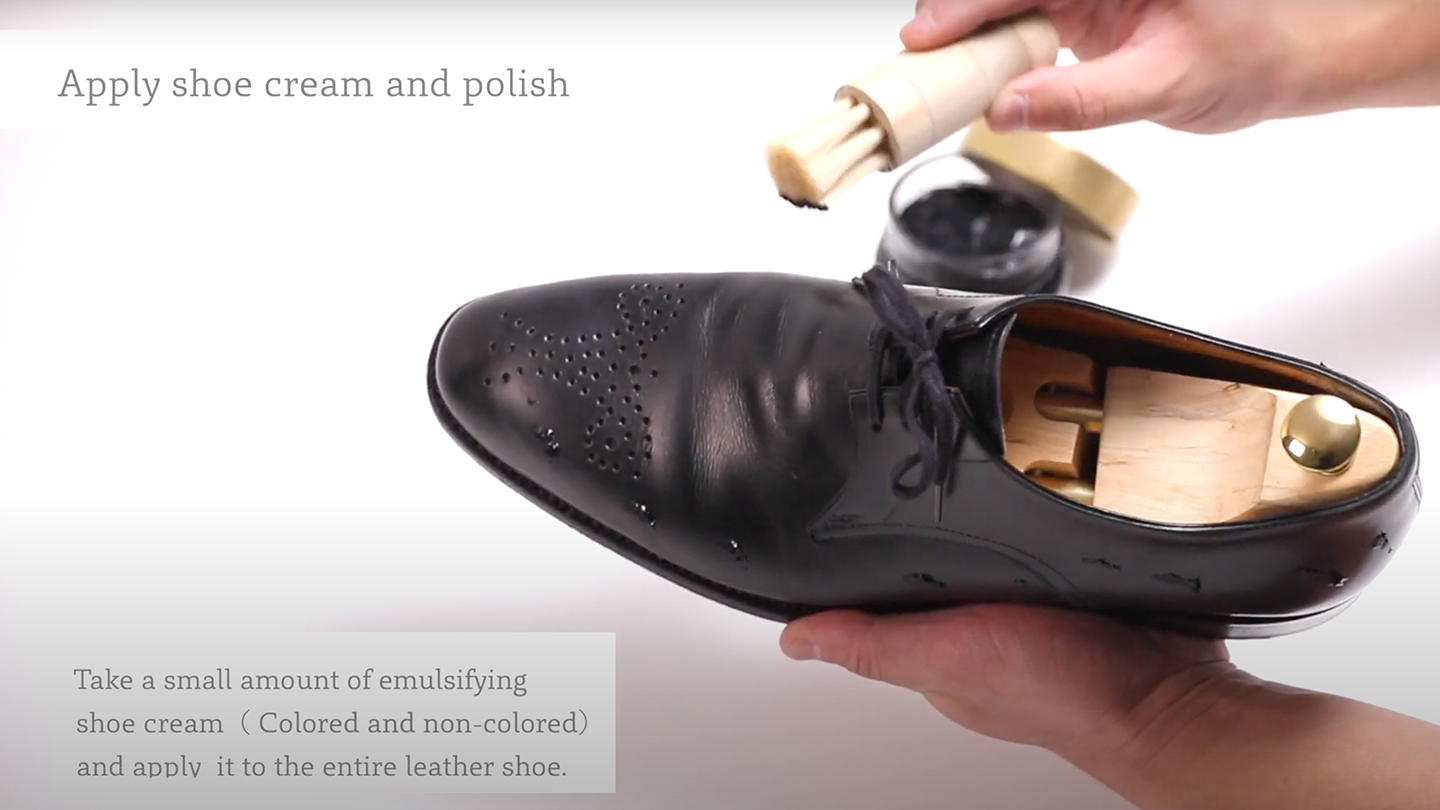
Use a small amount of cream polish to restore color. Rub it in with a cloth or applicator brush in small circles. Cover seams and edges. - Let polish dry slightly
Give the cream 5 to 10 minutes to set. It should sink into the leather, not stay wet on the surface. - Apply wax polish
Take a pea-sized amount of wax. Work it in with light circular motions. Thin layers work much better than thick layers. - Brush and buff
Use a horsehair brush to remove excess and even the finish. Then buff with a soft cloth using fast strokes for shine. - Optional spit shine
For a mirror finish, use a tiny dab of wax and add a few drops of water while rubbing with a cloth. Repeat until you get the desired gloss. - Edge and sole care
Don’t forget the welt and edges. Apply a bit of wax to scuffs on the welt to tidy the look. - Final check
Inspect under bright light for streaks or missed spots. Re-buff if needed.
This clear routine shows exactly how to apply shoe polish step by step. Practice makes it faster.

Common mistakes and how to avoid them
Avoid errors many people make. Small fixes prevent damage.
- Over-applying polish
Too much polish creates build-up. Apply thin coats and buff between layers. - Skipping cleaning
Polishing over dirt scratches the leather. Always clean first. - Using wrong polish
Avoid wax on soft suede. Use products made for the leather type. - Rubbing too hard
Vigorous rubbing can stretch or dull leather. Use light, even pressure. - Ignoring seams and edges
Missing edges makes shoes look unfinished. Hit seams with small, precise motions.
I once ruined a pair by rushing the process. I learned to slow down and use thin layers. That saved many pairs later.
Caring for different leathers and fabrics
Not all shoes take polish the same way. Match product to material.
- Smooth leather
Best for cream and wax polish. Responds well to buffing. - Patent leather
Avoid traditional polish. Use a patent cleaner and a soft cloth. - Suede and nubuck
Do not use polish. Use a suede brush and special protectant spray. - Synthetic leather
Use mild cleaners. Polish may not bond as well as with real leather.
Knowing leather type is key to learning how to apply shoe polish correctly. When in doubt, test a hidden area first.

How often to polish and maintain shoes
Schedule matters. Polishing too often or too rarely can both cause problems.
- Light use
Polish every 6 to 8 weeks. - Heavy use
Polish every 2 to 4 weeks. - After exposure
Clean and treat shoes after rain or salt exposure. - Conditioning
Condition leather 2 to 4 times a year to prevent drying.
Keeping a simple routine prevents surprise repairs. Shoe trees and rotation help shoes last much longer.

Advanced tips and personal lessons
Here are practical tips I learned on the job. Use them to save time and get better finish.
- Build polish slowly
Thin layers produce a nicer shine than one thick coat. Patience pays off. - Use proper cloths
Old T-shirts work well. Avoid abrasive fabrics. - Protect color
Match cream polish to the original dye. Neutral is safe if unsure. - Keep tools clean
Dirty brushes spread grime. Clean brushes with mild soap and let dry. - Store polish properly
Keep tins sealed and at room temperature to avoid drying out.
Once I used an old brush and streaked a shoe. Now I clean tools after each use. Small habits make big differences.

Limitations and safety
Be honest about what polish can and cannot do.
- Polish can hide light scuffs but will not repair deep gouges.
- Too much wax can block leather breathing. Use conditioner to balance care.
- Some polishes contain solvents; work in a ventilated area.
- Color matching may not be exact with older or sun-faded leather.
These limits guide realistic expectations when you learn how to apply shoe polish.
Frequently Asked Questions of how to apply shoe polish
How long should I let polish dry before buffing?
Wait about 5 to 10 minutes for cream polish to set and dry slightly. Wax can be buffed almost immediately once it feels tacky.
Can I mix cream and wax polish on the same shoe?
Yes. Use cream first to restore color and condition. Layer a thin wax coat after for shine and protection.
Is it safe to use any polish on colored leather?
Better to match the polish color or use neutral. Testing a hidden area first prevents unexpected color changes.
How often should I condition before polishing?
Condition every 2 to 4 months for regular shoes, or when leather feels dry. Condition more often for older or very dry leather.
Can I polish suede shoes?
No. Suede needs a brush and special protectant spray, not cream or wax polishes.
Conclusion
Polishing shoes is simple when you follow the right steps. Clean, condition, apply thin layers, and buff for the best results. Practice these methods to protect your leather and keep shoes looking sharp. Try the routine this week, rotate your shoes, and leave a comment about your results or questions.

Madison Clark is a footwear expert and the voice behind MyStyleGrid.com. She specializes in honest shoe reviews, style tips, and practical guides to help readers find the perfect pair for any occasion. With years of experience in blogging and content creation, Madison makes footwear knowledge simple, stylish, and easy to follow.