Most leather dress shoes will stretch slightly with wear, though results vary by leather and construction.
I’ve worked with shoes for years and tested many pairs myself, so I can tell you exactly how and why do leather dress shoes stretch, when to expect change, and how to control the process. This guide breaks down the science, the safe methods, the common mistakes, and handy tips you can use today to get a better fit without ruining your shoes. Read on to learn practical steps and real-world insights that save time and money.
How leather stretches and why it matters
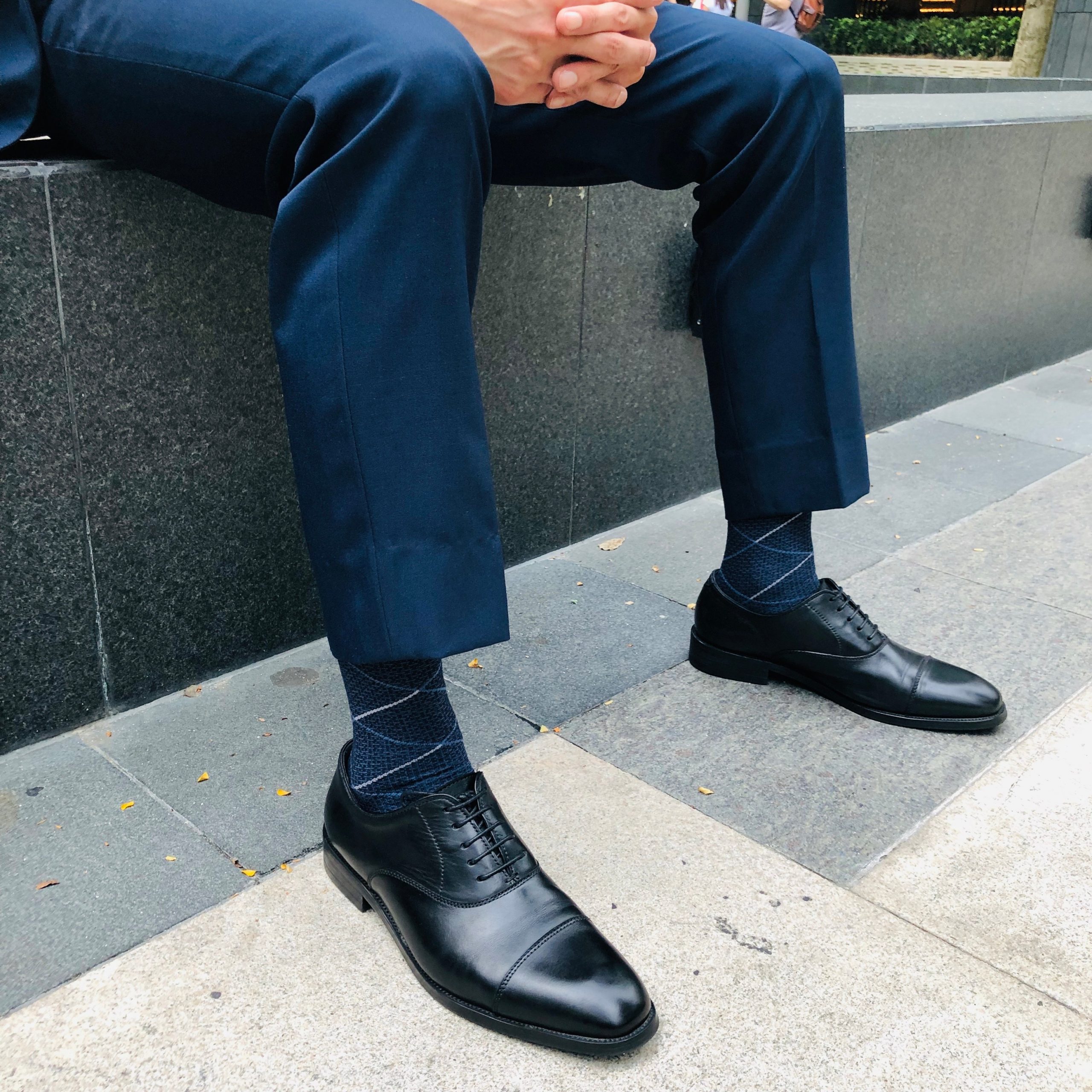
Leather is a natural material made of fibers. Those fibers relax and rearrange under pressure and heat. That is why do leather dress shoes stretch over time as you wear them.
Stretching can change width more than length. Toe boxes may shape to your foot. Poorly managed stretching can cause creases, loosened linings, or misshaped uppers. Understanding the type of leather helps set realistic expectations. Full-grain leather stretches less but molds beautifully. Corrected-grain and softer leathers stretch more quickly.

Factors that affect how much leather dress shoes stretch
Several elements determine whether and how much do leather dress shoes stretch. Key factors include:
- Leather type
- Full-grain leather resists large shape changes.
- Calfskin and softer leathers stretch more readily.
- Leather thickness
- Thin uppers adapt faster than thick ones.
- Construction method
- Goodyear-welted and Blake-stitched shoes maintain structure better than cemented shoes.
- Lining and padding
- Thick linings reduce how much the outer leather will change.
- Heat and moisture
- Warmth and moisture make fibers more pliable and easier to stretch.
- Wear pattern
- Regular wearing over time causes gradual, safe stretching.
- Tools and techniques
- Professional stretchers or sprays produce predictable results, while crude methods can harm shoes.

How to safely stretch leather dress shoes
If you need more room, use safe, proven techniques. Below are steps and options that work for different problems.
- Wear them in short sessions
- Put the shoes on with thin socks.
- Wear around the house for 20–60 minutes to let leather relax.
- Repeat daily until comfortable.
- Use a shoe stretcher
- Insert a quality stretcher for targeted width or length changes.
- Leave it in overnight and check fit the next day.
- Apply a leather-safe stretching spray
- Spray inside the tight area lightly.
- Wear the shoe while it dries to shape the leather.
- Use heat carefully
- Warm leather with a hairdryer for 20–30 seconds while wearing thick socks.
- Move feet gently to push the leather outward.
- Avoid overheating; excessive heat can crack finishes and adhesives.
- Ice-bag method for targeted stretching
- Fill a sealed bag with water and place it where you need expansion.
- Freeze the shoes with the bag inside so ice gently expands the leather.
- Let the leather thaw slowly.
- Seek a cobbler for stubborn spots
- Professionals use hydraulic stretchers and can add lasting, localized changes.
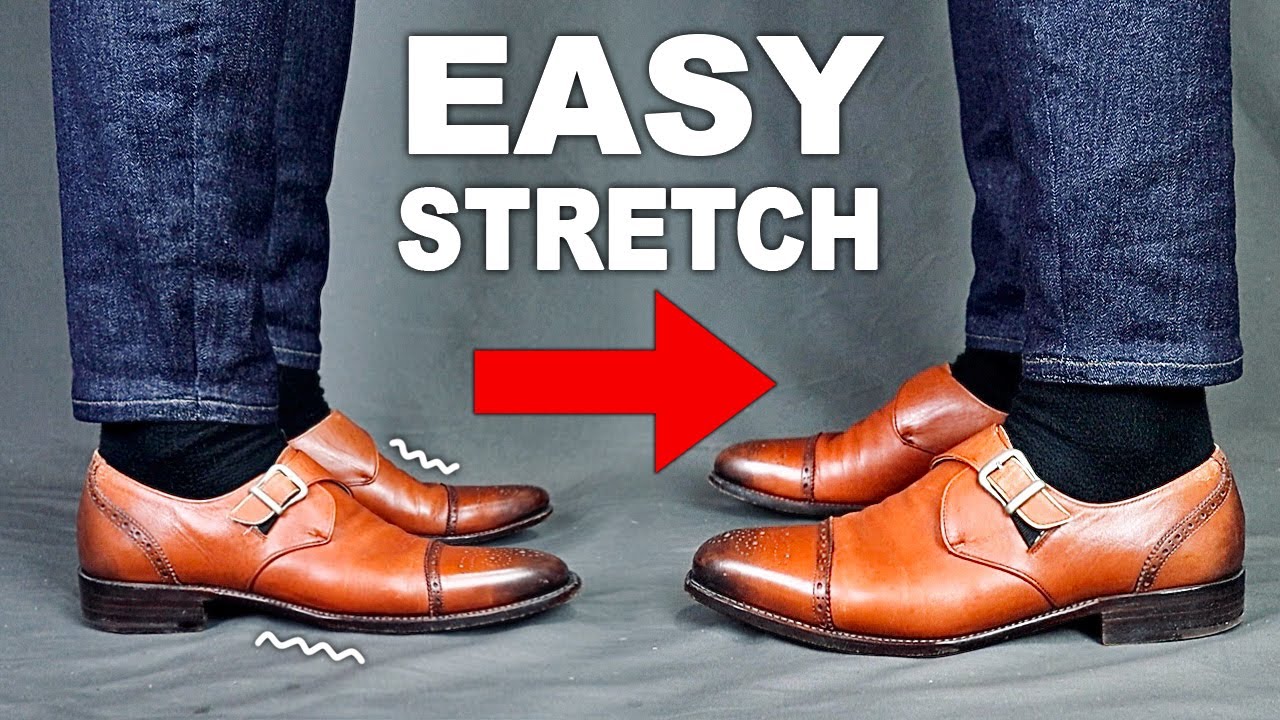
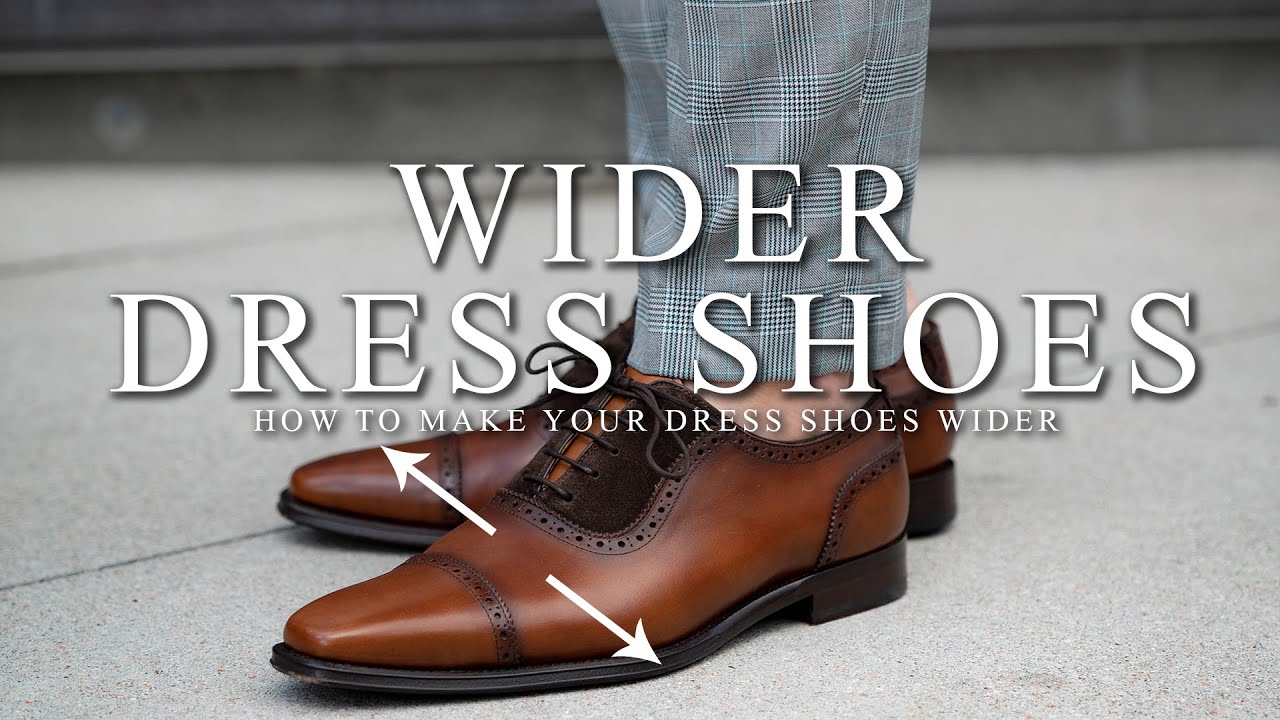
Combine methods sparingly. For example, a stretcher plus a light spray gives controlled results. Remember that do leather dress shoes stretch differently by design, so expect modest gains—often a quarter to half size in width.
When not to stretch and the risks involved
Not every shoe should be stretched. Some risks include:
- Glue failure
- Heat or moisture can weaken adhesives in cemented soles.
- Shape damage
- Excessive stretching can distort toe shape and stitching lines.
- Finish cracking
- Harsh chemicals or too much heat may crack polished finishes.
- Sole separation
- Overly aggressive stretching can strain the sole-to-upper joint.
Don’t try to stretch shoes that are only a little too long. Length is harder to change than width. If the shoe is much too small, returning or replacing is safer and cheaper.

Practical tips from my experience
I’ve stretched many dress shoes and learned what works and what doesn’t. Here are direct tips I use and recommend.
- Buy the right baseline size
- Start with shoes that are close to correct. Stretching fine-tunes fit.
- Target problem spots
- Identify whether the tightness is across the toes, the ball, or the instep.
- Use a quality stretcher
- A wooden or metal stretcher gives steady, even pressure. I’ve had consistent success with them.
- Condition after stretching
- Apply leather conditioner to replenish oils and prevent drying.
- Give it time
- Leather often relaxes over several wears. Don’t overdo it on the first day.
- Avoid DIY extremes
- Do not boil shoes or soak them. I learned that the hard way; glued soles can come apart.
These small practices help protect your shoes and extend their life. As you test what works, you’ll get a feel for how your specific pair responds when you ask do leather dress shoes stretch.
Frequently Asked Questions of do leather dress shoes stretch
Do all leather dress shoes stretch over time?
Most leather dress shoes stretch a bit with wear, but amount varies by leather type and construction. Softer leathers stretch more quickly than heavy, full-grain leathers.
How much do leather dress shoes typically stretch?
Expect about a quarter to half size in width and minor length change after regular wear or gentle stretching. Precise change depends on materials and technique.
Can stretching damage my dress shoes?
Yes, improper methods can break adhesives, crack finishes, or distort shape. Use gentle, targeted tools and avoid excessive heat or moisture.
How long does it take for leather shoes to stretch on their own?
Many shoes show noticeable change after a few wears. Full settling often takes one to three weeks of regular use.
Can a cobbler make shoes a full size bigger?
Cobblers can increase width reasonably but making shoes a full size larger is rarely successful without visible changes. They can offer informed options and safer stretches.
Will leather shoes stretch if they get wet?
Wet leather becomes more pliable and may stretch, but uncontrolled wetting risks shrinking, staining, or weakening glue. Controlled methods are safer.
Is it better to size up or stretch the shoes?
If shoes are only slightly tight, stretching is fine. For significantly small shoes, buying the correct size is recommended to avoid long-term problems.
Conclusion
Leather will usually give a little with time, but results depend on leather type, construction, and how you handle the shoe. Use gentle, targeted stretching methods and prioritize fit when you buy. If in doubt, consult a cobbler—professional help saves shoes and money.
Try one careful stretching method this week or have a pro assess your fit. If this guide helped, leave a comment with your shoe type or subscribe for more shoe care tips.

Rubel Miah is the Senior Editor at MyStyleGrid.com, where he brings a sharp editorial eye and an unshakable love for fashion to everything he does. A true style addict, Rubel lives and breathes trends, from streetwear to high fashion, and has a knack for turning inspiration into impactful stories. With years of experience in fashion journalism and digital media, he curates content that empowers readers to express themselves through style. When he’s not editing features or forecasting the next big thing, you’ll find him hunting down vintage pieces or capturing street style moments around the city.