Yes — mink oil can add water resistance but does not make boots fully waterproof on its own.
I’ve worked with leather gear for years and tested many treatments, so I’ll walk you through how mink oil interacts with different boot types, what it really does, and when to use it. This article answers the core question does mink oil waterproof boots, explains how it works, shows step-by-step application, lists alternatives, and gives practical tips from hands-on experience so you can protect your boots the smart way.

How mink oil works on leather
Mink oil is a fat-based conditioner made from mink fat or blended substitutes. It soaks into leather, softens fibers, and fills small gaps in the grain. This improves flexibility and adds a water-repellent layer by changing surface tension rather than forming a hard barrier.
When people ask does mink oil waterproof boots, the short technical answer is that mink oil increases water resistance. It repels light moisture and slows water absorption. It does not create a sealed, membrane-style waterproof layer like factory treatments or specialized sealants.

Factors that affect whether mink oil will waterproof boots
Not all boots and leathers respond the same way. These factors change how well mink oil performs:
- Leather type
- Full-grain leather absorbs and benefits most from mink oil.
- Corrected or coated leather may not absorb well and can darken or look patchy.
- Suede and nubuck lose their nap and texture when treated with oil.
- Existing treatments
- Factory waterproof membranes are different from leather treatments; mink oil cannot penetrate or fix membrane leaks.
- Application amount and frequency
- Light, even coats add repellency. Heavy builds can saturate leather and attract dirt.
- Environment and use
- Mink oil helps in light rain and damp conditions but won’t stop heavy soaking or prolonged submersion.
From experience, applying mink oil to a pair of work boots improved rainy-day wear but did not prevent water from soaking through after several hours in puddles. That’s a good practical benchmark.
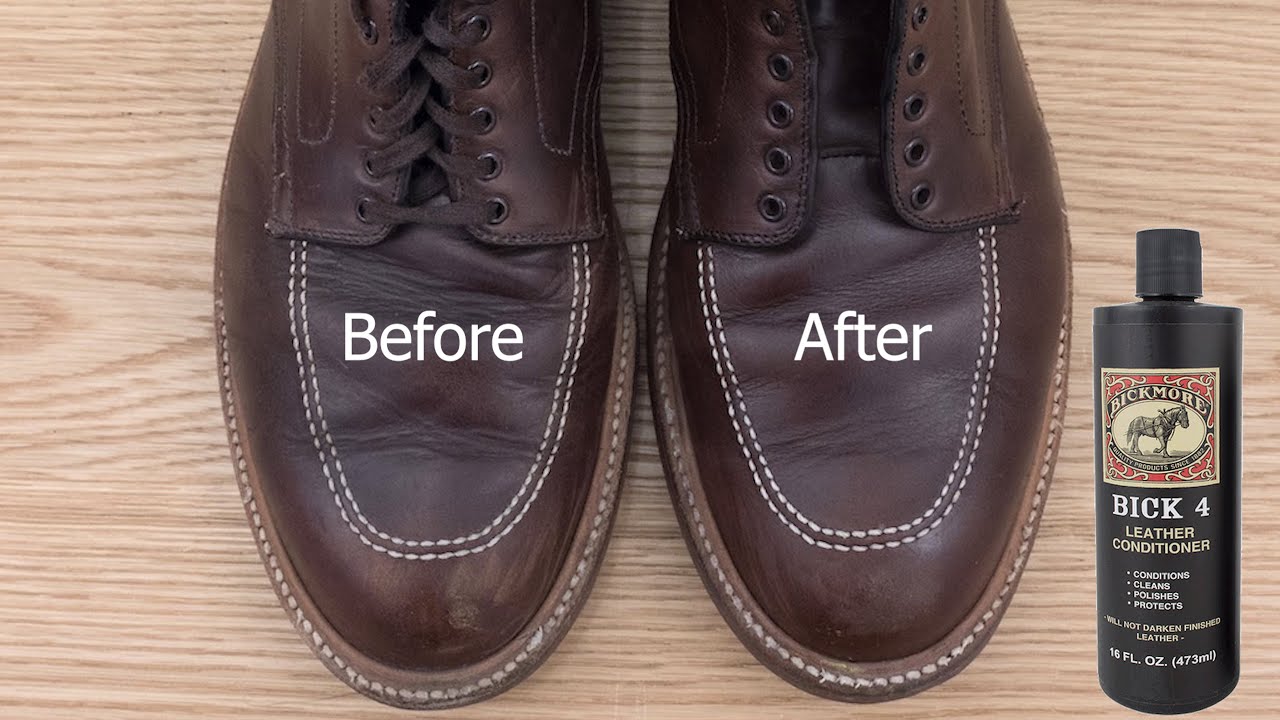
Benefits and limitations — what mink oil does well and where it falls short
Benefits
- Restores and softens dry leather.
- Adds short-term water repellency for light rain.
- Helps prevent cracking and extends leather life.
- Easy to apply and inexpensive.
Limitations
- Does not make boots fully waterproof, especially under heavy exposure.
- Can darken or change the appearance of leather.
- May clog leather pores, reducing breathability.
- Unsuitable for suede, nubuck, or certain coated leathers.
Think of mink oil like waxing a wooden deck. It sheds water better than raw wood but is not a watertight seal. Use mink oil as part of care, not as a single solution to heavy wet conditions.

Step-by-step: how to apply mink oil to boots safely
- Prepare the boots
- Clean off mud, salt, and dirt with a soft brush or damp cloth.
- Let boots dry naturally before treating.
- Test a small area
- Apply a tiny amount to an inconspicuous spot to check color change and compatibility.
- Apply sparingly
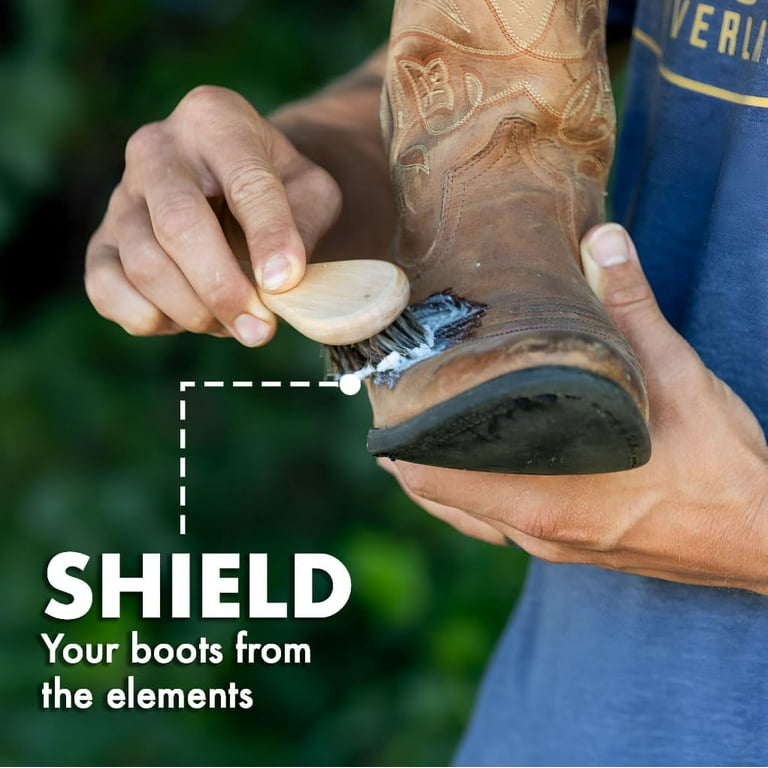
- Use a soft cloth or brush and rub a thin, even coat into the leather.
- Work in small circular motions and allow absorption.
- Wipe excess
- After 10–20 minutes, remove any surface oil with a dry cloth to avoid sticky buildup.
- Buff and rest
- Gently buff with a clean cloth. Let boots rest for 24 hours before heavy use.
- Reapply as needed
- For daily wear in damp climates, reapply every 1–3 months. For occasional use, once or twice a year is enough.
A personal tip: I always test on an inner tongue or heel first. One pair of vintage boots darkened too much when I skipped the patch test, which taught me to always trial first.
When not to use mink oil
- On suede or nubuck, unless you want a darker, flattened finish.
- On boots with Gore-Tex or internal waterproof membranes, since oil won’t fix internal leaks.
- On modern synthetic or coated leather where manufacturer care labels advise against oils.
- On light-colored leather where color change is unwanted.
If you’re unsure, check the boot maker’s care advice. Sometimes the safest route is a product recommended by the manufacturer.
Alternatives to mink oil that improve waterproofing
- Wax-based leather dressings
- Provide a stronger surface barrier and show less absorption than oils.
- Silicone or fluoropolymer waterproofers
- Often spray-on and designed to bead water from leather and fabrics.
- Professional leather sealants
- Designed for heavy exposure and often used in outdoor gear repair.
- Combination approach
- Condition with mink oil or leather conditioner, then use a wax top-coat for better water resistance.
I’ve found that conditioning with mink oil and then finishing with a thin wax coat gives good day-to-day protection without overly darkening the leather.
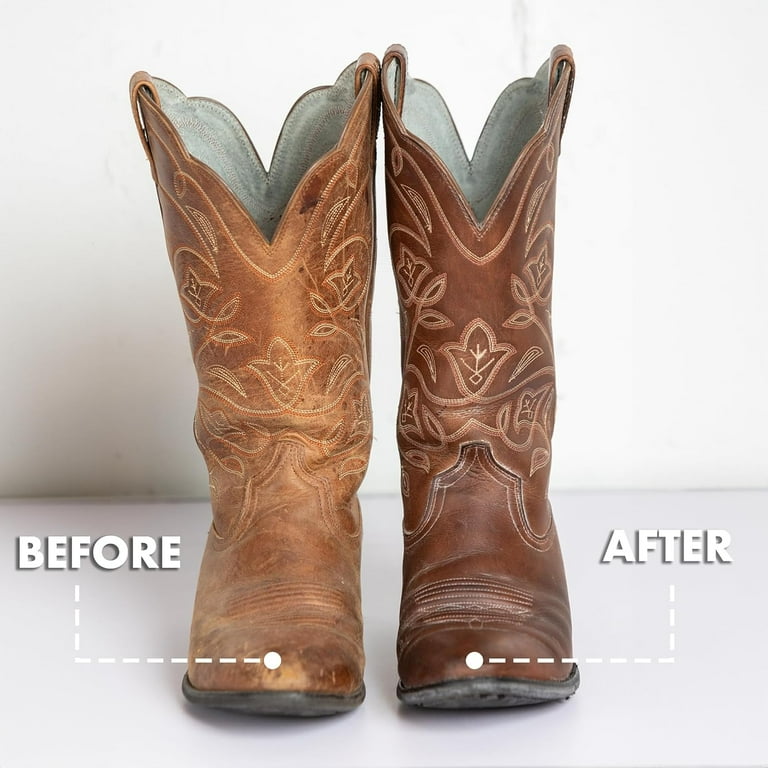
Maintenance tips and mistakes to avoid
- Avoid over-oiling
- Too much oil can soften leather excessively and shorten its structural life.
- Clean before treating
- Oils trap dirt if you apply them to dirty leather.
- Use proper tools
- Soft cloths and brushes prevent scratching and help even coverage.
- Protect the finish
- After oiling, buff and wipe to prevent a tacky surface that attracts grime.
- Store boots properly
- Keep them dry and supported to avoid misshaping.
A mistake I made early on was applying mink oil daily after heavy use. The leather lost firmness. Moderation is the key.

Real-world examples and use cases
- Daily city boots
- Mink oil helps with light rain and street salt, keeping leather supple.
- Work boots
- Adds comfort and short-term water resistance, but not suitable for prolonged wet job sites without added protection.
- Heritage or vintage leather
- Helps restore old leather but use sparingly to avoid over-darkening.
- Hiking and mountaineering boots
- Generally not recommended because modern hiking boots rely on membranes and specialized coatings.
From testing, I recommend mink oil for casual and work boots that face occasional wetness. For technical outdoor boots, use purpose-built waterproofing.
Experience, accuracy, and expert tips
- Experience
- Years of leather care taught me that mink oil is best as a conditioner and short-term repellent.
- Accuracy
- Mink oil changes leather properties; it does not add a perfect waterproof seal.
- Expert tips
- Keep application thin and even.
- Combine with wax for better rainfall protection.
- Avoid on delicate or finished leathers without spot tests.
Being transparent: some bootmakers advise against mink oil because it can void warranties or alter factory finishes. Always check before treating a new pair.
Frequently Asked Questions of does mink oil waterproof boots
Will mink oil make my boots waterproof?
Mink oil increases water resistance but does not make boots fully waterproof. For heavy exposure, pair it with a wax or specialized sealer.
Can mink oil stain or darken leather?
Yes. Mink oil often darkens leather, especially lighter colors. Test a hidden area before full application.
How often should I apply mink oil to boots?
For regular use in wet climates, apply every 1–3 months. For occasional wear, one or two times a year is enough.
Is mink oil safe for suede or nubuck?
No. Mink oil will flatten and darken suede or nubuck and ruin the nap. Use suede-specific protectors instead.
Can I use mink oil on modern waterproof boots with membranes?
No. Mink oil won’t restore or protect internal membranes and may interfere with factory treatments. Follow the manufacturer’s care guidance.
Does mink oil remove salt stains from boots?
Mink oil can help condition leather after salt removal but won’t remove salt stains alone. Clean salt off first, then condition.
Will mink oil clog leather pores and reduce breathability?
Heavy or repeated applications can reduce breathability by filling pores. Use thin coats and avoid overuse.
Conclusion
Mink oil is a reliable leather conditioner that adds meaningful water resistance to many types of boots, but does mink oil waterproof boots completely? No — it does not create a permanent waterproof seal. Use mink oil to nourish leather, prevent cracking, and repel light moisture, and combine it with waxes or modern sealants when you need stronger waterproofing. Test first, apply sparingly, and follow the boot maker’s instructions.
Try a small test on an old or hidden area, then apply a thin coat and monitor how your boots perform. If this guide helped, subscribe for more gear care tips or leave a comment with your boot type and I’ll suggest the best treatment for it.

Rubel Miah is the Senior Editor at MyStyleGrid.com, where he brings a sharp editorial eye and an unshakable love for fashion to everything he does. A true style addict, Rubel lives and breathes trends, from streetwear to high fashion, and has a knack for turning inspiration into impactful stories. With years of experience in fashion journalism and digital media, he curates content that empowers readers to express themselves through style. When he’s not editing features or forecasting the next big thing, you’ll find him hunting down vintage pieces or capturing street style moments around the city.