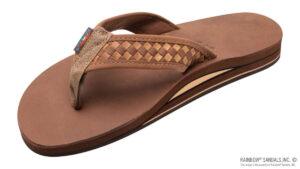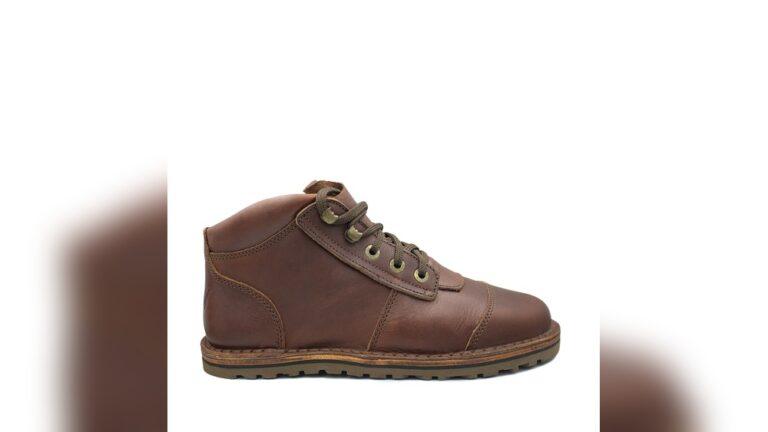
If you’ve ever walked through a pine forest or spent time outdoors, you know how easy it is to get sticky tree sap on your boots. Leather boots are strong, but sap can make them look dirty and feel sticky. You might worry that cleaning sap will hurt the leather. But don’t worry—I’m here to show you how to remove tree sap from leather boots safely, without causing damage. With the right steps, you can keep your boots looking great for years.
Let’s walk through everything you need to know, from what sap is, why it’s tricky, what to avoid, and the best methods to clean your boots. I’ll also share tips that most people miss, so your boots stay clean and soft.
Why Tree Sap Is Hard To Remove
Tree sap is sticky, thick, and often clear or yellow. It comes from pine, fir, or spruce trees, but many other trees have sap too. Sap is made of sugars, resins, and oils. These stick to surfaces and are hard to clean off.
On leather, sap can soak in, leaving a stain and a sticky patch.
If you try to wipe sap with just water, it spreads and gets worse. If you use strong chemicals, you might remove the color or soften the leather too much. That’s why it’s important to use safe methods.
What You Need Before You Start
Before you clean, get your supplies ready. Here’s a list of things that work well:
- Soft cloths or old t-shirts – for wiping
- Cotton swabs – for small spots
- Mild soap (like saddle soap) – for gentle cleaning
- Leather cleaner – helps remove stains safely
- Rubbing alcohol (isopropyl alcohol, 70%) – for stubborn sap
- Vegetable oil or olive oil – helps break down sap
- White vinegar – a safe cleaner for leather
- Ice cubes in a bag – to harden sap
- Plastic spoon or dull knife – for scraping
- Leather conditioner – to keep leather soft
Never use bleach, acetone, or strong household cleaners. These can dry out or stain leather.
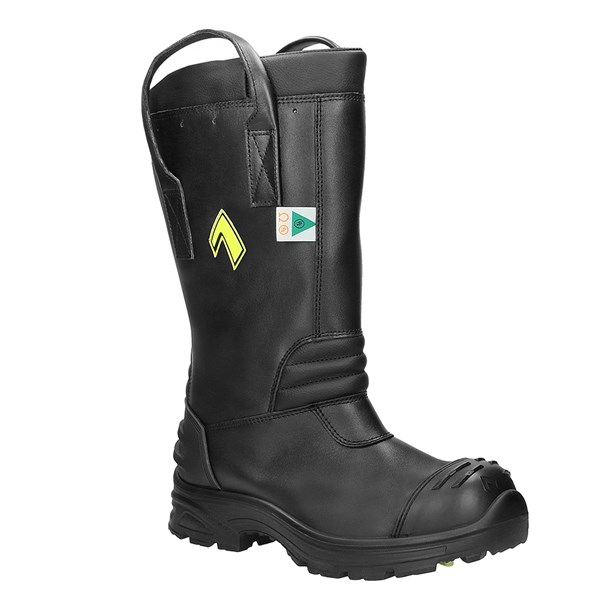
Credit: www.aoe.net
Steps To Remove Tree Sap From Leather Boots
Cleaning tree sap takes patience. Here’s a safe way to do it:
1. Freeze The Sap
If the sap is thick or sticky, harden it first. Put a few ice cubes in a plastic bag. Lay the bag on the sap for five minutes. The sap will get hard and less sticky.
2. Gently Scrape Off What You Can
Use a plastic spoon or a dull knife. Gently lift off as much sap as possible. Do not press too hard—you don’t want to scratch the leather.
3. Choose Your Cleaning Method
Pick a cleaning method based on what you have at home. Here are the most common ways:
Method 1: Use Mild Soap And Water
- Mix a few drops of mild soap or saddle soap in warm water.
- Dip a soft cloth in the water. Wring out extra water—the cloth should be damp, not wet.
- Wipe the sap area gently.
- Dry with another cloth.
This works for small or fresh sap spots.
Method 2: Vegetable Oil Or Olive Oil
- Put a little vegetable oil or olive oil on a soft cloth.
- Rub the sap spot gently.
- The oil helps break down sticky sap.
- Wipe away oil and sap with a clean cloth.
- Wash the spot with mild soap and water after, to remove leftover oil.
This is safe for most leather, but always test on a small area first.
Method 3: Rubbing Alcohol
- Dip a cotton swab in rubbing alcohol (70%).
- Dab the sap spot—do not soak it.
- The alcohol will dissolve sap.
- Wipe with a clean, damp cloth right away.
- Dry with another cloth.
Don’t use too much alcohol. It can dry leather if used in large amounts.
Method 4: White Vinegar
- Mix equal parts white vinegar and water.
- Dip a cloth in the mix.
- Gently wipe the sap area.
- Dry with a clean cloth.
Vinegar is safe for most leathers and helps remove odors too.
Method 5: Leather Cleaner
- Use a leather cleaner made for boots.
- Follow the instructions on the bottle.
- Clean the area, then wipe with a dry cloth.
This is the best choice for expensive or delicate boots.
4. Remove Stubborn Sap
If some sap is still left, repeat the steps above. Sometimes, you need to use two methods. For example, oil first, then rubbing alcohol. Be patient—do not rush.
5. Condition The Leather
After cleaning, always use a leather conditioner. Sap and cleaners can dry the leather. Conditioner keeps it soft and helps it last longer.
- Put a small amount of conditioner on a cloth.
- Rub gently into the leather.
- Let it soak in for a few hours.
- Wipe off extra with a dry cloth.
Conditioner also adds a nice shine and protects the leather from future stains.
Common Mistakes When Removing Sap
Many people damage their boots by making simple mistakes. Here are things to avoid:
- Scrubbing hard – This can scratch or remove the finish.
- Using too much water – Leather doesn’t like being wet.
- Applying heat – Don’t use a hair dryer or heater; it dries out the leather.
- Skipping conditioner – Leather needs moisture after cleaning.
- Using nail polish remover or bleach – These destroy leather.
Remember, gentle cleaning is better than fast cleaning.
How To Prevent Tree Sap On Leather Boots
It’s always better to avoid sap if you can. Here are some tips:
- Watch where you walk – Stay away from sticky areas under trees.
- Use boot covers – If you work in forests, covers protect your boots.
- Wax or waterproof your boots – This makes sap less likely to stick.
- Clean sap right away – Fresh sap is much easier to remove.
How Long Does Cleaning Take?
Most sap stains take about 15–30 minutes to clean. If the sap is old or thick, it may take longer. Waiting makes it harder, so act as soon as you see sap.
When Should You Call A Professional?
Some sap stains are very stubborn. If your boots are very expensive, or if nothing works, call a leather cleaning professional. They have tools and products that can remove stains without harming the boots.
Safe Products For Cleaning Leather Boots
Many cleaning products are sold for leather. Not all are safe. Here are some common, safe choices:
| Product Name | Type | Safe for Leather? | Where to Find |
|---|---|---|---|
| Saddle Soap | Soap | Yes | Shoe stores, supermarkets |
| Lexol Leather Cleaner | Leather Cleaner | Yes | Online, shoe stores |
| Rubbing Alcohol (70%) | Household | In Small Amounts | Pharmacies, supermarkets |
| Olive Oil | Household | Yes | Grocery stores |
| White Vinegar | Household | Yes | Grocery stores |
Always read the label. Test any new product on a small spot first.
How Different Sap Types Affect Leather
Not all sap is the same. Here’s a quick look at how common types act:
| Tree Type | Sap Color | Sticky Level | Cleaning Difficulty |
|---|---|---|---|
| Pine | Clear/Yellow | Very Sticky | Hard |
| Maple | Clear | Sticky | Medium |
| Birch | White | Less Sticky | Easy |
| Fir | Clear | Sticky | Medium |
Pine sap is the hardest to remove because it has more resin.
What Most People Miss When Cleaning Sap
Here are two things many people forget:
- Always neutralize the cleaner. After using alcohol or vinegar, wipe the spot with a clean, damp cloth. This stops the cleaner from drying the leather over time.
- Let your boots rest. After cleaning, let the boots sit in a cool, dry place for a few hours before wearing them. This helps the leather recover.

Credit: us.theshoecareshop.com
How To Treat Stains After Sap Is Gone
Sometimes, a dark or shiny spot stays after sap is gone. Here’s what you can do:
- Use a leather cleaner again.
- Rub gently with a clean, dry cloth.
- Add a bit more conditioner.
- If stain remains, try a leather stain remover (test first).
Most stains fade over time, especially if you care for your boots.
How To Store Leather Boots Properly
Good storage keeps boots in top shape. Here are tips:
- Keep boots dry – Damp boots can grow mold.
- Use boot trees or stuff with newspaper – This keeps the shape.
- Store out of sunlight – Sun fades leather.
- Keep in a cool place – Heat dries and cracks leather.
- Brush off dirt before storage – Clean boots last longer.
Should You Use Home Remedies?
Many people use things from home to clean leather. Oil, vinegar, and rubbing alcohol work if you are careful. But some home tricks, like using peanut butter or hairspray, can stain or damage boots. Stick with safe options.
How To Tell If The Leather Is Damaged
After cleaning, look for signs of damage:
- Dry or cracked spots
- White patches (from soap or cleaner left behind)
- Change in color (too light or dark)
- Sticky feel (sap not fully gone)
If you see these, use more conditioner. If problems stay, ask a shoe repair expert for help.
Why Leather Conditioner Is Important
After cleaning, leather can lose its natural oils. This can make it stiff, dry, or cracked. Leather conditioner adds back the moisture and keeps the boots soft. Use it after any cleaning.
If you clean boots often, condition them once a month. If you only clean sometimes, condition after every cleaning.
How To Choose The Best Leather Conditioner
Here’s how to pick the right conditioner for your boots:
- Check the type of leather – Smooth, nubuck, or suede may need special care.
- Choose a conditioner without wax or silicone – These can block the leather from breathing.
- Pick unscented if you don’t like strong smells.
- Read reviews online – See what other boot owners recommend.
A good example is Lexol Leather Conditioner. It works on most leather boots and is easy to find.
How To Keep Leather Boots Looking New
Cleaning sap is just one part of boot care. To keep boots looking new:
- Clean off dirt after every use.
- Condition when they look dry.
- Store them well.
- Waterproof if you use them in wet places.
Taking a few minutes for care saves you money in the long run.
Real-life Example: Removing Pine Sap
Let’s say you walk your dog in the park and step in fresh pine sap. Here’s what you do:
- Act fast. As soon as you get home, put ice on the sap to harden it.
- Scrape off the hard sap with a plastic spoon.
- Rub a little olive oil on the spot with a cloth.
- Wipe with a soapy cloth, then dry.
- Apply leather conditioner.
Your boots will look clean and feel smooth. If you wait a week, you may need to repeat these steps a few times.
How Sap Removal Affects Boot Lifespan
Sap left on boots can:
- Break down the leather finish
- Make the leather dry and cracked
- Cause stains that don’t go away
Removing sap the right way helps your boots last longer. Well-cared boots can last 10 years or more with regular cleaning and conditioning.
Comparing Diy Vs. Professional Cleaning
Some wonder if they should clean boots at home or use a professional. Here’s a quick comparison:
| Method | Cost | Time Needed | Result |
|---|---|---|---|
| DIY at Home | Low | 15–30 min | Good (if careful) |
| Professional | Medium–High | 1–5 days | Excellent (for tough stains) |
Most people can clean sap at home safely. If your boots are rare, custom, or very expensive, a professional is a good choice.
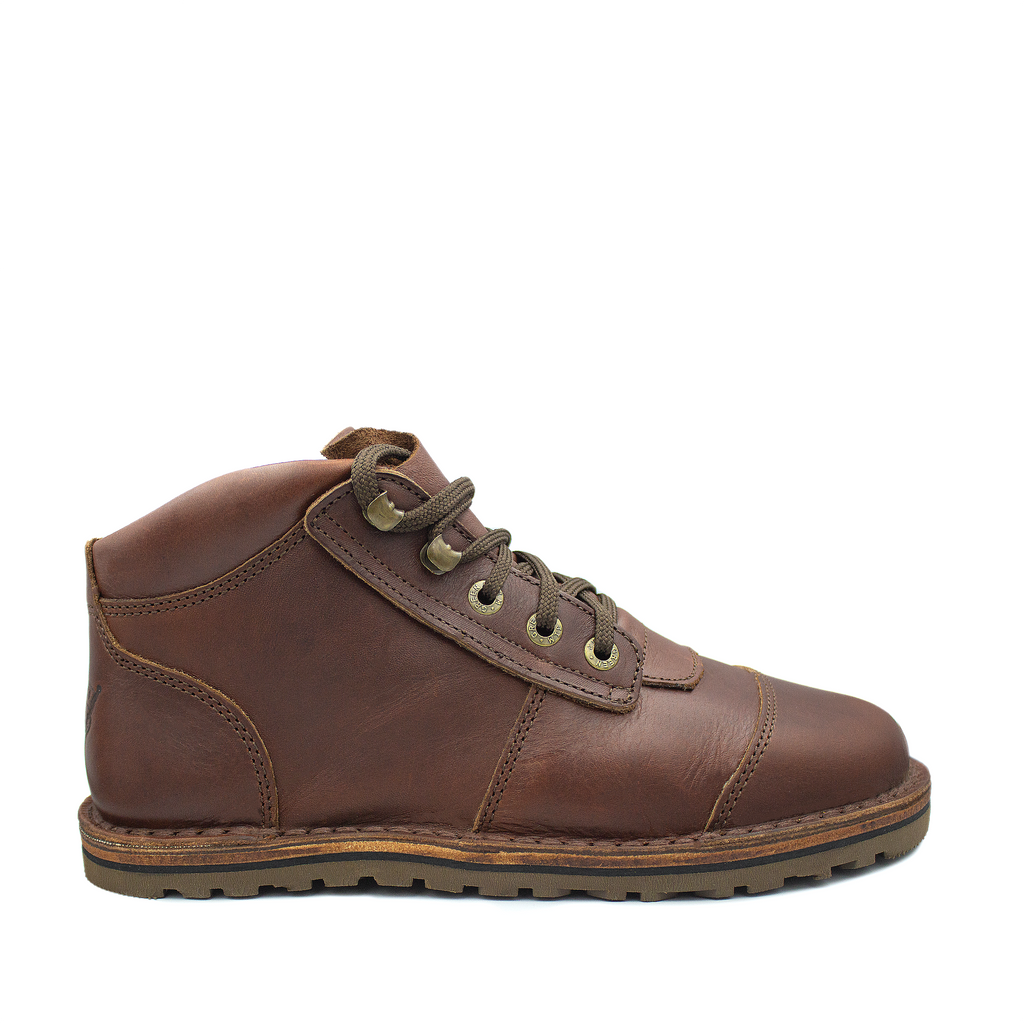
Credit: vellieboutique.co.za
Where To Learn More
If you want to read more about leather care and cleaning, the Leather Care Wikipedia page gives a lot of useful tips.
Frequently Asked Questions
What If The Sap Stain Is Very Old?
Old sap is harder to remove. Try freezing and scraping, then use oil or rubbing alcohol. You may need to repeat the steps. If nothing works, ask a leather care expert for help.
Can I Use Baby Wipes To Clean Tree Sap Off Boots?
Baby wipes are gentle, but they may not remove sticky sap. They are safe for wiping dust or dirt, but for sap, use the methods above.
Will Sap Removal Fade The Color Of My Boots?
If you scrub hard or use too much alcohol, it can fade leather. Always test on a small spot and use a conditioner after cleaning.
Is It Safe To Use Nail Polish Remover On Leather?
No, nail polish remover can ruin the leather finish and change its color. Stick to rubbing alcohol, oil, or vinegar for safe cleaning.
How Often Should I Clean And Condition My Leather Boots?
Clean them after each sap or dirt stain. Condition the boots every month or after every cleaning. This keeps the leather soft and strong.
—
With the right care and a gentle touch, you can remove tree sap from leather boots without worry. Boots can last many years if you treat them well. Sap is a small problem if you know what to do. Enjoy your boots and your time outdoors!

Rubel Miah is the Senior Editor at MyStyleGrid.com, where he brings a sharp editorial eye and an unshakable love for fashion to everything he does. A true style addict, Rubel lives and breathes trends, from streetwear to high fashion, and has a knack for turning inspiration into impactful stories. With years of experience in fashion journalism and digital media, he curates content that empowers readers to express themselves through style. When he’s not editing features or forecasting the next big thing, you’ll find him hunting down vintage pieces or capturing street style moments around the city.