Use a gentle cleaner, leather conditioner, and stretching while testing a small area first.
I’ve worked with shoes and cobblers long enough to know that softening leather shoes is part science and part patience. This guide explains why leather feels stiff, how to soften leather shoes safely, and which tools and steps work best for different leather types. Read on for clear, tested methods, safety tips, and real-life lessons so you can make your shoes more comfortable without ruining them.
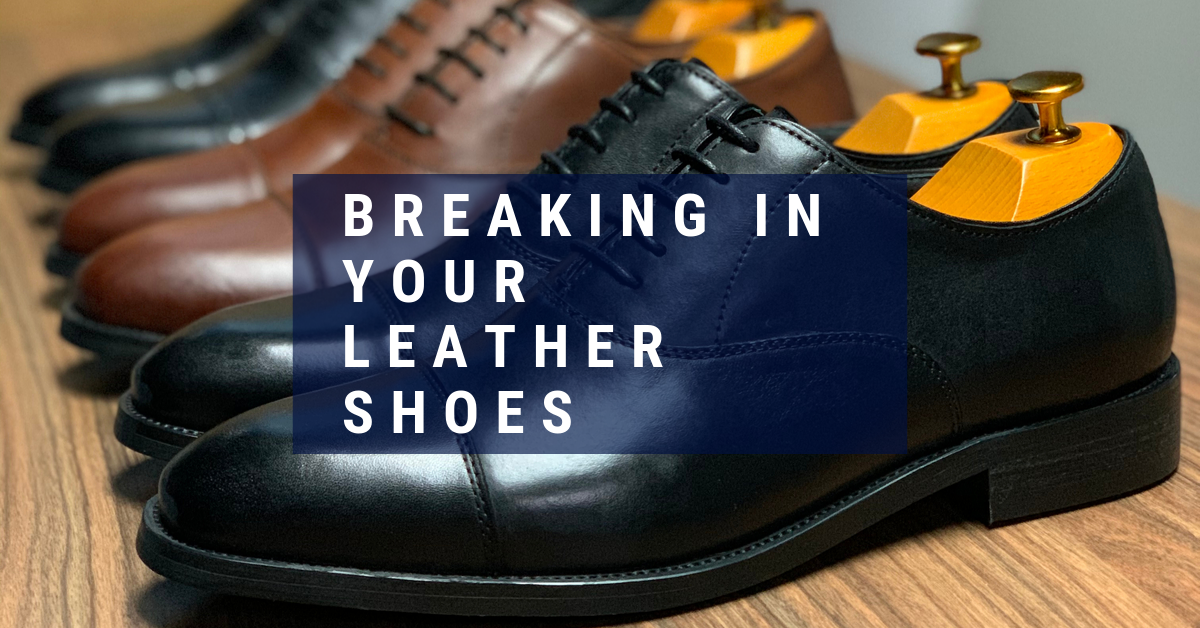
Why leather is stiff and what that means for softening
Leather starts stiff for several reasons. New leather often lacks surface oils. Manufacturing processes remove natural oils and press fibers tight. Low-moisture storage and cold weather also make leather rigid.
Knowing the leather type helps. Full-grain and top-grain take conditioning well. Corrected-grain and bonded leathers may not absorb oils the same way. Suede and nubuck need special care and cannot be oiled like smooth leather.
Three quick answers people often want to know:
Will conditioning change my shoe color?
Conditioning can darken leather slightly. Always test on a hidden area first.
Can heat damage leather?
High heat dries leather and can crack glue and dye. Use low heat only and keep it brief.
Does oil make leather waterproof?
Oil can give temporary water resistance but not full waterproofing. Use a proper protector after conditioning.

Preparing your shoes and testing before you soften them
Start with clean shoes. Dirt blocks conditioners from penetrating. Use a soft brush and a mild leather cleaner or saddle soap. Wipe away residue and let leather dry at room temperature.
Identify the leather type. Look inside the shoe or check labels. If unsure, test less aggressive methods first.
Do a patch test on the tongue or inside heel. Apply your chosen conditioner or oil to the test area. Wait 24 hours to check for darkening, stickiness, or finish changes.
Tools and supplies to gather:
- Soft brush and microfiber cloth.
- Mild leather cleaner or saddle soap.
- Leather conditioner or cream.
- Neatsfoot oil or mink oil (use sparingly).
- Shoe trees and stretching tools.
- Thick socks or a hairdryer (low heat).
- Zip-top bags for the freezer method (use with caution).

Step-by-step methods to soften leather shoes safely
Here are the most reliable methods. Choose one or combine carefully. Always start with the gentlest option.
-
Conditioning and massage
- Clean shoes and dry them.
- Apply a small amount of leather conditioner with a cloth.
- Rub gently into seams, toe box, and heel.
- Let sit for 20–30 minutes, then buff.
- Repeat weekly until leather relaxes.
Conditioning restores oils and improves flexibility without harming finish.
-
Using oil (sparingly)
- Use a light leather oil like neatsfoot or mink oil.
- Apply a thin coat only to areas that need softening.
- Wipe off excess and let cure 24 hours.
- Reapply minimally if needed.
Oils are stronger than conditioners and can darken or over-soften if overused.
-
Shoe trees and gentle stretching
1. Insert cedar shoe trees after conditioning.- For targeted stretch, use a shoe stretcher or have a cobbler add stretch plugs.
- Leave stretchers for 24–48 hours, then recheck fit.
This method shapes leather without risk of chemical damage.
-
Wear-in with thick socks and low heat
- Put on thick socks and the shoes.
- Use a hairdryer on low for short bursts while flexing the leather.
- Walk around the house for 20–40 minutes.
Heat helps conditioner penetrate. Don’t overheat or leave on long.
-
Alcohol and water spray (for stubborn tight spots)
- Mix equal parts rubbing alcohol and water in a spray bottle.
- Lightly mist the inside and outside where you need stretch.
- Wear with thick socks until dry.
This loosens fibers a bit but dries out leather, so follow with conditioner.
-
Freezer method (use only on full-grain, glue-safe shoes)
- Fill sturdy zip-top bags with water and seal.
- Place bags inside shoes and freeze overnight.
- As water freezes, it expands slightly to stretch the leather.
- Thaw, remove bags, dry and condition.
Note: This can stress glued components and dyes. Use with caution.
-
Professional stretching
- Take shoes to a cobbler for controlled stretching.
- Cobblers use solvents and machines that are safer for delicate finishes.
This is the safest route for expensive or heirloom shoes.

Tips to soften leather shoes faster without damage
Follow these practical tips:
- Always do a patch test before applying any product.
- Start with conditioner first, then move to oils only if needed.
- Use shoe trees overnight to maintain shape as leather relaxes.
- Apply products sparingly; less is safer.
- Avoid household oils like vegetable oil or WD-40. They damage leather.

After-softening care and ongoing maintenance
Once you soften leather shoes, keep them supple:
- Condition monthly with a quality cream for regular wear.
- Use shoe trees after each wear to absorb moisture.
- Protect with a spray or wax suitable for the leather finish.
- Avoid storing in plastic. Use breathable shoe bags.
- Re-condition before heavy rain seasons and after salt exposure.

Common mistakes to avoid when you try to soften leather shoes
Watch for these pitfalls:
- Over-oiling can make leather sticky or brittle later.
- High heat from dryers or ovens can delaminate soles or crack leather.
- Skipping a test patch leads to color change or finish loss.
- Using the same method for suede and smooth leather damages suede.
- Forcing stretch too fast can break stitching or leather panels.

My personal experience: what worked and what didn’t
I once bought full-grain boots that were rock hard. I used a mild leather conditioner and cedar shoe trees. I wore them around the house for an hour a day for two weeks. The leather relaxed without dark spots.
I also learned a hard lesson by over-oiling a dress shoe. The color deepened and the finish felt tacky for days. Since then I always test and use small amounts. For my nicer shoes, I prefer professional stretching when needed.
Practical takeaway from my work with shoes:
- Patience beats heavy-handed fixes.
- Start mild and repeat.
- Use a cobbler for valuable or glued shoes.
Frequently Asked Questions of how to soften leather shoes
What is the safest way to soften leather shoes at home?
The safest method is to clean, apply a quality leather conditioner, insert shoe trees, and wear them with thick socks. Test all products first on a hidden area to check for color change.
Can I use olive oil or coconut oil to soften leather?
No. Household oils can go rancid and damage leather over time. Use products made for leather like neatsfoot oil or a dedicated conditioner.
How long does it take to soften leather shoes?
It varies by leather type and method. With conditioner and regular wear, you can see improvement in a few days and full softening in 1–3 weeks for most shoes.
Will soaking leather shoes in water help soften them?
Soaking can weaken glue and remove finishes. Light misting or controlled alcohol-water sprays are safer. Always follow with conditioning.
When should I see a professional for softening or stretching?
See a cobbler for expensive shoes, glued soles, intricate finishes, or when home methods fail after a couple attempts. Professionals have tools that reduce risk.
Conclusion
Softening leather shoes is doable with care, the right products, and patience. Clean first, test products, and start with mild conditioning before stronger methods. Use shoe trees, gentle heat, or professional stretching for stubborn cases. Take small steps, avoid common mistakes, and your shoes will become more comfortable and last longer. Try one recommended method this week and check the fit; then share your results or questions below to keep learning.