
Track resale prices, search volume, social buzz, and sell-outs to measure sneaker demand.
I’ve spent years tracking drops, resale boards, and search data to learn how to check sneaker market demand trends. This guide explains clear, repeatable methods I use to spot rising models, avoid hype traps, and make smart buy or sell moves. Read on for step-by-step tactics, tools, and real-world examples so you can check sneaker market demand trends with confidence and speed.

Why tracking demand matters
Knowing how to check sneaker market demand trends helps you buy smarter and sell higher. Demand drives resale value, restock plans, and marketing moves from brands. If you can read signals early, you can act before a shoe peaks or drops.
I learned this the hard way after missing a popular release and later flipping a low-run model for profit because I tracked chatter weeks earlier. The right data cuts risk and boosts timing.

Key data sources to check sneaker market demand trends
Use multiple sources. Each shows one part of demand. Combine them to get a clearer picture.
- Resale marketplaces show real price movement and sell-through rates. Look at recent sales, not just listing prices.
- Search and trend tools reveal interest over time. Spikes in searches often precede sell-outs.
- Social platforms show buzz, sentiment, and influencer impact. High-quality posts and repeated shares matter most.
- Retail sell-through and waitlists show real consumer uptake for drops.
- Marketplace analytics report floor price, price history, and volume. Volume confirms whether price moves are meaningful.
- Newsletters and sneaker blogs sometimes surface limited drops and collabs early.
When you check sneaker market demand trends, treat each source as one piece of a puzzle. Don’t rely on a single channel.

Step-by-step process: how to check sneaker market demand trends
Follow these steps every time you research a model.
-
Gather baseline data
- Check recent resale prices and number of sales for the model.
- Pull search interest for the shoe name and related keywords.
- Scan top social posts and influencer mentions.
-
Watch short-term signals
- Track price changes daily for a week before and after release.
- Note sell-out announcements and restock rumors.
- Monitor social engagement trends and comment sentiment.
-
Confirm with volume
- Make sure price changes come with volume increases.
- If prices rise but sales are few, the move may not be sustainable.
-
Add retail context
- Check official release details: limited runs, regional drops, or exclusive stores.
- Watch retailer preorder and waitlist behavior.
-
Decide and act
- If all signals point up, buy or list confidently.
- If signals conflict, wait for clearer volume confirmation.
I use this routine for both day trading pairs and long-term holds. It keeps me disciplined and reduces emotional buys. When you check sneaker market demand trends, repeat these steps to reduce guesswork.
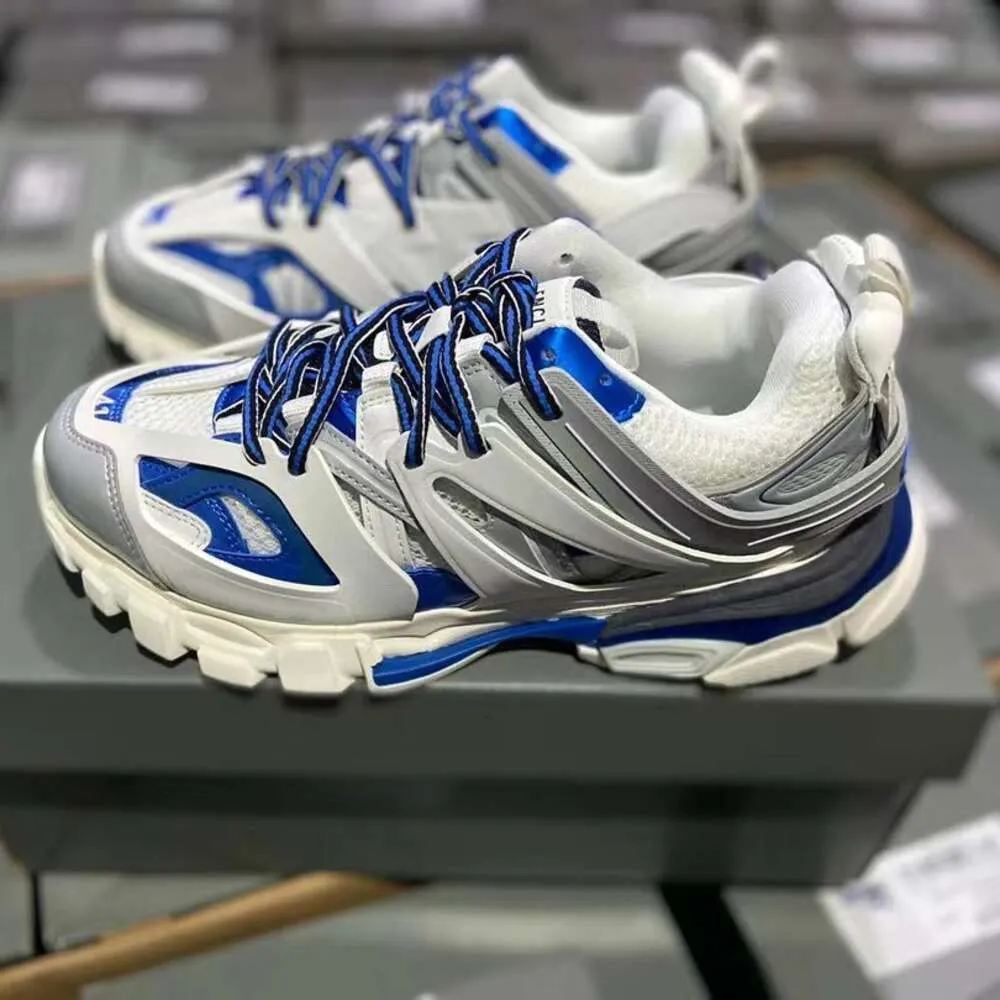
Tools and platforms that make checking demand easier
Right tools save time and increase accuracy. Here are categories and examples to use.
-
Resale marketplaces
- Use sale history, number of sold items, and price trends to see real demand.
-
Search and analytics tools
- Use search volume and related queries to spot rising interest.
-
Social listening tools
- Track mentions, sentiment, and influencer reach across platforms.
-
Retail trackers and drop calendars
- Follow confirmed release dates and regional drops.
-
Inventory and restock bots (ethical use)
- For monitoring only; avoid breaking terms of service.
I personally combine marketplace analytics with search trend alerts and a social listening dashboard. That combo has led me to early buys that later sold well. These tools help when you need to check sneaker market demand trends quickly.
How to interpret signals and make decisions
Not every signal is equal. Learn to weigh them.
-
Strong signals
- Rising sale price plus rising volume and sell-outs
- High search volume sustained over days
- Consistent social engagement from trusted influencers
-
Weak or risky signals
- Price jumps with low sales volume
- Short-lived viral posts with little carrying interest
- Artificial inflation from bot activity or coordinated listings
When you check sneaker market demand trends, give the most weight to sustained, multi-channel signals. If price increases are backed by many buyers, that’s real demand.
I once saw a sneaker’s price surge overnight because of a viral meme. The price fell a week later when volume dropped. That taught me to always verify volume.

Practical examples and mini case studies
Example 1: Limited collab drops
- The collab was announced with limited regional releases. Search interest climbed two weeks prior. Resale prices rose the day after release, and sales volume doubled. Conclusion: clear demand driven by scarcity and hype.
Example 2: Reissued classic sneaker
- Early search spikes were modest. Social posts from collectors increased, but resale volume stayed steady. Over months, prices slowly regained value. Conclusion: steady collector demand versus quick flippers.
These short examples show how to check sneaker market demand trends by comparing search interest, social buzz, and actual sale volume.
Common mistakes and how to avoid them
Avoid these traps that skew judgment.
-
Chasing price spikes with low volume
- Always check sales count before buying into a surge.
-
Relying on a single platform
- Cross-check marketplaces, search tools, and social mentions.
-
Ignoring regional differences
- Some drops sell out in one city but remain available elsewhere.
-
Overvaluing influencers
- One big post can mislead; look for sustained attention.
From my experience, failing to cross-check has been the most costly mistake. Diversify data to get reliable reads when you check sneaker market demand trends.
.jpg)
Measuring risk and setting exit rules
Good demand checks include exit plans.
- Set sell targets based on realistic comps and recent sales.
- Use stop-loss rules when flipping short-term.
- Re-evaluate weekly for long holds based on fresh data.
I recommend writing simple rules before buying. For example: sell if price drops 10% with rising supply, or hold if volume grows and brand restocks are unlikely. This reduces emotion and improves consistency when you check sneaker market demand trends.

Personal tips from my experience
I track five models actively each cycle. I use alerts for search spikes and a private spreadsheet to log sales volume, mean price, and notable social posts. Little habits that helped me:
- Log one data point daily after release for ten days.
- Save screenshots of key influencer posts and compare timing to price moves.
- Keep a short list of trusted marketplaces for price validation.
These simple practices make checking demand fast and repeatable. If you want to get better at how to check sneaker market demand trends, start small and be consistent.
Frequently Asked Questions of how to check sneaker market demand trends
How early should I start checking demand before a release?
Start checking two weeks before a release for search and social trends, and intensify monitoring three days before. This timing often reveals sell-out probabilities and resale interest.
Which single metric is most reliable for demand?
Sales volume paired with price movement is most reliable. Volume confirms that price moves reflect real buyer interest.
Can social media alone predict demand accurately?
Social media helps but rarely tells the full story by itself. Pair social signals with resale data and search trends to confirm demand.
How do restocks affect demand analysis?
Restocks usually lower short-term resale value and increase supply. Track restock announcements and adjust expectations for price drops when evaluating demand.
Is it better to trust marketplaces or search trends?
Both matter. Marketplaces show real transactions; search trends show potential interest. Use them together to get the best read on demand.
Conclusion
Mastering how to check sneaker market demand trends gives you a practical edge. Use multiple sources, focus on volume-backed price moves, and set clear rules for buying and selling. Start by tracking one shoe with the steps above. Then scale your process as you gain confidence and pattern recognition.
Take action now: set up a search alert, pick one release to monitor this week, and log the data for ten days. Share your findings or questions in the comments and subscribe to stay updated on advanced tracking tips.

Rubel Miah is the Senior Editor at MyStyleGrid.com, where he brings a sharp editorial eye and an unshakable love for fashion to everything he does. A true style addict, Rubel lives and breathes trends, from streetwear to high fashion, and has a knack for turning inspiration into impactful stories. With years of experience in fashion journalism and digital media, he curates content that empowers readers to express themselves through style. When he’s not editing features or forecasting the next big thing, you’ll find him hunting down vintage pieces or capturing street style moments around the city.