Lifts in shoes are inserts that add height, improve fit, or support leg length differences.
If you’ve ever wondered what are lifts in shoes and whether they’re just for height or something more practical, you’re in the right place. I’ve seen lifts used in everything from everyday dress shoes to medical footwear, and the best results always come from choosing the right type for the right reason. This guide breaks down what are lifts in shoes, how they work, who uses them, and what to watch out for so you can make a smart choice.
What Are Lifts in Shoes?
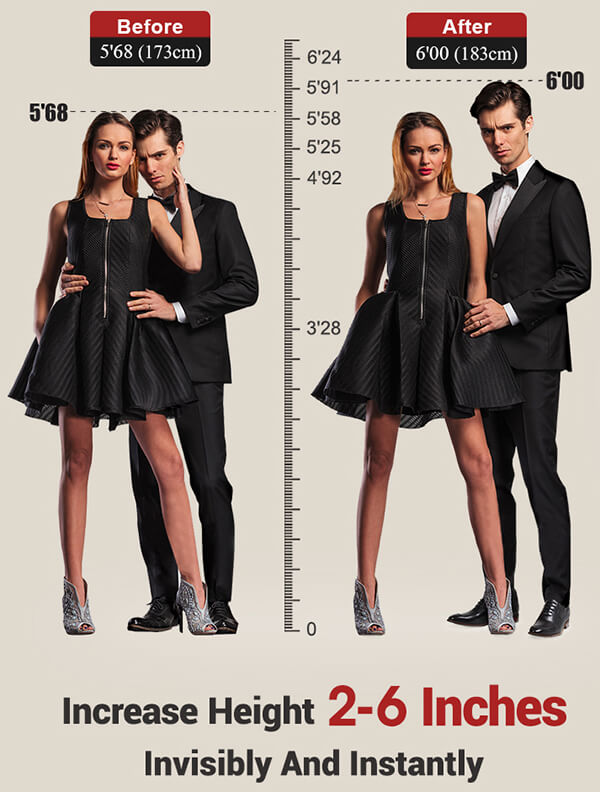
Lifts in shoes are added layers or inserts placed inside or under footwear to raise the foot. People use them for different reasons, including extra height, better comfort, or correcting a leg length difference.
In simple terms, a shoe lift changes how high your foot sits inside the shoe. Some lifts are small heel inserts. Others run the full length of the shoe and create a more even feel.
When people ask what are lifts in shoes, they often mean one of two things:
• Heel lifts, which raise only the back of the foot
• Full-length lifts, which raise the whole foot more evenly
These are not the same as fashion platforms or thick soles. Shoe lifts are usually hidden inside the shoe or built into the shoe structure.

Why People Use Shoe Lifts
People use shoe lifts for more than just looking taller. In my experience, the reasons usually fall into comfort, posture, or confidence.
Here are the most common uses:
• To add height in a subtle way
• To help with leg length discrepancy
• To reduce strain on the Achilles tendon or calf
• To improve comfort after foot or leg issues
• To make one shoe feel more balanced than another
• To support recovery in some orthopedic cases
A small lift can make a big difference. I once tested a pair of heel lifts with a client who had one leg slightly shorter than the other. The change was subtle, but it reduced the tilt in her walk and made standing feel more natural.
Types of Shoe Lifts
Not all shoe lifts work the same way. The right choice depends on the goal and the shoe type.
Heel Lifts
Heel lifts sit under the heel and raise the back of the foot. They are common in athletic shoes, boots, and some dress shoes.
They are often used for:
• Temporary height increase
• Achilles or calf strain relief
• Minor leg length adjustment
Heel lifts can be helpful, but they can also change your posture if used too much. That is why fit matters.
Full-Length Lifts
Full-length lifts extend from heel to toe. They raise the entire foot more evenly and often feel more stable.
These are usually better when:
• A larger height increase is needed
• A more balanced walking feel is important
• The lift is part of a medical or orthopedic need
In practice, full-length lifts tend to look and feel more natural than a very large heel-only insert.
External Shoe Lifts
External lifts are added to the bottom of the shoe. A cobbler or orthopedic specialist may build them into the sole.
These are often used when:
• The height difference is too large for an inside insert
• Extra stability is needed
• The shoe needs a more permanent modification
This style is less common for casual use, but it can be the best option for medical correction.
Removable Inserts
Removable inserts are the easiest to try. You can move them from shoe to shoe, which makes them popular for beginners.
They are useful when:
• You want to test a lift before committing
• You only need occasional height support
• You want flexibility across different shoes

How Shoe Lifts Work
Shoe lifts work by changing the angle and height of the foot inside the shoe. That small change affects posture, balance, and the way weight spreads through the body.
If the heel is raised, the ankle bends slightly forward. That can make the calf feel tighter and shift pressure toward the forefoot. If the lift is full length, the angle is gentler, which often feels more natural.
This is why what are lifts in shoes is not just a style question. It is also a biomechanics question. A lift changes how your body moves from the ground up.
Benefits of Shoe Lifts
Shoe lifts can offer real benefits when used correctly.
Some of the main benefits include:
• Added height without obvious visual changes
• Better symmetry for leg length differences
• Possible relief for certain foot, ankle, or leg issues
• Improved confidence and posture in some users
• A more tailored fit in shoes that feel slightly off
I’ve also found that the psychological boost can matter. Some people stand straighter and move more comfortably when they feel their body is balanced. That said, confidence should never come at the cost of pain.
Possible Downsides and Limitations
Shoe lifts are not perfect. Like any tool, they have limits.
Potential downsides include:
• Heel pain or arch strain if the lift is too high
• Forward pressure on the toes
• Reduced stability in some shoes
• Poor fit if the insert is too bulky
• Posture changes if used without guidance
A mistake I see often is jumping straight to a large lift. That can create knee, back, or foot discomfort, especially if the body has not adapted. It is usually better to start small and increase slowly if needed.
How to Choose the Right Shoe Lift
Choosing the right lift depends on why you need it and what shoes you wear.
Consider these points:
• Purpose: height, comfort, or medical support
• Lift size: small lifts are easier to adjust to
• Shoe type: sneakers, boots, and dress shoes behave differently
• Material: foam, gel, cork, and layered EVA all feel different
• Stability: a lift should not make the shoe sloppy or unsafe
If you are using lifts for leg length differences or pain, it is smart to get professional guidance. A podiatrist, orthopedist, or experienced shoe fitter can help prevent mistakes.
How to Use Shoe Lifts Safely
Safety matters more than most people think. A lift that feels fine for five minutes can still cause problems after a full day.
Follow these simple steps:
- Start with a low lift and wear it for short periods
- Check for heel slip, toe pressure, or rubbing
- Make sure both shoes still feel balanced
- Increase wear time slowly over several days
- Stop if you feel sharp pain, numbness, or instability
One lesson I learned early: a lift should support your walk, not fight it. If your stride feels awkward, the lift may be too high or the shoe may be the wrong shape.
Shoe Lifts vs Elevator Shoes vs Orthopedic Modifications
These terms often get mixed up, but they are not identical.
• Shoe lifts are inserts or added layers that raise the foot
• Elevator shoes are shoes made with hidden height built into the design
• Orthopedic modifications are medical or functional changes made to improve alignment or comfort
For everyday shoppers, shoe lifts are usually the most flexible option. For long-term wear or larger adjustments, elevator shoes or custom modifications may be better.
Best Shoes for Lifts
Not every shoe works well with a lift. The best shoes usually have enough depth and structure to hold the insert safely.
Good options include:
• Sneakers with removable insoles
• Boots with firm heel counters
• Dress shoes with enough internal space
• Athletic shoes designed for orthotic inserts
Shoes that are too shallow, too narrow, or too flexible may not work well. If the lift makes the shoe feel unstable, the fit is probably wrong.

Common Mistakes to Avoid
A few simple mistakes can turn a useful lift into a frustrating one.
Watch out for:
• Choosing a lift that is too tall
• Using a lift in a shoe with no room
• Ignoring pain signals
• Wearing one lift without checking body alignment
• Assuming all lifts feel the same
A good rule is this: comfort first, height second. If a lift looks great but feels bad, it is not the right lift for you.
Frequently Asked Questions of what are lifts in shoes
Are shoe lifts the same as insoles?
No, not always. Insoles are often made for cushioning, arch support, or fit, while lifts are designed to raise the foot or heel. Some products do both, but their main purpose is different.
Can shoe lifts help with leg length discrepancy?
Yes, they can help in many cases. A lift may reduce imbalance and improve walking comfort, but the right amount should be chosen carefully, especially for larger differences.
Do shoe lifts make you taller?
Yes, shoe lifts can add visible height. The amount depends on the lift size and shoe design, but the effect is usually more subtle than with platform shoes.
Are shoe lifts comfortable for all-day wear?
They can be, but comfort depends on the lift height, shoe type, and your foot mechanics. Smaller lifts in supportive shoes usually feel better than large lifts in shallow shoes.
Can I put a lift in any shoe?
Not really. Shoes need enough internal space and stability to handle the lift well. Sneakers, boots, and some dress shoes work better than very slim or flexible shoes.
Conclusion
Shoe lifts are simple tools, but they can make a real difference in height, comfort, and balance when used the right way. Whether you are trying to understand what are lifts in shoes for fashion, fit, or medical support, the key is choosing a lift that matches your needs and your shoes.
Start small, pay attention to comfort, and do not ignore how your body responds. If you want the best outcome, take the time to choose wisely, and if needed, get expert advice before making a big change.

Madison Clark is a footwear expert and the voice behind MyStyleGrid.com. She specializes in honest shoe reviews, style tips, and practical guides to help readers find the perfect pair for any occasion. With years of experience in blogging and content creation, Madison makes footwear knowledge simple, stylish, and easy to follow.