Shoes with heels, platforms, elevator soles, or thick insoles make you look taller fast.
I’ve spent years testing shoes, fitting clients, and studying shoe tech. In this guide I explain what shoes make you taller, why they work, and how to pick the best option for comfort, style, and safety. Read on for clear advice, real-world tips, and the exact shoe types that add measurable height.
How shoes add height and why it matters
Shoes change height in two main ways. They add material under your foot. They alter posture and gait. Both make you stand taller.
Most height comes from the sole, heel, or hidden insole. A high heel shifts weight forward. A platform raises the whole foot evenly. Elevator shoes hide padding inside the shoe. Each method affects comfort and looks differently.
Understanding how shoes add height helps you pick the right pair. I will cover pros, cons, and real fit tips. This helps you look taller without pain.

What shoes make you taller: top types and how much height they add
Below are common shoe types that answer what shoes make you taller. I list typical height gains and why people choose each.
- Heels
- Height gain: 1 to 6+ inches.
- Why they make you taller: The heel lifts the rear of the foot higher than the front, creating visible lift.
- Platform shoes
- Height gain: 1 to 4+ inches.
- Why they make you taller: Thick sole under the whole foot raises you evenly and can be more stable than thin heels.
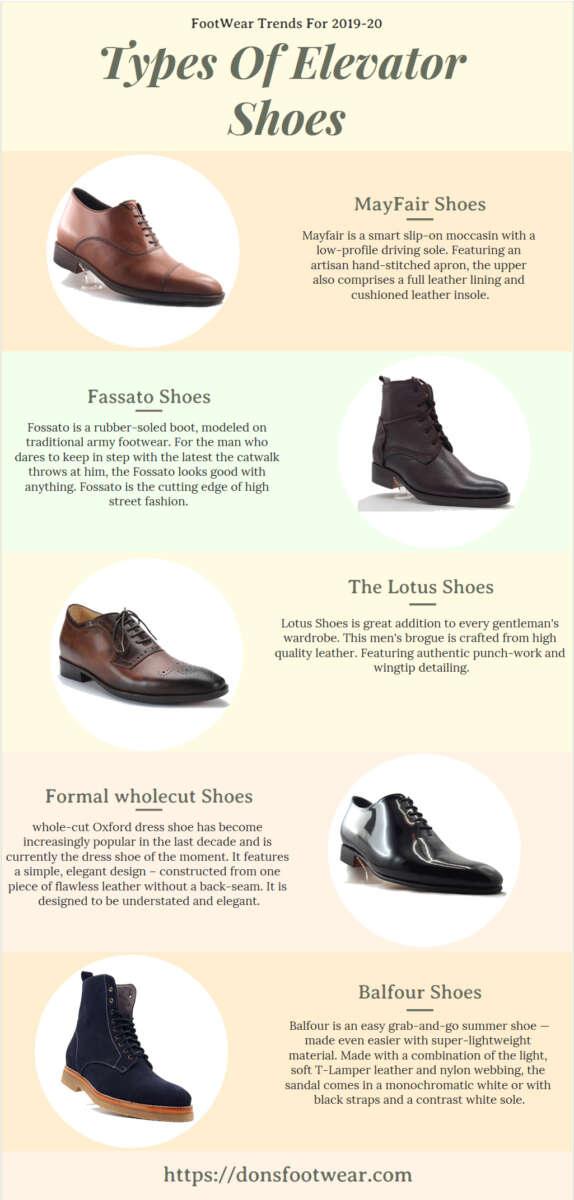
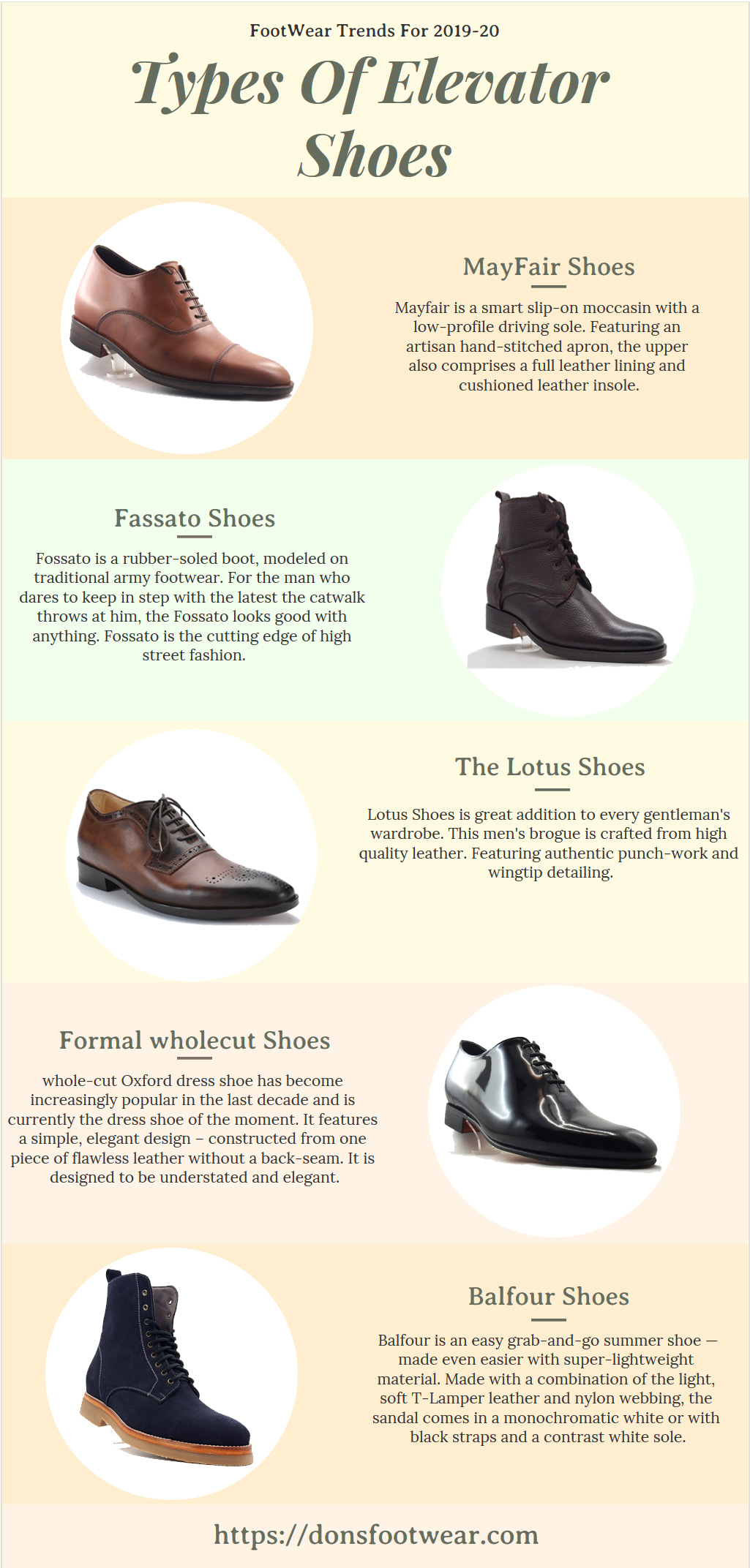
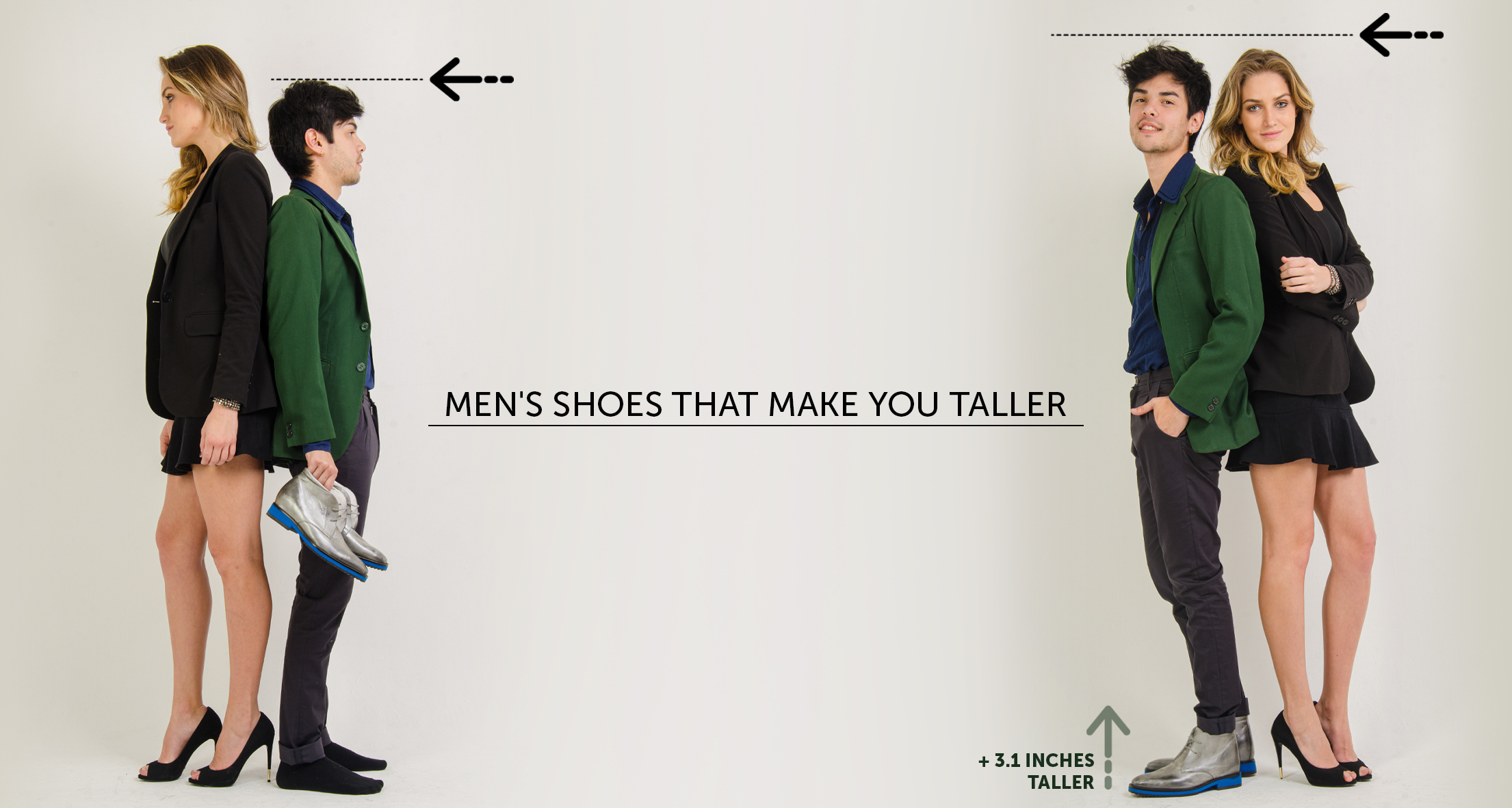
- Elevator shoes (height-increasing shoes)
- Height gain: 1 to 3 inches inside the shoe.
- Why they make you taller: Built-in hidden lifts raise height without obvious heels.
- Wedges
- Height gain: 1 to 4 inches.
- Why they make you taller: Solid wedge sole offers lift with broad support across the foot.
- Boots with stacked or chunky soles
- Height gain: 1 to 2.5 inches.
- Why they make you taller: Thick soles and heels in boots add steady height and style.
- Thick-soled sneakers and dad shoes
- Height gain: 0.5 to 2 inches.
- Why they make you taller: Modern sneaker design often includes elevated midsoles that add discreet lift.
- Insoles and heel lifts
- Height gain: 0.5 to 2 inches.
- Why they make you taller: Removable insoles or lifts inside shoes raise you without changing the outside look.
People often ask which option looks most natural. Elevator shoes and thin hidden insoles often win on discreteness. Platforms and wedges work best if you want a fashion-forward look.

Quick PAA-style questions
Do elevator shoes look obvious?
Elevator shoes are designed to be subtle. Well-made pairs look like regular dress shoes.
Are platforms safer than stilettos?
Platforms spread weight across the foot. They are often more stable than thin stilettos.
Can insoles make a big difference?
High-density insoles can add an inch or two. Comfort and fit need to be checked.

How to choose the right shoes to make you taller
Choosing the best pair is about balance. Think height, comfort, and function.
- Decide how much height you want.
- Small boost: choose insoles or thick sneakers.
- Medium boost: choose elevator shoes or wedges.
- Large boost: choose heels or tall platforms.
- Match shoes to your activity.
- For all-day wear, pick wedges, platforms, or well-cushioned sneakers.
- For formal events, elevator dress shoes or chunky heels work well.
- Prioritize fit and arch support.
- A lifted shoe that hurts will not be worth it. Check arch support and toe room.
- Test in person when you can.
- Walk on different floors. Stand for at least five minutes to see how they feel.
- Consider heel width and sole stability.
- Wider heels and thick soles reduce wobble.
Pros and cons: what to expect when you wear height-adding shoes
Knowing trade-offs helps you decide.
Pros
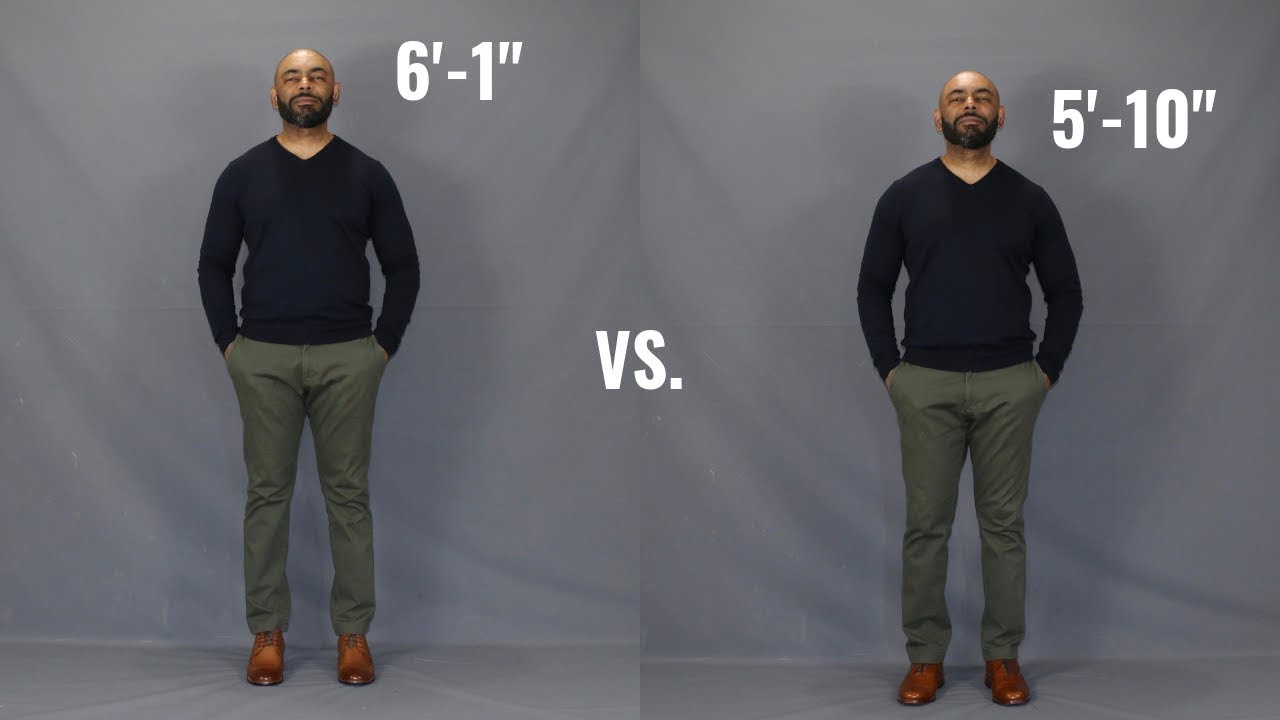
- You look taller and often more confident.
- Certain styles improve posture when worn correctly.
- Fashion variety—many looks can add height.
Cons
- Higher heels can cause foot pain or strain.
- Balance can suffer with very tall heels.
- Improper fit can cause blisters and long-term issues.
I have fit clients who gained confidence from a small boost. I’ve also seen injuries from poorly chosen heels. Choose with eyes wide open.

Fit, comfort, and foot health when adding height
Fit is as important as height. A shoe should support your foot and let you move naturally.
- Look for good cushioning.
- Foam midsoles or gel pads reduce pressure.
- Check heel-cup fit.
- A secure heel cup stops slippage.
- Watch for toe squeeze.
- Narrow toe boxes cause pain. Pick wide enough toe room.
- Start with low lift and build up.
- Your muscles and balance will adapt over time.
- Use orthotics for chronic issues.
- Custom or over-the-counter orthotics can help with arch or heel pain.
I once tested three elevator shoe brands. The ones with proper arch support lasted longer and were more comfortable all day.

Styling tips: look taller, not awkward
How you wear height matters. Small tweaks make a big visual difference.
- Match proportions.
- Longer coats and high-waist pants lengthen the leg line.
- Use monochrome outfits to create vertical flow.
- Single-color looks help the eye travel up and down.
- Choose shoes that fit your outfit.
- Platforms suit casual looks. Sleek elevator shoes fit suits.
- Mind sock and pant length.
- Exposed ankle can add a break in the line. Use cropped styles wisely.
- Try heel height in photos.
- Move and pose; see what looks best in pictures and real life.
Personal experience and practical tips from the field
I have fitted shoes for stage, office, and weddings. Here are what I learned.
- Test shoes at the end of the day.
- Feet swell. Late-day fit shows true comfort.
- Wear them at home first.
- Short, frequent trials help your feet adapt and prevent blisters.
- Keep a backup pair.
- Bring flats or sneakers to events that last long.
- Learn your limits.
- I once wore 5-inch heels for a shoot. My back hurt by hour six. Now I cap myself at 3 inches for day work.
If you want to try elevator shoes, start with a modest 1-inch lift. That small change felt natural and gave a real confidence boost.
Frequently Asked Questions of what shoes make you taller
What shoes make you taller without looking like high heels?
Elevator shoes and thick-soled sneakers add height discreetly. Insoles hidden in dress shoes can also raise height without changing the shoe’s look.
Are platform shoes safe for long wear?
Platforms can be stable if the sole is thick and even. Choose cushioned soles and wider platforms for long wear.
Can inserts or lifts damage my feet?
Poorly fitted inserts can change your gait and cause pain. Use quality insoles and test them slowly to avoid issues.
How much height can I add without causing pain?
Most people stay comfortable with 1 to 2 inches of lift. Taller increases need gradual adaptation and better support.
Do taller shoes improve posture?
They can improve posture by encouraging an upright stance. But extra height can also pull the body forward and strain the back if not balanced.
Conclusion
Choosing what shoes make you taller is a mix of style, comfort, and safety. You can add inches with heels, platforms, wedges, elevator shoes, boots, or insoles. Test fit, start small, and favor support over maximum lift. Try new pairs at home first and use posture and style tips to make the lift look natural. Take action today: pick one pair to test, wear them for short periods, and note how they change your height and comfort. Share your experience or questions below to keep the conversation going.

Rubel Miah is the Senior Editor at MyStyleGrid.com, where he brings a sharp editorial eye and an unshakable love for fashion to everything he does. A true style addict, Rubel lives and breathes trends, from streetwear to high fashion, and has a knack for turning inspiration into impactful stories. With years of experience in fashion journalism and digital media, he curates content that empowers readers to express themselves through style. When he’s not editing features or forecasting the next big thing, you’ll find him hunting down vintage pieces or capturing street style moments around the city.