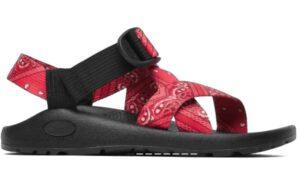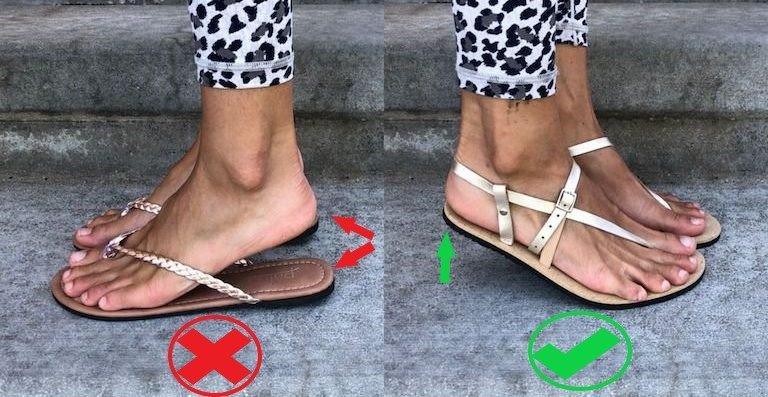
Sandals should cradle the back of your heel comfortably without pinching or excessive slipping.
I’ve fitted hundreds of pairs of sandals and tested dozens of styles. I’ll explain exactly how should sandals fit in the back so you can choose, try on, and wear sandals that protect your heel, prevent blisters, and feel secure during real life use. Read on for clear steps, common problems and fixes, material tips, and a simple try-on checklist based on practical experience.

Why the back fit matters
A proper back fit keeps your foot stable. When your sandal holds the back of the heel correctly, you walk with less friction and more balance. Poor back fit leads to blisters, heel slip, and altered gait that can cause pain in the foot, ankle, or knees. Prioritizing how should sandals fit in the back helps you avoid these problems and enjoy longer comfort.

How Should Sandals Fit in the Back: Step-by-Step Fit Guide
Start with the fit basics and move to active checks. Focus on how should sandals fit in the back during standing, walking, and turning. Follow these steps every time you try a new pair.
- Try them on at the end of the day
- Feet swell slightly through the day. Trying sandals later gives a realistic fit.
- Check the heel cup depth
- The back should cup your heel slightly. It should not be so deep that it squeezes the Achilles, nor so shallow that your heel hangs off.
- Test heel slip with a walk
- Walk 10 to 20 steps. A small, controlled lift of the heel is normal. If your heel repeatedly pops out, the back fit is too loose.
- Press the heel padding
- The area behind the heel should feel cushioned but firm. Too soft means poor support; too hard means pressure points.
- Turn and pivot
- Pivot on each heel. If your foot slides forward or the heel rubs, adjust straps or size.
- Fit with socks if needed
- If you plan to wear socks with sandals, try them on with thin socks during fitting to mimic actual use.
How should sandals fit in the back when walking? They should hold the heel in place without squeezing or causing rubbing. If you feel constant friction, the sandal is not fitting right.

Common Fit Problems and Simple Fixes
Even well-made sandals can misfit. Here are common issues and practical fixes focused on how should sandals fit in the back.
- Heel slipping out
- Causes: straps too loose, size too big, or shallow heel cup. Fix: try a half size down, use heel grips, or select styles with straps across the heel.
- Pinching at the Achilles
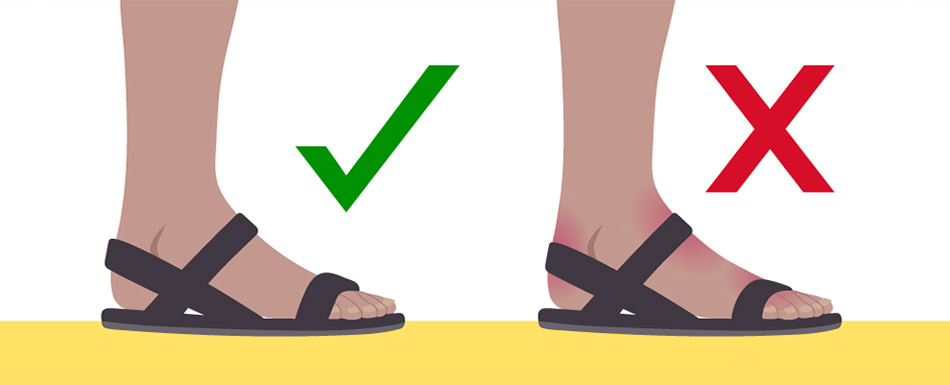
- Causes: high heel cup edge or rigid material. Fix: look for softer edge materials or sandals with adjustable back straps.
- Blisters at the back
- Causes: friction from movement. Fix: apply adhesive heel pads, break in sandals slowly, or choose softer lining.
- Heel pain after walking
* Causes: poor heel support changing gait. Fix: pick sandals with a slight heel cup and supportive footbed or insert a thin orthotic. - One heel fits differently than the other
- Causes: natural foot asymmetry. Fix: use heel cushions on the snugger side or try adjustable straps.
How should sandals fit in the back for long walks? Aim for secure hold and soft lining; add heel grips if needed.
Materials, Designs, and How They Affect Back Fit
Material and design shape how should sandals fit in the back. Different materials behave differently under stress.
- Leather and soft nubuck
- Molds to the heel over time. Initial fit might feel snug but loosens with wear.
- Synthetic and plastic backs
- Hold shape well but can be stiff. Look for padded linings to avoid chafing.
- Elasticized straps
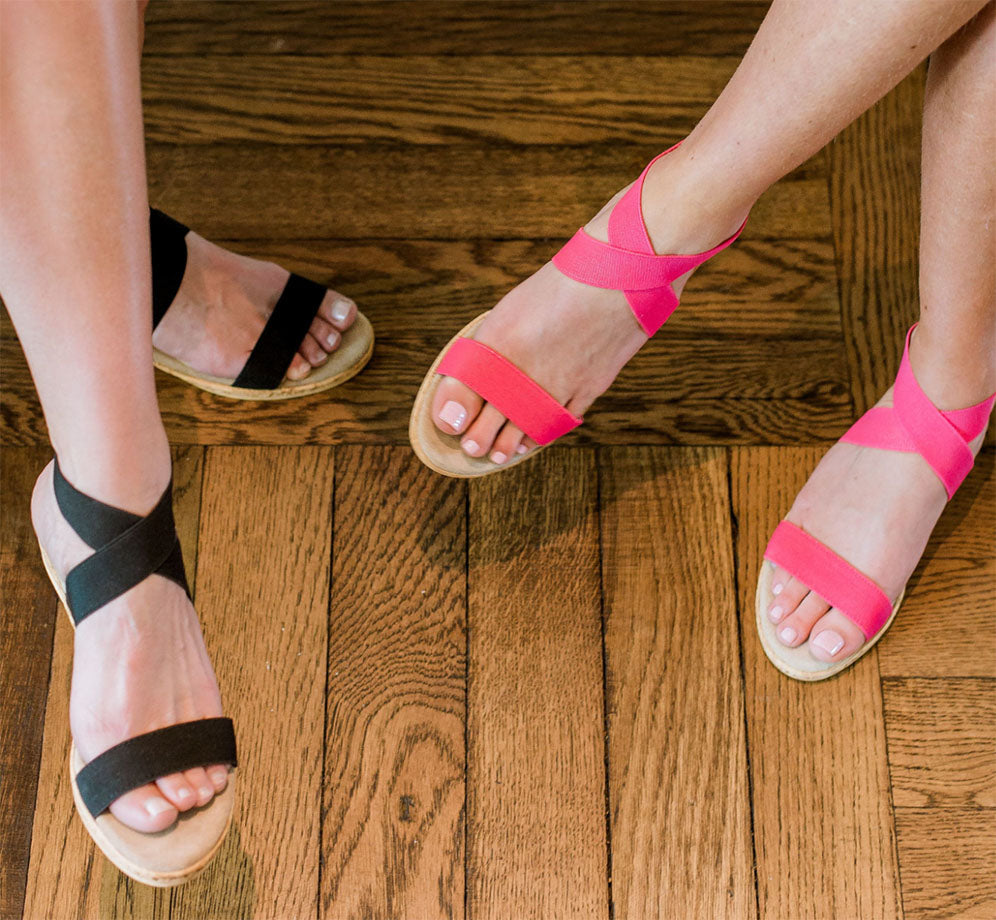
- Offer stretch and accommodate slight size changes. Good for varied foot shapes.
- Molded footbeds with defined heel cups
- Provide the best ankle and heel stability. They help keep the back fit consistent during movement.
Expect small break-in periods with many materials. If the sandal is rigid and painful at the back after two wears, it probably won’t get better and should be returned.
Sizing Tips, Try-On Checklist, and Real-Life Advice
Use this checklist to confirm how should sandals fit in the back every time you buy or try a pair. I’ve learned these from fitting customers and testing sandals on long walks.
Try-on checklist
- Wear the socks you plan to use or try barefoot if you’ll be barefoot.
- Walk 20 steps, pivot, and climb a short set of stairs.
- Check for moderate heel lift but no repeated popping.
- Press the heel cup to confirm cushioning and firm hold.
- Verify straps don’t cut into the Achilles tendon.
Personal experience and lessons
I once bought a beautiful leather sandal that felt rigid behind the heel. After two walks I had a scab. Lesson learned: never assume leather will soften enough to stop digging into the Achilles. I now test the heel edge thoroughly and prefer removable heel pads if the material is stiff.
Sizing and fit tips
- If unsure between sizes, prioritize heel hold over length. A sandal that’s slightly long but holds the heel is often better than a loose one.
- Use thin adhesive heel grips for loose backs. They add minimal bulk and prevent slippage.
- For wide heels or high Achilles tendons, search for adjustable back straps or slingbacks.
How should sandals fit in the back for active days? Look for straps that lock the heel and footbed designs with a defined heel cup. These reduce movement during activity.

Frequently Asked Questions of how should sandals fit in the back
How tight should the back of a sandal be?
The back should be snug enough to hold your heel in place but not tight enough to pinch the Achilles. You want minimal movement without pressure points.
Can I fix a loose back on sandals?
Yes. You can use adhesive heel grips, padded liners, or have a cobbler add a small heel counter to improve hold. Sometimes switching to a half-size down helps.
Should my heel lift at all when I walk?
A slight heel lift is normal when you push off. Repeated popping or the heel fully slipping out means the fit is too loose.
Are sandals with molded heel cups better?
Molded heel cups often provide better stability and reduce friction for long walks. They are a good choice if you want consistent heel support.
How long does it take to break in the back of sandals?
Soft-leather sandals may break in over a few wears, while rigid synthetics rarely soften. If a sandal causes pain after two or three short wears, it may not improve.
What if one sandal fits the other foot differently at the back?
Feet are rarely identical. Use heel pads on the snugger side or choose adjustable styles to balance fit. Sometimes trying a different brand helps.
Can inserts help how my sandals fit at the back?
Thin orthotic or heel cushions can improve heel positioning and reduce slip. Thick inserts may crowd the front, so choose slim options.
Conclusion
A good back fit keeps your heel secure, prevents blisters, and supports comfortable walking. Focus on heel cup depth, strap adjustability, and real-world walking tests to assess how should sandals fit in the back. Try sandals at the end of the day, perform the simple checklist, and use small fixes like heel grips when needed. Take action today: try a pair with a molded heel cup or test a few styles using the checklist above, and share your experience or questions in the comments to learn more.

Rubel Miah is the Senior Editor at MyStyleGrid.com, where he brings a sharp editorial eye and an unshakable love for fashion to everything he does. A true style addict, Rubel lives and breathes trends, from streetwear to high fashion, and has a knack for turning inspiration into impactful stories. With years of experience in fashion journalism and digital media, he curates content that empowers readers to express themselves through style. When he’s not editing features or forecasting the next big thing, you’ll find him hunting down vintage pieces or capturing street style moments around the city.