Loosen tight shoes, cushion the toe, trim nails properly, and use cold and rest to reduce pain.
I’ve treated and advised many people on how to relieve toenail pain from shoes, and I know what works fast and what prevents repeat problems. This guide blends clinical know-how, hands-on tips I’ve used with patients and friends, and clear steps so you can stop hurting and keep enjoying walks, work, or workouts without worrying about your toes.

Why shoes cause toenail pain and what is happening to your toe
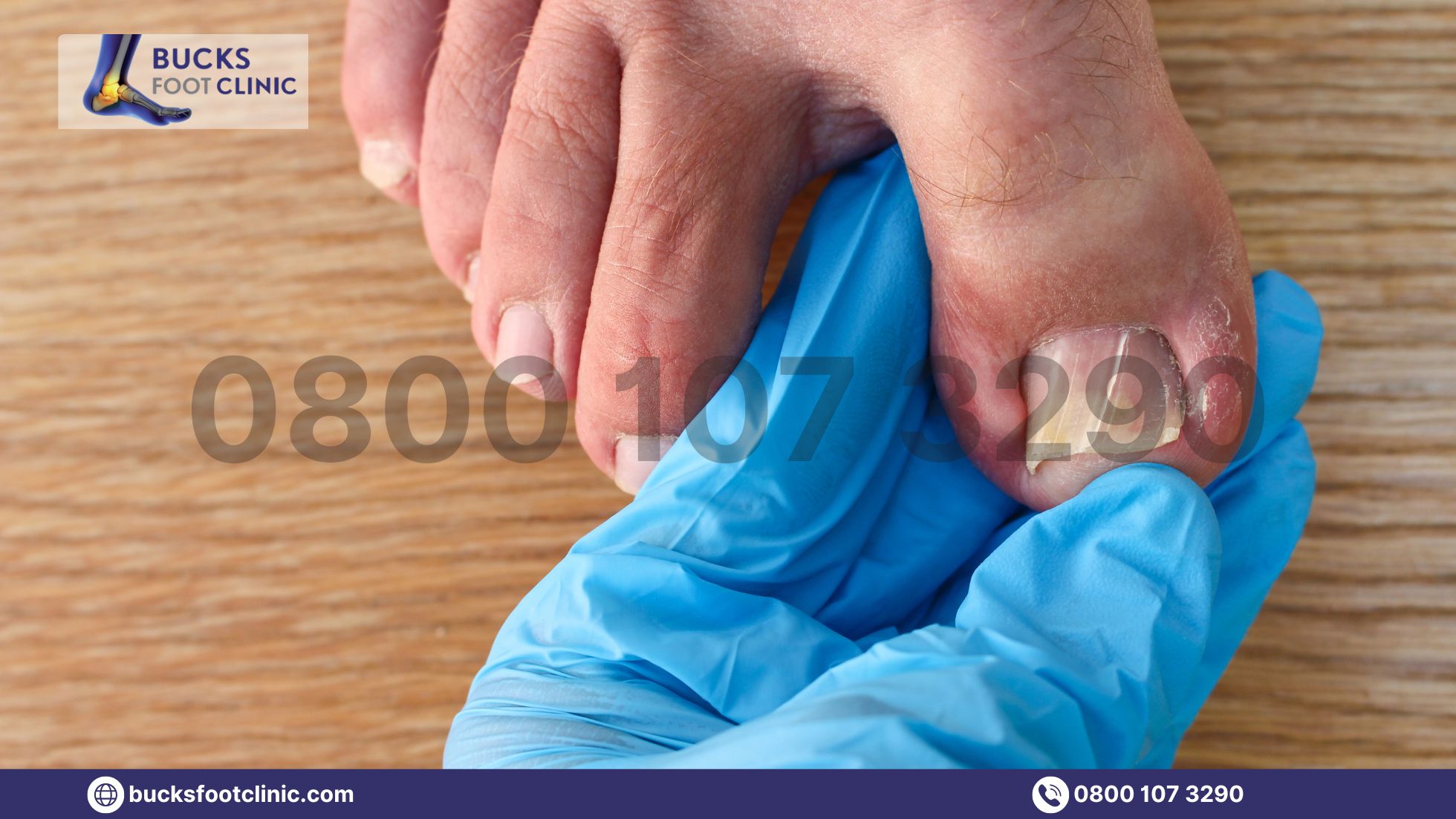
Shoes that squeeze, rub, or press the nail can cause direct trauma. Repeated pressure damages the nail plate, nail bed, or surrounding skin. This leads to bruising under the nail, ingrown nails, blisters, or inflammation.
Common mechanical causes include:
- Shoes that are too narrow at the toe box
- Shoes that are too short, pushing toes forward
- High heels that force toes into the front
- Stiff or poorly shaped shoes that rub the nail edge
Other factors that make pain worse:
- Long or uneven nails that catch on fabric or shoe seams
- Thickened or fungal nails that sit higher in the shoe
- Foot shape issues such as bunions or hammertoes that shift pressure
- Activities with repetitive impact like running or hiking
Knowing these basics helps you pick targeted fixes for how to relieve toenail pain from shoes. I often tell clients that understanding the cause is half the cure.

Immediate steps you can take for fast relief
When pain starts, act quickly. These steps usually ease pain in minutes to hours.
- Stop and remove the shoe
- Take the shoe off to remove pressure and let the toe breathe.
- Ice the area
- Apply a cold pack wrapped in cloth for 10 to 15 minutes to reduce swelling and numb pain.
- Elevate and rest
- Sit and lift your foot above heart level if possible for 10–20 minutes to cut swelling.
- Cushion the toe
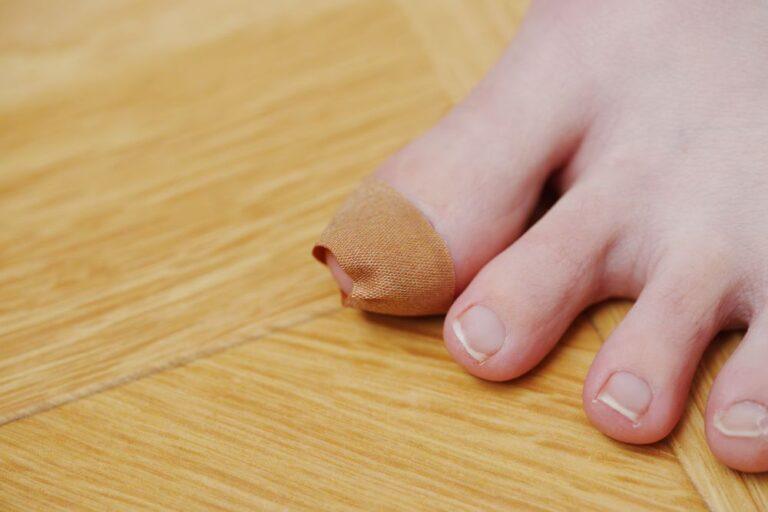
- Use a soft foam toe cap, moleskin, or folded gauze to protect the nail from contact.
- Trim and check the nail
- If the nail is long or jagged, carefully trim straight across to avoid worsening an ingrown nail.
- Pain relief and antiseptic
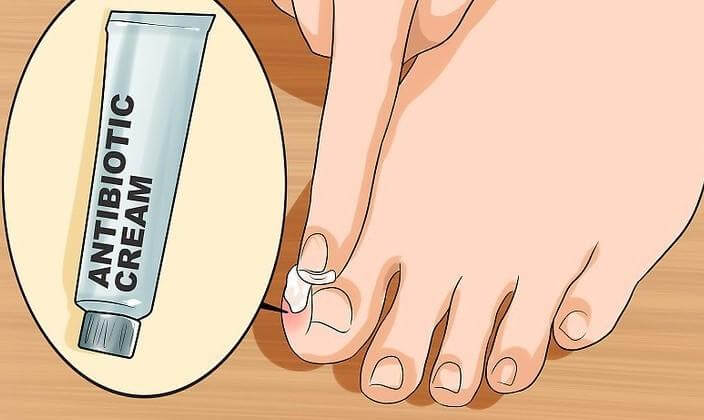
- Take an over-the-counter pain reliever if needed and apply antiseptic if skin is broken.
If you see a dark bruise under the nail that’s painful, it might be a subungual hematoma. Small ones can be managed with ice and rest. Larger, very painful hematomas sometimes need medical drainage.
These steps show clear, practical ways for how to relieve toenail pain from shoes fast. I’ve used this protocol after many runs and hikes and it brings relief quickly.
Footwear fixes: choose, fit, and modify shoes to prevent pain
Prevention is the main game. The right shoe choice and fit stop most toenail pain from starting.
How to choose shoes:
- Look for a wide toe box so toes lie flat and aren’t squeezed.
- Choose shoes with a rounded or square toe instead of a narrow point.
- Pick flexible uppers that let toes move.
- For sport, select shoes built for your foot type and gait.
Shoe fit checks:
- Measure feet at the end of the day when feet are largest.
- There should be about a thumb’s width of space in front of your longest toe.
- Make sure the shoe holds the midfoot and heel without slipping.
Simple shoe mods:
- Add toe protectors or gel toe caps to cushion nails.
- Use orthotic insoles to redistribute pressure away from the front of the foot.
- Loosen lacing patterns to give extra room near the toes.
- Stretch tight shoes professionally or with a shoe stretcher for targeted relief.
These adjustments are reliable ways to prevent and manage how to relieve toenail pain from shoes long term. From personal experience, switching to a slightly wider shoe and using toe caps eliminated my recurring pain within days.

Nail care and grooming tips to reduce shoe-related pain
Proper nail care lowers risk of ingrown nails and pressure pain inside shoes.
Easy nail care rules:
- Cut nails straight across, not rounded at the corners.
- Keep nails short but not too short; stop at the white tip.
- File sharp edges to avoid catching on socks or shoes.
- Treat thick or discolored nails—see a podiatrist if fungus or thickening persists.
Home care for ingrown nails:
- Soak the foot in warm, soapy water for 10–15 minutes to soften tissues.
- Gently lift the edge with a sterile cotton wedge if possible and place a small piece of dental floss under the edge to encourage growth out.
- Use topical antiseptic daily and wear roomy shoes while healing.
Good grooming practices are foundational to how to relieve toenail pain from shoes and to prevent recurrence. I learned early on that sloppy trimming causes most chronic problems people bring me.

Padding, orthotics, and supports that help
Sometimes simple cushioning makes a big difference.
Options to try:
- Toe caps and gel protectors for direct cushioning over the nail.
- Metatarsal pads to redistribute forefoot pressure away from toes.
- Custom or over-the-counter orthotics to correct foot mechanics.
- Cushioned socks with extra padding across the toe box.
How to use them:
- Test each option on short walks before long use.
- Combine a metatarsal pad with roomy shoes to reduce nail contact.
- Replace gel and foam pads when they flatten or wear out.
These devices are practical tools for how to relieve toenail pain from shoes. I recommend trialing a few products—what works varies with foot shape and activity.

Activities and habits that reduce recurrence
Adjust habits to protect nails during activity.
Helpful behavior changes:
- Break in new shoes gradually before long wear.
- Alternate shoes day to day to vary pressure points.
- Trim nails regularly and check feet after long sessions.
- Wear moisture-wicking socks to reduce friction and blistering.
My clients who adopt these habits see far fewer flare-ups. Small actions done consistently are powerful for how to relieve toenail pain from shoes.
When to see a healthcare professional
Most shoe-related pain gets better at home. Seek care if you notice any of these signs.
Red flags:
- Severe, worsening pain despite home care
- Spreading redness, warmth, or pus—signs of infection
- Nail detachment or large subungual hematoma causing intense pressure
- Recurrent ingrown nails that limit activity
- Diabetes or poor circulation—seek prompt care for any toe injury
A clinician can drain a painful hematoma, prescribe antibiotics for infection, remove problematic nail segments, or recommend surgery for recurrent ingrown nails. This step is essential when home measures for how to relieve toenail pain from shoes don’t work.

Common quick questions about shoe-related toenail pain
Q: Can shoes really cause an ingrown toenail?
A: Yes. Repeated pressure or tight shoes can push the nail edge into skin, causing an ingrown nail. Proper fit and trimming reduce the risk.
Q: Is a black nail from shoe pressure always permanent?
A: Often a black nail is a bruise under the nail and grows out over months. If the nail separates or pain is severe, see a provider.
Q: Do orthotics help for toenail pain?
A: Orthotics can shift pressure off the toes and reduce nail trauma. They help when poor foot mechanics or uneven pressure are the cause.
PAA-style questions (People Also Ask style)
Q: How long does shoe-related toenail pain last?
A: Mild pressure pain usually eases within hours to days with rest and cushioning. Bruised nails can take weeks to months if the nail needs to grow out.
Q: Can icing a toenail make it better?
A: Yes. Icing reduces swelling and numbs pain for short-term relief. Use ice wrapped in cloth for 10–15 minutes at a time.
Frequently Asked Questions of how to relieve toenail pain from shoes
What should I do immediately if my toenail hurts after wearing shoes?
Remove the shoe, ice the toe for 10–15 minutes, and cushion the area. Rest and keep the foot elevated to reduce swelling.
Can I keep walking if my toenail hurts?
If pain is mild and cushioning helps, short walks are okay; stop if pain worsens. Avoid long walks or runs until the pain and swelling settle.
How do I prevent future toenail pain from shoes?
Buy shoes with a roomy toe box, trim nails straight across, and use toe caps or orthotics as needed. Alternate shoes and break in new pairs slowly.
When is a black toenail from shoes a medical emergency?
Seek urgent care if pain is severe, there is spreading redness, pus, fever, or you have diabetes. These signs suggest infection or serious pressure that needs treatment.
Are there home remedies for an ingrown toenail caused by shoes?
Soak the foot, lift the nail edge gently, and place a small sterile cotton wedge; apply antiseptic and wear roomy shoes. If pain or infection persists, see a clinician.
Personal experience and lessons learned
I once ignored a tight hiking boot and developed a painful, dark toenail that lasted months. I learned to always pre-fit gear, trim nails before long hikes, and carry toe protectors. Sharing this helps me advise readers with practical, tested tips on how to relieve toenail pain from shoes.
Key lessons I want you to keep:
- Treat early. Quick steps stop many problems.
- Fit matters. Even small tightness causes damage over time.
- Comfort beats style when recovery is the goal.
Conclusion
You can reduce and prevent shoe-related toenail pain with quick first aid, better shoe choices, proper nail care, and simple supports. Start by removing pressure, cushioning the toe, and choosing roomier shoes. If pain or infection does not improve, get professional care to avoid long-term issues.
Take action now: check your shoe fit, trim your nails, and try a gel toe cap today. If this article helped, leave a comment with your experience or subscribe for more practical foot-care tips and guides.
Madison Clark is a footwear expert and the voice behind MyStyleGrid.com. She specializes in honest shoe reviews, style tips, and practical guides to help readers find the perfect pair for any occasion. With years of experience in blogging and content creation, Madison makes footwear knowledge simple, stylish, and easy to follow.