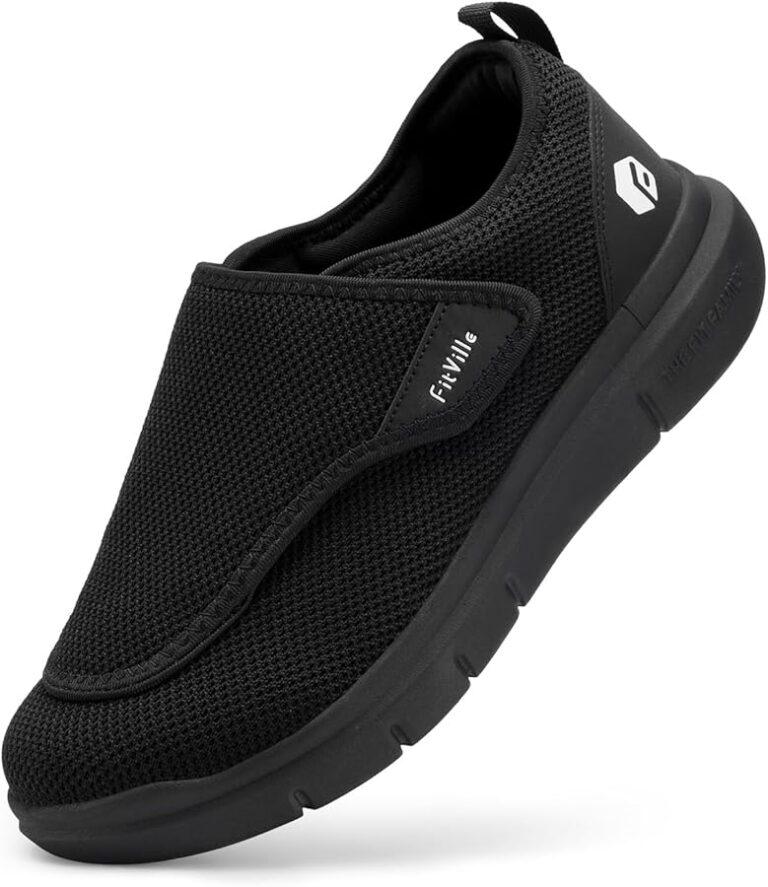
Shoes for diabetics are specially made footwear that protect, cushion, and reduce risk of foot injury.
I have worked with patients and tested many shoes for diabetics over years. I know what matters: snug fit, soft seams, good cushioning, and pressure relief. This guide explains what are shoes for diabetics, why they matter, how they differ from regular shoes, who needs them, and how to pick the right pair for daily use. Read on for clear, practical steps and real-life tips that make shoe shopping simple and safe.
How diabetic shoes differ from regular shoes
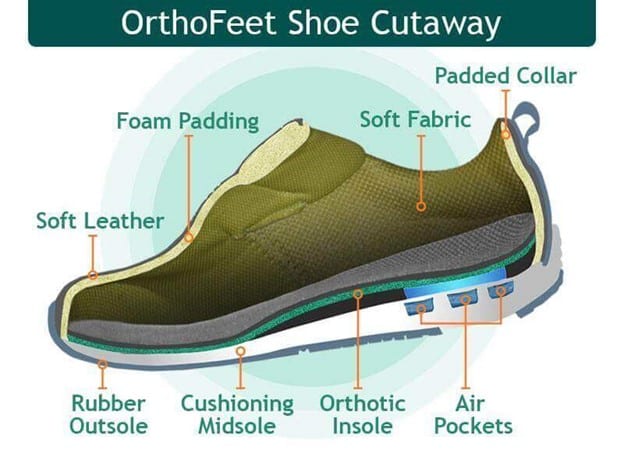
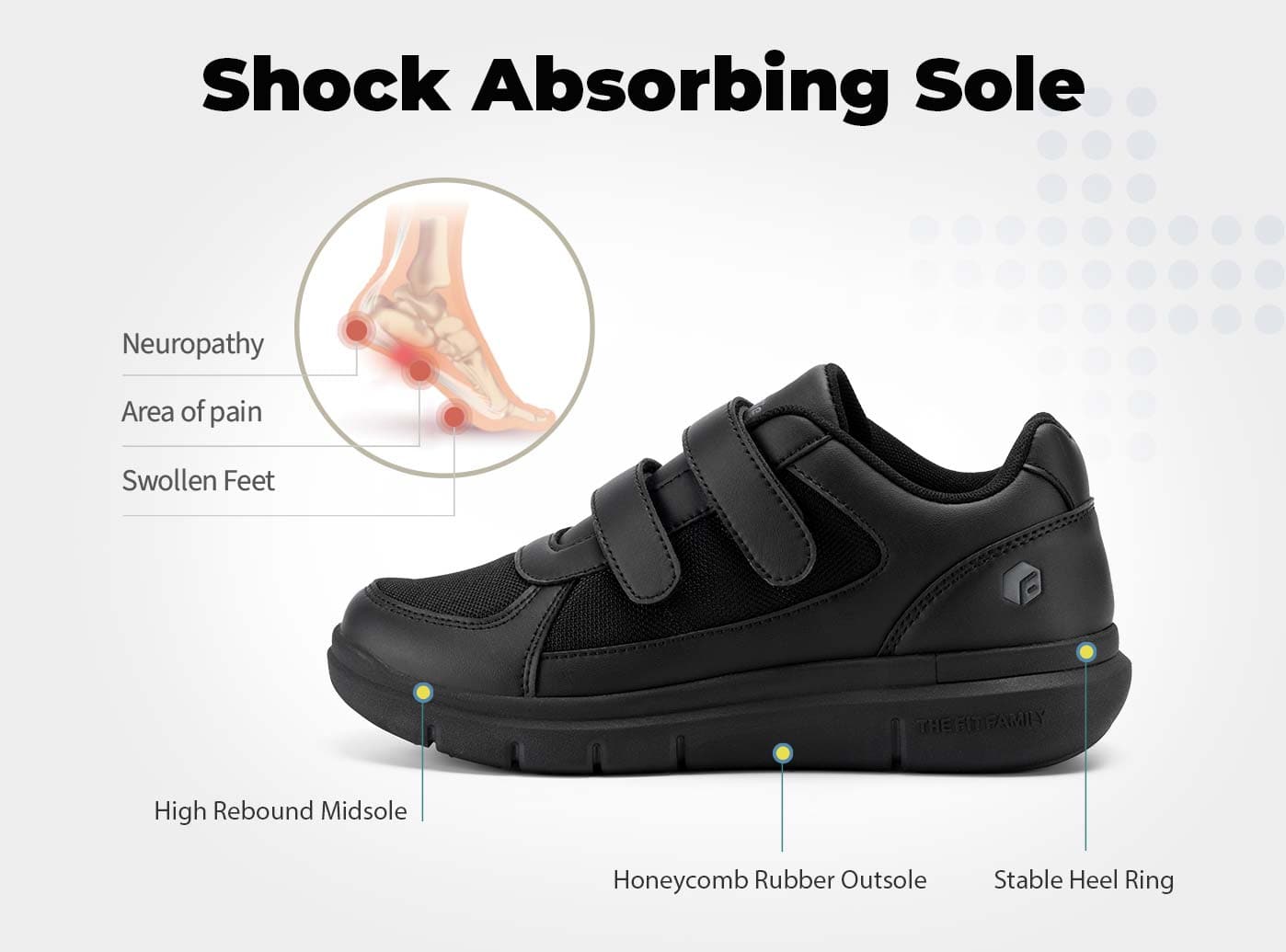
Diabetic shoes are built to prevent wounds and reduce pressure on the foot. They use soft linings, wider toe boxes, and deeper heel cups. The soles are shock-absorbing. They avoid seams or stiff points that rub the skin.
Key features that set diabetic shoes apart:
- Extra depth so inserts fit without crowding toes.
- Seamless or soft interior to cut friction and blisters.
- Rocker or cushioned soles to reduce pressure on sores.
- Stable heel and firm sole to prevent slips and twists.
Knowing what are shoes for diabetics helps you see why these features matter. For people with nerve damage or poor circulation, small problems can escalate fast. These shoes reduce that risk by design.

Why shoes for diabetics matter — health benefits
Shoes for diabetics protect against ulcers, infections, and deformity. When you have diabetes, small cuts can turn serious. Proper shoes lower the chance of wounds and reduce pain.
Main health benefits:
- Lower risk of foot ulcers by reducing pressure points.
- Better balance and fewer falls due to stable soles.
- Improved comfort for neuropathy and joint pain.
- Easier healing because shoes avoid rubbing raw spots.
Clinical guidance often recommends protective footwear for people with neuropathy or previous foot ulcers. If you manage diabetes, choosing the right shoe is one of the best preventive steps you can take.

Who should wear diabetic shoes?
Not everyone with diabetes needs special shoes. But certain people should consider them.
You should consider shoes for diabetics if you:
- Have loss of feeling in your feet (neuropathy).
- Have poor blood flow to the feet.
- Had a foot ulcer or amputation before.
- Have foot deformities like bunions or hammertoes.
If you have any of these risks, shoes for diabetics can be a smart step. Talk with your health provider or podiatrist to see if they recommend custom or extra-depth shoes.

Types of diabetic shoes and insoles
There are several styles and levels of support in shoes for diabetics. Choose based on risk and daily needs.
Common types:
- Extra-depth shoes: roomy shape to fit orthotic inserts.
- Custom-molded shoes: built for severe deformity or high risk.
- Off-the-shelf therapeutic shoes: premade but made to diabetic standards.
- Sandals and slippers with protective soles for home use.
- Diabetic insoles: replaceable inserts that redistribute pressure.
Using the right insole can make standard diabetic shoes much more effective. Insoles can be soft, cushioning, or firm for support. Matching an insole to the shoe is key for pressure relief.
How to choose the right diabetic shoe
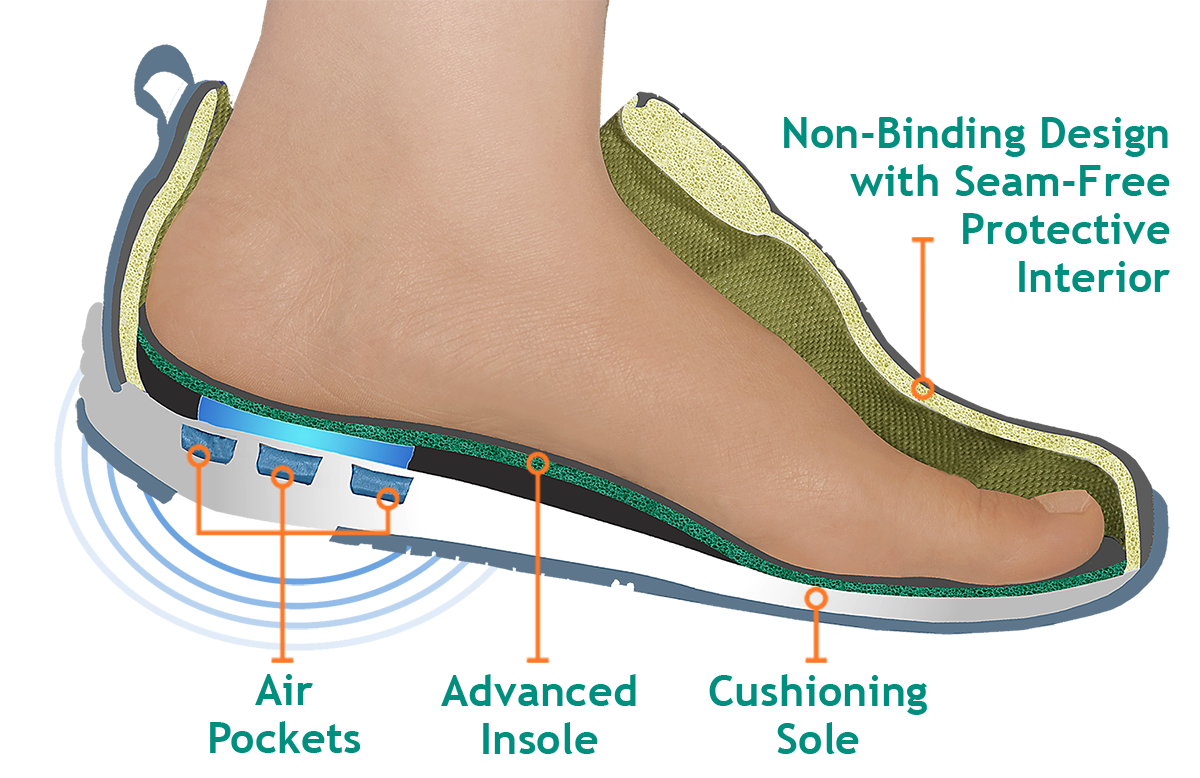
Pick shoes that protect and fit well. Measure your feet every time you buy shoes. Feet can change with age and weight.
Step-by-step choice guide:
- Measure both feet and try the larger one.
- Check for a wide, deep toe box.
- Ensure no seams press on the toes or bunions.
- Test stability by walking on different surfaces.
- Ask if the shoe accepts medical orthotics.
- Choose breathable materials to reduce moisture.
- Buy shoes in the afternoon when feet are slightly swollen.
When shopping, bring any orthotic inserts you use. Walk for several minutes in the store. Shoes for diabetics should feel comfortable right away. They should not need a long break-in.
Fit, sizing, and break-in tips
Good fit reduces risk. A poor fit makes blisters and ulcers more likely. Follow these simple rules.
Fit tips:
- Thumb-width space at the toe is ideal.
- Heel should not slip more than a little.
- Width should not pinch the sides.
- Check for gaps where the foot can slide and rub.
- Recheck fit after a week of wear, as swelling can change.
If the shoe rubs or causes redness, stop wearing it. Shoes for diabetics must protect daily. If you get a blister, seek care quickly.

Caring for diabetic shoes and feet
Care extends the life of shoes for diabetics and keeps feet healthy. Simple habits offer big gains.
Daily foot care routine:
- Wash feet gently and dry them well.
- Inspect for cuts, blisters, or redness each day.
- Wear socks that wick moisture and fit well.
- Rotate shoes to let them air out.
- Replace insoles when worn or every 6–12 months.
If you spot a sore or wound, see a clinician right away. Early action prevents infection and larger problems.

Cost, insurance, and getting prescriptions
Diabetic shoes can vary widely in price. Custom shoes cost more than off-the-shelf options. Some insurance covers shoes for diabetics under strict rules.
What to know about costs:
- Off-the-shelf therapeutic shoes are moderately priced.
- Custom shoes can be expensive but may be covered.
- Medicare and other plans may pay when you have documented need.
- You often need a doctor’s prescription and a certified fitter.
Check your plan before buying. If covered, keep records and receipts for reimbursement.
My experience: lessons from fitting shoes for diabetics
I have fitted dozens of patients with shoes for diabetics. A few lessons stood out that I share here.
Real-life tips:
- Measure both feet every visit. Size can differ.
- Never assume a softer shoe is safer. Support matters too.
- Get a second opinion for persistent redness or pain.
- Low-cost solutions help: good socks and proper insoles reduce problems.
- Early intervention avoids surgery. I have seen healed ulcers after a footwear change.
One patient wore the wrong size for years. A switch to properly fitted diabetic shoes stopped recurring blisters within weeks. That success came from simple fit checks and a supportive insole.
Limitations and what shoes for diabetics cannot do
Shoes help a lot but they are not a cure. Be clear about limits.
What shoes do not do:
- They do not reverse nerve damage.
- They cannot fix severe circulation problems alone.
- Shoes cannot replace medical care for active infection.
- Poorly chosen shoes can still cause problems.
Combine footwear with regular foot checks, blood sugar control, and professional care. Shoes are one part of a stronger prevention plan.
Frequently Asked Questions of what are shoes for diabetics
What are shoes for diabetics designed to do?
Shoes for diabetics are meant to protect the foot from pressure, friction, and injury. They reduce the risk of ulcers and help with comfort and stability.
How do diabetic shoes differ from normal shoes?
Diabetic shoes have a deeper toe box, softer linings, and cushioned soles. They also accept orthotic inserts and reduce rubbing points.
Can anyone with diabetes wear diabetic shoes?
Anyone can wear them, but they are most needed for people with neuropathy, poor circulation, or prior foot ulcers. A podiatrist can advise if you need them.
Do diabetic shoes require a prescription?
Some types may, especially if insurance coverage is sought. A doctor’s prescription and documentation of medical need are often required for coverage.
How often should I replace diabetic shoes and insoles?
Replace insoles every 6–12 months if worn regularly and shoes every 6–18 months depending on wear. Check them monthly for signs of collapse or uneven wear.
Will diabetic shoes prevent all foot problems?
They greatly reduce risk but cannot prevent all problems. Good foot care and medical follow-up are still essential.
Conclusion
Shoes for diabetics are purposeful footwear designed to protect, cushion, and reduce the risk of serious foot problems. They work best when matched to your foot shape, daily needs, and medical risks. Start by checking fit, wearing the right socks, and speaking with a podiatrist when needed. Take action today: measure your feet, inspect your shoes, and consider a professional fitting to keep your feet safe. Share your story or ask a question below to get help choosing the right pair.

Rubel Miah is the Senior Editor at MyStyleGrid.com, where he brings a sharp editorial eye and an unshakable love for fashion to everything he does. A true style addict, Rubel lives and breathes trends, from streetwear to high fashion, and has a knack for turning inspiration into impactful stories. With years of experience in fashion journalism and digital media, he curates content that empowers readers to express themselves through style. When he’s not editing features or forecasting the next big thing, you’ll find him hunting down vintage pieces or capturing street style moments around the city.