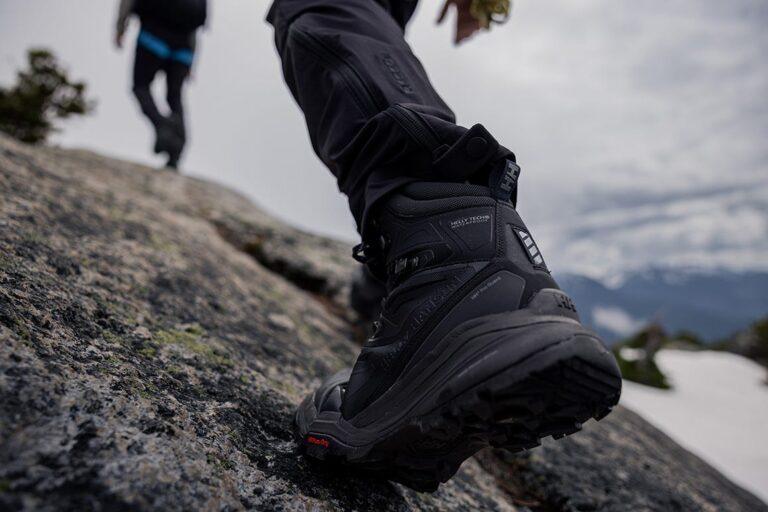
Wear them at home and on short walks, slowly increasing time and terrain.
I’ve fitted hikers and tested boots for years, so I know how to break in hiking shoes without pain or damage. This guide walks you through the why, the how, and the tools that work. Read on to learn step-by-step methods, quick wins, and mistakes to avoid so your shoes fit like they were made for your feet.
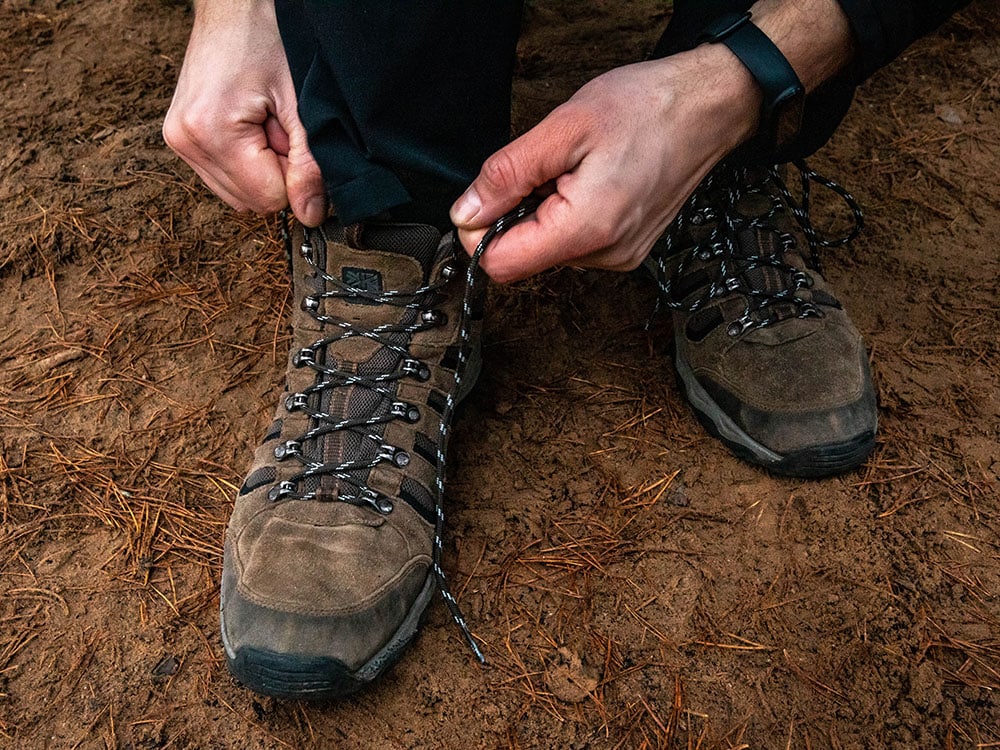
Why breaking in hiking shoes matters
Breaking in hiking shoes protects your feet and improves performance. New shoes feel stiff. That stiffness can cause blisters, hot spots, and odd gait changes.
A proper break-in shapes shoe materials to your foot. It helps midsoles flex, liners soften, and leather form to your shape. You will hike further and feel less fatigue when done right.

Understanding hiking shoe materials and fit
Knowing materials helps you plan how to break in hiking shoes. Leather, synthetic, and hybrid uppers behave differently. Waterproof membranes add stiffness and need extra time.
Fit matters more than brand. Shoes should have a thumb-width space in the toe box and snug heel hold. Insoles, socks, and lacing change feel a lot. Test fit before serious breaking in.
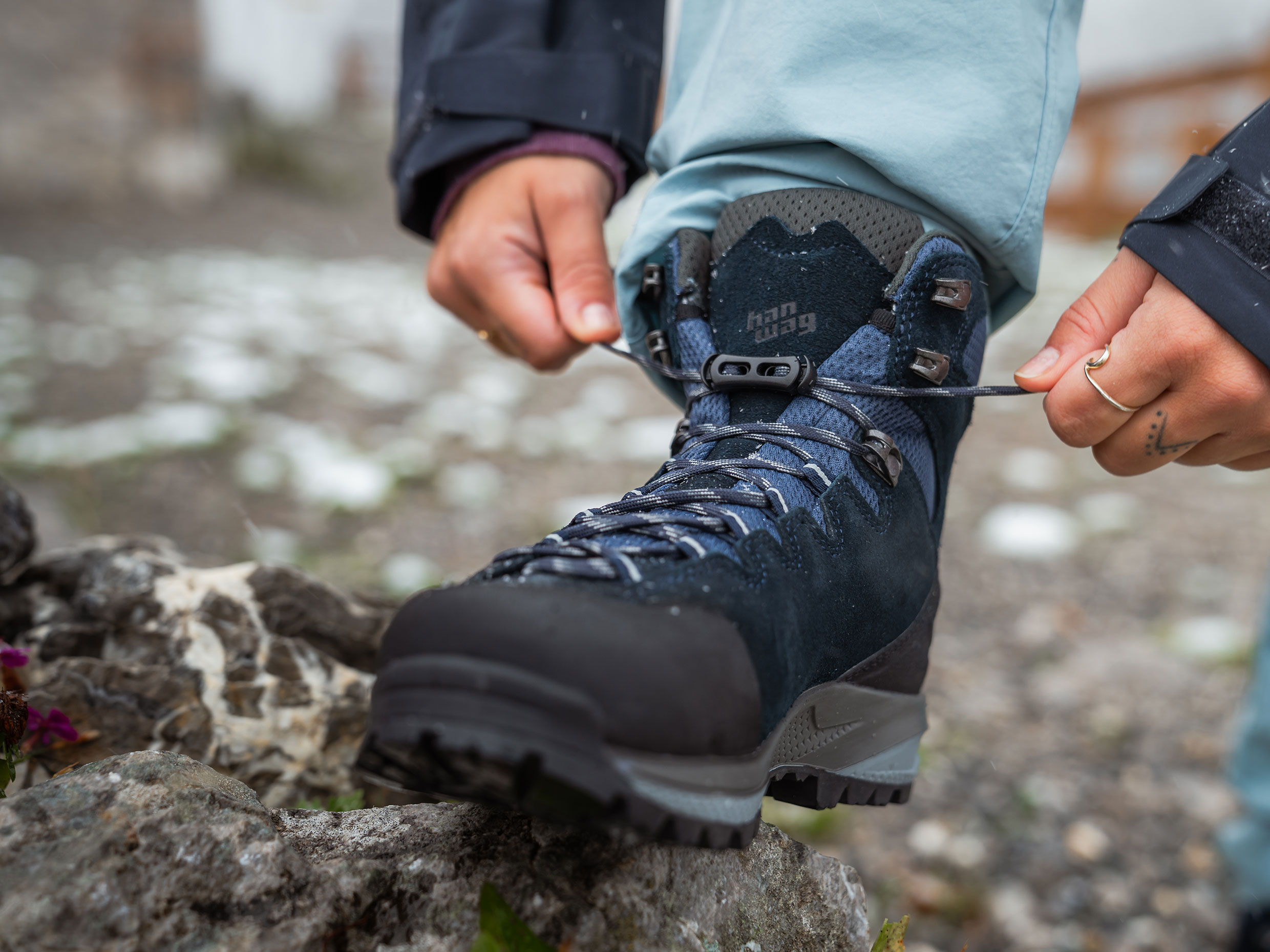
Step-by-step: how to break in hiking shoes
Follow simple steps to break in hiking shoes safely.
- Buy the right size
- Try shoes late in the day when feet are slightly swollen. Wear the socks you plan to hike in.
- Start at home
- Wear shoes indoors for 30–60 minutes the first day. Walk on carpet and hard floors.
- Short outdoor walks
- Move to short walks of 1–2 miles. Do these on varied surfaces for several days.
- Gradually increase time
- Add distance and uneven trails over 2–4 weeks. Stop if you feel hot spots.
- Use socks and inserts
- Thicker technical socks and supportive insoles speed comfort. Swap socks if you get pressure points.
- Lacing and tension
- Adjust lacing to avoid heel lift and toe jam. Use different lacing patterns for comfort.
- Final test
- Do a half-day hike with your full pack before a long trip. That reveals fit under load.
This step plan shows exactly how to break in hiking shoes in a safe, repeatable way.
Quick PAA-style questions (short answers)
Can you speed up how to break in hiking shoes?
- You can speed it a little with short, frequent wear and warm gentle flexing, but avoid forced methods that damage glue or seams.
Do waterproof shoes take longer to break in?
- Yes. Waterproof liners make shoes stiffer and often need more time and repeated walks to soften.
Will stretching tools help break in hiking shoes?
- Boot stretchers and heat methods can help tight spots, but use them cautiously and follow maker guidelines.
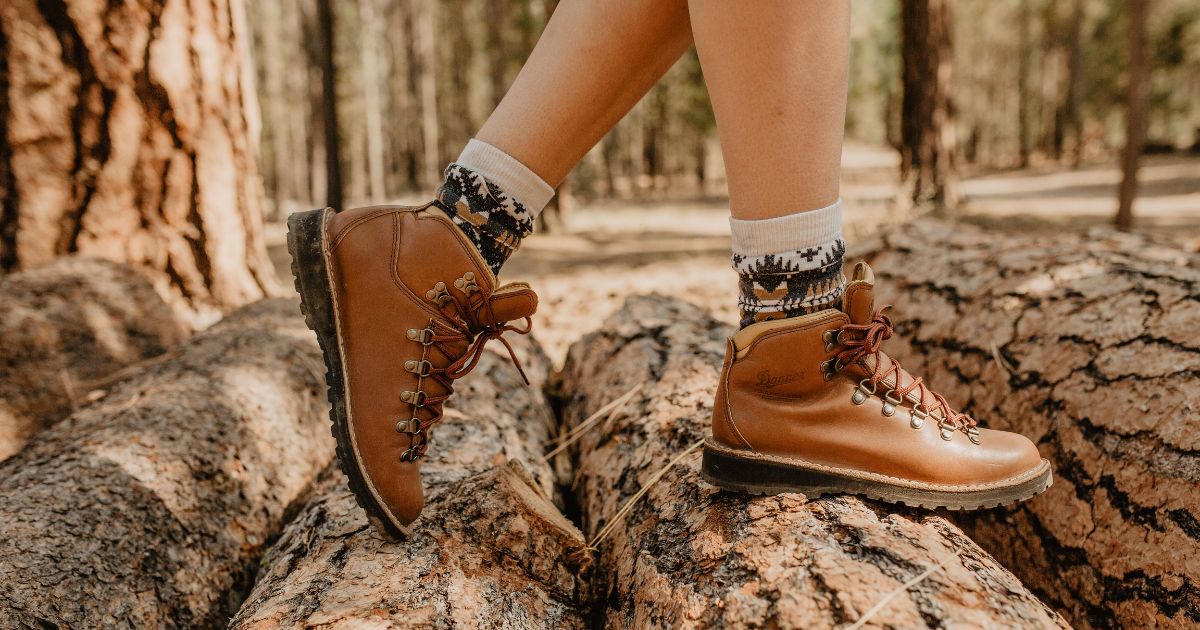
Advanced techniques and tips
Use extra methods only when basic steps don’t work.
- Heat molding
- Some brands allow safe oven or shop heat molding. Follow the maker’s instructions to avoid melting glue.
- Boot trees and stretchers
- Use a stretcher for tight toe boxes or bunion areas. Do short, measured stretches.
- Leather care
- Apply a leather conditioner to soften full-grain leather. Let it dry fully before wearing.
- Waterproofing
- Reapply treatment after heavy use to keep membranes working well without adding stiffness.
- Spot protection
- Use moleskin or blister tape on known hot spots during the break-in period.
These advanced tips speed comfort when used carefully.
Common mistakes to avoid
Avoid methods that cause harm or delay comfort.
- Rushing long hikes
- Don’t take brand-new shoes on a full day hike. You risk blisters and injury.
- Over-tightening laces
- Too-tight laces cause pressure points. Re-lace for different terrain and socks.
- Skipping sock tests
- Socks change fit a lot. Try the socks you will wear on long hikes.
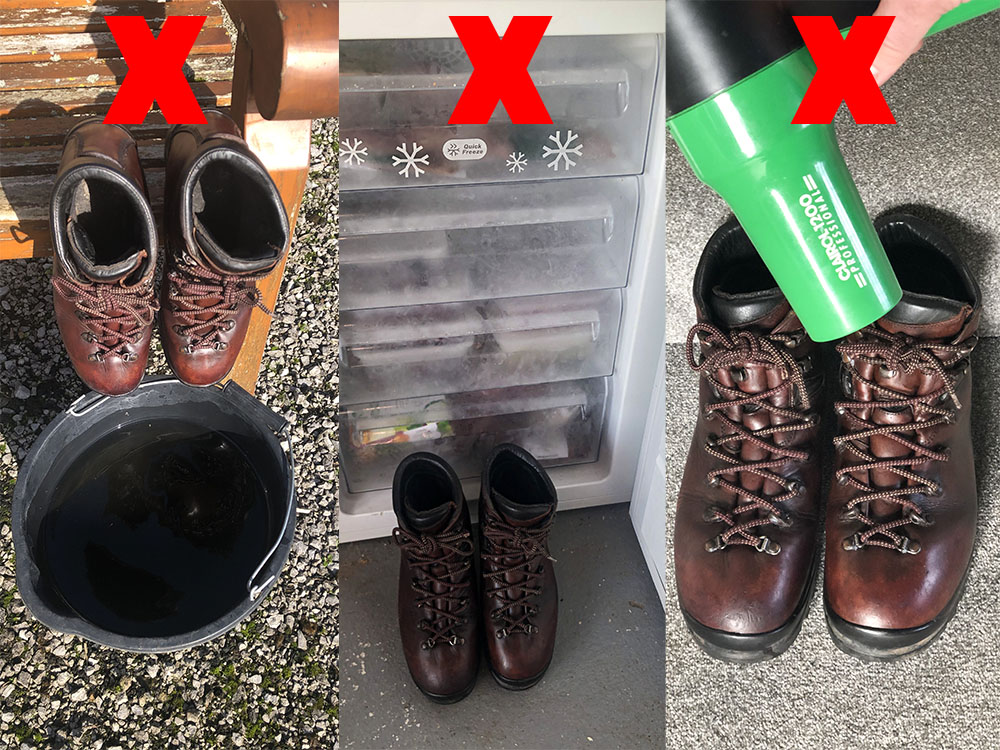
- Applying too much heat
- Excess heat can ruin glue and membranes. Follow manufacturer guidance.
Avoiding these mistakes keeps shoes safe and comfortable.

How long does it take to break in hiking shoes?
Time varies by material and design. Lightweight synthetic shoes may feel good in a few days. Leather boots often take 2–6 weeks of regular wear. Plan for at least three short hikes before a long trip.
Track comfort by noting hot spots and heel lift. If issues persist after two weeks of steady wear, consider different insoles or a size change.
Personal experience: lessons from testing and field use
I once took new boots on a three-day trip. By day one I had blisters from heel lift. I learned to always do a full-pack test hike first. In another case, I conditioned full-grain leather and found the boots formed to my feet after three weeks.
My practical tips:
- Test with the socks and pack you’ll use.
- Mark any hot spots early and treat them.
- Keep a simple repair kit on first trips.
These real moments shaped how I teach others how to break in hiking shoes.
Gear and products that help
Small extras make a big difference.
- Good socks
- Merino or synthetic blends reduce friction and wick moisture.
- Insoles and orthotics
- Swap stock insoles for support if you have arch or heel pain.
- Blister prevention
- Use lubricant, blister tape, or moleskin on problem areas.
- Shoe trees and conditioners
- Preserve shape and soften leather gradually.
Use these to speed comfort and protect your investment.
Related concepts: fit, gait, and pack weight
Breaking in hiking shoes ties to other fit topics. Poor fit changes your gait. A heavy pack alters foot pressure. Address shoe fit, gait, and load together.
A short gait check on flat ground and uphill will tell you if shoes are ready for a long day. Adjust lacing, insoles, or sock thickness if you notice issues.
Frequently Asked Questions of how to break in hiking shoes
How long should I wear new hiking shoes each day?
Start with 30–60 minutes indoors, then move to 1–2 mile walks. Increase time by 15–30 minutes each day until comfortable.
Can I use heat to speed up the break-in?
Some brands allow controlled heat molding, but most shoes should be broken in by wear. Excess heat can damage adhesives and membranes.
Do insoles help when breaking in hiking shoes?
Yes. Supportive insoles can correct fit issues and reduce hot spots. Try them early to see how they change shoe feel.
What if I get blisters during the break-in?
Stop and treat blisters immediately with blister tape or moleskin. Rest and change socks. Resume short, cautious walks once healed.
When should I return or exchange shoes?
If pain or persistent fit issues remain after consistent wear and adjustments, return or exchange within the store’s policy. Shoes should not injure your feet.
Will waterproofing affect the break-in time?
Waterproofing can add stiffness and slow break-in. Balance protection and comfort; reapply treatments sparingly.
Final thoughts
Breaking in hiking shoes well keeps you on the trail and out of the first-aid kit. Start slowly, use the right socks and insoles, and test with short hikes and a loaded pack. If you use the step-by-step plan here, you will know exactly how to break in hiking shoes safely and confidently.
Try these steps on your next pair and share what worked. Leave a comment or subscribe for more field-tested tips and gear guides.

Rubel Miah is the Senior Editor at MyStyleGrid.com, where he brings a sharp editorial eye and an unshakable love for fashion to everything he does. A true style addict, Rubel lives and breathes trends, from streetwear to high fashion, and has a knack for turning inspiration into impactful stories. With years of experience in fashion journalism and digital media, he curates content that empowers readers to express themselves through style. When he’s not editing features or forecasting the next big thing, you’ll find him hunting down vintage pieces or capturing street style moments around the city.