Most Muck Chore Boots are not heavily insulated; a few styles have light insulation for cool weather.
I’ve tested Muck boots in the field and studied their specs. If you wonder are muck chore boots insulated, this guide gives a clear, practical answer. I’ll explain construction, model differences, temperature performance, care tips, and real-world advice from my own experience. Read on to make the right choice for your work or outdoor needs.

How Muck Chore Boots are Constructed
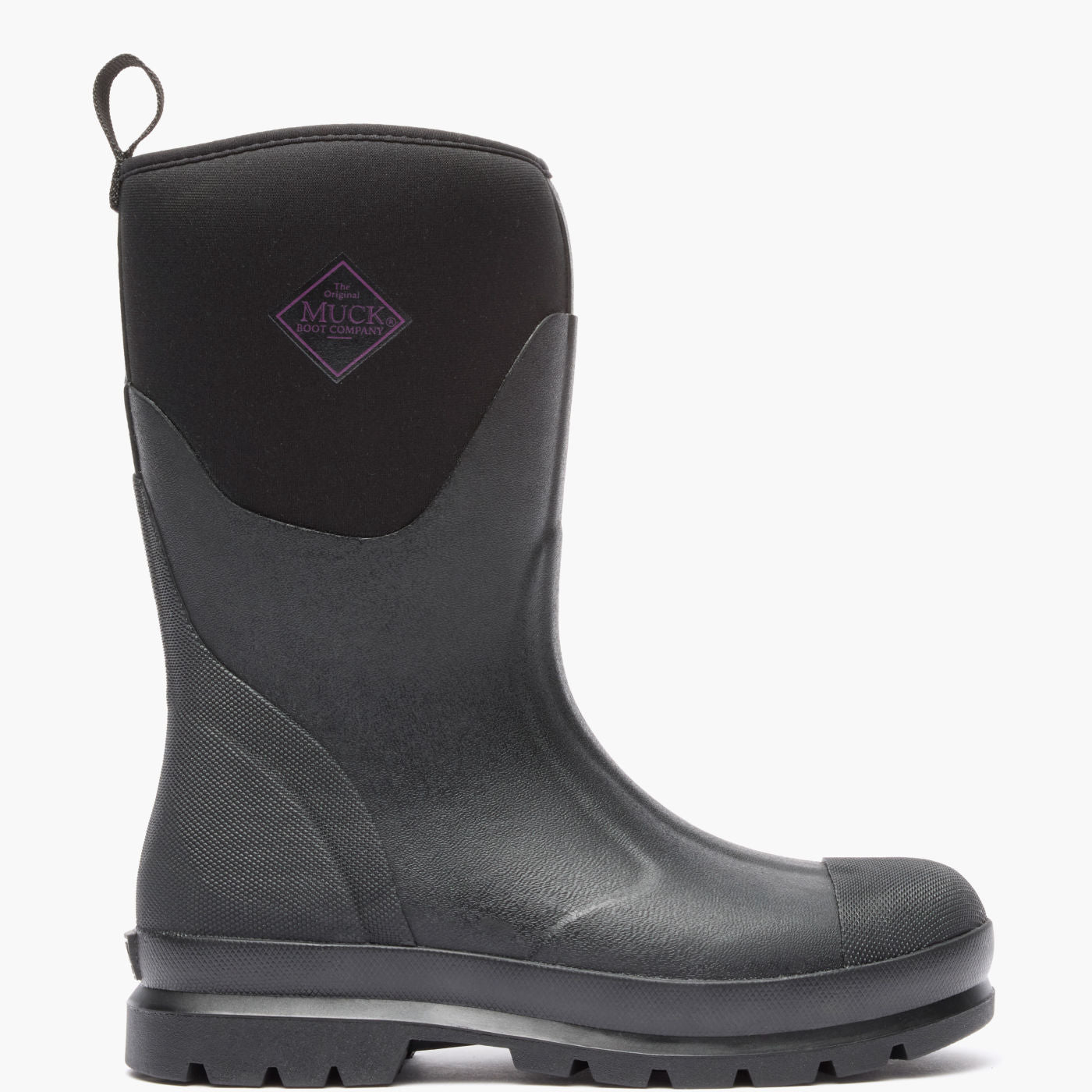
Muck Chore Boots focus on comfort and waterproof protection.
They use stretch-fit neoprene uppers and a molded rubber outsole.
The main goal is to keep water out and feet flexible during chores.
That design impacts how and where insulation is added in some models.

Are Muck Chore Boots Insulated — the basics
Ask directly: are muck chore boots insulated? The short answer is mixed.
Many standard Muck Chore models do not have thick thermal insulation.
Some variants include a thin fleece or neoprene liner that gives light warmth.
This means they protect from damp and cold but are not heavy winter boots.

Insulation Options and Which Models Have It
Muck offers several lines and trims with different liners.
Options include plain neoprene, fleece-lined neoprene, and thicker thermal linings.
Models labeled for winter or cold-weather usually list grams of insulation or a fleece liner.
If warmth is a priority, look for "insulated," "thermal," or specific temperature ratings.
Temperature Ratings and Real-World Performance
Muck rarely publishes formal "°F" ratings for every chore boot.
Instead, they describe liners and intended use: cool, cold, or extreme cold.
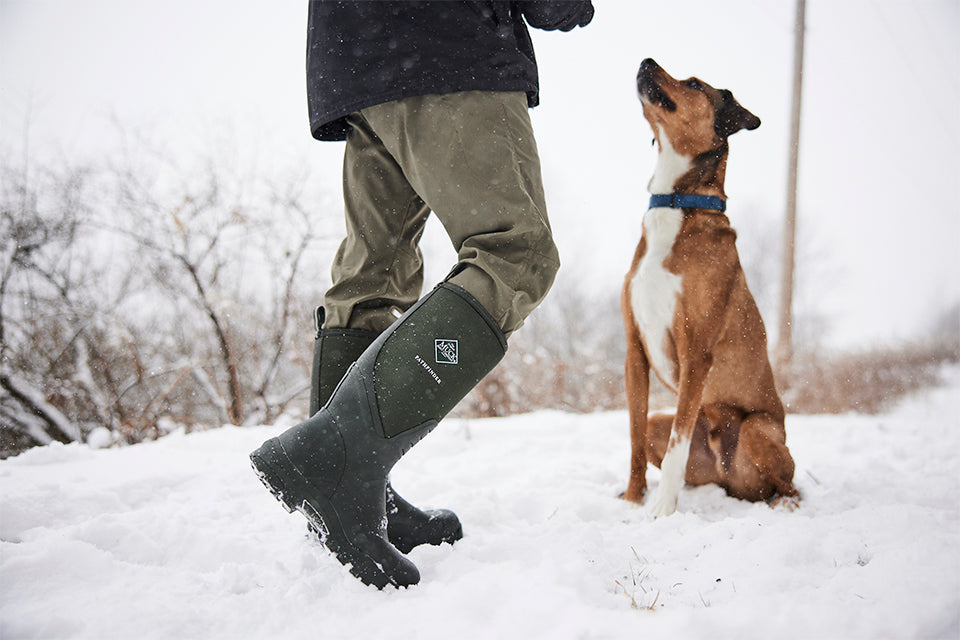
In practice, boots with a fleece liner are good for cool days and light snow.
For subfreezing work, choose models designed for winter or add warm socks.

Fit, Sizing, and Layering to Increase Warmth
Fit affects warmth. A snug fit traps body heat better than a loose fit.
Use wool or synthetic thermal socks for extra insulation.
Avoid overly tight boots; they restrict circulation and make feet colder.
Layering with sock liners can add comfort without changing boot size.
Care, Durability, and When to Replace Insulation
Neoprene liners can compress over years of use and lose insulating power.
Rinse boots after work and let them dry naturally away from direct heat.
Avoid machine drying or heaters; those damage liners and glue.
Replace worn boots when the liner feels thin or water begins to seep in.
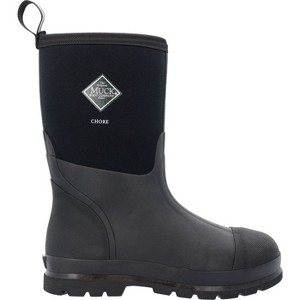
Pros and Cons: Insulated vs. Non-Insulated Muck Chore Boots
Pros of insulated options
- Better warmth for cool weather and light snow.
- More comfort during long outdoor chores.
- Some models still stay flexible in wet conditions.
Cons of insulated options
- Slightly warmer for mild days, which can make feet sweat.
- Heavier and sometimes pricier than non-insulated versions.
- Not always rated for extreme cold on their own.
Non-insulated benefits
- Lighter weight and more breathable for wet, mild weather.
- Easier to layer socks for variable conditions.
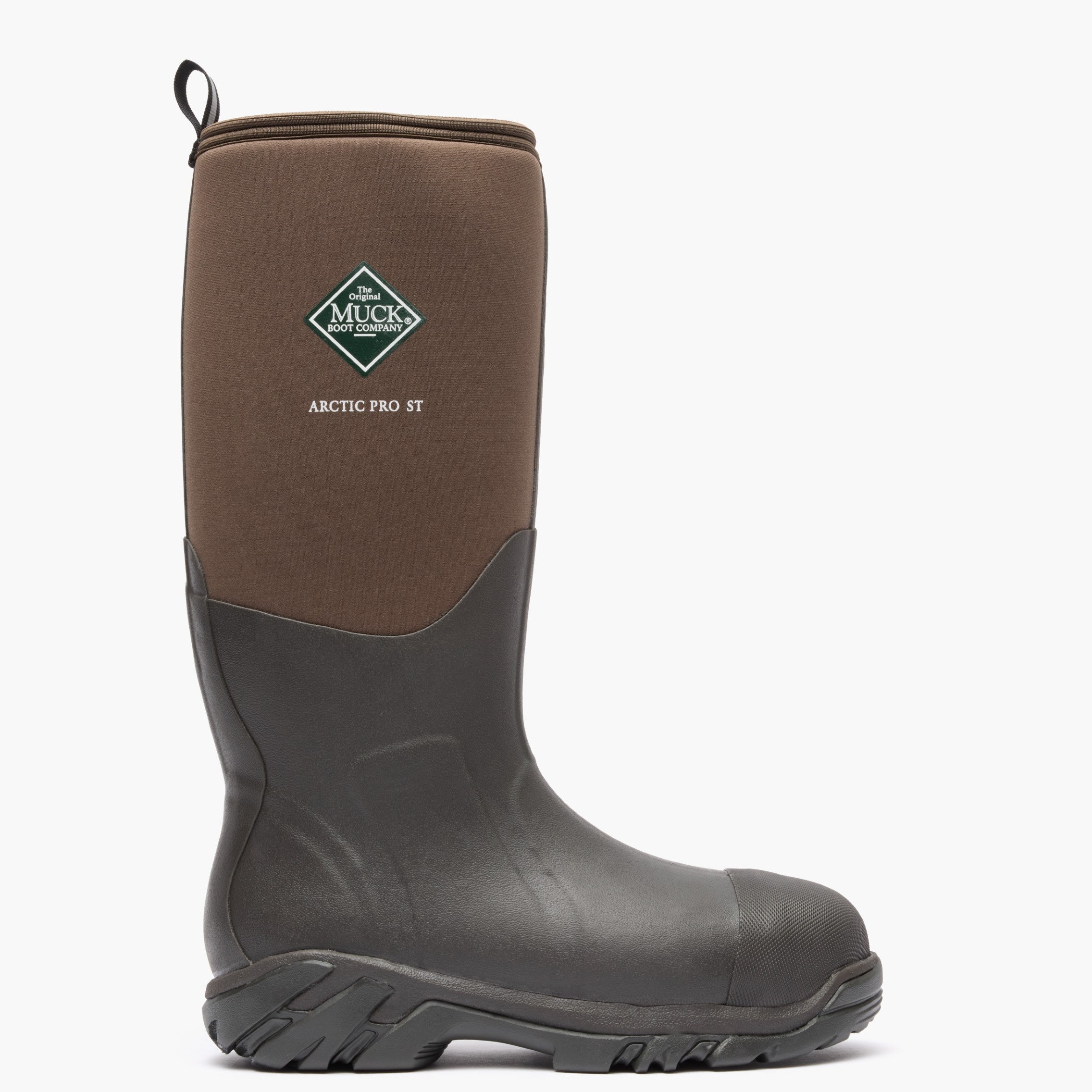
Source: muckbootcompany.com
Personal Experience and Practical Tips
I wore Muck Chore boots while mucking stalls and working outdoors in fall and mild winter.
My boots with a fleece liner kept toes warm down to the high 20s°F when paired with wool socks.
A non-insulated pair felt fine in wet spring days and was easier to dry.
Tip: try both versions if you can and think about the coldest average you’ll face.
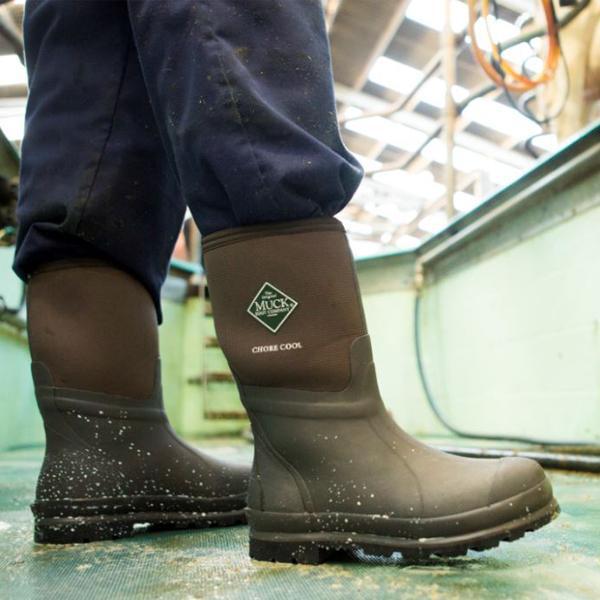
Buying Guide: How to choose if you need insulation
Decide by use and climate.
If you work outside in freezing temps, pick winter-rated Muck or heavier insulated boots.
If you mostly do wet chores in cool weather, a fleece-lined chore boot often suffices.
Check product descriptions for terms like insulated, fleece, or thermal liner.
Related Concepts and Alternatives
Consider these alternatives when insulation matters.
- Insulated rubber boots from other brands with clear temperature ratings.
- Winter work boots with removable liners for heavy duty cold.
- Using insulated socks or liners as a budget-friendly warming upgrade.
PAA-style quick questions
Q: Will a fleece-lined Muck Chore boot keep me warm in snow?
A: Fleece-lined models handle light snow and short exposures well, but deep cold needs heavier boots.
Q: Can I add insulation to a non-insulated Muck Chore boot?
A: Yes. Use thermal socks or removable liners for extra warmth without altering the boot.
Q: Do Muck Chore boots stay flexible in cold?
A: Neoprene stays flexible in many cold conditions. Very low temps can stiffen any rubber compound.
Frequently Asked Questions of are muck chore boots insulated
Are all Muck Chore boots insulated?
No. Some models come with light fleece or neoprene liners, while many standard versions are not heavily insulated.
How warm are insulated Muck Chore boots?
Insulated Muck Chore boots offer light to moderate warmth. They work well for cool weather and light snow but may not suit extreme cold without extra layers.
Can I wear Muck Chore boots in subzero temperatures?
Not all models are suitable for subzero work. Choose winter-rated or heavy-insulation boots and wear thermal socks for very low temperatures.
How do I know which Muck model has insulation?
Check the product description for terms like insulated, fleece-lined, or thermal. Photos and liner details usually indicate insulation type.
Will insulation make the boots less waterproof?
No. Insulation is added to the liner, and most Muck Chore boots remain fully waterproof. Proper care keeps both waterproofing and insulation intact.
Should I size up if I plan to wear thick socks for warmth?
Yes. Sizing up slightly can help if you use thick thermal socks or liners. Ensure the fit still supports your heel to avoid blisters.
How long does insulation last in Muck boots?
Insulation can last several seasons but may compress with heavy use. Replace boots when liners feel thin or don’t warm as well anymore.
Conclusion
You now know the answer to are muck chore boots insulated and how to choose the right pair. Some Muck Chore boots have light insulation for cool days, while standard versions focus on waterproof comfort. Match the boot to your climate, use warm socks when needed, and care for liners to extend life. Try insulated and non-insulated options if you can, and pick what fits your work and weather. Explore product specs, test fit, and share your experience in the comments or subscribe for more gear guides.

Rubel Miah is the Senior Editor at MyStyleGrid.com, where he brings a sharp editorial eye and an unshakable love for fashion to everything he does. A true style addict, Rubel lives and breathes trends, from streetwear to high fashion, and has a knack for turning inspiration into impactful stories. With years of experience in fashion journalism and digital media, he curates content that empowers readers to express themselves through style. When he’s not editing features or forecasting the next big thing, you’ll find him hunting down vintage pieces or capturing street style moments around the city.