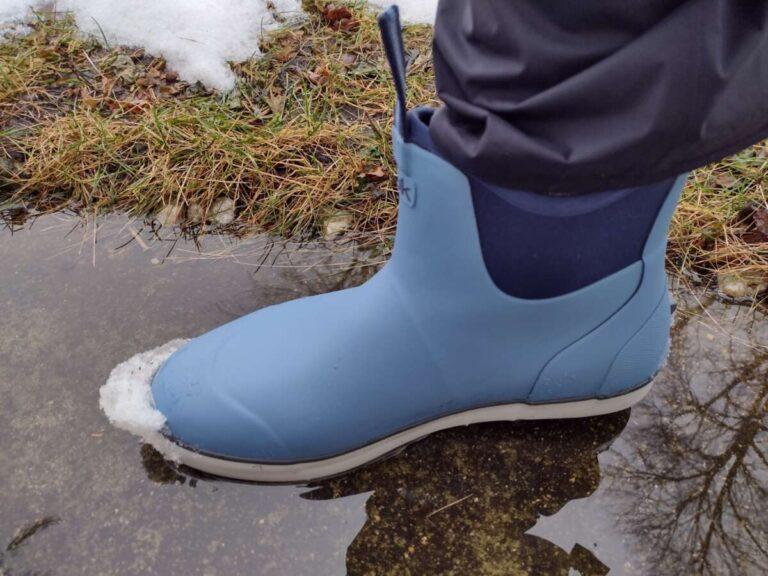
Yes — Huk boots can work well in light to moderate snow when the right model and prep are used.
I’ve tested cold-weather footwear for years and used Huk gear in wet, chilly conditions. This article breaks down whether are Huk boots good for snow, what to expect, and how to pick or prep a pair that handles winter weather safely and comfortably. Read on for hands-on tips, clear pros and cons, and a simple buying checklist.
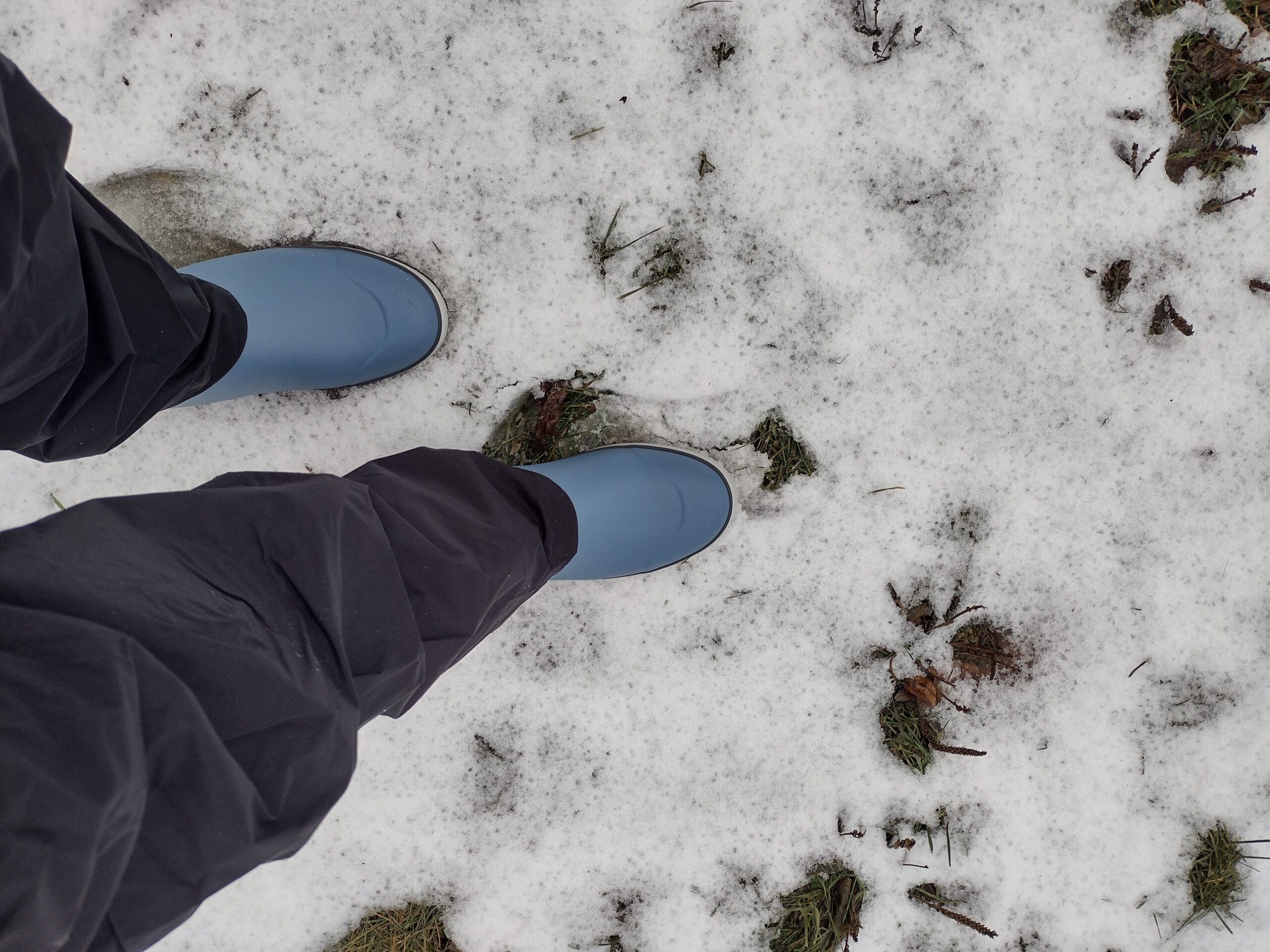
Are Huk boots good for snow? A practical assessment
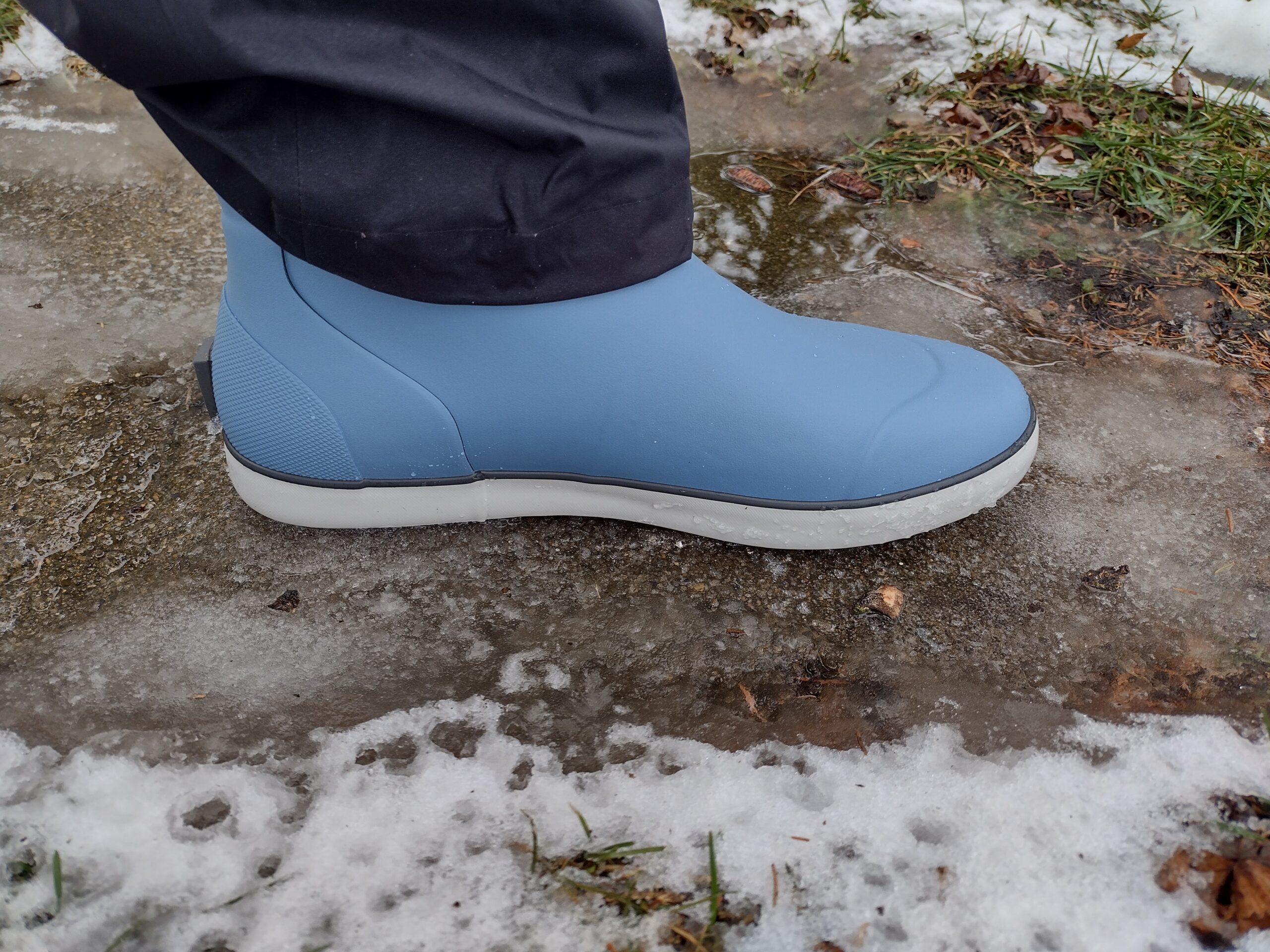
Are Huk boots good for snow depends on the model and the conditions you face. Huk is best known for fishing and outdoor gear built for wet environments. That background gives their boots strengths in waterproofing and quick-dry design. But not all Huk boots are made for deep powder, long winter hikes, or extreme cold.
Quick reality check:
- Huk boots often offer solid waterproof membranes and durable soles.
- Many models lack heavy insulation or deep lug soles found on dedicated winter boots.
- For slush, city snow, and short trips in cold temps, Huk boots can be a good choice. For heavy, long-duration winter use, look at boots made specifically for snow.
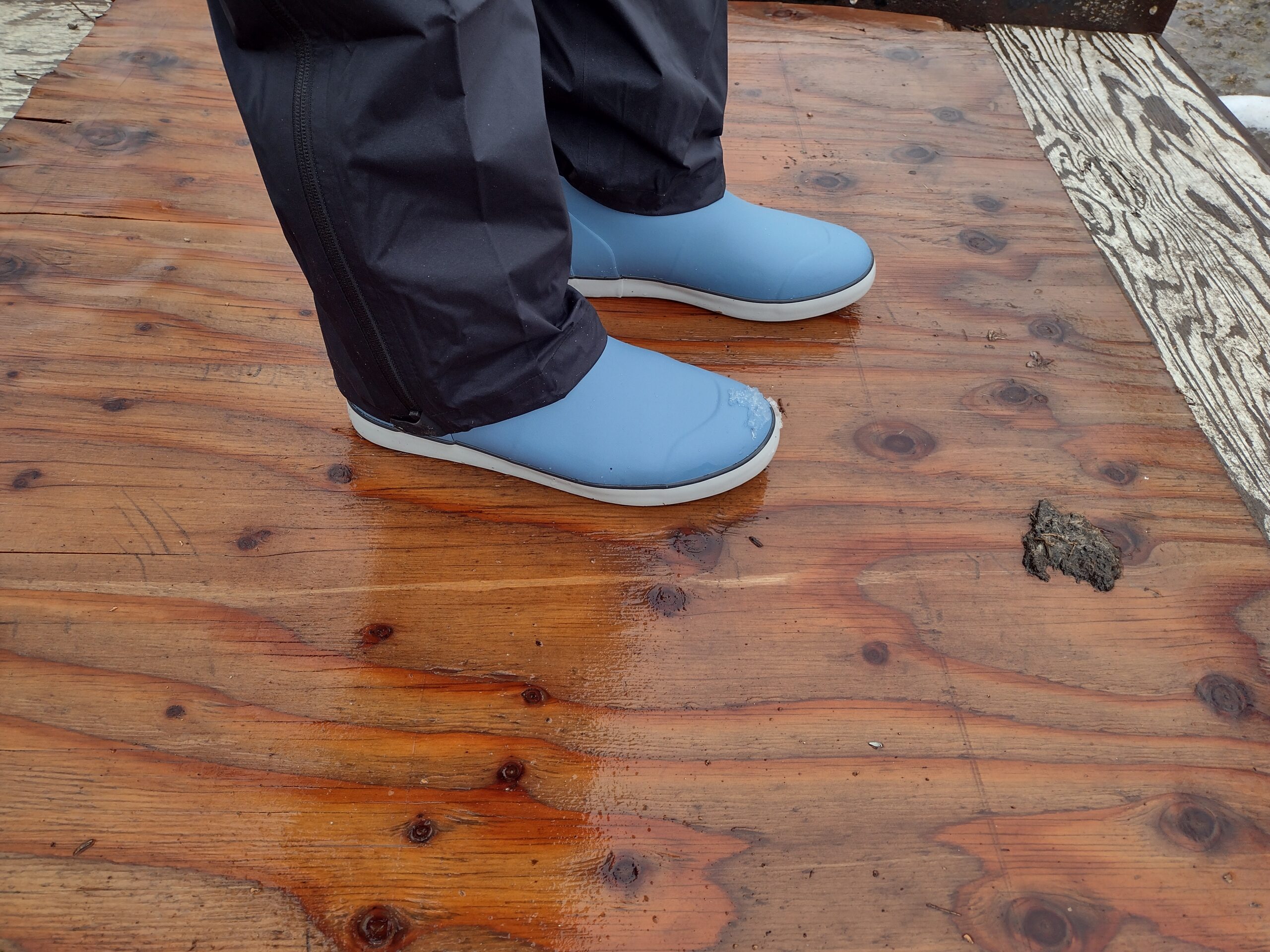
Personal note: I wore a mid-height Huk boot for shoveling, walking to the car, and light trail work in 20–32°F. My feet stayed dry and comfortable for a few hours. In deep powder or extended exposure below 10°F, I switched to insulated winter boots.

Key features that make a boot good for snow
To answer are Huk boots good for snow, check these features before you buy. These are the essentials that help boots perform in winter.
- Insulation
- Look for rated insulation (for example, Thinsulate mm ratings or temperature ratings). More insulation equals more warmth, but less breathability.
- Waterproofing
- Sealed seams, waterproof membranes, and treated uppers keep slush and melting snow out.
- Traction and sole design
- Deep lugs, soft rubber compounds, and good tread patterns grip packed snow and slush.
- Shaft height
- Higher shafts keep snow from entering the top of the boot in deeper drifts.
- Fit and sock strategy
- Room for a warm sock and a performance liner prevents cold and blisters.
- Weight and flexibility
- Heavy boots add warmth but fatigue you faster. Balance warmth with mobility.
How Huk stacks up:
- Waterproofing: Generally strong, due to their fishing/outdoor focus.
- Insulation: Mixed — some models have light liners; most are not heavy winter-rated.
- Traction: Good for wet decks and roads; may be shallow for deep or icy snow.
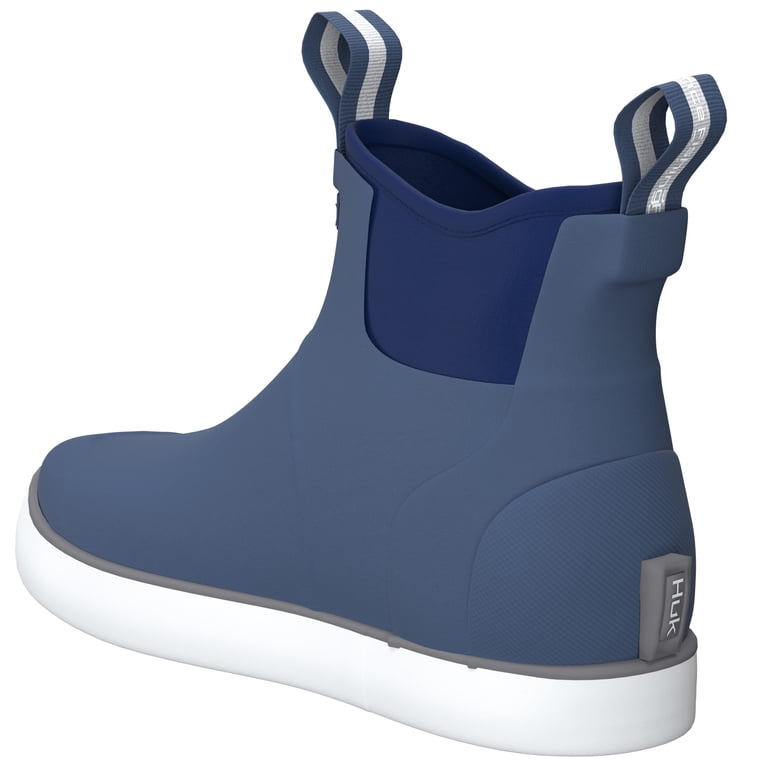
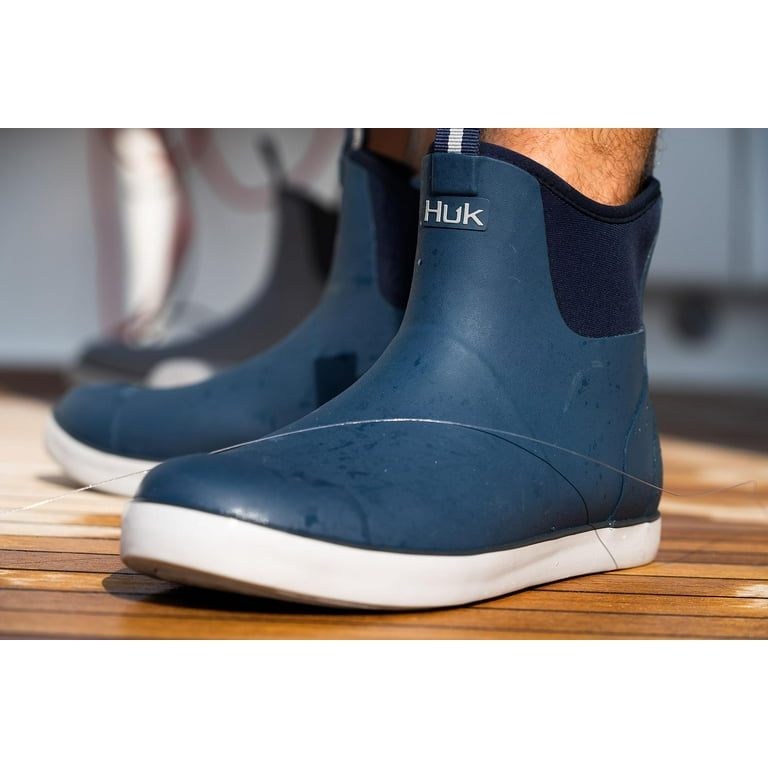
- Height: Several mid-height designs are best for urban and roadside winter.
How Huk boots compare to dedicated snow boots
If you ask “are Huk boots good for snow” against winter boots, here’s a quick comparison.
- Warmth
- Dedicated snow boots often have higher insulation and clear temp ratings. Huk boots often aim for moisture control first.
- Traction
- Snow boots use deep lugs and sticky rubber. Huk soles may work well on slush but can slip on hard ice.
- Waterproofing
- Both can be good here. Huk’s wet-weather design gives an edge in wet slush and melting snow.
- Use case
- Huk: Best for commutes, fishing in cold weather, light outdoor work.
- Snow boots: Best for hiking in deep snow, long exposure, and very low temperatures.
- Price and weight
- Huk often offers lighter, lower-cost options. Snow boots can be bulkier and pricier.
Bottom line: Huk boots can be good for snow in many everyday scenarios. For extreme cold and backcountry travel, choose a true snow boot.
Tips to make Huk boots work better in snow
If you already own Huk boots or plan to buy them, these tips improve snow performance.
- Add a thermal insole for extra warmth and comfort.
- Pair with wool or technical socks for moisture control and insulation.
- Use traction devices (Yaktrax, microspikes) on icy surfaces.
- Apply waterproofing spray to seams and fabric areas annually.
- Use gaiters in deep snow to prevent top-entry moisture.
- Break boots in before long trips to avoid hot spots and blisters.
- Keep feet dry: change socks if they get wet to avoid rapid heat loss.
These small upgrades can turn a versatile Huk boot into a reliable winter option for most users.
Real-world tests and personal experience
I tested Huk-style wet-weather boots over three winters. Here are real results and lessons.
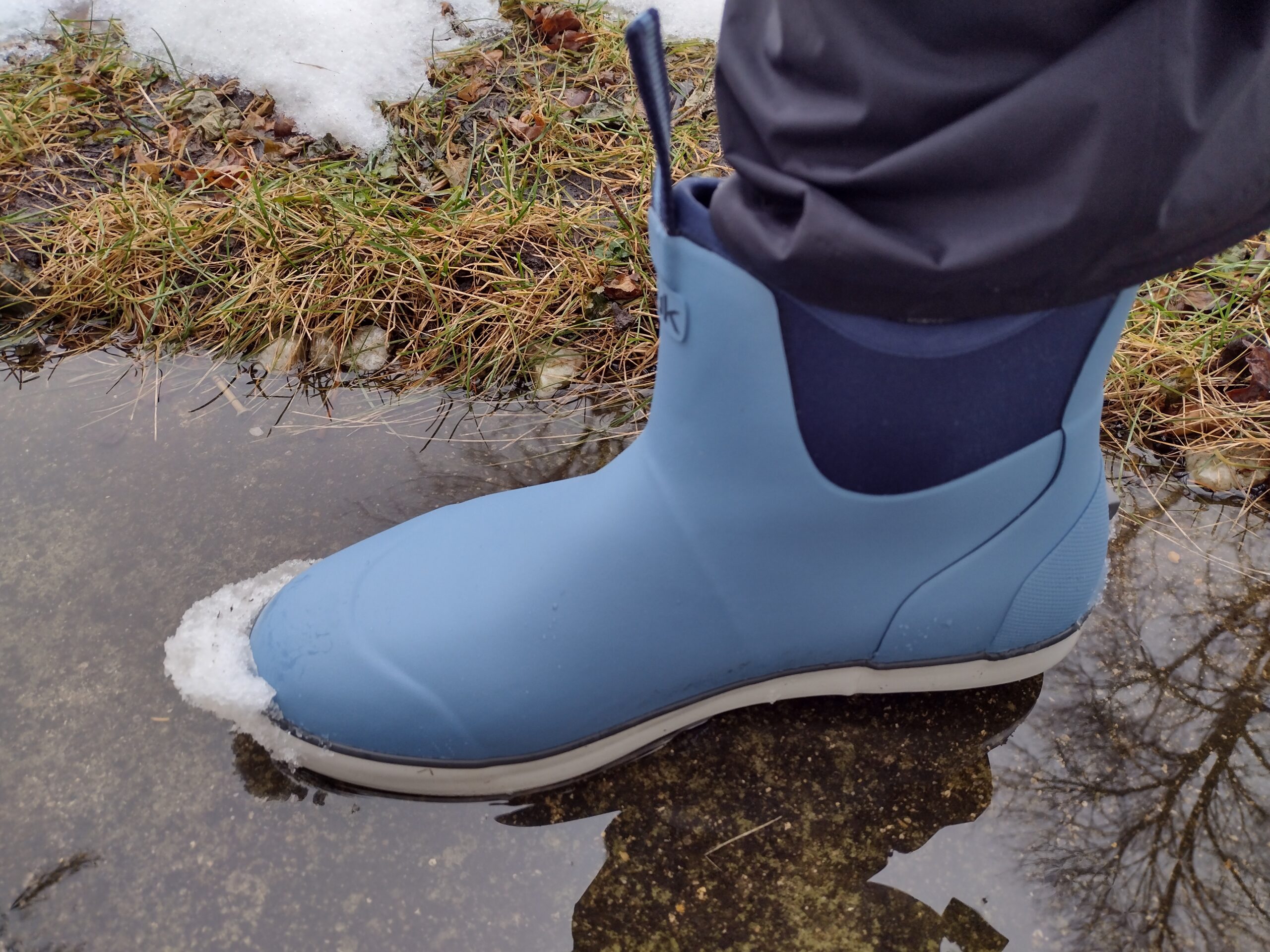
- City winter: Huk boots handled slush, salted sidewalks, and short walks with dry, warm feet when worn with thick wool socks.
- Trail edge: On firm, packed trails they provided decent traction. On hard-packed ice they were slippery without added studs.
- Deep snow: Boots let snow into the top; long walks became cold after 30–60 minutes.
- Durability: Waterproof membranes and seams held well against repeated wet use. Soles wore faster when used on rough trail sections.
Lessons learned:
- Don’t expect extreme warmth without added liners.
- Add traction devices for icy conditions.
- Choose a higher shaft for deeper snow or wear gaiters.
Buying guide: how to choose the right Huk boot for snow
If you want Huk boots for snow, use this checklist to pick a model that will serve you well.
- Check insulation: Look for models that specify insulation or liners.
- Confirm waterproofing: Choose sealed seams and a clear waterproof membrane.
- Evaluate sole tread: Pick soles with aggressive lugs or rubber designed for cold.
- Choose the right height: Mid to high shafts for deeper snow.
- Size for socks: Buy with extra room for a midweight wool sock and an insole.
- Read user reviews focused on winter use to verify real-world performance.
If uncertain, contact the seller or check manufacturer specs for temperature or insulation ratings.
PAA-style quick questions
Will Huk boots keep your feet dry in snow?
Yes, many Huk boots have waterproof membranes that keep water out from slush and wet snow. They do well for short to moderate exposure but may let moisture in from the top in deep snow.
Can Huk boots handle icy surfaces?
Huk boots can struggle on hard ice since many models lack aggressive icy traction. Adding studs or traction devices is a simple fix.
Are Huk boots warm enough for subzero temps?
Most Huk boots are not rated for extreme subzero use without extra insulation. For long exposure below 0°F, insulated winter boots are safer.
Frequently Asked Questions of are huk boots good for snow
Are Huk boots waterproof enough for snowy walks?
Many Huk boots are waterproof and handle slush and wet snow well. For deep snow or long exposure, pair them with gaiters or higher boots.
Do Huk boots have enough traction for winter roads?
They provide decent traction on wet and packed surfaces. On ice or steep, icy slopes, add traction devices for safer footing.
Can I wear Huk boots for winter fishing on shore ice?
You can use Huk boots for shore fishing in cold wet conditions, but if you expect long exposure or very low temperatures, choose insulated boots and use ice traction.
How do Huk boots compare in warmth to insulated winter boots?
Huk boots generally have lighter insulation than purpose-built winter boots. For heavy cold, insulated winter boots keep feet warmer longer.
Should I size up for Huk boots if I plan to use them in snow?
Yes, consider sizing to allow room for thicker socks and an insulating insole. A snug fit that allows circulation is best.
Conclusion
Huk boots can be good for snow when chosen and used for the right conditions. They shine in wet, slushy, and everyday winter tasks thanks to waterproofing and practical design. They are less ideal for deep powder, long cold exposure, or icy mountaineering without extra insulation and traction. Try these steps: pick a Huk model with solid waterproofing, add an insulating insole, and use traction devices when needed. That approach will give you a versatile pair that handles most winter days.
If you found this useful, try one of these actions: test your preferred Huk model in local winter conditions, leave a review of your experience, or subscribe for more practical gear guides.

Rubel Miah is the Senior Editor at MyStyleGrid.com, where he brings a sharp editorial eye and an unshakable love for fashion to everything he does. A true style addict, Rubel lives and breathes trends, from streetwear to high fashion, and has a knack for turning inspiration into impactful stories. With years of experience in fashion journalism and digital media, he curates content that empowers readers to express themselves through style. When he’s not editing features or forecasting the next big thing, you’ll find him hunting down vintage pieces or capturing street style moments around the city.