Clean mold off leather shoes by brushing, wiping with a vinegar solution, and conditioning promptly.
I’ve spent years fixing shoes and advising fellow gear lovers on safe cleaning. This guide on how to clean mold off leather shoes explains simple, proven steps you can use at home. I’ll show you why mold forms, how to remove it without ruining leather, what products to trust, and how to stop it from returning — all in clear, tested detail.
Why mold grows on leather shoes and what to expect
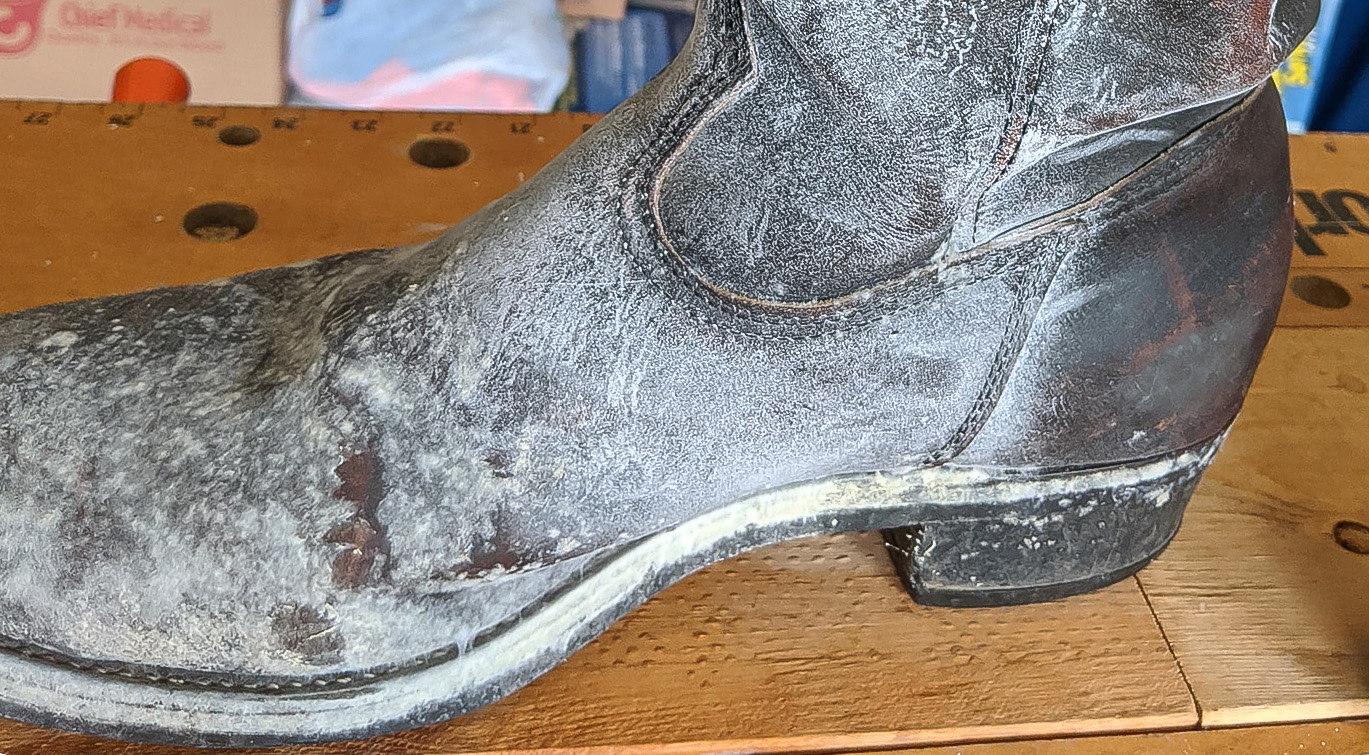
Leather is a natural material that holds moisture and organic matter. Mold thrives where it’s damp, dark, and a bit dirty. If shoes are stored in basements, closets, or damp garages, mold can show up in spots, on seams, and inside linings.
Common signs you’ll notice:
- White or green fuzzy spots on the surface.
- A musty, earthy smell coming from the shoe.
- Dark stains or slight leather discoloration under the mold.
- Stiff or flaky leather if mold has been present a long time.
Understanding this helps when you learn how to clean mold off leather shoes. Prompt action protects color, texture, and structure of the leather. Leather can often be saved if you act quickly and gently.
/how-to-remove-mildew-from-leather-2147182-02-08074163c761488d908ec6d6ce80b2d2.jpg)
Safety first: what you need before cleaning
Mold can irritate skin and lungs. Protect yourself and your home when you clean shoes.
Essential safety steps:
- Work in a well-ventilated area or outside to avoid breathing spores.
- Wear gloves and a simple mask to reduce skin and inhalation exposure.
- Use soft brushes and lint-free cloths to avoid scratching leather.
- Test any cleaner on a hidden spot first to check colorfastness.
Safety matters as much as technique when you learn how to clean mold off leather shoes. If you have severe allergies or the mold covers many pairs, consider a professional cleaning service.
Step-by-step: how to clean mold off leather shoes
Follow these gentle steps to remove mold while preserving leather. Read all steps first, then work methodically.
Preparation
-
- Remove loose mold outdoors by brushing the shoes with a soft brush. This reduces spore spread inside your home.
-
- Remove laces and insoles if possible; wash or replace them separately.
Cleaning solution and method
-
- Make a mild vinegar solution: mix equal parts white vinegar and water. Vinegar kills many surface molds without severely damaging leather when used sparingly.
-
- Lightly dampen a cloth with the solution and gently wipe the moldy areas. Avoid soaking the leather.
-
- For stubborn spots, use a soft-bristled brush dipped in the solution and work in small circular motions.
Rinse and dry
-
- Wipe the area with a clean, slightly damp cloth to remove residue.
-
- Dry shoes slowly at room temperature in a well-ventilated area. Avoid direct heat like radiators or hair dryers that can crack leather.
Condition and finish
-
- Once fully dry, apply a leather conditioner appropriate for your shoe type. This restores oils and prevents stiffness.
-
- Reassemble shoes with clean or replaced laces and insoles.
When to stop and call a pro
-
- If mold has deeply stained or the leather is delaminating, stop and consult a leather repair professional. Some damage is irreversible.
Following these steps will teach you how to clean mold off leather shoes without weakening the material. Small, cautious moves are better than aggressive scrubbing.
Products and homemade cleaners that work
Not every cleaner is safe for leather. Here are options that balance effectiveness and safety.
Safe home remedies
- White vinegar diluted 1:1 with water — effective for many molds and gentle if used lightly.
- Rubbing alcohol diluted with water (1:1) — good for quick spot treats; avoid overuse because it can dry leather.
- Mild liquid soap (castile or saddle soap diluted) — safe for regular cleaning when rinsed and conditioned afterward.
Commercial leather-safe options
- pH-balanced leather cleaners designed for garment or shoe leather.
- Leather conditioners and creams to restore oils after cleaning.
- Antifungal sprays specifically labeled for leather — use sparingly and test first.
Avoid these
- Bleach or chlorine cleaners — they can strip color and weaken leather.
- Harsh detergents or strong solvents — they dry and damage the hide.
- Excess water — it causes warping, stiffness, and further mold issues.
Choosing the right product is a key part of learning how to clean mold off leather shoes. When in doubt, opt for milder formulas and follow label directions.
Cleaning by leather type and finish
Different leathers need different care. Here’s how to approach common finishes.
Smooth/full-grain leather
- Best cleaned with vinegar solution or leather cleaner. Brush off mold first, then wipe carefully and condition.
Patent or glossy leather
- Wipe with a damp cloth and mild soap. Avoid vinegar on delicate gloss — use a cleaner safe for patent finishes and buff gently.
Suede and nubuck
- These are delicate. Use a suede brush to remove surface mold outdoors. For stains, use a specialized nubuck/suede cleaner; avoid liquid vinegar unless directed by product guidance.
Synthetic leather (faux)
- Usually more tolerant of cleaning. You can use diluted vinegar or mild soap and then wipe dry.
Knowing the leather type helps you decide how to clean mold off leather shoes safely. If you’re unsure, test on a hidden area or consult manufacturer care notes.

Prevention and storage tips to stop mold returning
Prevention is easier than repair. Use these habits to keep shoes mold-free.
Storage habits
- Store shoes in a cool, dry place with airflow. Avoid tightly packed dark closets.
- Use breathable shoe bags or boxes with small vents.
- Place silica gel packs or moisture absorbers in boxes and cabinets.
Care habits
- Rotate shoes; don’t store worn, damp shoes for long periods.
- Let wet shoes dry fully before storing. Use newspaper inside to speed drying safely.
- Clean dirt and sweat regularly; organic soil feeds mold.
- Use a dehumidifier in damp rooms.
- Improve closet ventilation with a small fan or open door occasionally.
These steps make a big difference when you want to learn how to clean mold off leather shoes and keep them clean long-term.

Common mistakes and troubleshooting
Avoid these pitfalls that make mold damage worse.
Mistakes to avoid
- Over-wetting leather with cleaners or water.
- Using bleach, strong ammonia, or harsh solvents on leather.
- Scrubbing aggressively with stiff brushes that scratch the finish.
Troubleshooting persistent problems
- Stain remains after cleaning — try a leather-specific cleaner and consult a pro for deep dye touch-ups.
- Smell lingers — dry shoes with baking soda in a breathable bag or use activated charcoal packets to absorb odors.
- Leather feels dry or cracked — apply a high-quality conditioner and allow several days for recovery.
Knowing what not to do is as important as knowing how to clean mold off leather shoes. Gentle care will preserve your shoes longer.
Personal experience, tips, and lessons learned
I’ve cleaned dozens of pairs for friends and clients over the years. A few lessons stood out.
Real-world tips
- Brushing outdoors first cuts down on indoor spore spread. I once cleaned a pair inside and ended up having to air the room for a day — lesson learned.
- Test cleaners on hidden seams. One dark dress shoe lost dye after an aggressive cleaner; a patch test would have prevented that.
- Conditioning after cleaning always brings leather back to life. Skipping this step leaves leather brittle and more mold-prone.
What I’d do differently
- Use moisture absorbers in any shoe box in humid months. After adding silica packs, return visits from mold dropped dramatically.
- Replace foam insoles that went moldy rather than trying to fully disinfect them.
These experiences show practical ways to keep learning how to clean mold off leather shoes and keep them wearable.
PAA-style quick questions
What kills mold on leather without damaging it?
- A diluted white vinegar solution or a pH-balanced leather cleaner usually kills surface mold without harming leather when used sparingly.
Can I use bleach to remove mold from leather?
- No. Bleach can strip dye and weaken the leather fibers. Stick to gentler alternatives designed for leather.
How long does it take to remove mold from shoes?
- Surface mold can be removed in one cleaning session. Deep or widespread mold may need repeated treatments or professional care.
Frequently Asked Questions of how to clean mold off leather shoes
How soon should I treat leather shoes when I find mold?
Treat them as soon as possible. Early action prevents deep staining and structural damage.
Will vinegar ruin my leather shoes?
Vinegar is safe when diluted and used sparingly. Always test on an inconspicuous spot first to check colorfastness.
Can I use a dryer to speed up drying after cleaning?
No. Heat can crack leather and warp soles. Air dry at room temperature with good ventilation.
Are suede shoes beyond saving if they grow mold?
Not always. Light mold on suede can often be brushed out and treated with suede cleaners. Severe cases may require professional restoration.
How do I clean the insoles and laces affected by mold?
Remove them and wash laces in warm soapy water. Clean or replace insoles; foam often traps spores and may be better replaced.
Do I need a professional for severe mold?
Yes. If leather is deeply stained, weakened, or has mold inside layers, a professional leather restorer can assess and repair damage safely.
Will conditioning after cleaning prevent future mold?
Conditioning restores oils and flexibility but doesn’t prevent mold by itself. Combine conditioning with good storage and moisture control for best results.
Conclusion
You can successfully learn how to clean mold off leather shoes with careful, step-by-step care. Brush away loose spores, use mild cleaners like diluted vinegar, dry slowly, and always condition the leather afterward. Prevent mold by improving storage, rotating footwear, and controlling moisture.
Takeaway action: check your shoe storage this weekend. Clean any affected pairs outdoors using the steps above and add moisture absorbers to vulnerable closets. If a job looks too large or leather is severely damaged, seek a professional restorer.
Leave a comment with your shoe type and mold issue — I’ll help with tailored tips or next steps.
Madison Clark is a footwear expert and the voice behind MyStyleGrid.com. She specializes in honest shoe reviews, style tips, and practical guides to help readers find the perfect pair for any occasion. With years of experience in blogging and content creation, Madison makes footwear knowledge simple, stylish, and easy to follow.