Scuff, clean, and add traction pads or a tacky sole spray for instant, reliable court grip.
I’ve spent years testing shoes, fixes, and court setups to learn what really works. This guide on how to make basketball shoes more grippy breaks down safe, low-cost fixes, mid-term upgrades, and pro-level options. Read on for step-by-step methods, things I’ve tried (and the mistakes I learned from), and the trade-offs for each approach.
Why traction matters on the court
Traction controls how fast you move and how well you stop. Good traction helps you cut, pivot, and land without slipping.
If you want to know how to make basketball shoes more grippy, start by thinking about safety and performance. Grip isn’t just comfort. It affects speed, injury risk, and confidence on the floor.

Understand shoe materials and sole patterns
Soles come in rubber blends, gum rubber, and harder compounds for outdoor courts. Pattern types include herringbone, circular pods, and modular treads.
Herringbone gives multi-directional bite. Gum rubber often feels tackier indoors but wears fast outdoors. Knowing the sole type helps you choose the right fix for how to make basketball shoes more grippy.
Quick fixes to make basketball shoes more grippy
These fast methods work before a game or during a break in play. They give a big feel change with little cost.
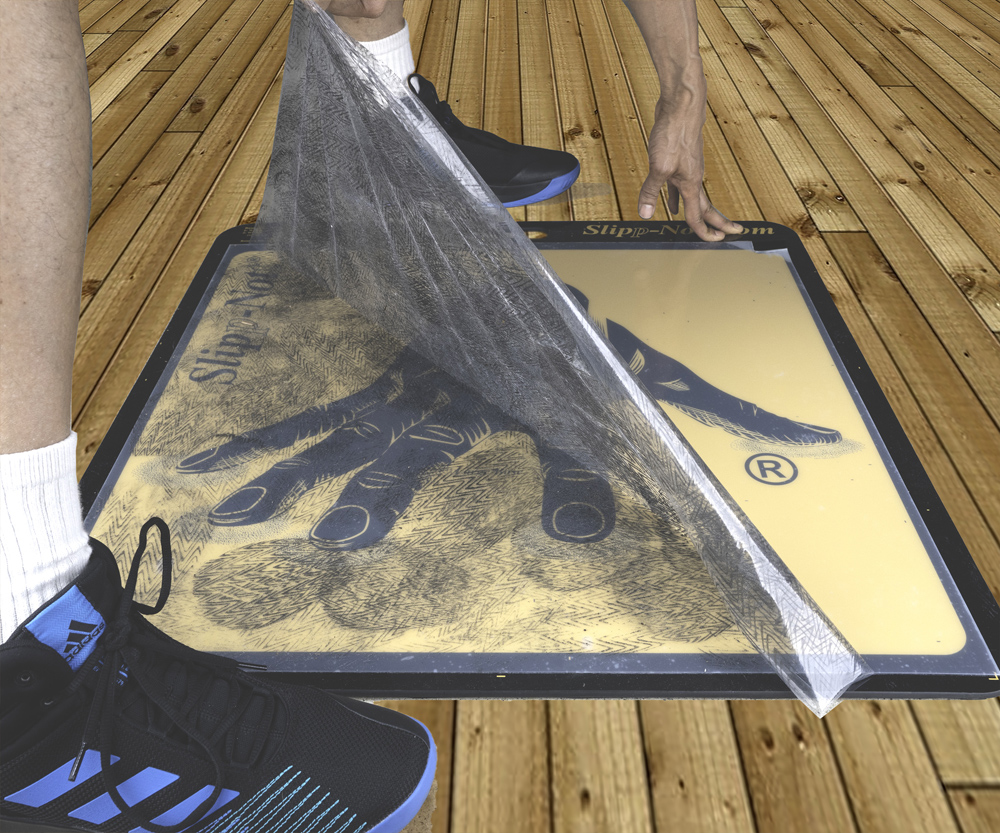
- Clean the sole regularly. Use a soft brush and warm soapy water to lift dust and court film. Let shoes dry fully before playing.
- Deep-clean stubborn gunk. Use a melamine sponge or a rubber eraser to remove built-up grime from traction grooves.
- Scuff new shoes gently. Lightly abrade glossy areas with a fine abrasive pad to open the surface and improve bite.
- Apply traction pads or sole stickers. These add rubber contact where your sole is worn. They are quick to fit and reversible.
- Use a tacky sole spray or grip enhancer for short-term boost. Spray evenly and test before full-contact play.
- Try a rosin bag or rosin powder for short drills. It adds stick but can be messy and wears off fast.
- Avoid silicone-based sprays and furniture polish. They can make soles slick and reduce grip permanently.
I once sprayed a water-repellent by mistake and lost traction for a whole half. I learned to test any product on one area first. I also found that combining a clean sole with a traction pad and a light spray often gives the most reliable feel.
PAA-style questions
Will cleaning my shoes really improve traction?
Yes. Court dust and sweat build a slick film that kills grip. Cleaning often restores most of the original traction.
Is it safe to scuff the sole of my new shoes?
Yes if done lightly. Use a fine pad and avoid deep cuts that change sole structure.
How long does a sole spray last?
Most sprays work for one session to a few games. Reapply as needed and test before critical play.

Longer-term modifications and custom options
If you want lasting change, consider resoling or a custom sole swap. These are more costly but durable.
- Resoling with a gum or sticky rubber can restore original bite and extend shoe life.
- A cobbler can glue on a full new outsole or add targeted rubber in wear zones.
- Some players invest in aftermarket gum soles or custom Vibram-style outsoles for indoor play.
- Expect costs from modest to high depending on materials and labor.
When quick fixes fade, longer options explain how to make basketball shoes more grippy long term. Resoling is a top way to make basketball shoes more grippy without buying new shoes.

Cleaning and maintenance routine for lasting grip
A steady, simple routine keeps soles working well. Small steps add up.
- Daily: Wipe the sole with a dry towel after play to remove court dust.
- Weekly: Give a light soap-and-water clean and use a brush in grooves.
- Monthly: Inspect wear patterns and replace pads or consider resoling if traction is uneven.
A steady routine keeps how to make basketball shoes more grippy simple and effective. Proper storage away from heat helps preserve rubber.

When to replace shoes vs repair
Know when to repair and when to replace. Worn traction can be dangerous.
- Replace if the midsole feels dead or cushioning collapses. Grip won’t help lost support.
- Repair if the outsole still has thickness but the tread is worn smooth. Resoling is possible.
- Replace if the shoe delaminates or has structural tears near the toe or heel.
If you’re asking how to make basketball shoes more grippy, first check whether the shoe still supports your foot. Grip fixes won’t fix broken structure.
Frequently Asked Questions of how to make basketball shoes more grippy
What is the fastest way to improve traction before a game?
Clean the soles with a dry brush and a melamine sponge to remove dust and scuffs. Then add a traction pad or light sole spray for an extra boost.
Can I use tape to make my shoes grippier?
Grip tape can work short-term but may peel and leave residue. Use it sparingly and test on one shoe first.
Does scuffing ruin my shoes?
If you scuff lightly, you open the surface for better bite without serious damage. Heavy or deep abrasion can shorten sole life.
Are outdoor shoes fixable for indoor use?
Outdoor soles are harder and less sticky indoors. You can add traction pads or get a resoling job, but a true indoor gum sole often outperforms converted shoes.
How often should I clean my basketball shoe soles?
Wipe soles after every session and deep clean weekly if you play often. Regular care preserves grip and shoe life.
Conclusion
Improving traction is about quick fixes, steady care, and smart upgrades. Clean well, use targeted products like traction pads and safe sprays, and consider resoling for a lasting change. Start with the simplest steps today: clean your soles, test a pad or spray, and note what feels best during play. Try one change at a time, share what worked for you, and come back to refine your setup. Leave a comment with your favorite grip fix or subscribe for more shoe and court tips.

Rubel Miah is the Senior Editor at MyStyleGrid.com, where he brings a sharp editorial eye and an unshakable love for fashion to everything he does. A true style addict, Rubel lives and breathes trends, from streetwear to high fashion, and has a knack for turning inspiration into impactful stories. With years of experience in fashion journalism and digital media, he curates content that empowers readers to express themselves through style. When he’s not editing features or forecasting the next big thing, you’ll find him hunting down vintage pieces or capturing street style moments around the city.