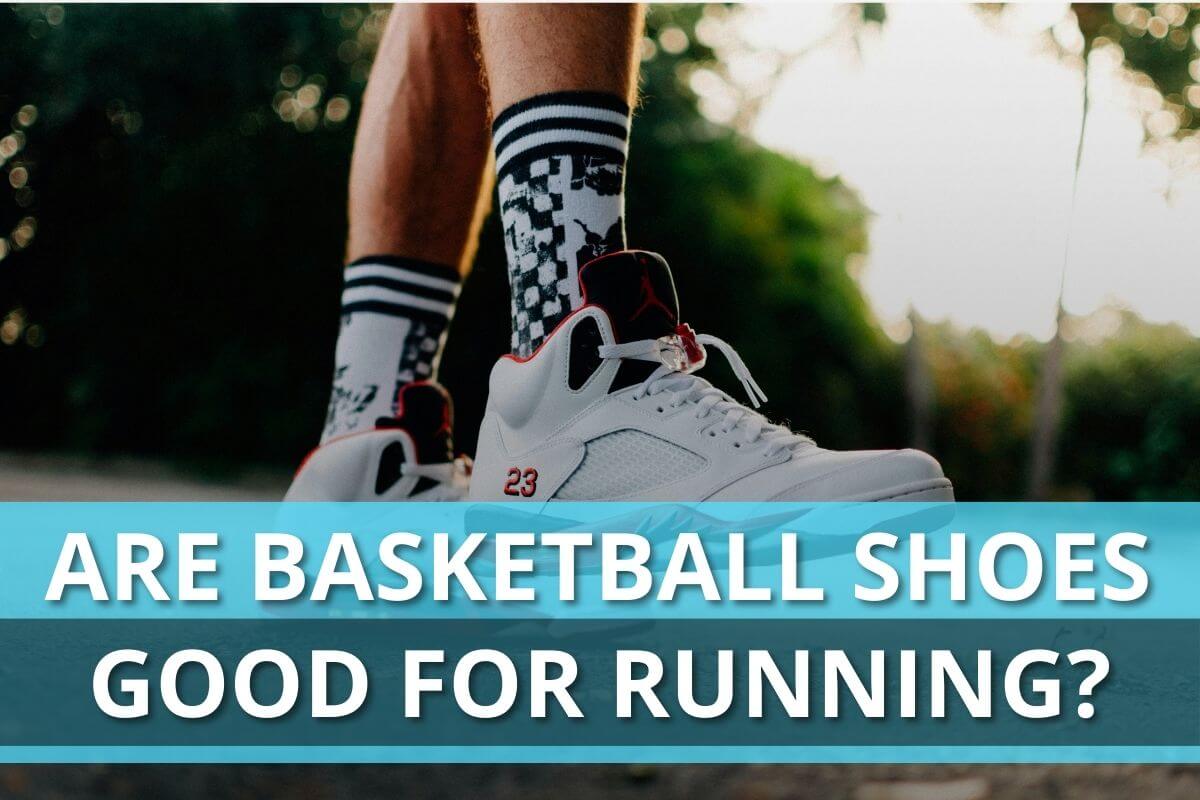
No — basketball shoes are not ideal for regular running; they may work for short bursts but limit comfort and speed.
I’ve tested many shoes and worked with runners and athletes. I know how shoe design affects motion, impact, and injury risk. This article answers “are basketball shoes good for running” with clear facts, real tests, and practical tips so you can choose the right shoe for your goals. Read on to learn when basketball shoes can do the job, when they can’t, and how to avoid common mistakes.
How basketball shoes differ from running shoes
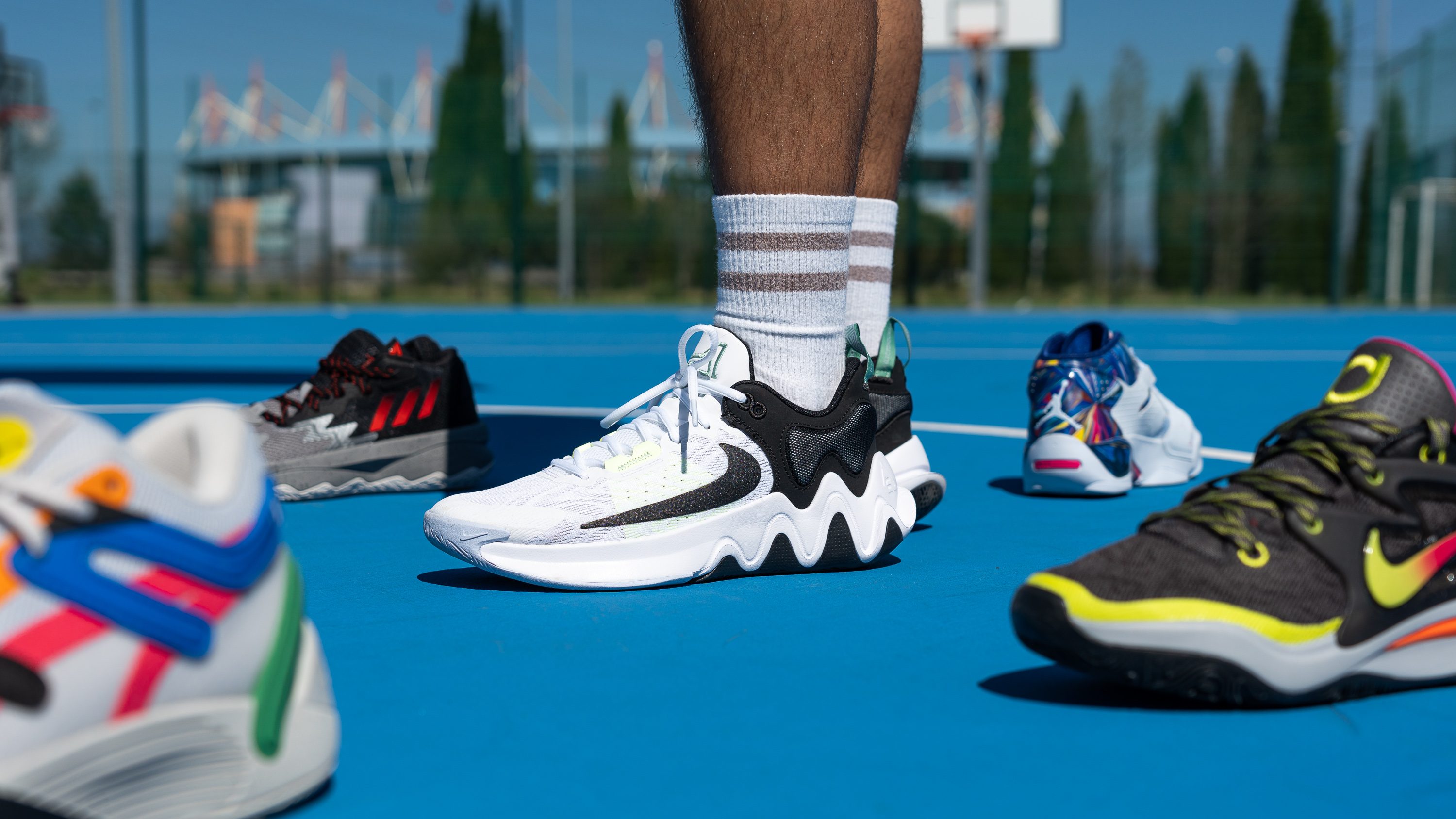
Basketball shoes focus on court needs. They add ankle support, a flat sole, and lateral stability. These features help quick cuts, jumps, and landings. Running shoes focus on forward motion. They add cushioning, a rocker profile, and lighter weight to absorb repeated heel or forefoot strike.
Key design differences
- Midsole cushioning: Running shoes use foams tuned for repeated impacts; basketball shoes use firmer foams for stability.
- Outsole pattern: Basketball soles grip in multiple directions; running soles are made for straight-line traction.
- Weight: Basketball shoes are often heavier due to padding and support.
- Ankle design: Basketball shoes often have high collars for support; running shoes favor low collars for freedom of motion.
Why design matters for running
- Energy return: Running shoes return energy to help longer runs.
- Impact absorption: Running shoes reduce stress from repeated foot strikes.
- Motion control: Running shoes guide forward stride; basketball shoes can block natural forward roll.
Can you run in basketball shoes? Practical scenarios
Short runs and casual runs
- Short runs under 2 miles: Basketball shoes can be fine for short jogs.
- Occasional use: If you run once a week for light cardio, basketball shoes are acceptable.
Speed and long runs
- Long runs over 3–5 miles: Basketball shoes start to show limits in comfort and shock protection.
- Interval or tempo runs: Extra weight and stiffer soles reduce speed and increase fatigue.
Trail or road?
- Road runs: Basketball shoes can work on road for short distances, but wear and tear may be faster.
- Trails: The sole pattern is not optimized for uneven ground. Use proper trail running shoes.
Personal note: I once jogged two miles in a pair of basketball shoes after a late practice. My feet felt fine during the run. The next day I had more soreness than usual. That taught me that short use is OK, repeated use is not.

Risks and performance differences
Injury and discomfort risks
- Increased joint stress: Harder midsoles can increase impact to knees and hips.
- Blisters and hot spots: Weight and fit can cause rubbing over miles.
- Imbalanced wear: Soles not designed for repetitive forward motion wear unevenly fast.
Performance impacts
- Slower pace: Extra weight and reduced energy return slow you down.
- Reduced cushioning: Less shock absorption on long runs leads to fatigue.
- Less efficiency: The shoe can change your natural stride and raise effort.
Evidence and expert view
- Studies and biomechanical reports show that shoes designed for the activity reduce injury risk and improve efficiency. This applies to running versus multi-directional sports shoes. Use that insight when you decide on footwear.
How to choose shoes if you run and play basketball
Decide by priority
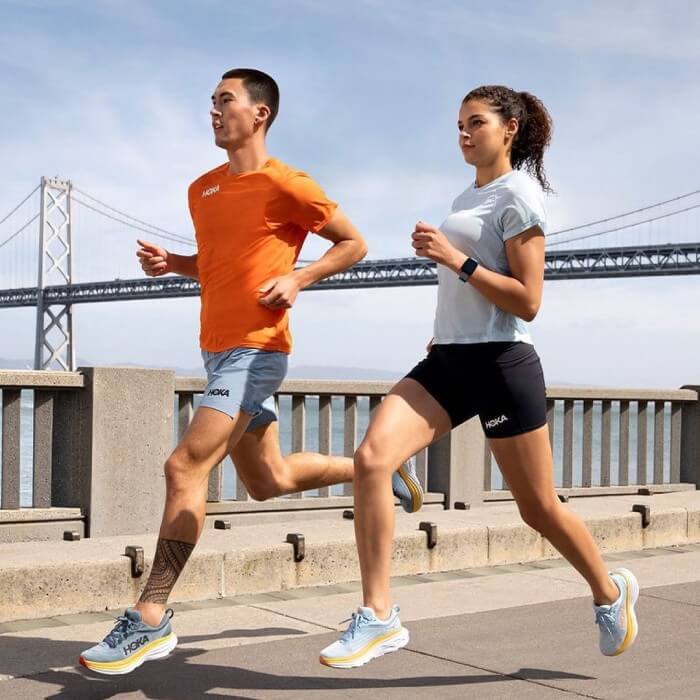
– If you run more than you play: Choose running shoes first.
- If you play more than you run: Choose basketball shoes and keep runs short.
Hybrid options
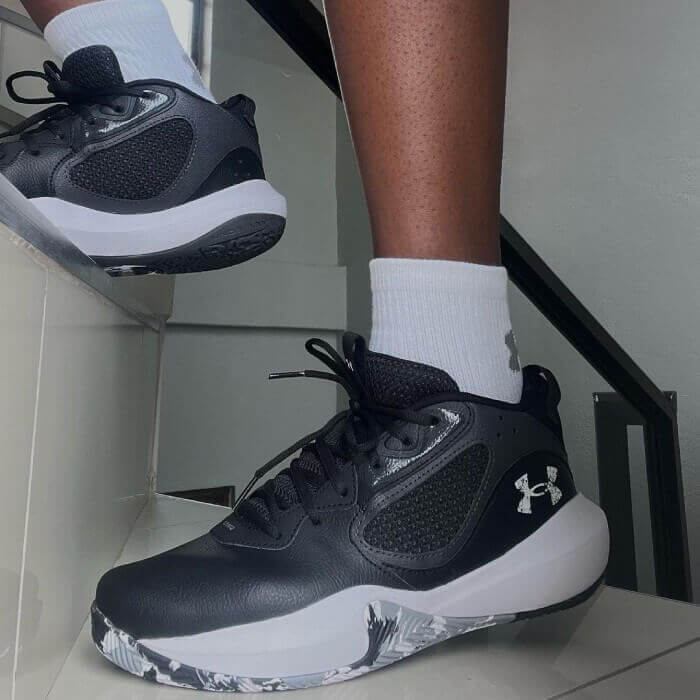
- Low-top basketball shoes: Lighter, closer to running shoes, but still have court features.
- Cushioned trainers: Cross-trainers can be a middle ground for both activities.
Fit checklist
- Fit: Snug but not tight. Thumb space at toe.
- Weight: Lighter is better for running.
- Cushion: Enough to protect knees and back on repeated runs.
- Flex: Look for a shoe that bends at the ball of the foot for running ease.
Practical tip from my experience
- Keep a second pair. Use running shoes for runs and basketball shoes for court work. This saves wear and keeps feet healthy.

Care, testing, and what to try before you commit
How to test basketball shoes for running
- Walk and jog: Try a short jog on pavement before buying.
- Test for flex: The shoe should bend at the ball of the foot, not the middle of the sole.
- Check cushioning: Jump in place. Feel how shock absorbs.
Maintenance tips
- Rotate shoes: Avoid using one pair for everything.
- Replace when worn: Running shoes last 300–500 miles; basketball shoes wear faster if used to run.
- Monitor pain: If you get knee or heel pain, stop and switch shoes.
What to avoid
- Don’t run long distances in new basketball shoes without a break-in period.
- Don’t assume high-top equals protection for running; it can restrict movement.
Frequently Asked Questions of are basketball shoes good for running
Are basketball shoes good for running long distances?
Basketball shoes are not ideal for long distances. They lack the cushioning and efficiency of running shoes, which can lead to fatigue and pain on longer runs.
Can basketball shoes cause injuries when running?
Yes, running often in basketball shoes can raise risk of joint stress, shin pain, and blisters. Proper running shoes reduce these risks by design.
Is it OK to run in basketball shoes for warm-ups?
Yes, short warm-up runs or quick jogs in basketball shoes are usually fine. Keep them brief and avoid repetitive long runs.
Do low-top basketball shoes work better for running than high-tops?
Low-tops are closer to running shoes and usually work better for short runs. High-tops add ankle support but can limit natural foot motion.
How often should I replace shoes if I run in basketball shoes?
Replace them sooner than running shoes; expect faster outsole wear and less midsole life. Watch for reduced cushioning and uneven wear as signals to replace.
Conclusion
Basketball shoes can work for short runs and occasional jogs, but they fall short for regular or long-distance running. They shine on the court but lack the cushioning, weight savings, and forward motion design of running shoes. If you value running performance, use proper running shoes and keep basketball shoes for court work. Make a small investment in the right pair and your body will thank you with fewer aches and better results. Try a short test run in each shoe, pay attention to how your body feels, and pick the shoe that matches your main activity. Leave a comment with your shoe story or subscribe for more shoe guides and real-world tips.

Rubel Miah is the Senior Editor at MyStyleGrid.com, where he brings a sharp editorial eye and an unshakable love for fashion to everything he does. A true style addict, Rubel lives and breathes trends, from streetwear to high fashion, and has a knack for turning inspiration into impactful stories. With years of experience in fashion journalism and digital media, he curates content that empowers readers to express themselves through style. When he’s not editing features or forecasting the next big thing, you’ll find him hunting down vintage pieces or capturing street style moments around the city.