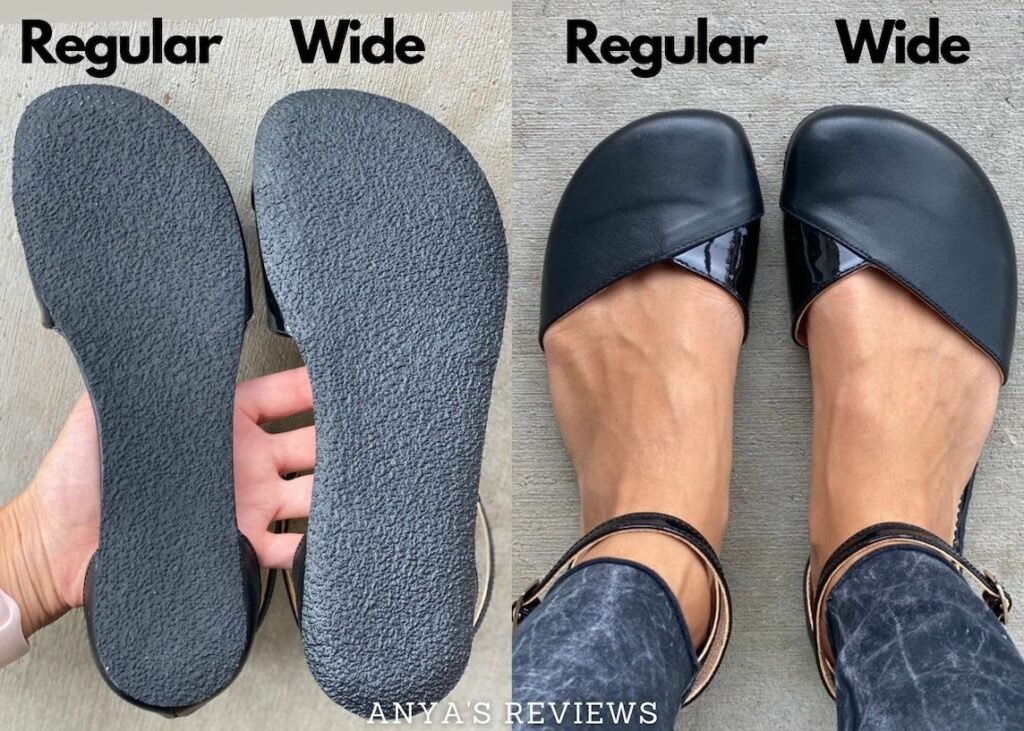
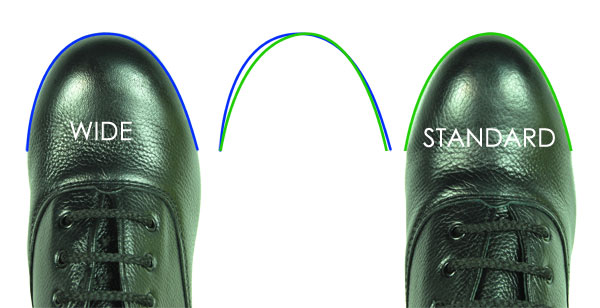
Wide shoes are generally about 1/8 to 1/4 inch (3–6 mm) wider than regular.
I’ve fitted hundreds of feet and tested many brands, so I know this topic inside out. This article answers exactly how much wider are wide shoes, explains the numbers, and shows how to measure and choose the right width for comfort and foot health. Read on for clear measurements, practical tips, brand notes, and real-world examples that make choosing wide shoes easy.

What "wide" means in shoe sizing and why it matters
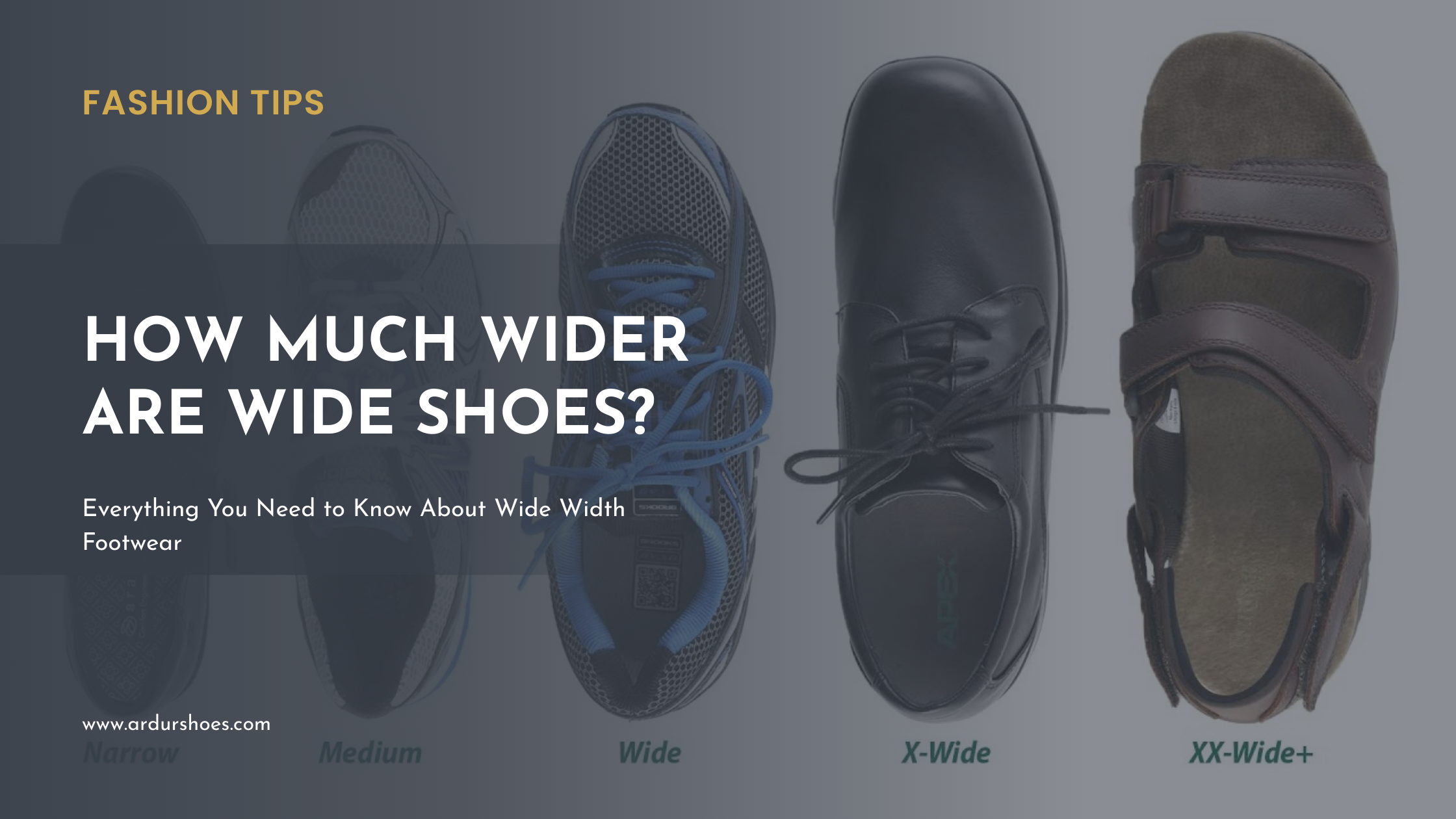
Shoe width describes how much room the shoe gives across the forefoot and ball of the foot. Standard width uses letters or codes. Wide widths add extra room to that base shape. The extra room helps with comfort, toe splay, or foot conditions. How much wider are wide shoes depends on the system the maker uses. It also depends on whether you mean "wide" or "extra wide." Expect a small but meaningful difference when you move up a width grade.
How much wider are wide shoes: numeric ranges and measurements
There are rough, commonly used ranges you can expect when asking how much wider are wide shoes. These numbers vary by brand and country, but they give a clear picture.
- Typical difference between regular and wide
- About 1/8 to 1/4 inch (3–6 mm) wider across the ball of the foot.
- Extra wide and beyond
- Extra wide sizes often add 3/8 to 1/2 inch (9–12 mm) or more compared with regular.
- Increment per width grade
- Each full width size typically increases width by about 1/8 to 1/4 inch (3–6 mm), though this varies.
Use these numbers as useful rules of thumb. They help you decide if you need a wide or extra-wide shoe.

Regional and brand differences to expect
Sizing systems are not universal. Here’s how they commonly map and why that matters.
- US men and women
- Men: Standard often D, Wide 2E, Extra wide 4E.
- Women: Standard often B, Wide D, Extra wide 2E.
- UK and European systems
- Many brands use letters or unique metrics. European sizes often use numbered widths that are less standardized.
- Brand fit varies
- Running shoe brands often run wider than formal shoe brands. Dress shoes often need a half size or a wide for the same foot width.
Because brands differ, the question how much wider are wide shoes must be paired with a brand or model to be precise. Try before you buy when possible.
How to measure your foot to know if you need wide shoes
A simple, repeatable method helps you decide accurately.
- Measure length and width
- Stand on a ruler or tracing paper. Mark longest toe and widest ball points. Measure width across the widest part.
- Use a Brannock device if available
- It measures length and width together and gives a width letter suggestion.
- Measure in the afternoon
- Feet swell slightly through the day. Measure later for best fit.
- Compare to shoe size charts
- Convert your measurements to the brand’s chart. Look for widths in mm or inches if given.
Knowing your width in millimeters makes the question how much wider are wide shoes much easier to answer in practice.

Signs you should choose a wide shoe
Picking a shoe that fits widthwise avoids pain and long-term problems. Here are clear signs.
- Tightness across the ball of the foot when standing.
- Toes feel squashed or overlap.
- Red marks or hot spots after short wear.
- Pain in bunions, hammertoes, or metatarsal area.
- Socks bunching or persistent pressure points.
If any of these occur, try a wide width. The extra 3–12 mm can make daily life more comfortable.
My experience fitting wide shoes—lessons learned
I’ve worked with people who thought a half size up would help. Often the real fix was width, not length. A few practical lessons:
- Don’t lengthen unnecessarily
- Choosing a longer shoe to gain width causes heel slip and instability.
- Try the brand’s wide option first
- Running shoes and casual shoes usually have true wide drops. Dress shoes vary more.
- Use thin socks to test fit
- Thin socks show the shoe’s native room. Add thicker socks later if needed.
- Break-in can change feel, but not width
- Leather stretches a bit. It rarely gains much width. Start with enough width from day one.
These tips cut down returns and discomfort. They also answer why people often ask how much wider are wide shoes when sizing issues persist.

Practical examples and scenarios
Real cases show how the numbers matter.
- Runner with wide forefoot
- Standard shoe pinched the ball. Switching to a wide added 1/4 inch and stopped numb toes.
- Office worker with bunions
- Dress shoe in wide saved the day. Extra width removed pressure and reduced pain after hours.
- Growing kids
- Kids may need width before length. Look for brands that offer both.
Small width gains often yield big comfort wins. That is what people mean when they ask how much wider are wide shoes in everyday life.
Choosing the right wide shoe: step-by-step
A short checklist to make a good pick.
- Measure feet in the afternoon.
- Check the brand’s width chart in mm or inches.
- Try both your regular size in wide and one half-size up in regular to compare.
- Walk on a hard surface and test for heel slip and pressure across the ball.
- Return or exchange if toes are forced or heel slips more than a thumb’s width.
Following these steps makes the answer to how much wider are wide shoes actionable and personal.

Frequently Asked Questions of how much wider are wide shoes
How much wider are wide shoes compared to regular sizes?
Wide shoes are typically about 1/8 to 1/4 inch (3–6 mm) wider across the ball of the foot; extra-wide adds more.
Will wide shoes change my shoe length?
Wide shoes usually keep the same length. Choosing width does not mean you need a longer shoe.
Can I just size up instead of getting a wide?
Sizing up can add length but often causes heel slip. Getting a true wide preserves length and improves fit.
Do all brands use the same width increments?
No. Brands vary. Width increments commonly range from 3 to 6 mm per grade, but some brands differ.
Are wide shoes only for foot problems?
No. Wide shoes help anyone with naturally wide feet, swelling, long hours on feet, or those who want more comfort.
Conclusion
Understanding how much wider are wide shoes gives you power to choose comfort and protect your feet. Wide usually means an extra 1/8 to 1/4 inch across the forefoot, and extra-wide adds more. Measure your feet, test brands, and prefer width over unnecessary length when you can. Take action today: measure your feet, check a brand chart, and try a wide option if you feel tightness. Share your experience or questions below, or subscribe for more fitting tips.

Rubel Miah is the Senior Editor at MyStyleGrid.com, where he brings a sharp editorial eye and an unshakable love for fashion to everything he does. A true style addict, Rubel lives and breathes trends, from streetwear to high fashion, and has a knack for turning inspiration into impactful stories. With years of experience in fashion journalism and digital media, he curates content that empowers readers to express themselves through style. When he’s not editing features or forecasting the next big thing, you’ll find him hunting down vintage pieces or capturing street style moments around the city.