Leave about a thumbnail's width (roughly ½ inch) of space in the toe box.
Finding the right amount of space in your shoes changes how you walk, how your feet feel, and how long your shoes last. As a footwear fitter and runner for over a decade, I’ve measured hundreds of feet and fixed many fit problems. In this guide I’ll explain how much room should i have in my shoes, how to measure it, how fit varies by shoe type, and quick fixes you can use today to get a better fit.

Why shoe room matters
Proper space in your shoes keeps toes healthy. Too little room causes blisters, black toenails, and bunions. Too much room leads to slipping, rubbing, and early wear. Shoes that fit right help your balance and comfort over long days.
Think of the toe box like a small bedroom. Your toes need a little freedom to move and breathe. This prevents pressure points and allows your foot to swell during the day. As someone who fits feet daily, I’ve seen tiny fit tweaks stop months of pain.

How much room should i have in my shoes: the thumb rule
Use this clear rule: leave about a thumbnail’s width (about ½ inch or 1.2 cm) between your longest toe and the shoe tip. This thumb rule answers the basic question of how much room should i have in my shoes for most casual, dress, and walking shoes.
Why this works:
- It allows natural forward foot movement during walking.
- It protects your toenails during downhill or quick stops.
- It accounts for foot swelling that happens during the day.
Measure with socks you plan to wear. If you run or hike, allow slightly more room to account for downhill foot slide. For narrow or wide feet, adjust width rather than length.

How to measure your feet and shoes
Follow these simple steps to check how much room should i have in my shoes accurately.
Steps to measure feet
- Stand on a piece of paper with socks you’ll wear.
- Trace the outline of your foot while standing.
- Measure from heel to longest toe in inches or centimeters.
- Repeat for both feet and use the larger measurement.
Steps to check a shoe
- Put on the shoe and stand upright.
- Press your thumb behind the heel to see how much space is at the front.
- Check that the biggest toe isn’t touching the front.
- Walk a few steps to confirm there’s no pinch or slip.
A simple test is the two-finger rule: you should fit one thumb’s width in front of your longest toe. If you can fit two, the shoe is likely too long.

Room needs by shoe type and activity
How much room should i have in my shoes changes with the shoe type and activity. Here’s a breakdown.
Running shoes
- Aim for a thumbnail to half-inch extra space in front.
- Allow extra room for long runs or downhill miles to prevent black toenails.
Walking and casual shoes
- Keep about a thumbnail’s width of space.
- If you stand all day, slightly more space can prevent pressure.
Dress shoes and boots
- Maintain the thumbnail rule, but consider insole thickness.
- Boots often need more break-in room; test with the socks you’ll wear.
Children’s shoes
- Add about a thumb’s width plus growth allowance; check fit every few months.
Specialty shoes
- For cleats, ski boots, or cycling shoes, follow manufacturer guidance and fit to activity demands rather than the general rule.

Common problems, solutions, and fit tweaks
If you still ask how much room should i have in my shoes after trying the thumb rule, these tips can help.
Problem: Shoes feel tight at the toe
- Solution: Try a half-size up or a wider width. Use stretching spray or a professional stretcher for leather.
Problem: Heel slips out
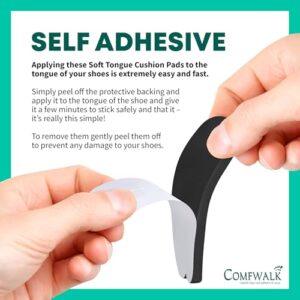
- Solution: Add a heel pad or tuck the tongue. Lacing tricks can lock the heel in.
Problem: Too much space in the toe
- Solution: Use an insole or toe insert. Consider a snugger width or one size down if length permits.
Problem: One foot is larger
- Solution: Fit to the bigger foot. Use insoles on the smaller foot if needed.
Problem: Shoes pinch your bunion or high arch
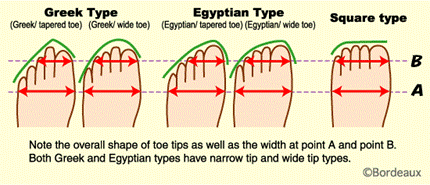
- Solution: Look for shoes with a wide toe box and arch-friendly insoles. Custom orthotics help many people.

Personal experience and pro tips
When I started fitting shoes, I saw many people buy shoes that were too small. One client thought she needed the same size she wore in her teens. After measuring, she needed a full size larger. That simple change stopped daily pain.
Practical tips from the field
- Measure feet later in the day when they are slightly larger.
- Bring the socks you plan to wear when trying shoes.
- Walk on different surfaces in-store to test comfort.
- Break in new shoes gradually, especially for running and hiking.
I once fixed a runner’s recurring blisters by moving from a narrow racing shoe to a shoe with a wider toe box and the same length. The blister disappeared within two runs.

Small Q&A: fast answers you want now
What if my toe just barely touches the front? Try a half-size up. If the touch is only when standing, check while walking.
Can I use insoles to fix length? Insoles help with fit but are best for minor adjustments. For large length differences, change size.
How much extra room for long hikes? Add about a quarter to a half inch more than the thumbnail rule for long hikes and downhill trails.

Frequently Asked Questions of how much room should i have in my shoes
How do I know if my shoes are too short?
If your longest toe presses the shoe front while standing or during walking, the shoe is too short. Pain or blackened toenails are signs of repeated pressure.
Can I wear shoes without any space at the toes?
No. Shoes with no toe space cause pressure, nerve pain, and nail damage. Always leave at least a thumbnail’s width of room.
Is the thumb rule the same for men and women?
Yes. The thumbnail-width rule applies to all genders, though foot shapes and widths differ. Use width changes if length feels right.