Tie high tops snugly with a criss-cross or ankle-lock method for support and comfort.
I’ve spent years styling and lacing high top shoes for sports, streetwear, and daily wear. This guide on how to tie high top shoes walks you through easy, proven methods. You’ll get step-by-step instructions, tips for fit and foot health, common mistakes to avoid, and simple variations for looks or performance. Read on to learn practical, tested ways to lace and tie high tops so your shoes feel better and last longer.

Why proper lacing matters for high tops
Tying high top shoes well changes fit, feel, and safety. High tops cover the ankle. That adds more lace eyelets. Proper lacing controls pressure across the foot. It keeps the ankle stable. It also helps prevent blisters and keeps shoes from sliding.
Benefits of learning how to tie high top shoes
- Better ankle support for sports or walking.
- Improved comfort and fewer pressure points.
- Cleaner look that matches your style.
- Longer life for laces and eyelets when tied right.
Who should read this guide
- Runners and hoopers who use high tops.
- Skaters and hikers who need secure fit.
- Style fans who want crisp lacing.
- Anyone who finds high tops hard to tie.

Source: youtube.com
Materials: picking laces and shoes for best results
Not all laces or shoes are the same. Choose the right lace for comfort and hold.
Lace types and when to use them
- Flat cotton laces: Good grip and classic look.
- Round waxed laces: Slip less; good for athletic use.
- Elastic no-tie laces: Best for easy on/off or for kids.
- Thicker laces: Spread pressure and feel softer across the foot.
Shoe considerations
- Eyelet spacing: Wider spacing needs longer laces.
- Number of eyelets: More eyelets can mean tighter ankle control.
- Tongue padding: Keep tongue centered to avoid pressure.

Source: amazon.com
Step-by-step: Classic criss-cross method (most common)
The criss-cross is simple and secure. It’s the default for most high top shoes.
What you need
- A clean pair of laces of proper length.
- Shoes on your feet or ready to be laced.
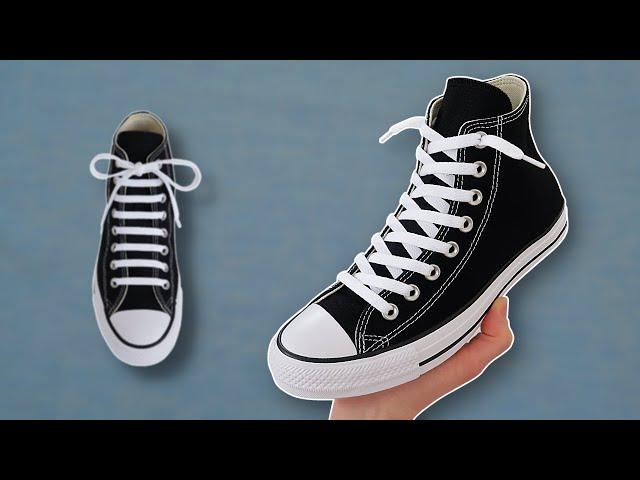
Steps to tie high top shoes with criss-cross
- Thread laces straight across the bottom eyelets so ends are even.
- Cross the lace ends and thread them up through the next eyelet on the opposite side.
- Repeat criss-crossing until you reach the top eyelets.
- For a snug ankle, thread the laces through the final eyelets toward the back to create a loop on each side (optional).
- Tie a secure bow or double knot and tuck excess lace if needed.
When to use this method
- Daily wear and casual sports.
- When you want a clean, fast lacing method.
Personal tip from experience
I use the criss-cross for street wear. It looks neat and is quick when I’m in a rush. If I need more ankle hold, I add the loop-through at the top.

Step-by-step: Ankle-lock (heel-lock) for extra support
The ankle-lock is key for runners and athletes who need to stop heel slip.
Why it helps
- Locks the heel down.
- Reduces blisters from heel movement.
- Adds ankle stability without overtightening forefoot.
How to tie high top shoes using the ankle-lock
- Lace criss-cross up to the second-to-last eyelets.
- Instead of crossing, feed each lace tip through the top eyelet on the same side to create two loops.
- Cross the lace tips and thread them through the opposite loops.
- Pull tight to lock the heel in place.
- Tie your bow as usual.
When to use ankle-lock
- Running in high tops.
- Court sports or quick-direction work.
- Any time you feel your heel slide.

Source: amazon.com
Style variations: ladder, straight (European), and decorative laces
Want a look or a specific fit? Try these variations.
Ladder lacing
- Creates a tight, flat bar across the tongue.
- Good for narrow feet and style.
Straight (European) lacing
- Gives a clean top look.
- Reduces diagonal pressure marks on the foot.
Checkerboard or decorative lacing
- Mix two colors to create patterns.
- Use for fashion statements, not performance.
How to decide which to use
- Choose ladder for snug mid-foot feel.
- Choose straight for a tidy top appearance.
- Pick decorative for style days or casual wear.

Source: youtube.com
Fit, comfort, and safety tips
Tying high top shoes is about balance. Don’t over-tighten or leave them loose.
Fit checklist
- Tighten from bottom to top, adjusting each cross evenly.
- Make sure toes have room to wiggle slightly.
- Use ankle-lock if your heel lifts.
- Check for hot spots after a short walk and retie if needed.
Safety and foot health
- Podiatrists advise even pressure to avoid nerve pain.
- Replace laces when frayed to prevent sudden breaks.
- If you have circulation issues, avoid overly tight lacing near the ankle.
Quick Q&A (PAA-style)
- How tight should high tops be tied? Tie them snug but not painful; aim for firm hold with natural toe movement.
- Will tighter lacing improve ankle support? Yes, tighter lacing around the ankle adds support but avoid cutting off circulation.
- Are elastic laces safe for high-top sports? Elastic laces are fine for casual play but may not hold as tightly for high-impact sports.

Source: amazon.com
Common mistakes and how to avoid them
A few small errors cause big discomfort. Fix these to get the best out of your high tops.
Common mistakes
- Tying only the top tight: Causes pressure on the top of the foot and heel slip.
- Skipping eyelets: Leads to uneven pressure and loose fit.
- Using very thin worn laces: They break or dig into the foot.
- Over-tightening: Cuts circulation and causes pain.
How to avoid these mistakes
- Tighten from bottom to top, testing comfort as you go.
- Replace laces before they fray.
- Try different lacing patterns if pain persists.

Source: youtube.com
Maintenance: laces, eyelets, and shoe care
Small care steps extend life and comfort.
Lace care tips
- Wash laces in a mesh bag on gentle cycle or replace them.
- Keep spare laces in your bag for quick swaps.
Eyelet and shoe care
- Clean eyelets to avoid rust or buildup.
- Use a shoehorn to protect heel counters while putting shoes on.
When to replace laces or shoes
- Replace laces when frayed or thin.
- Replace shoes when cushioning or support breaks down.

Source: billyfootwear.com
Personal experiences and lessons learned
I’ve laced dozens of high tops for friends and clients. Here are real lessons.
What worked for me
- The ankle-lock fixed many heel slip problems during runs.
- Switching to waxed round laces reduced re-tying for skateboard sessions.
- Ladder lacing helped a narrow-footed friend stop forefoot sliding.
Mistakes I made
- Once I tightened the top too much and had numb toes for hours. I learned to test circulation after tying.
- I used old thin laces for a tournament; one broke mid-game. Now I always bring backups.
Practical takeaway
- Try one new method at home. Walk and move for five minutes. Adjust until it feels right.
Frequently Asked Questions of how to tie high top shoes
How long should my laces be for high top shoes?
Lace length depends on eyelets: 54–63 inches is common for 6–7 eyelet high tops; 70–72 inches for 8–9 eyelets. Measure your shoe or try a slightly longer lace if you like knots or loops.
Can I use elastic no-tie laces in high tops for sports?
Elastic laces work for casual sports and easy on/off. For high-impact play, they can be less secure than tied laces, so choose based on your sport’s needs.
How do I stop heel slip in high top shoes?
Use the ankle-lock heel-lock technique and tighten the lower eyelets snugly. That combination locks the heel and cuts down on movement.
Will tighter lacing reduce ankle injuries?
Tighter lacing around the ankle helps stability but cannot replace proper training and supportive footwear. Use correct lacing as one part of injury prevention.
How often should I retie my high top shoes during activity?
Check fit after 10–15 minutes of activity. Retie if you feel looseness, pressure, or hot spots. A brief retie keeps comfort and safety high.
Conclusion
Learning how to tie high top shoes is simple and impactful. Use the criss-cross for daily wear, the ankle-lock for sports, and ladder or straight lacing for style or fit tweaks. Test methods, pay attention to comfort, and swap laces or shoes when they wear. Try one technique today, walk around for a few minutes, and adjust until it feels right. If this helped, leave a comment, share your favorite lacing style, or subscribe for more practical shoe and style tips.

Rubel Miah is the Senior Editor at MyStyleGrid.com, where he brings a sharp editorial eye and an unshakable love for fashion to everything he does. A true style addict, Rubel lives and breathes trends, from streetwear to high fashion, and has a knack for turning inspiration into impactful stories. With years of experience in fashion journalism and digital media, he curates content that empowers readers to express themselves through style. When he’s not editing features or forecasting the next big thing, you’ll find him hunting down vintage pieces or capturing street style moments around the city.