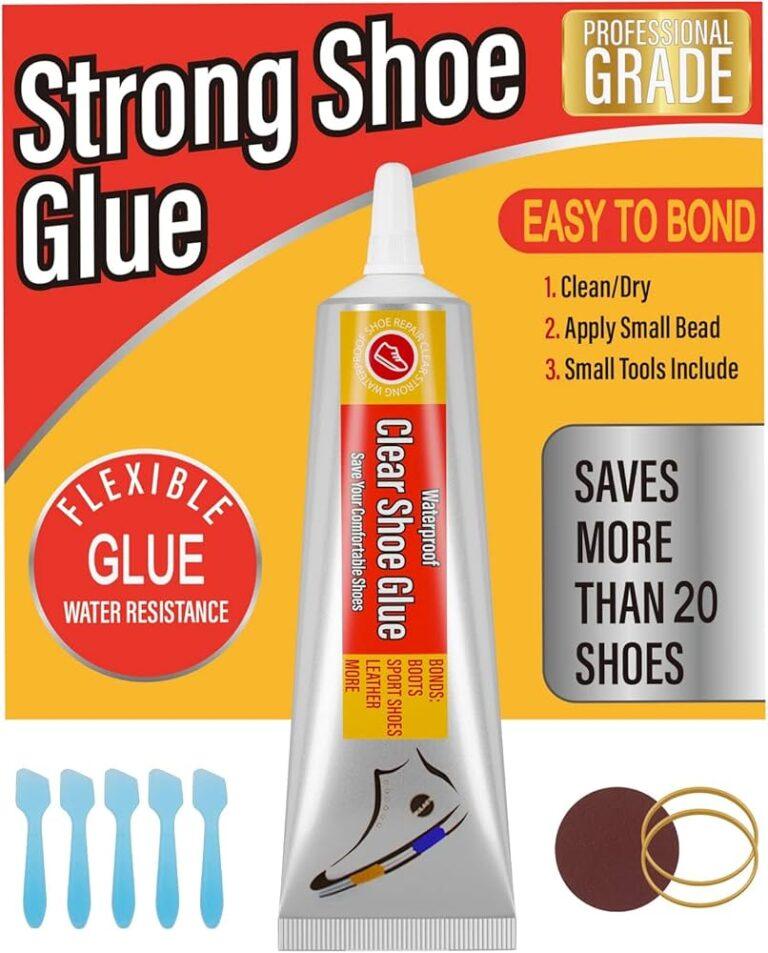
Urethane-based adhesives (flexible, waterproof urethane glue) are usually the best choice.
I’ve repaired dozens of boots and sneakers, so I’ll cut to the chase and explain what is the best glue for shoe sole repair and why. I’ll guide you through the types of adhesives, match them to materials, walk you step-by-step through a reliable repair, and share tips from real repair work. Read on and you’ll be able to pick the right glue and fix soles that last.
Why the right glue matters
Choosing the right adhesive changes a temporary fix into a long-lasting repair. Shoes bend, flex, and meet water and dirt. A good glue must stay flexible, bond different materials, and resist moisture.
When people ask what is the best glue for shoe sole repair, they usually mean: which adhesive combines strength, flexibility, and durability. That’s why I stress material match and cure properties. A rigid glue that cracks under flex will fail fast. A flexible, moisture-resistant glue tends to last.

Types of glues for shoe sole repair
Understanding glue types helps you pick the right product for the job. Below are the main families and what they do best.
-
Urethane adhesives
Flexible, waterproof, bonds rubber, leather, and many synthetics. Best for most sole reattachment jobs. -
Contact cements
Fast, strong bond for leather and vinyl. Needs careful alignment and clamping. -
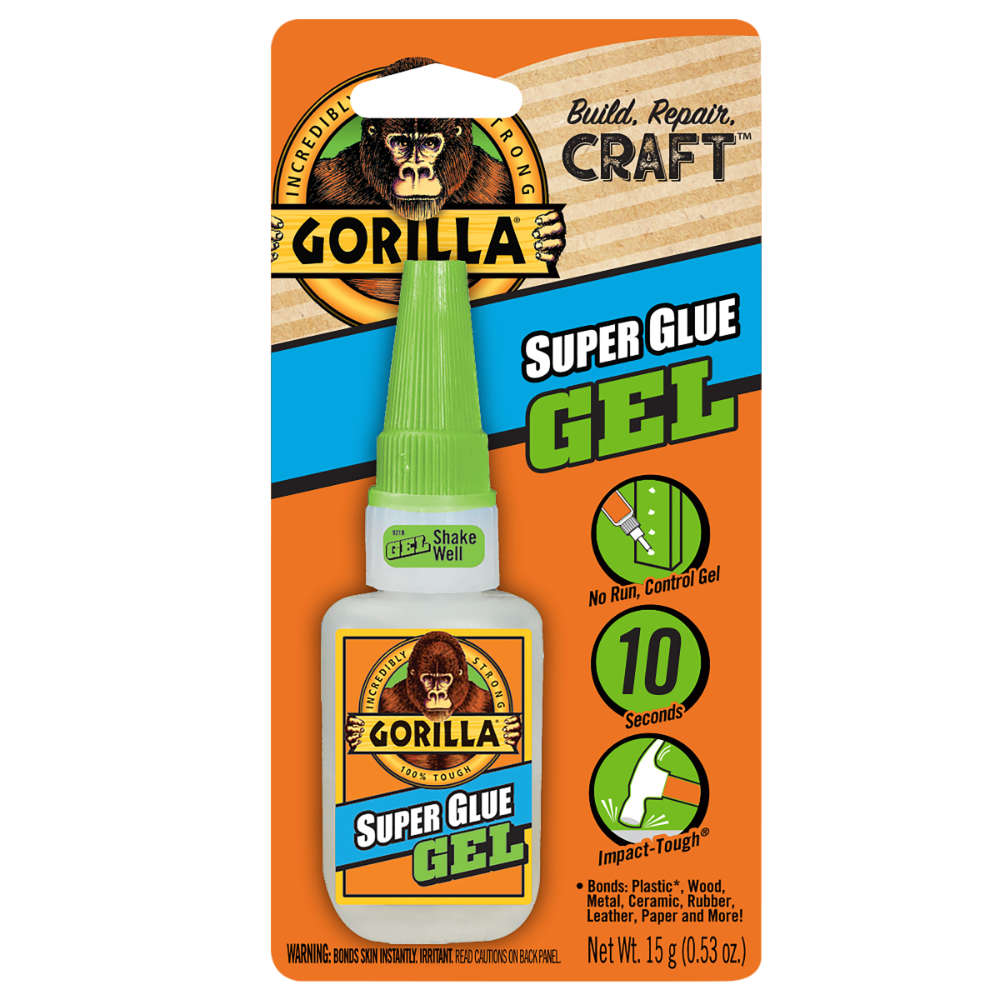
Cyanoacrylate (super glue) with flexible formulas
Fast-setting for small tears and quick fixes. Not ideal for high-flex areas unless designed for rubber. -
Epoxy adhesives
Very strong and rigid. Good for structural fixes but poor where repeated bending occurs. -
Rubber cement and solvent-based glues
Good for temporary bonds and craft repairs. Often weaker and less durable for soles. -
Hot-melt adhesives
Fast and convenient. Can fail with heat or heavy flex, depending on the formulation.
Each type answers different repair needs. When deciding what is the best glue for shoe sole repair, pick the glue family that matches the shoe material and the stress the sole will face.

Best glue choices and practical recommendations
If you want a short buying guide for what is the best glue for shoe sole repair, here’s how to think about it.
-
Best overall for soles: Urethane-based adhesive
Why: strong, flexible, waterproof. Works on rubber, leather, and many synthetics. Good cure time and durability. -
Best for leather and vinyl: Contact cement
Why: bonds quickly and holds well under shear stress. Use when both surfaces are non-porous or leather. -
Best for quick small fixes: Flexible cyanoacrylate or super glue with activator
Why: instant hold for isolated tears or sole edges. Use sparingly for long-term fixes. -
Avoid epoxy for flexible soles
Why: too rigid; can crack when the shoe bends. Use only for broken rigid components.
From my experience fixing hiking boots and daily sneakers, urethane adhesives gave the most reliable results. I used contact cement on a leather sole job with great hold, but the alignment had to be perfect. Super glue saved a shoe at an event, but it eventually re-opened on high-flex areas.
Choosing glue by shoe material
Match glue type to material for the best result. Here’s a quick guide addressing common materials.
-
Rubber soles
Use urethane adhesives or specialized rubber glues. They bond well and stay flexible. -
EVA and foam midsoles
Use flexible urethane or adhesives formulated for foam to avoid melting or weak bonds. -
Leather soles and uppers
Contact cement performs well. Urethane also works and adds water resistance. -
Thermoplastic soles (TPU, EVA blends)
Choose adhesives formulated for plastics or urethane-based products that list plastic compatibility. -
Synthetics and fabric uppers
Use urethane or fabric glues designed for stretch and wash resistance.
When you ask what is the best glue for shoe sole repair for your specific shoe, identify the sole material first and then pick the recommended glue family.

Step-by-step: how to repair a shoe sole properly
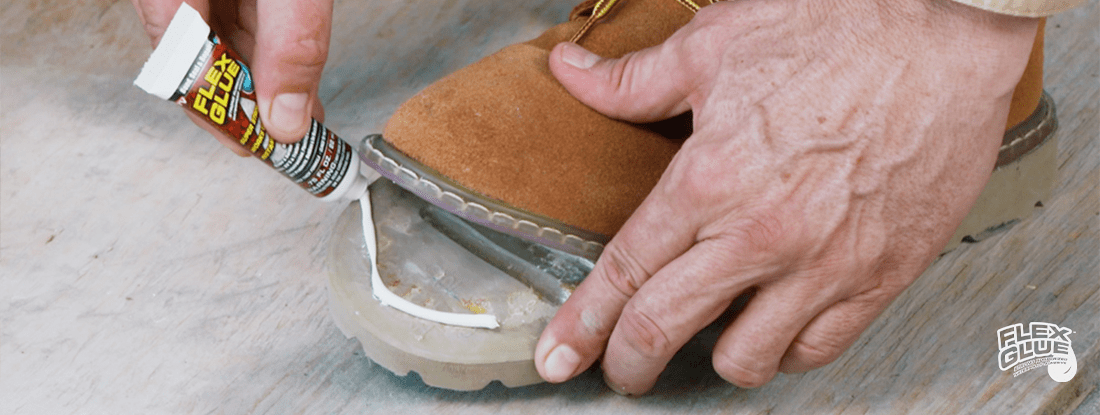
Follow these steps to maximize bond strength and durability.
-
Prepare and clean
- Remove dirt, old glue, and loose material with a brush and rubbing alcohol.
- Let surfaces dry completely.
-
Sand the surfaces lightly
- Use coarse sandpaper to scuff smooth soles. This improves adhesion.
-
Apply the adhesive correctly
- For urethane: apply a thin, even bead to one or both surfaces per product instructions.
- For contact cement: apply to both surfaces, let tack, then join.
- For cyanoacrylate: use sparingly and press edges together quickly.
-
Align and clamp
- Press pieces together and clamp with weight or a clamp for the recommended cure time.
- Keep pressure even and avoid gaps.
-
Cure and trim
- Let the glue fully cure before wearing. Urethane may need 12–24 hours; contact cement less.
- Trim any excess with a sharp blade once cured.
-
Test and finish
- Flex the shoe gently to check the bond. Add edge sealant or shoe polish as needed.
I once repaired a hiking boot by cleaning extensively and using a urethane adhesive. I clamped overnight and wore the boot on a long hike with no failure. Proper prep and cure time made the difference.
Common mistakes and maintenance tips
Avoiding mistakes saves time and ensures a long-lasting repair.
-
Mistake: skipping prep
Cleaning and sanding are essential. Old glue and dirt weaken new bonds. -
Mistake: using the wrong glue family
A rigid glue will crack on flexible soles. Match flexibility. -
Mistake: not clamping long enough
Early stress breaks bonds. Follow cure times. -
Tip: use small test patches
Test glue on a hidden area to check compatibility and color changes. -
Tip: carry a small repair kit
A tube of urethane or flexible super glue, clamps, and sandpaper can save a shoe on the road.
Safety note: work in a ventilated area and follow manufacturer directions for gloves and ventilation.

Quick practical questions (PAA-style)
How long does shoe glue take to cure?
Most urethane adhesives take 12 to 24 hours to reach a good cure. Contact cements tack faster but may still need 24 hours for full strength.
Can super glue fix a sole permanently?
Super glue can hold small areas temporarily, but it often fails on high-flex areas. Use it for quick fixes, not heavy-duty sole reattachment.
Is Shoe Goo the best option?
Shoe Goo is a urethane-like adhesive that works for many repairs, but the best glue depends on material and use. Consider product specs and compatibility.
Frequently Asked Questions of what is the best glue for shoe sole repair
What type of glue is best for rubber soles?
Urethane-based adhesives are best for rubber soles because they stay flexible and waterproof, providing a strong, lasting bond.
Can I use super glue on my sneaker sole?
You can use super glue for small, low-flex spots, but it is not ideal for large flexible joints as it may become brittle and fail.
How do I make a sole repair waterproof?
Choose a waterproof urethane adhesive and ensure full contact and proper curing. Seal edges with an edge sealant if needed.
Will contact cement work for a shoe sole?
Contact cement works well for leather and vinyl soles, especially when a strong immediate bond is needed, but alignment must be precise.
How long should I clamp a glued sole?
Clamp or press the joint steadily for at least the time recommended by the adhesive—often 1 to 4 hours—then let the glue cure fully for 12 to 24 hours.
Can I fix a split sole at home?
Yes. Clean, sand, use the correct adhesive (usually urethane), clamp properly, and allow full cure. For complex structural breaks, consider a cobbler.
Conclusion
Choosing what is the best glue for shoe sole repair comes down to matching glue properties to the shoe material and the stress it will face. Urethane-based adhesives are the most versatile choice for durable, flexible, and water-resistant repairs. Prepare surfaces, apply carefully, clamp correctly, and allow adequate cure time to get the most out of your repair.
Try a small test repair, pick the right product, and treat the process like a small project—clean work and patience pay off. If you found this helpful, leave a comment with your shoe type and problem, subscribe for more repair guides, or try a repair and share your results.

Rubel Miah is the Senior Editor at MyStyleGrid.com, where he brings a sharp editorial eye and an unshakable love for fashion to everything he does. A true style addict, Rubel lives and breathes trends, from streetwear to high fashion, and has a knack for turning inspiration into impactful stories. With years of experience in fashion journalism and digital media, he curates content that empowers readers to express themselves through style. When he’s not editing features or forecasting the next big thing, you’ll find him hunting down vintage pieces or capturing street style moments around the city.