Hard soled shoes are footwear with stiff, firm outsoles that support the foot and resist bending.
Hard soled shoes show up everywhere, from dress shoes and boots to work shoes and some orthopedic styles. If you have ever wondered why they feel different from sneakers, or when they actually help, this guide breaks it down in plain English with practical advice, real-world context, and the details you need to choose the right pair.
What Are Hard Soled Shoes?
Hard soled shoes are shoes built with a rigid or semi rigid outsole. The sole does not flex much when you press or bend it. That firmness can come from leather, rubber, wood, resin, thermoplastic materials, or layered construction.
In simple terms, hard soled shoes act more like a stable platform under your foot. They are often used for formal wear, safety needs, posture support, and certain foot conditions. I have found that people usually notice the difference the first time they try to bend the shoe in half. A soft sneaker gives. A hard soled shoe resists.
Hard soled shoes are not the same as “comfortable” or “uncomfortable” by default. Comfort depends on fit, shape, cushioning, arch support, and how the shoe matches the job. A well made hard soled shoe can feel supportive and efficient, while a poor one can feel stiff and tiring.
How Hard Soled Shoes Are Built
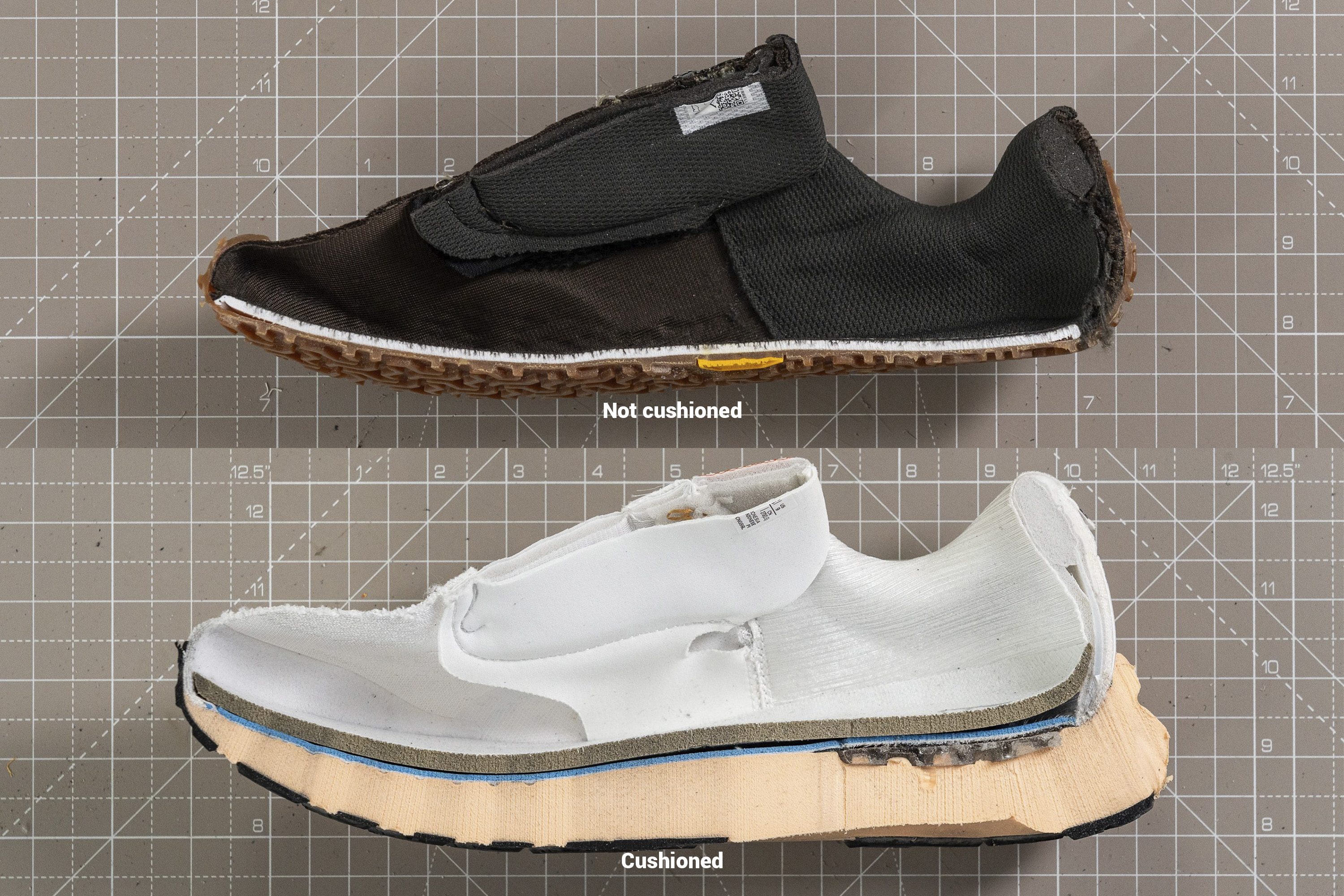
The feel of a hard soled shoe starts with the materials and the construction. A shoe can have a hard outsole but still feel fine inside if the midsole, insole, and upper are designed well.
Common parts include:
- Outsole: The bottom layer that touches the ground and gives grip
- Midsole: The layer that absorbs some shock and adds structure
- Insole: The inside layer under your foot
- Shank: A supportive piece that helps hold the arch and limits twisting
- Upper: The part that covers the top of the foot
A shoe becomes “hard soled” when the outsole and overall structure resist flex. Dress shoes often use leather or leather like soles. Work boots may use thick rubber or composite materials. Some orthopedic shoes use a firm sole to reduce motion and protect sensitive feet.
From experience, many people focus only on the outer sole. That is a mistake. The real feel comes from the whole build. A stiff outsole with a well shaped footbed can feel much better than a soft sole with no support.
Common Types of Hard Soled Shoes
Hard soled shoes come in many forms, and the right type depends on your needs.
Dress shoes
These are common for offices, events, and formal settings. Oxfords, derbies, loafers, and brogues often have firm soles that hold shape and look polished.
Work shoes and boots
Many industrial and trade shoes use hard soles for durability, traction, and protection. Some include slip resistance, puncture resistance, or safety toes.
Orthopedic shoes
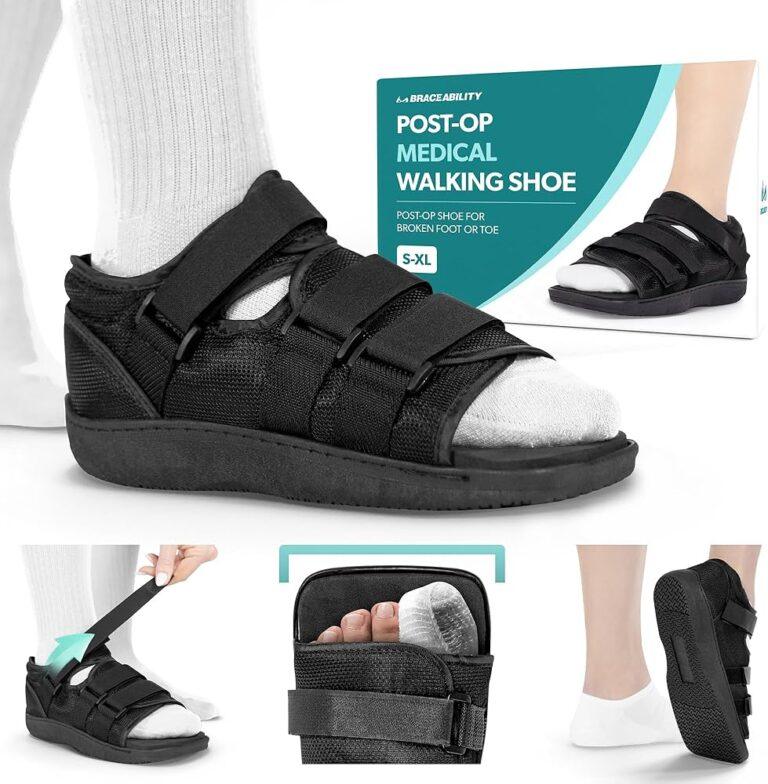
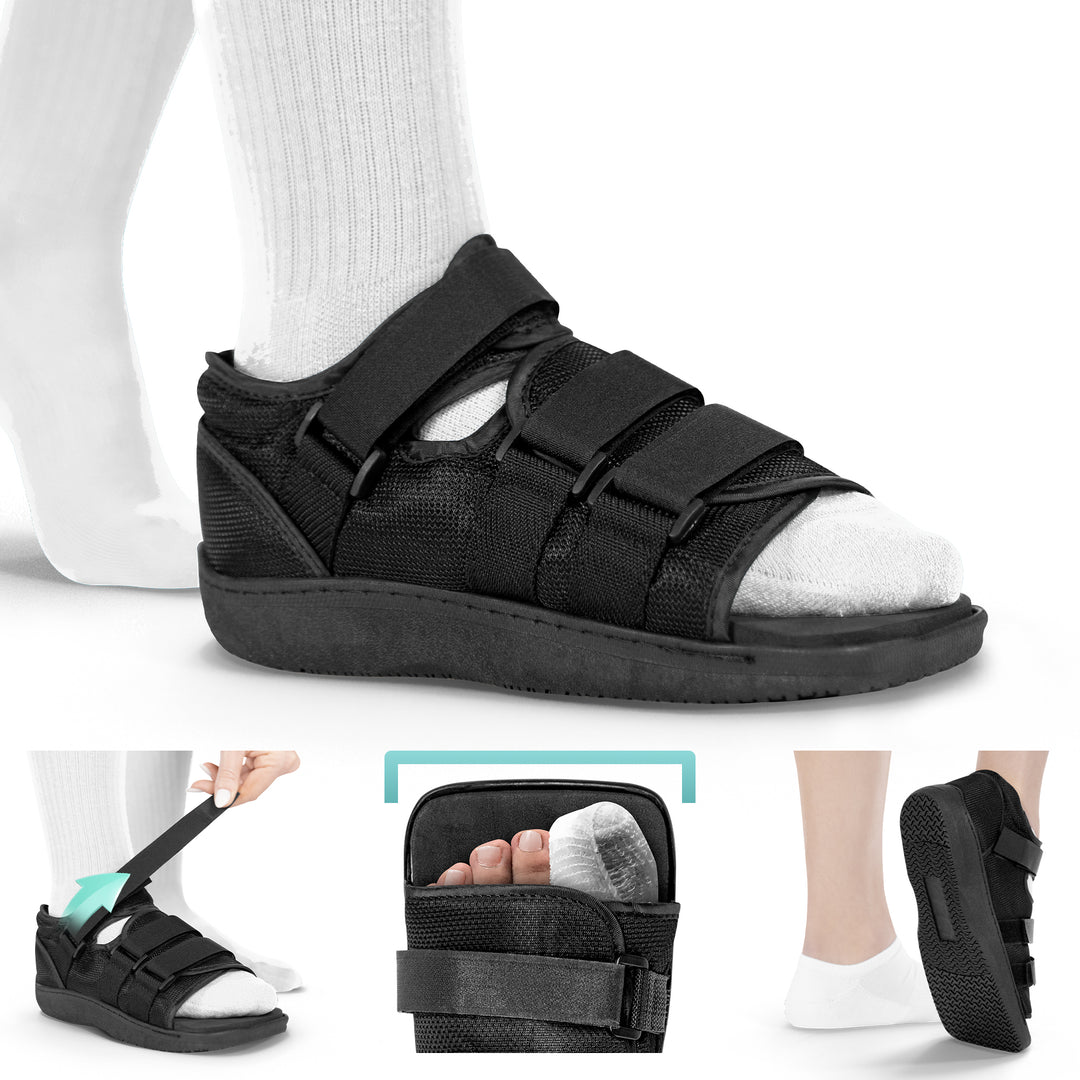
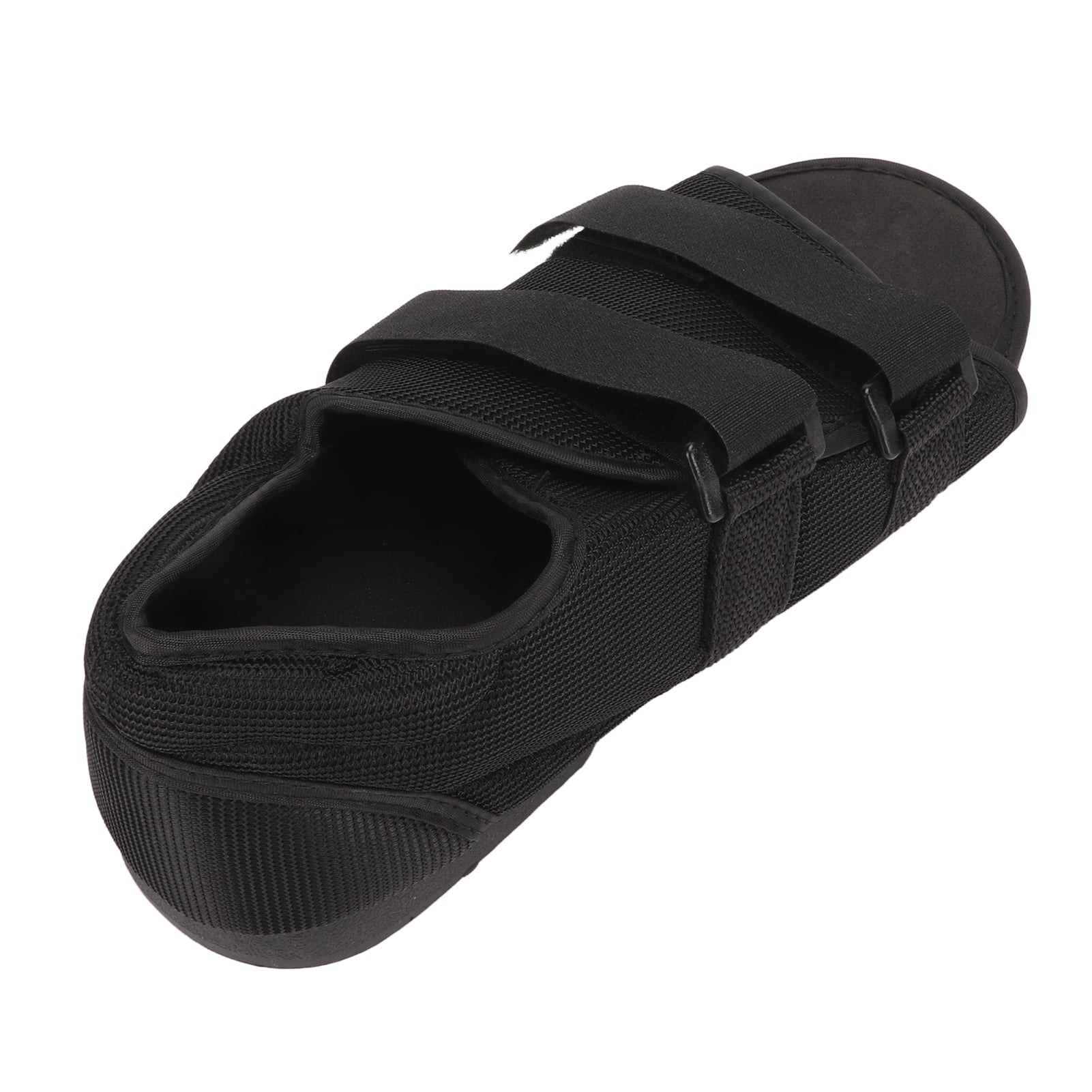
These are made to support foot health. A hard sole can reduce unwanted motion and help with conditions like plantar fasciitis, bunions, or post surgery recovery.
School or uniform shoes
Some uniforms require hard soled shoes because they last longer and look neat. They are also easier to maintain than softer casual shoes.
Traditional or specialty footwear
Certain cultural or specialty shoes use firm soles for style, structure, or purpose. Examples include some clogs, dance shoes, and heritage styles.
Benefits of Hard Soled Shoes
Hard soled shoes can offer real advantages when used for the right purpose.
- Better stability: The firm base helps keep your foot steady on the ground
- More durability: Stiffer materials often wear down more slowly
- Cleaner shape: They keep a sharp look, which matters in formal settings
- Improved protection: In work settings, harder soles can help shield the foot from rough surfaces
- Less excessive bending: This may help reduce strain for some people
I have seen hard soled shoes work especially well for long days on hard floors, like in offices, retail spaces, and light industrial settings. The key lesson is simple: a shoe should match the surface and the task. When it does, the difference is easy to feel by mid day.

Possible Drawbacks and Limits
Hard soled shoes are not perfect for every person or every use.
- Less flexibility: They can feel stiff during walking, especially at first
- Break in time: Some pairs need time to soften slightly
- More impact feel: Very hard soles may transmit more shock on rough ground
- Not ideal for running: Most runners need more flex and cushioning
- Fit matters more: If the shoe is the wrong size, stiffness can make discomfort worse
One common mistake is assuming all hard soled shoes are automatically supportive. They are not. Support depends on arch shape, heel hold, toe room, and insole quality. A stiff shoe that fits poorly can create pressure points fast.
When Hard Soled Shoes Make Sense
Hard soled shoes can be a smart choice in several situations.
- Formal events where appearance matters
- Jobs that require protection or stable footing
- People who need a firm base for certain foot conditions
- Daily wear on smooth indoor floors
- Outfits that need a structured, polished look
They may also help if you prefer less foot motion inside the shoe. Some people like the grounded feel. Others simply want shoes that keep their shape over time. If that is you, hard soled shoes can be a practical upgrade.

When to Avoid Hard Soled Shoes
There are times when a hard sole is not the best option.
- High impact sports like running or basketball
- Long walks on uneven ground
- Foot pain that gets worse with stiffness
- Situations where lightweight flexibility is more important
- Outdoor use on wet, slippery surfaces unless the sole is designed for traction
In my experience, people often buy stiff shoes because they look good, then wear them for the wrong job. That usually ends with sore feet, tired calves, or hot spots near the heel and toes. Match the shoe to the task, and you avoid most of those problems.

How to Choose the Right Hard Soled Shoes
Choosing hard soled shoes is about more than style. The best pair supports your feet and fits your routine.
Here is a simple checklist:
- Check the bend point: The shoe should bend a little at the ball of the foot, not in the middle
- Test the grip: The outsole should match the surface you walk on
- Look at arch support: A firm sole is better when paired with proper support
- Make sure the toe box feels roomy: Your toes should not feel squeezed
- Try them on later in the day: Feet often swell a bit
- Walk on a hard floor: This gives a better feel than carpet
A good rule from a footwear perspective is this: stiffness should add structure, not fight your foot. If the shoe feels like a plank, keep looking. If it feels steady but not painful, you are closer to the right fit.

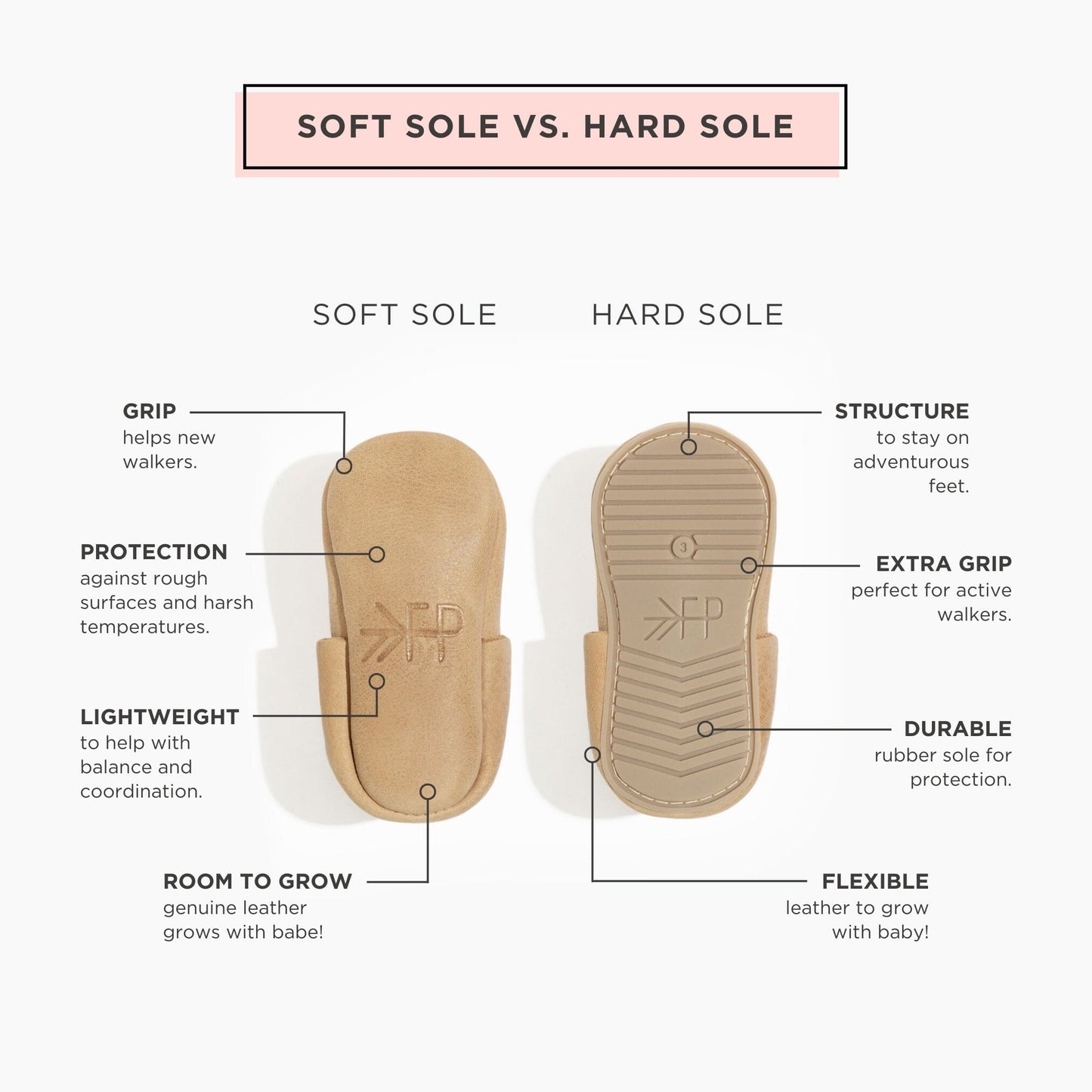
Hard Soled Shoes vs Soft Soled Shoes
The biggest difference is flexibility.
Hard soled shoes:
- Resist bending
- Offer more structure
- Often last longer
- Can look more formal
- May feel firmer underfoot
Soft soled shoes:
- Bend easily
- Feel more flexible and casual
- Often suit athletic movement better
- Can feel lighter and more cushioned
- May wear faster in some settings
Neither is better in every case. It depends on where you walk, how long you stand, and what your feet need. Think of it like tools in a toolbox. You would not use a hammer for every job, and the same is true for shoes.

Care Tips for Hard Soled Shoes
A hard soled shoe can last a long time if you take care of it.
- Clean the sole regularly: Dirt and grit can wear down the material
- Store them properly: Use shoe trees or keep them in a dry place
- Rotate pairs: This gives materials time to recover
- Check the sole for wear: Watch for smooth spots, cracks, or separation
- Protect leather soles: Use sole protectors or resoling when needed
I learned early that hard soled shoes reward routine care. A little maintenance keeps the structure strong and the shoe looking sharp. Ignore them, and even a high quality pair can break down sooner than expected.
Frequently Asked Questions of what are hard soled shoes
What are hard soled shoes used for?
Hard soled shoes are used for formal wear, work protection, and some foot support needs. They are also common when a person wants a stable, structured shoe that keeps its shape.
Are hard soled shoes good for your feet?
They can be, if they fit well and match the activity. A well designed hard soled shoe may improve stability and support, but a poor fit can cause pressure and discomfort.
Are hard soled shoes the same as stiff shoes?
Not exactly, but the terms often overlap. A hard soled shoe has a firm outsole, while a stiff shoe may also have a rigid upper or midsole that limits movement.
Can hard soled shoes help with foot pain?
Sometimes, yes. Some foot conditions benefit from a firm base and less bending, but the right choice depends on the cause of the pain and the shoe design.
How do I know if a shoe has a hard sole?
Try bending the shoe with your hands. If it resists flexing and feels firm under the ball of the foot, it likely has a hard sole.
Are hard soled shoes good for walking all day?
They can be, but only if they have proper support and cushioning. For long hours on your feet, fit and shock absorption matter just as much as sole stiffness.
Conclusion
Hard soled shoes are all about structure, stability, and purpose. They can be a smart choice for work, formal wear, and certain foot needs, but they are not the best fit for every situation. The trick is to balance firmness with comfort, support, and the way you actually move through your day.
If you are shopping for hard soled shoes, focus on fit first, then materials, then style. That simple order can save you from a lot of discomfort later. Keep learning, try pairs on with care, and choose the shoe that truly matches your life.

Rubel Miah is the Senior Editor at MyStyleGrid.com, where he brings a sharp editorial eye and an unshakable love for fashion to everything he does. A true style addict, Rubel lives and breathes trends, from streetwear to high fashion, and has a knack for turning inspiration into impactful stories. With years of experience in fashion journalism and digital media, he curates content that empowers readers to express themselves through style. When he’s not editing features or forecasting the next big thing, you’ll find him hunting down vintage pieces or capturing street style moments around the city.