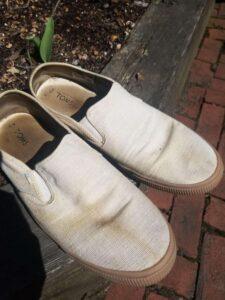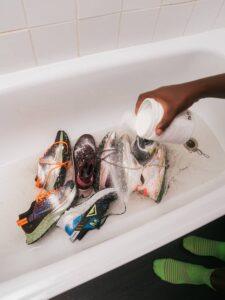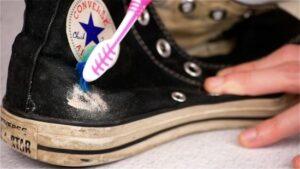
Start by identifying the stain type, test cleaners on a hidden spot, then clean gently with the right method.
I’ve cleaned hundreds of shoes in my time as a shoe-care enthusiast and repair tech, so I know what works and what wastes time. This guide explains how to get rid of shoe stains on leather, canvas, suede, rubber, and fabric. You’ll learn step-by-step methods, safe at-home remedies, when to use commercial cleaners, and tips to protect shoes afterward. Read on and you’ll feel confident tackling almost any shoe stain yourself.
Why shoe stains happen and what matters when removing them
Shoe stains happen when dirt, oil, salt, dye, or liquids sit on shoe materials and set. The same stain looks different on leather than on canvas or suede. Removing stains depends on three things:
- Material porosity and finish.
- Stain type: organic, oil-based, dye, or abrasive.
- How long the stain has been left to set.
Knowing these makes it easier to choose a method that won’t damage the shoe. I always inspect shoes under good light before starting. That quick check saves ruined uppers and wasted effort.
:max_bytes(150000):strip_icc()/stains-on-suede-clothes-shoes-furniture-2147180-final-b70ff7414a5a4393a75f051af7e72606.png)
Know your shoe material before cleaning
Different materials need different care. Treating them the same can create new stains or remove dye.
- Leather: Strong but sensitive to water and harsh cleaners. Use gentle cleaners, conditioners, and avoid soaking.
- Suede and nubuck: Porous and easily damaged. Use specialized erasers and brushes; never saturate with water.
- Canvas and fabric: More forgiving. Many stains lift with soap, baking soda, or diluted detergents.
- Rubber and vinyl: Easy to clean with detergent, baking soda, or diluted bleach for white soles.
- Mesh and knit: Delicate adhesives. Clean gently to avoid fraying or glue failure.
I once ruined a suede toe by using a leather polish. Treat suede and leather differently and always test a hidden spot first.

General step-by-step guide to remove shoe stains
These steps apply to most shoes and stains. Follow them before using stronger products.
- Assess and prepare
- Check the material and stain type.
- Remove loose dirt with a soft brush or cloth.
- Remove laces and insoles when possible.
- Spot test
- Test any cleaner on a small hidden area.
- Wait 5–10 minutes to watch for color change or damage.
- Apply the right cleaner
- Use mild soap and water for general stains on canvas or fabric.
- Use leather cleaner for leather. For suede, use a suede eraser or brush.
- For oil stains, apply absorbent powder first (baking soda or cornstarch).
- Agitate gently
- Use a soft brush or cloth. Work from outside the stain toward the center.
- Avoid scrubbing too hard; that can spread the stain or abrade material.
- Rinse and dry
- Wipe off cleaner with a damp cloth. Avoid soaking the shoe.
- Air dry at room temperature. Stuff with paper to keep shape.
- Finish with conditioner or protector for leather.
Quick tips I use: keep a small kit with a soft toothbrush, mild detergent, baking soda, white vinegar, and a suede brush. That covers most stains I see.

Can you remove old shoe stains? Yes, many old stains can be improved. Persistence helps: treat, wait, repeat, and use stronger targeted methods if safe for the material.
Can you get rid of shoe stains without water? For some stains, yes—absorbent powders, erasers for suede, and commercial solvent wipes work without water.
Will shoe whitening products damage shoes? They can if misused. Always follow product directions and test a hidden area first.
Stain-specific solutions (what to use and how)
Choosing the right method for each stain saves time and protects shoes.
H3 Mud and dirt
- Let mud dry fully before cleaning.
- Brush off dry mud with a soft brush.
- Use mild soap and water for remaining marks on canvas or leather. For suede, restore nap with a suede brush.
H3 Salt stains (winter)
- Mix equal parts white vinegar and water.
- Dab the mixture on salt marks with a cloth, then wipe with a damp cloth.
- Air dry and condition leather to restore oils.
H3 Oil and grease
- Sprinkle baking soda, cornstarch, or talcum powder on fresh oil. Let sit several hours, then brush off.
- For stubborn oil on canvas, mix a drop of dish soap with warm water and blot gently.
- Avoid heat; it sets oil stains.
H3 Ink and dye transfer
- Dab rubbing alcohol or a small amount of hydrogen peroxide on a cotton swab. Work from edges inward.
- Neutralize with a damp cloth and air dry.
- Test first, as alcohol can remove shoe dye or finishes.
H3 Wine, juice, and organic spills
- Blot immediately with a clean cloth; do not rub.
- Use a mild soap solution or diluted vinegar for fabric or canvas.
- For leather, use leather cleaner followed by conditioner.
H3 Blood
- Use cold water and gentle soap. Hot water sets blood.
- For dried blood, soak a cloth in cold water and gently lift the stain. Repeat until reduced.
H3 Paint
- Water-based paint: remove while wet with water and soap. When dry, scrape gently and use rubbing alcohol sparingly.
- Oil-based paint often requires professional help; solvents can damage shoe finishes.
I once removed an ink stain from a white canvas sneaker with rubbing alcohol after spot testing. The key was patience and small, repeated lifts rather than aggressive scrubbing.
At-home remedies vs commercial cleaners
Both have place. Use at-home methods for mild to moderate stains and commercial products for stubborn or specialty stains.
At-home remedies
- Baking soda and vinegar: Great for odor and mild stains.
- Dish soap: Effective on grease and many fabric stains.
- Rubbing alcohol: Useful for ink and dye transfer on some surfaces.
- Cornstarch: Absorbs fresh oil.
Commercial cleaners
- Leather cleaners and conditioners: Designed to clean and protect leather safely.
- Suede cleaners and protectors: Restore nap and repel future stains.
- Sneaker whiteners: Formulated for rubber soles and white uppers.
- Stain-specific sprays: Enzyme cleaners for organic stains.
When to choose commercial: material is expensive, stain is stubborn, or you’re unsure. Professional products can be safer for delicate or high-value shoes.

Prevention: how to stop future stains and keep shoes looking new
Prevention saves time and extends shoe life. Apply these habits regularly.
- Apply a protective spray for suede, leather, and fabric to repel water and oil.
- Wipe spills immediately. Prompt action prevents setting.
- Rotate shoes to reduce wear and moisture buildup.
- Clean and condition leather every few months.
- For white soles, use a magic eraser or dedicated sole cleaner after each wear.
A simple protector spray changed how many of my shoes aged. I stopped seeing deep stains and saved money on repairs.
Tools and products checklist
Keep a compact kit ready. Replace items as they wear out.
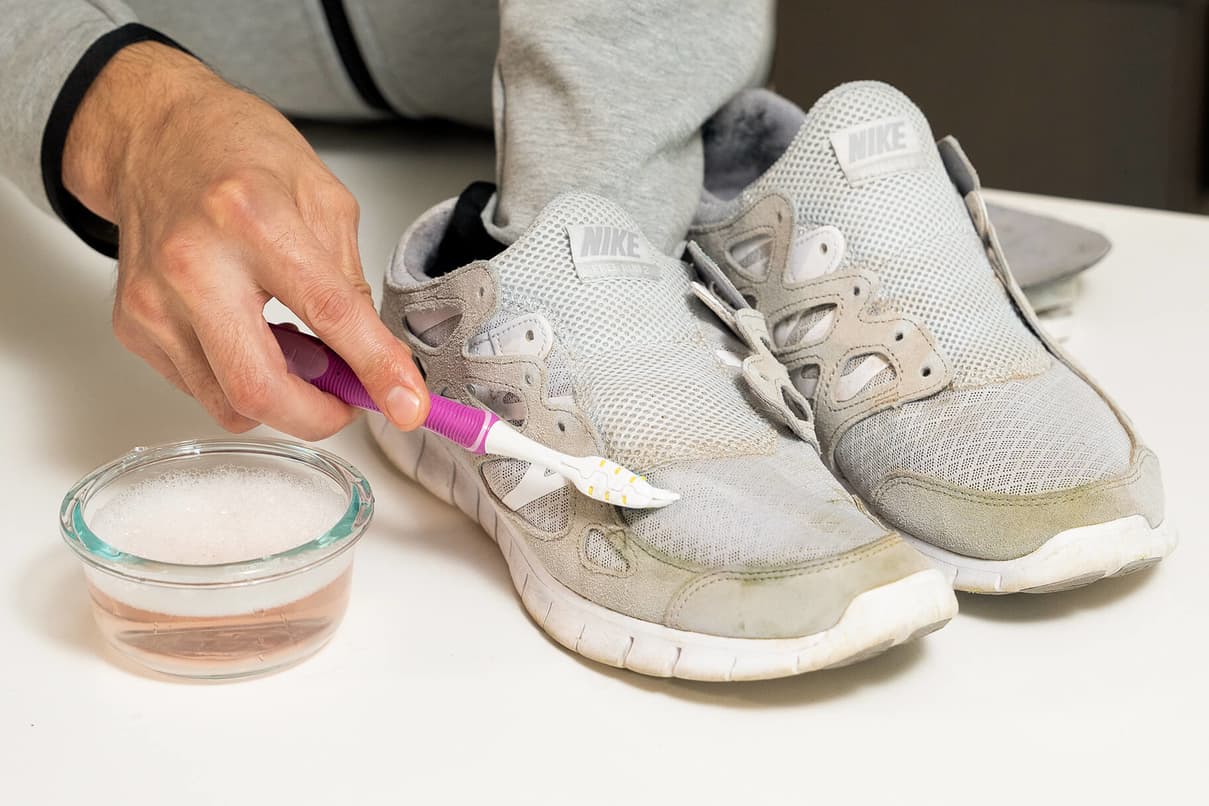
- Soft-bristled brush (shoe or toothbrush)
- Microfiber cloths
- Mild liquid soap or dish detergent
- Baking soda and cornstarch
- White vinegar and rubbing alcohol
- Suede eraser and suede brush
- Leather cleaner and conditioner
- Protective sprays (for leather, suede, fabric)
- Magic eraser for rubber soles
- Cotton swabs and small containers for mixing
Having these on hand lets you act fast when a spill happens. I store my kit near the entryway for quick access.
Signs you should see a professional
Not all stains are DIY-friendly. Consider a pro when:
- Shoes are vintage, designer, or irreplaceable.
- Stains cover large areas or are deeply set.
- The material is exotic or heavily treated leather.
- DIY methods risk color loss or structural damage.
Professional services have solvents and techniques that are gentler on delicate materials and can save a treasured pair.
Frequently Asked Questions of how to get rid of shoe stains
How quickly should I treat a fresh shoe stain?
Treat stains immediately when possible. Fresh stains are much easier to remove than set-in ones and often need only blotting and mild cleaning.
Can I use bleach on white shoes?
Diluted bleach can work on some white fabrics and soles, but it can weaken fibers and remove dye. Use diluted solutions sparingly and test first.
Are shoe cleaners safe for all leather?
No. Full-grain, top-grain, and patent leather react differently. Use products labeled for your leather type and always test a hidden spot.
Will washing machine remove shoe stains?
Washing machines can work for canvas and some fabric shoes, but they can damage glued components and delicate materials. Use a gentle cycle and protective bag if you try.
How do I remove salt stains without damaging leather?
Mix equal parts white vinegar and water, dab gently, then wipe with a damp cloth and condition the leather afterward to restore oils.
Conclusion
You can get rid of most shoe stains with the right knowledge, tools, and patience. Start by identifying the material and stain, test cleaners on a hidden spot, and use gentle, targeted methods. Prevent stains with protectors and prompt cleaning, and call a pro for delicate or stubborn cases. Try one method today on a small stain, and share what worked in the comments—your next pair of shoes will thank you.

Madison Clark is a footwear expert and the voice behind MyStyleGrid.com. She specializes in honest shoe reviews, style tips, and practical guides to help readers find the perfect pair for any occasion. With years of experience in blogging and content creation, Madison makes footwear knowledge simple, stylish, and easy to follow.